

Election Results
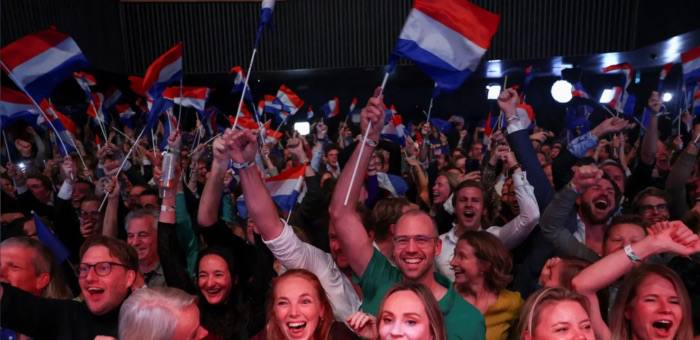
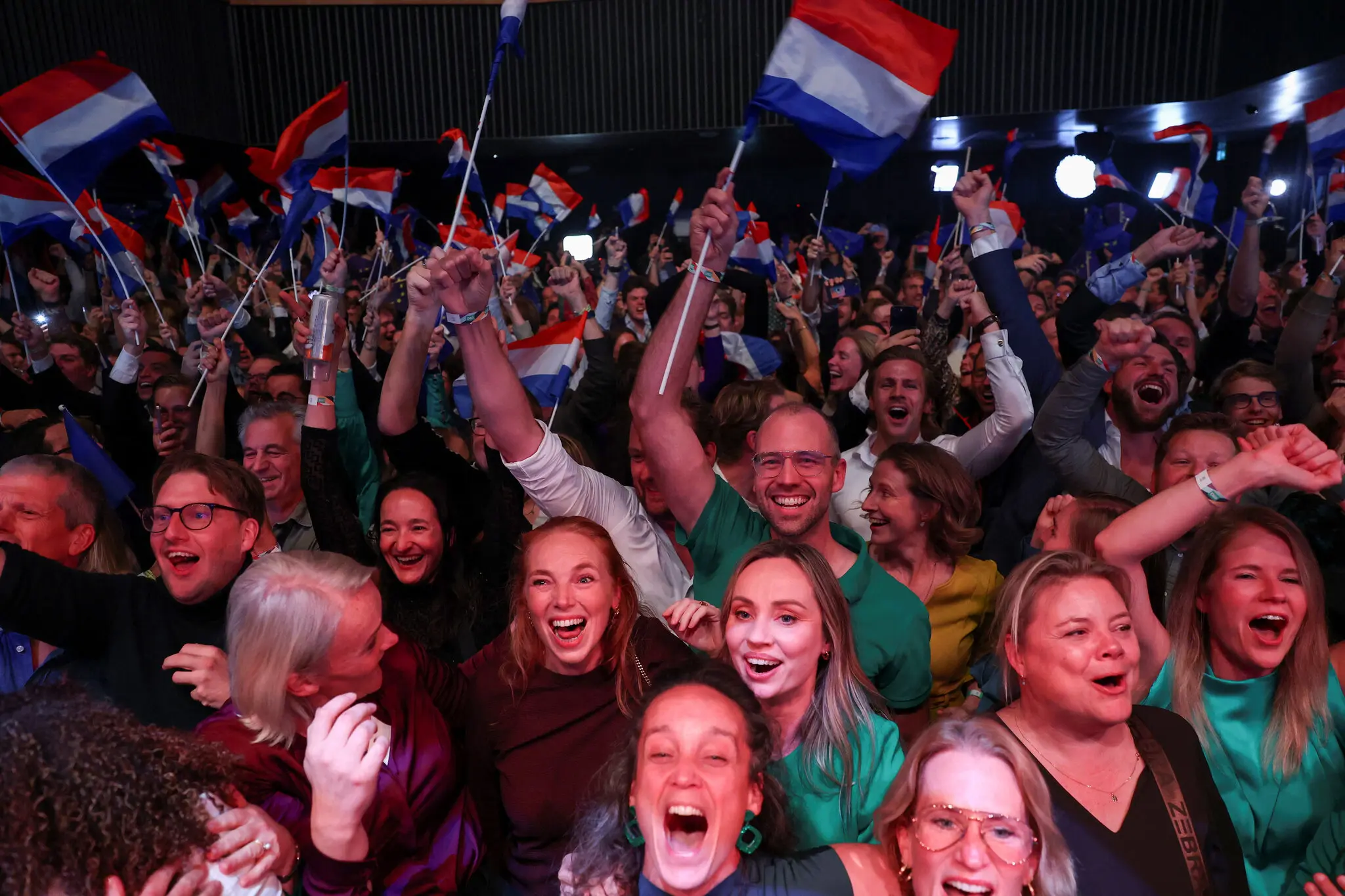
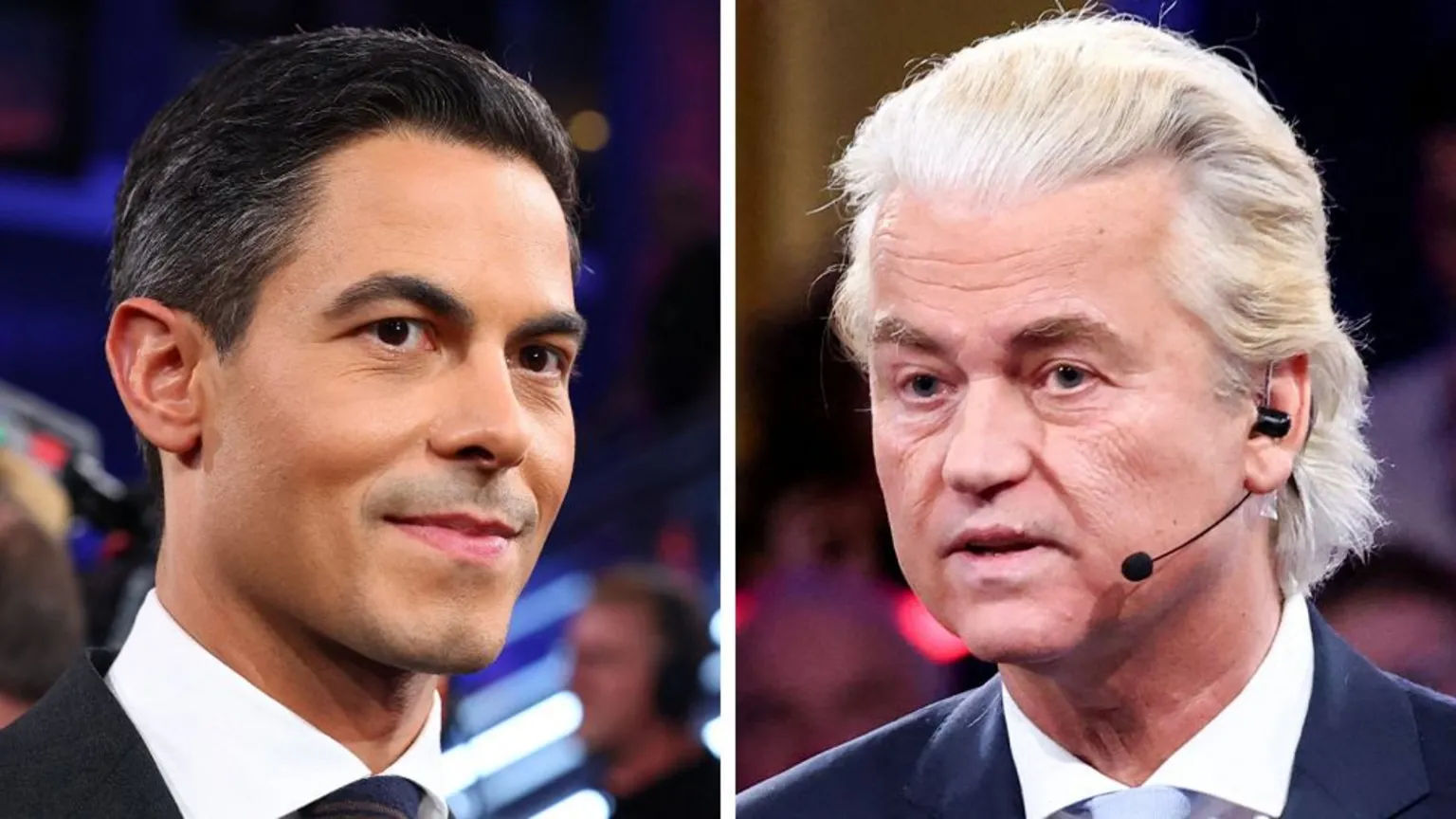
The pro-European Democrats 66 (D66) won the early parliamentary elections in the Netherlands, surpassing the far-right Party for Freedom (PVV). According to NOS, citing ANP data, D66 leads PVV by several thousand votes. This gives the party the right to start coalition talks to form a new government. Final results are still pending, as postal ballots from abroad are being counted, but major changes are not expected.
Preliminary counts suggest both parties will win 26 seats in the lower house, with D66 possibly gaining an extra seat. No party has secured more than 30 mandates, while a majority requires 76 out of 150 seats. Forming a new government is expected to require negotiations among at least four parties.
Background
The elections were called after the government collapsed earlier this summer. The cabinet, in office for only 11 months, fell after PVV leader Geert Wilders left the coalition, demanding stricter rules on granting asylum to migrants. Amidst the political crisis, Prime Minister Dick Schoof resigned but remained in office until a new government was formed.
The Dutch electoral system has no formal threshold, making the political landscape highly fragmented. Even small parties can win seats, which ensures diversity but complicates majority formation. After each election, coalition negotiations are complex, and compromise is essential for government stability.
Rob Jetten: A New Generation of Leadership
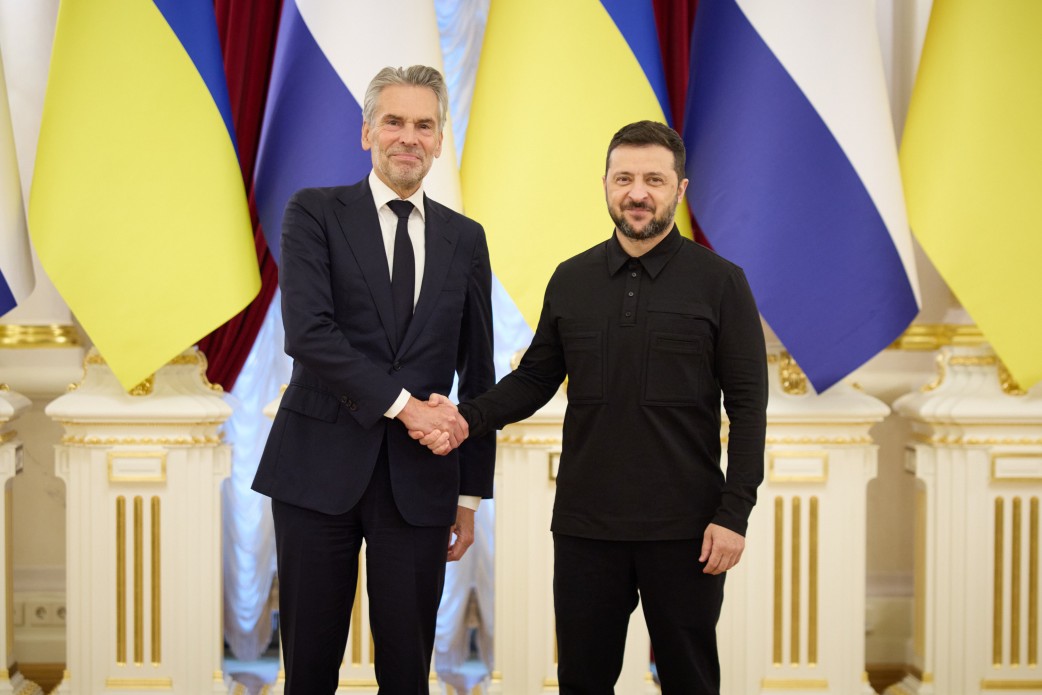
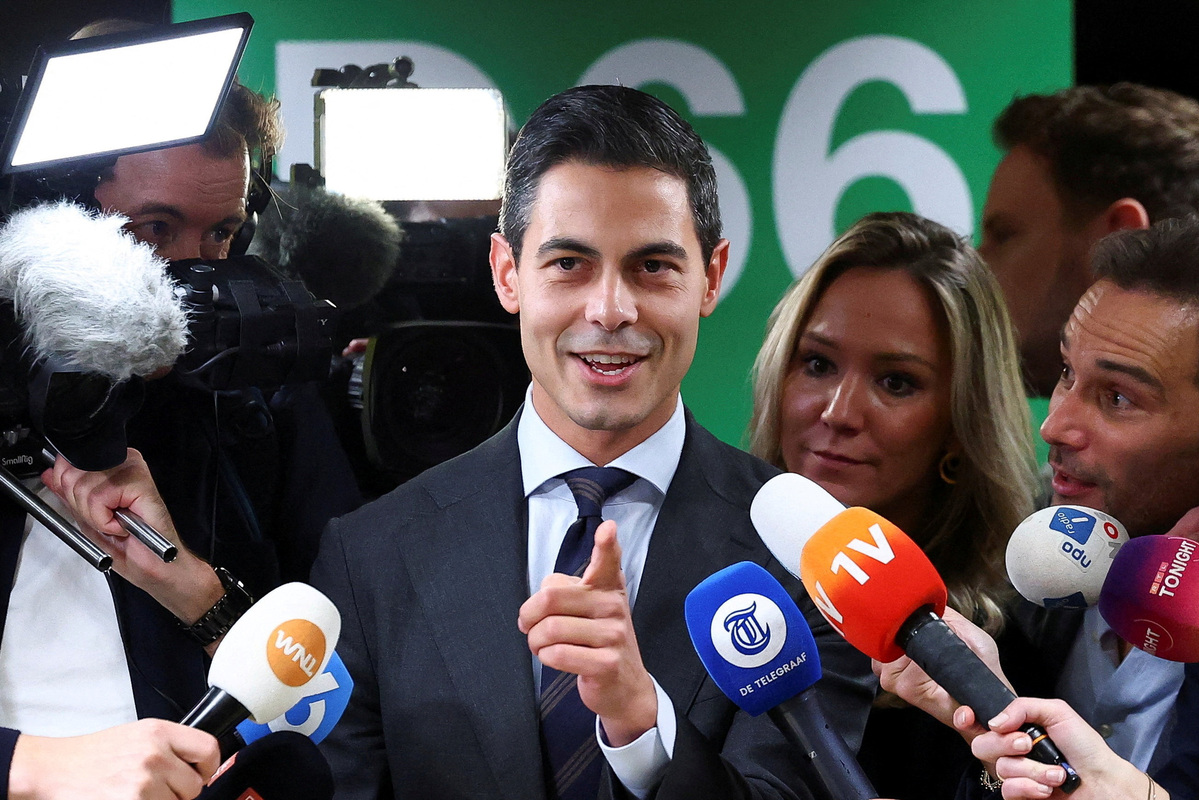
D66 leader, 38-year-old Rob Jetten, is now the main contender for the position of prime minister. He could become the youngest and first openly gay head of a Dutch government. Until recently, D66 was projected to win only 12 seats, while Wilders led in most polls. Wilders is known for his skepticism toward support for Ukraine and his criticism of sanctions against Russia and EU policy towards Kyiv, continuing to oppose providing weapons and financial aid to Kyiv.
In contrast, Jetten represents a new, pro-European generation: optimistic, open, and reform-minded. As Minister of Climate and Energy, he pushed to reduce the Netherlands’ reliance on Russian energy. D66’s campaign emphasized climate action, social issues, green energy, human rights, and strengthening the EU’s role.
D66 and Support for Ukraine
D66 has consistently supported Ukraine through military, financial, and humanitarian aid, as well as integration into NATO and the EU. The Netherlands is a key partner: it was the first to deliver F-16 fighter jets, supplies Patriot air defense systems and ammunition, invests in the development and joint production of drones, and supports cybersecurity, defense-industrial cooperation, energy, and post-war reconstruction. Additionally, the Netherlands insists on compensation from Russia for damages to Ukraine and supports using frozen Russian assets as loans, provided legal and financial risks are eliminated.
The new government will face the challenge of balancing domestic policy — housing, social programs, climate policy — with foreign diplomacy. D66 positions itself as a party of stability and constructive governance.
Conclusions
D66’s victory signals a shift in Dutch politics from radical right to moderate forces and a societal preference for compromise. For Ukraine, this is cautiously optimistic news. The weakening of PVV and Jetten’s win suggest continuity, and possibly strengthening, of The Hague’s pro-European and pro-Ukrainian stance.
The Dutch system emphasizes that stability depends on compromise. Domestic and foreign policies, including support for Ukraine, will develop gradually and reflect coalition agreements.
D66’s win creates potential for ongoing support in military, economic, and humanitarian areas, though final policy decisions will only become clear after coalition negotiations conclude.