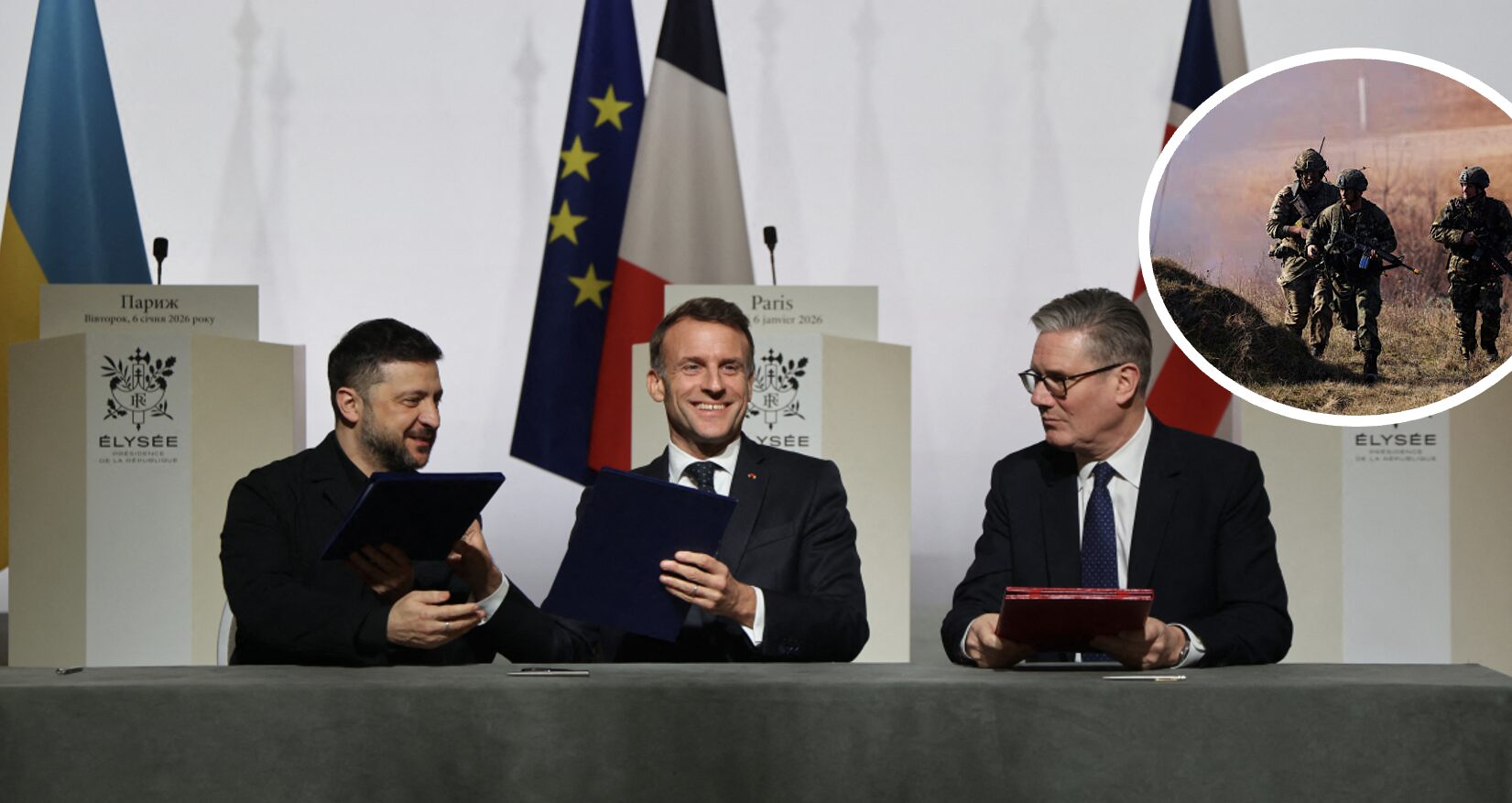


After the “coalition of the willing” meeting in Paris on January 6, Ukraine, France, and the United Kingdom signed a declaration of intent to deploy multinational forces in Ukraine after a ceasefire. However, the United States did not become a formal signatory of the document. The final text also removed a direct reference to American commitments in case of renewed Russian aggression, reports European Pravda.
What the Paris Declaration Stated
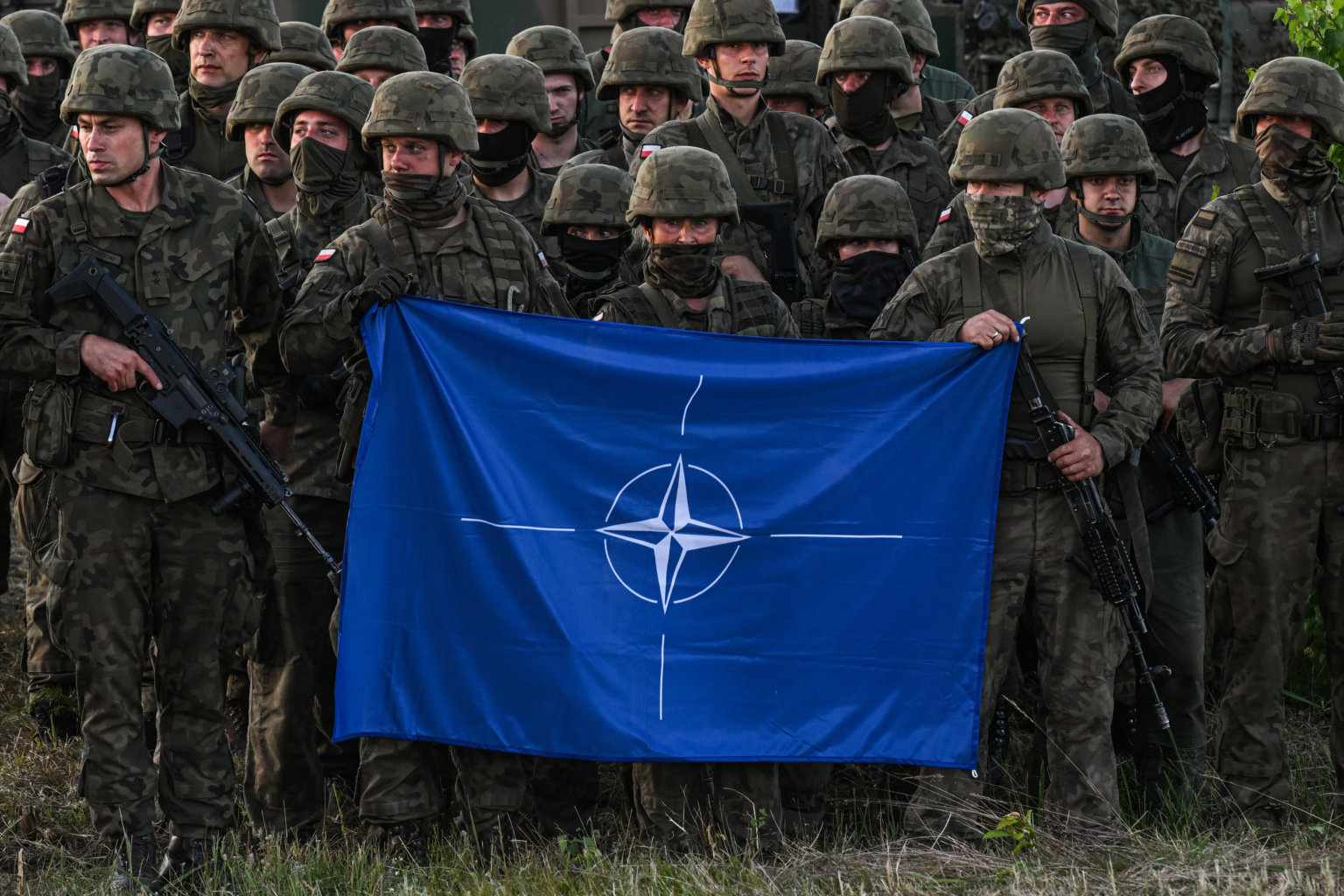
According to the report, which refers to both the draft and the final version of the Paris Declaration, European countries will lead the multinational forces. They will also involve non-European partners with the proposed support of the United States. The initial draft included specific American commitments, particularly regarding intelligence and logistics in case of a new Russian attack. However, these formulations were not included in the final text.
The office of French President explained that the United States is not formally part of the declaration, although its provisions were discussed in detail with Washington.
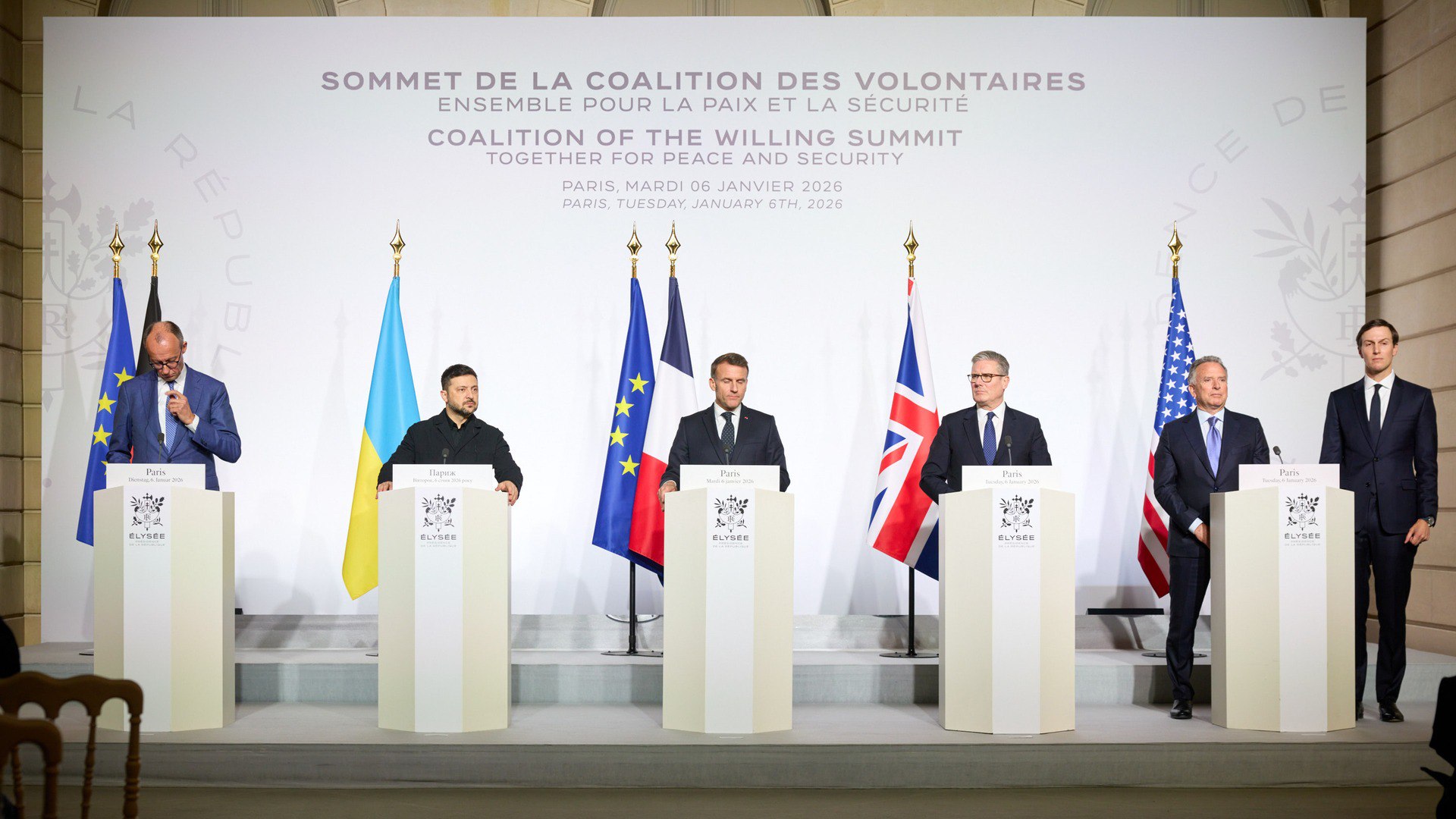
Positions of the Leaders
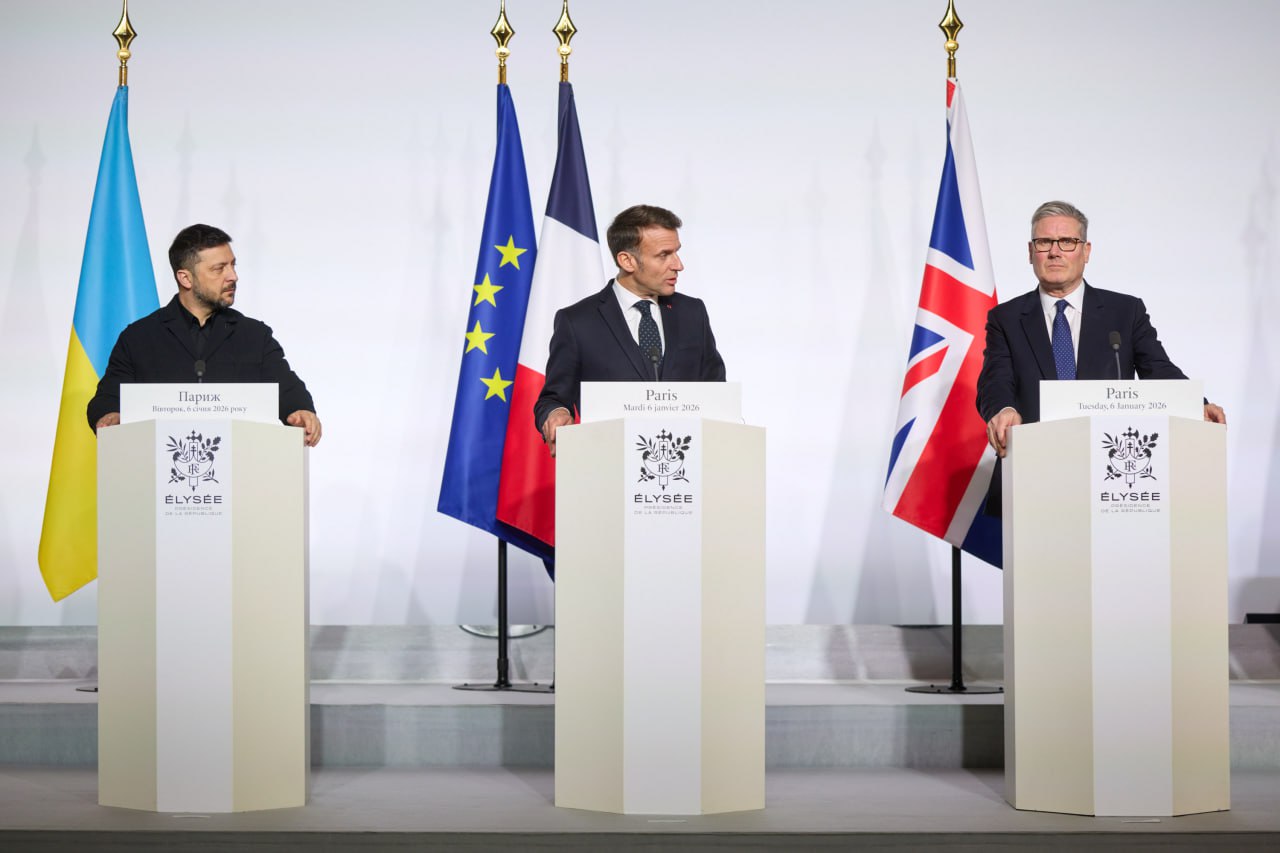
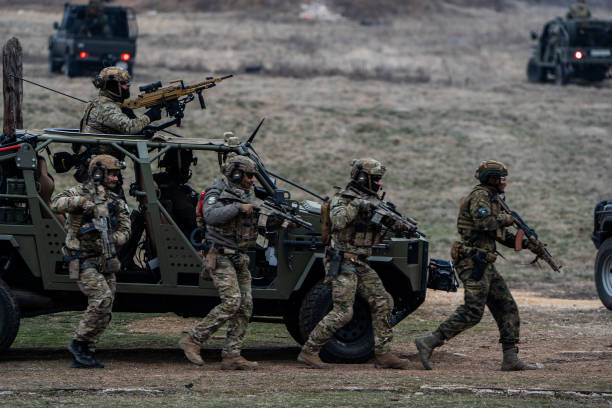
Macron emphasized that the deployment of multinational forces aims to create conditions for deterrence and to support Ukraine’s security after a ceasefire. According to European leaders, these forces will operate on land, in the air, and at sea. They will conduct training for Ukrainian troops and oversee the creation of protected storage facilities for weapons. However, they will not participate in combat operations.
British Prime Minister Keir Starmer added that London and Paris plan to actively take part in these activities as part of the coalition.
Ukrainian President Volodymyr Zelensky stressed that the signed declaration demonstrates the “serious commitment” of partners. He also said it provides a foundation for further legally binding measures.
Less Than Expected
Initial estimates suggest that the mission will have a limited scale. The Times, citing sources in British security structures, reports that the United Kingdom and France may each send about 7,500 troops to Ukraine. Overall, this amounts to approximately 15,000 soldiers. They are expected to be deployed in western Ukraine, far from the frontline. The publication notes that this is smaller than previously expected.
The final size of the contingent will depend on the conditions of the ceasefire and the political decisions of the participating countries.
Who Is Ready to Join—and Under What Conditions
Other countries have remained cautious. Turkey stated that it will send troops only after a ceasefire is established and the mission’s mandate is clearly defined.
Germany has expressed readiness to help monitor the ceasefire. However, it does not promise to send troops directly to Ukraine. At the same time, Germany is considering the option of placing its forces in neighboring NATO countries.
Canada may participate if a peace agreement is reached.
Italy and Romania, on the other hand, have excluded the possibility of deploying their own contingents on Ukrainian territory.
Moscow’s Reaction
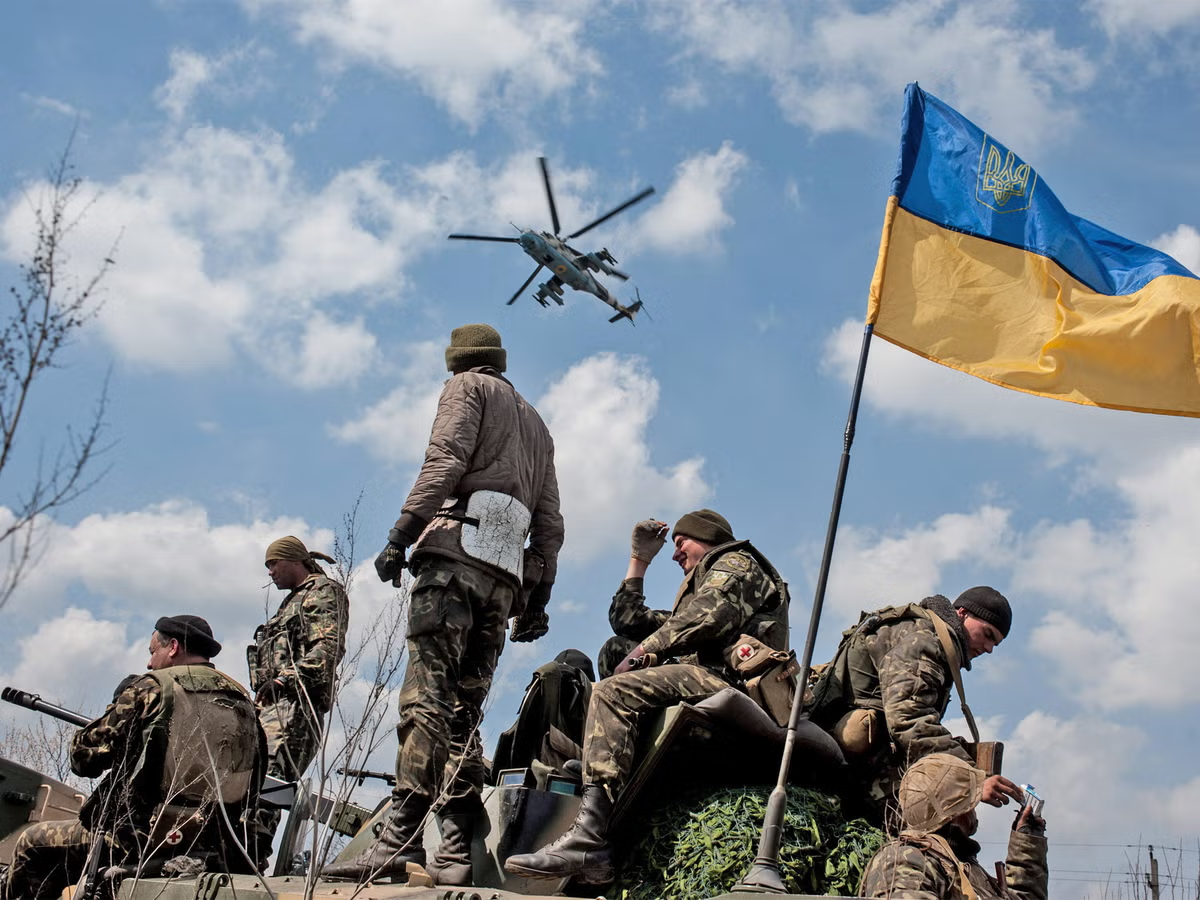
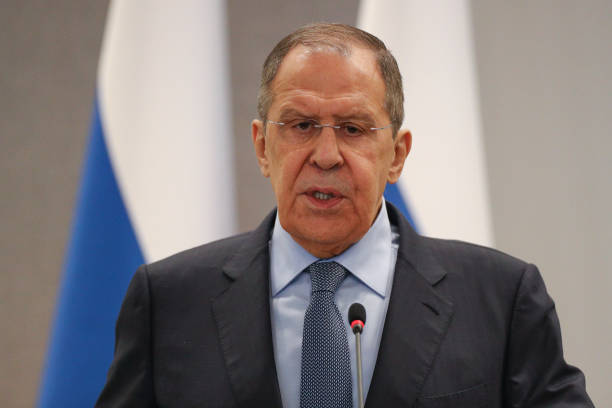
In Russia, the potential deployment of foreign troops in Ukraine caused a sharp reaction. The Russian Foreign Ministry stated that any Western units on Ukrainian territory would be considered “legitimate military targets,” reports Reuters. The statement also claimed that the “coalition of the willing” and Ukraine are allegedly forming a “war axis” that threatens Europe’s security.
Conclusions
The idea of deploying foreign troops in Ukraine after the end of combat operations appears to be an attempt to reduce the risk of renewed Russian aggression. This is especially significant given the lack of formal allied guarantees.
European countries are showing readiness to take on more responsibility. However, the mission’s scale and the absence of clear American commitments indicate that it is more of a deterrent than a protective measure.
In this structure, the key element of security remains Ukraine itself. Its army, resources, and ability to maintain peace will be decisive if diplomacy succeeds.