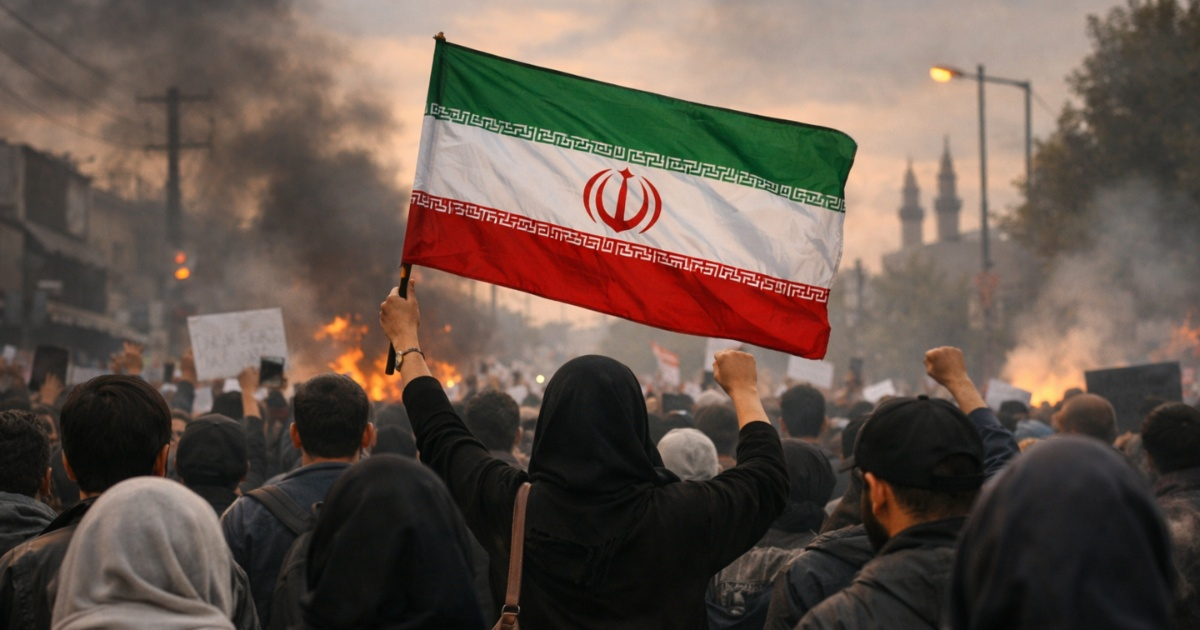


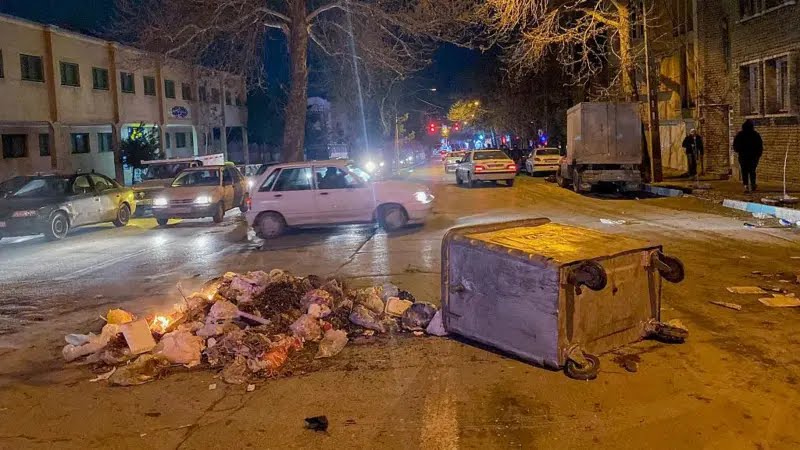
Iran is currently gripped by a massive wave of protests and strikes that erupted in late December 2025, triggered by a deepening economic crisis and the precipitous collapse of the rial. While the demonstrations initially centered on socio-economic grievances, they rapidly evolved into an overt anti-government campaign. The unrest has spread across dozens of cities, spanning every region of the country. The authorities’ reliance on forceful crackdowns has only served to escalate the confrontation, pushing the situation toward a phase of systemic political instability.
From Market Strikes to Street Resistance
The protests began on December 28 with a strike by merchants at the Grand Bazaar in Tehran, who shuttered their shops in response to the national currency’s crash and skyrocketing inflation. They were soon joined by residents of other major hubs, including Mashhad, Isfahan, and Shiraz. Initially, the demands were clear: curb inflation, stabilize the economy, and improve living conditions.
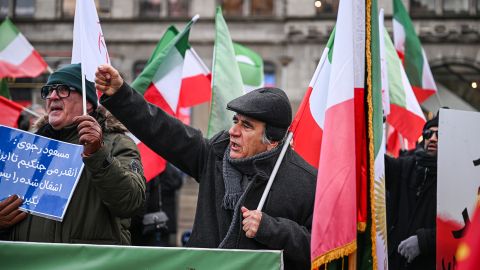
However, anti-government slogans quickly emerged. In Mashhad, protesters went as far as to remove the Iranian national flag—a gesture that came to symbolize the shift from social grievance to a direct political challenge against the regime. The movement has since lost its localized character, evolving into a nationwide phenomenon lacking a centralized leadership but united by a clear demand for fundamental change.
According to human rights organizations, the demonstrations have reached all 31 of Iran’s provinces. The death toll has risen to at least 35–36 people, including children, while more than 1,200 participants have been detained. Security forces have actively deployed tear gas and live ammunition, significantly increasing the risk to the civilian population.
Isolated reports suggest that protesters have managed to seize control of several towns in western Iran, effectively ousting law enforcement. This indicates an unprecedented erosion of state control and a profound crisis of legitimacy for the government.
Growing Instability
Despite government attempts to lower tensions with promises of financial aid, the protest wave shows no signs of receding. Many citizens view these measures as “too little, too late.” The volatility has reached such a level that foreign diplomatic missions, including the Ukrainian Embassy, have advised their citizens to leave the country immediately.
While Iranian officials attempt to project an image of control, the sheer scale and geographic spread of the unrest point to a deep-seated systemic crisis. What began as an economic strike has transformed into a mass social uprising against the current model of state governance.
Conclusion
The protests in Iran are the culmination of economic collapse, social exhaustion, and a total breakdown of trust in the authorities. The harsh response from security forces has only radicalized public sentiment. The country has entered a phase of protracted instability, the ultimate consequences of which remain difficult to predict.
This wave of unrest stands as the most significant internal challenge to the Iranian establishment in years. It demonstrates that the crisis has moved far beyond concerns over prices and exchange rates. Iranian society is increasingly vocal in its demand for deeper reforms, and the future will depend on whether the government can respond with more than just brute force.