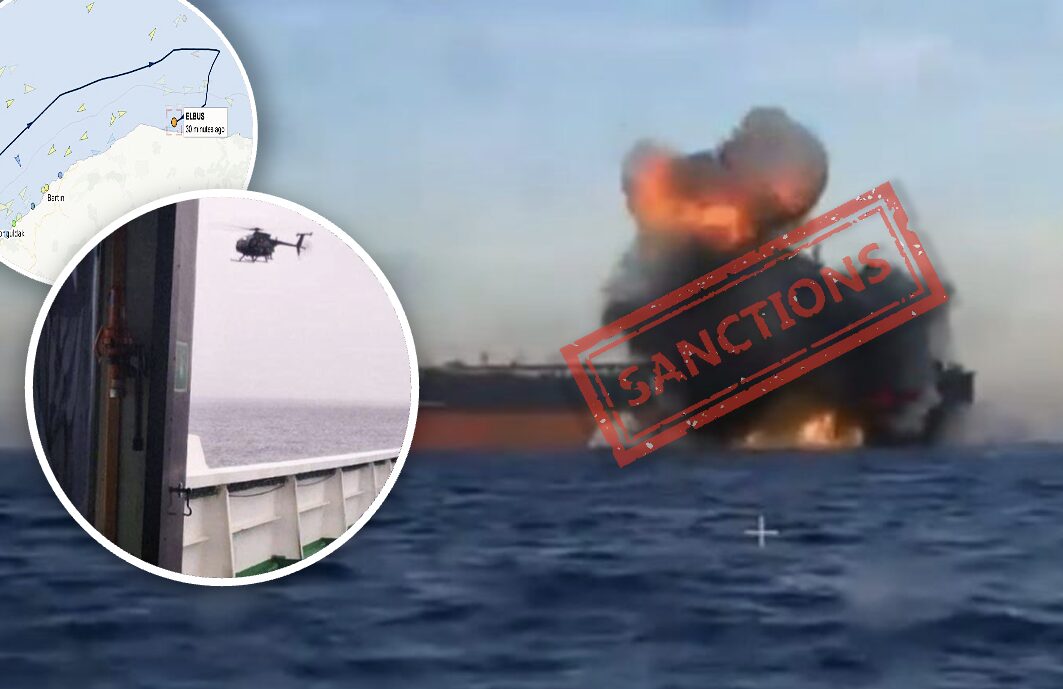


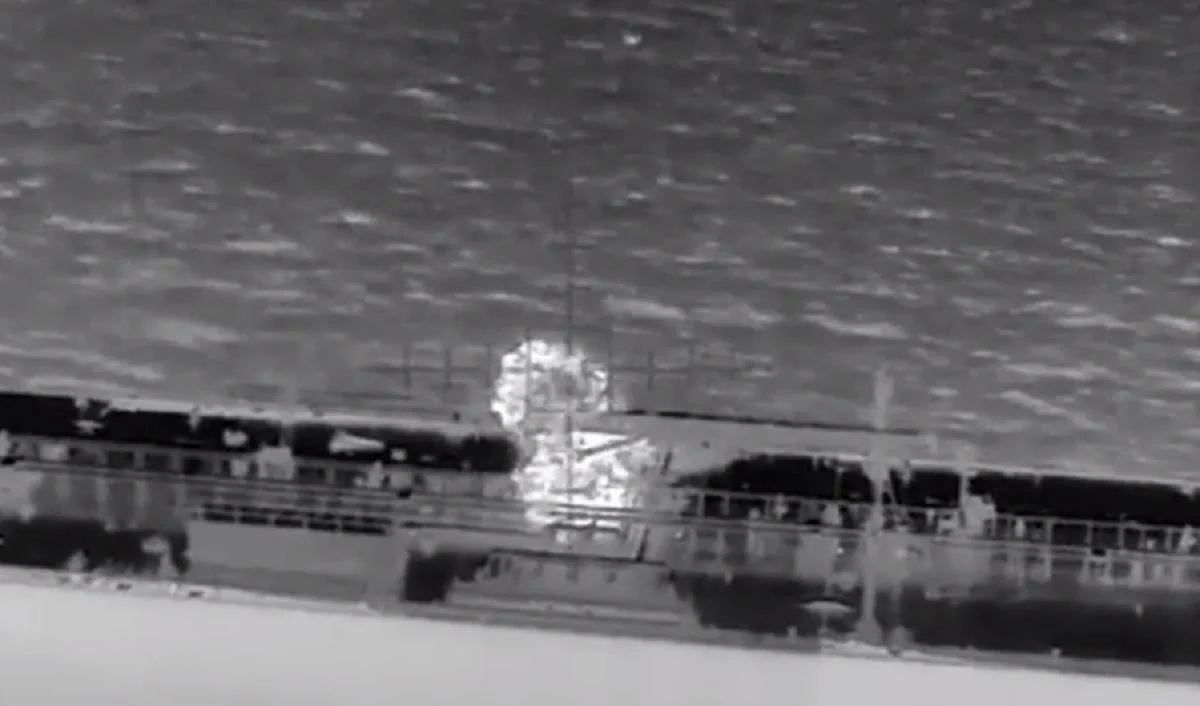
An oil tanker, Elbus, en route to Russia was hit by a drone in the Black Sea near the Turkish coast, Reuters reports. The vessel was forced to request assistance from the Turkish Coast Guard and alter its course.
Tanker attack
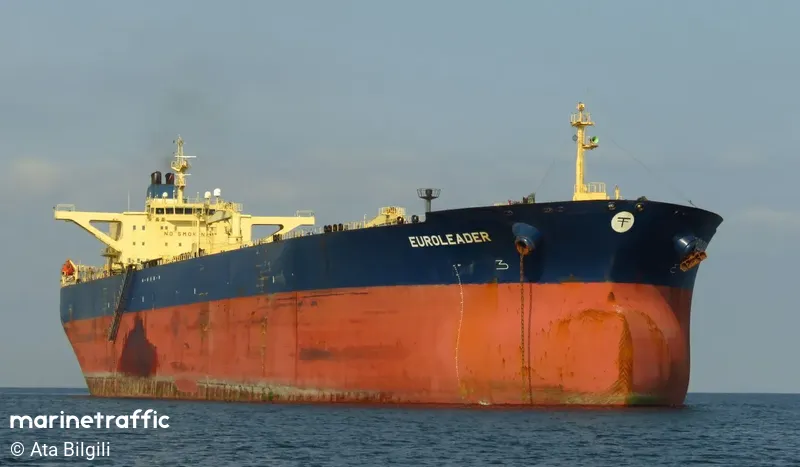
According to Reuters, citing the UK-based maritime intelligence service Lloyd’s List Intelligence, the incident occurred on January 7. A drone and an unmanned surface vessel struck the engine room of the tanker, which was sailing under the flag of Palau. There were 25 crew members on board. No casualties were reported, and no environmental pollution was recorded.
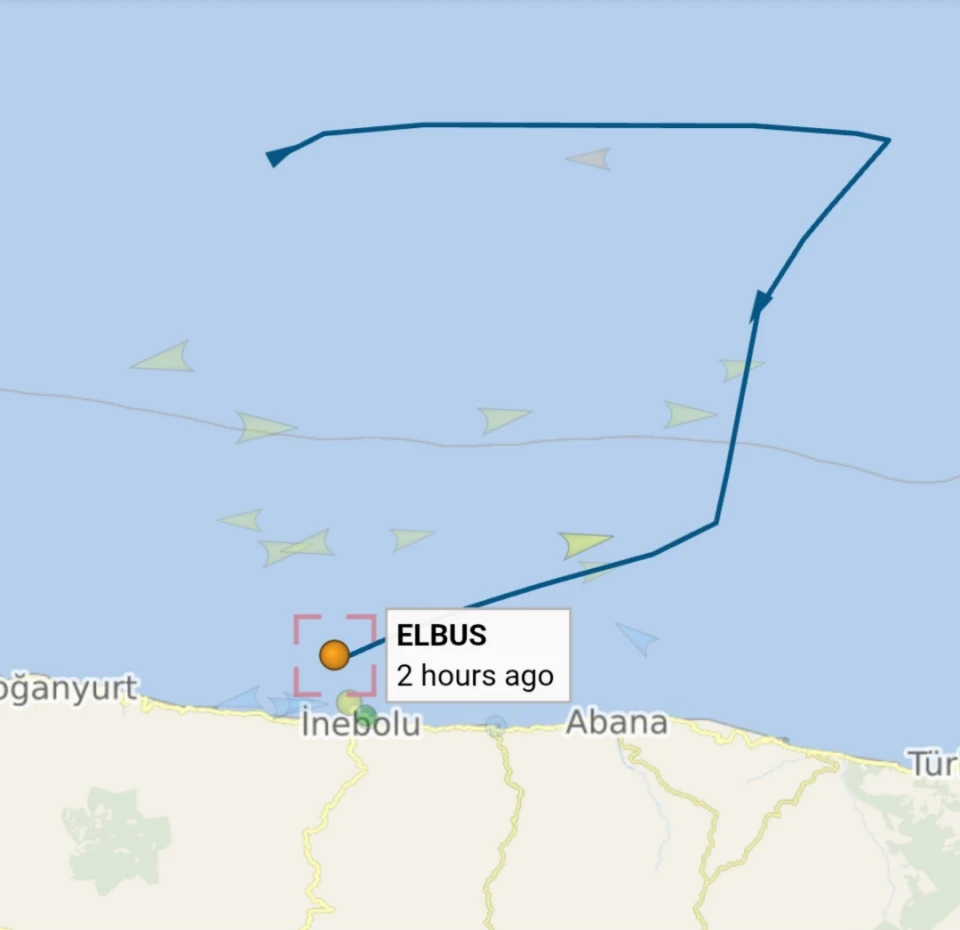
Following the attack, the tanker—which had been traveling from Singapore to the Russian port of Novorossiysk—sharply changed course and anchored on its own near the Turkish port of İnebolu, a Turkish outlet reported. Local authorities are currently monitoring the situation and assessing the damage.
U.S. operations
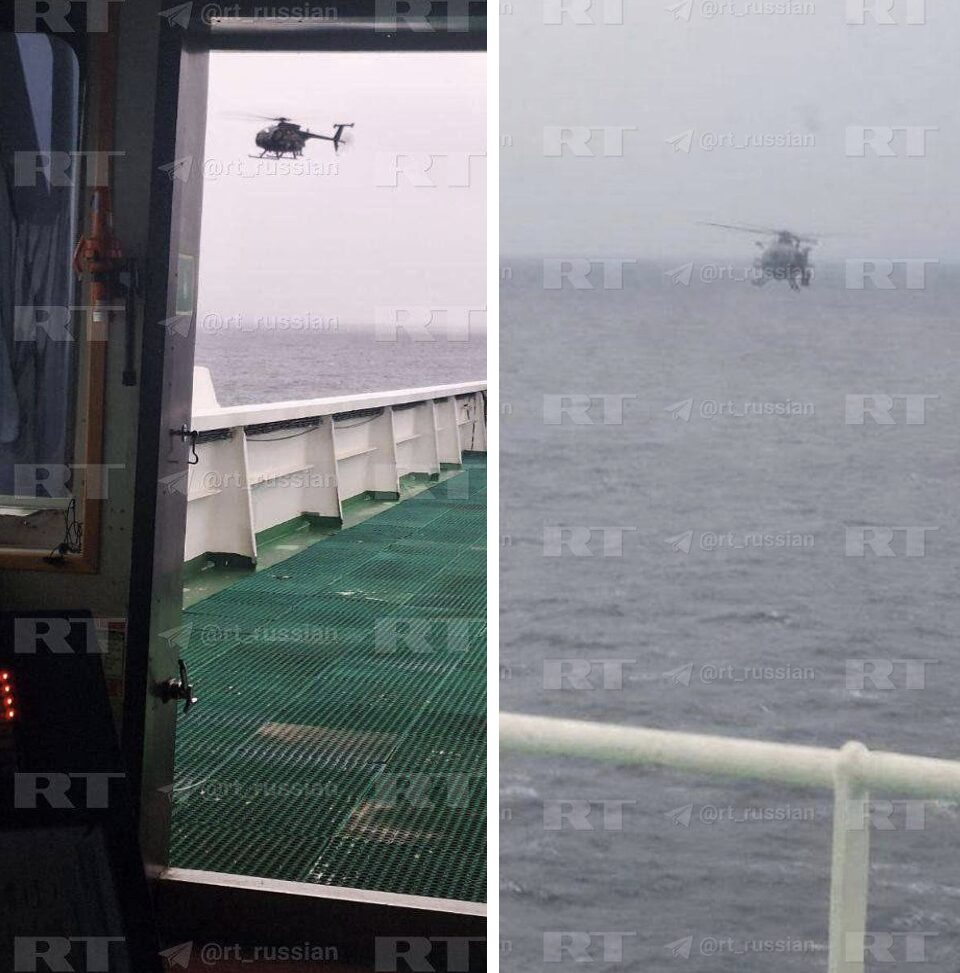
Earlier, U.S. forces also detained the tanker Bella 1—now renamed Marinera—sailing under the Russian flag in the North Atlantic, according to European Pravda. The vessel was pursued for violating U.S. sanctions and smuggling Iranian cargoes, including oil. While attempting to evade detention, the tanker changed its flag to Russian, likely in an effort to avoid being seized.
British aircraft supported the operation, UK Defence Secretary John Healey said. At the same time, the United States also detained the tanker Sophia. Both vessels belong to Russia’s so-called shadow fleet and were heading toward Venezuela, U.S. Secretary of Homeland Security Kristi Noem added.
Series of attacks on sanctioned Russian vessels
Attacks on sanctioned Russian vessels have occurred before. In late November, Ukrainian Sea Baby maritime drones struck two tankers—Kairos and Virat—near the Turkish coast. Both vessels, part of Russia’s shadow fleet, sustained critical damage.
About a week and a half later, the tanker Dashan, sailing under the flag of the Comoros, was attacked in the Black Sea while heading toward Novorossiysk and suffered severe damage.
In December, Ukraine’s Security Service also carried out a special operation in neutral waters of the Mediterranean Sea, targeting another tanker, QENDIL. The vessel was rendered unfit for further operation.
Conclusions
The attack on Elbus and previous operations in the Black Sea and the Mediterranean demonstrate the effectiveness of Ukrainian and Western efforts to neutralize Russia’s shadow fleet. Drone strikes and vessel detentions disrupt illegal energy shipments and increase economic pressure on Russia.
These developments show that controlling strategic maritime routes and defending the interests of the civilized world is entirely possible. The Black Sea and international waters are becoming arenas not only of economic confrontation, but also of technological and security competition—where Ukraine’s position continues to grow stronger.