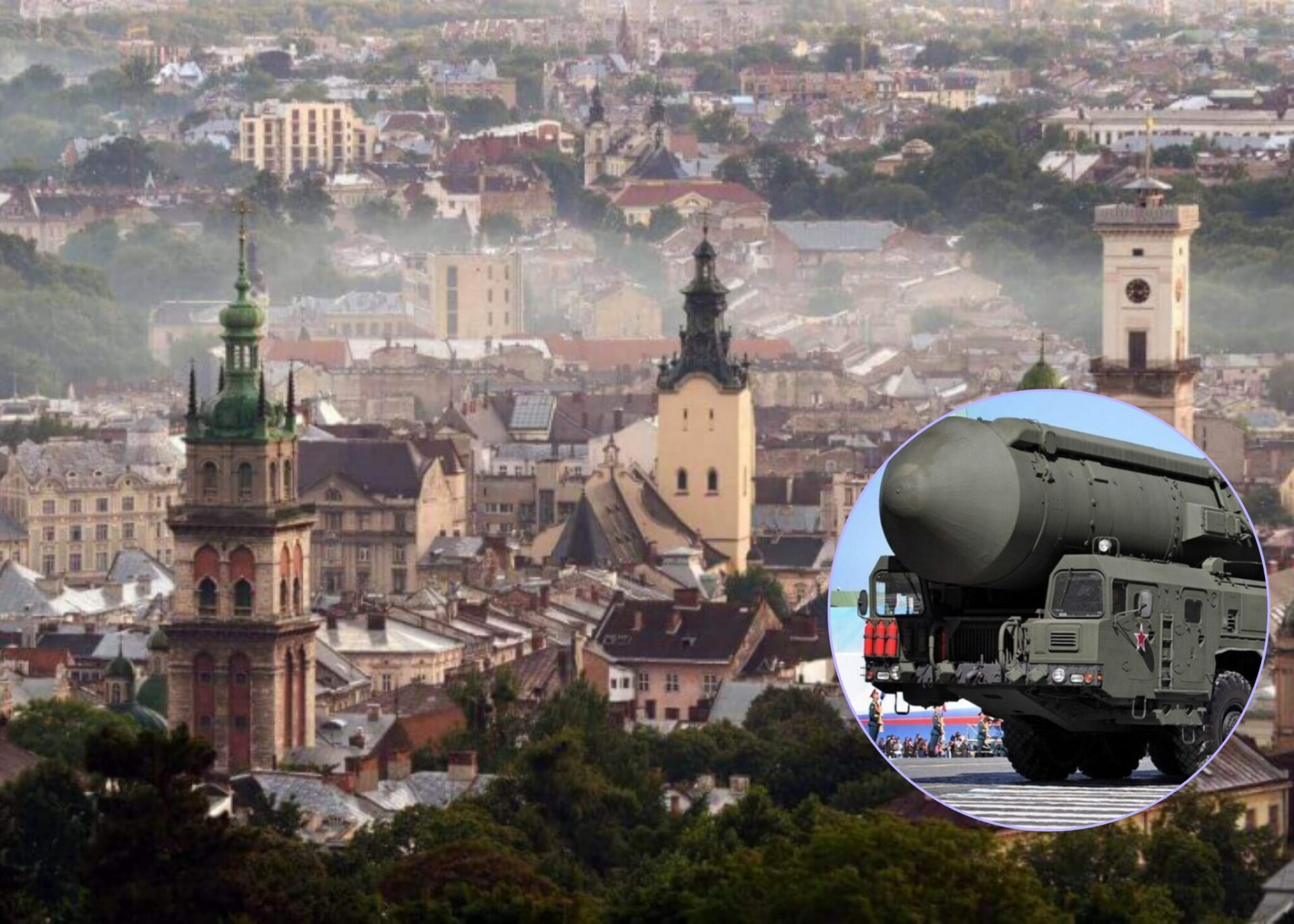


On the night of January 9, Russia launched a long-range ballistic missile of the “Oreshnik” type at Lviv, fired from the Kapustin Yar test site. The use of this specific weapon system was confirmed by the Ukrainian Air Force.
Details of the Attack
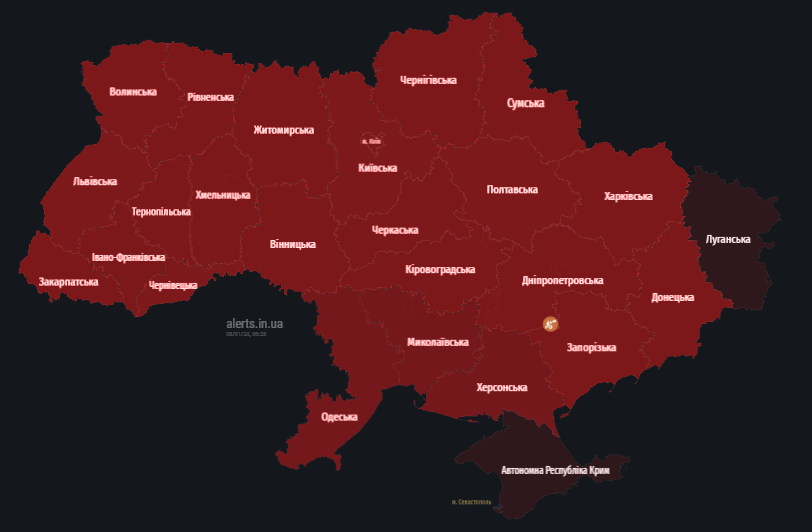
According to the Ukrainian Air Force, around 23:30 on January 8, a missile alert was issued across Ukraine due to the threat of long-range ballistic missiles being launched from Russian territory.
By 23:47, critical infrastructure targets in Lviv had been hit. Military sources reported that the missile traveled along a ballistic trajectory at a speed of approximately 13,000 kilometers per hour.
Lviv Mayor Andriy Sadovyi stated that the shockwave in the Rudno settlement triggered the automatic gas safety system. Gas supply was temporarily cut off for 376 households on several streets.
What Kind of Missile It Is
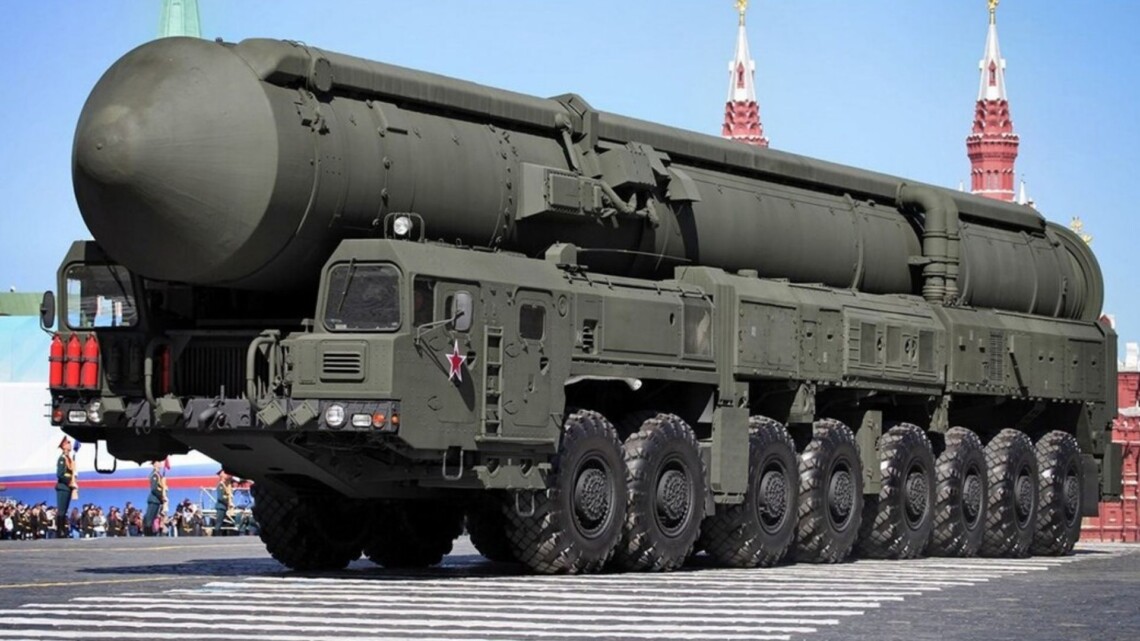
The “Oreshnik” is a Russian medium-range ballistic missile developed based on intercontinental missile technology. It can follow a high-trajectory flight path that exits into space before striking the target at very high speed. Its key feature is a multiple independently targetable reentry vehicle (MIRV) warhead, which can release several warheads simultaneously, making interception extremely difficult.
Ukraine’s air defense currently lacks effective means to intercept and destroy ballistic missiles like the “Oreshnik.” Western systems such as THAAD or Arrow 3, required to counter such missiles, have not been supplied to Ukraine and remain under the control of the U.S. and its allies.
Statements and Reactions
That morning, the Russian Ministry of Defense officially confirmed the use of the “Oreshnik” missile system, claiming the strike was “in response” to an alleged Ukrainian attack on the Russian president’s residence. Ukrainian authorities and international partners have denied this claim.
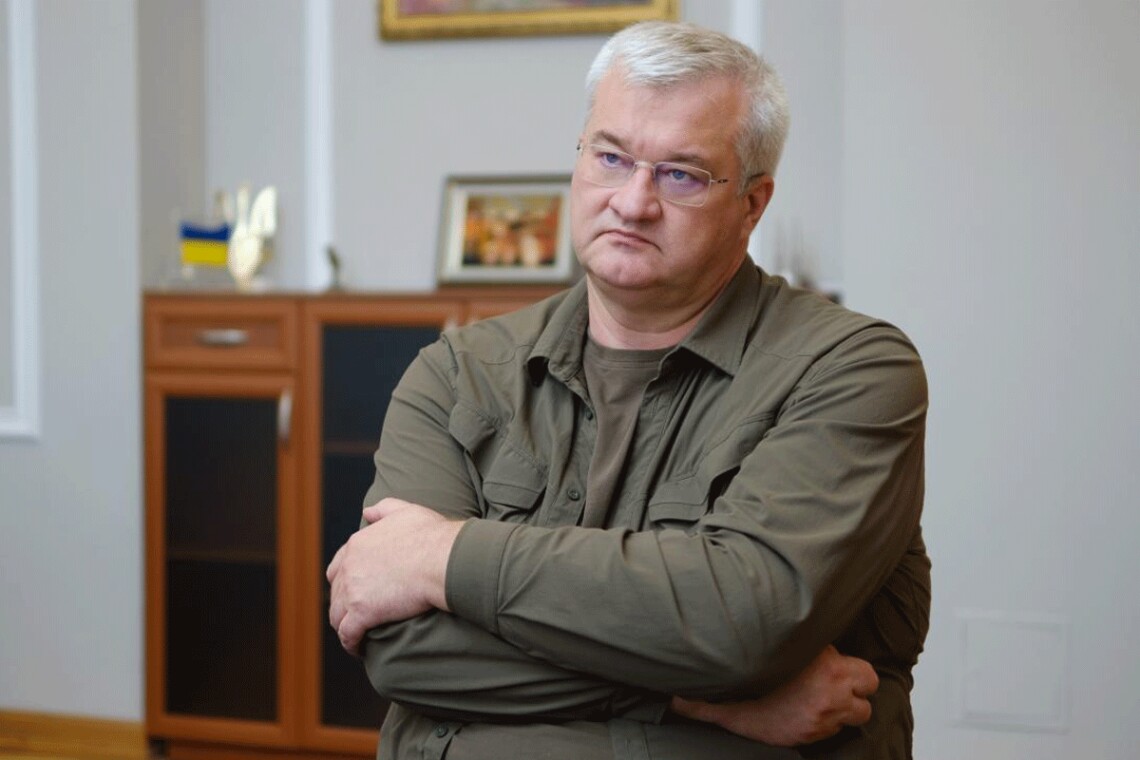
Ukrainian Foreign Minister Andriy Sybiga emphasized that Russia’s use of a medium-range ballistic missile near the borders of the EU and NATO represents a serious threat to European security and calls for an international response.
Conclusion
The strike on Lviv with a long-range ballistic missile demonstrates further escalation by Russia and an expansion in the geographic use of advanced missile systems. Attacks on critical infrastructure near EU and NATO borders increase regional security risks and underscore the need for a strengthened international response to Moscow’s actions.