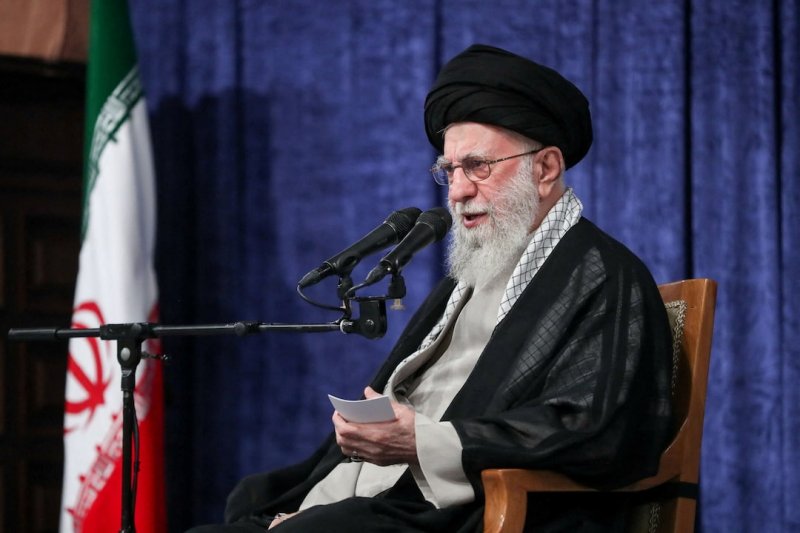


The Supreme Leader of Iran, Ali Khamenei, has once again resorted to harsh and emotional rhetoric directed at both internal opponents and the United States. In his statements, he combined historical parallels, accusations of “mercenarism,” and personal attacks on Donald Trump. The central motif was the idea that the Islamic Republic was established through sacrifice and has no intention of retreating. Khamenei also sought to delegitimize any support for the West within the country. His words indicate a desire to mobilize society through fear and confrontation.
Khamenei’s Rhetoric
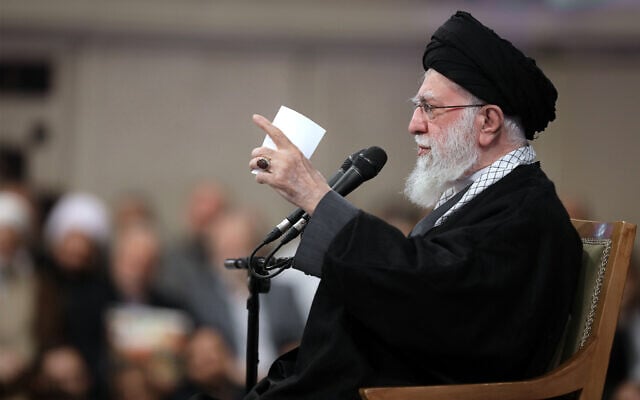
In a brief address broadcast by state television, Iran’s Supreme Leader Ali Khamenei emphasized that the existence of the Islamic Republic is built upon sacrifice.
“Everyone should know that the Islamic Republic has come to power through the blood of hundreds of thousands of noble human beings, and it will not retreat in the face of saboteurs,” Khamenei said.
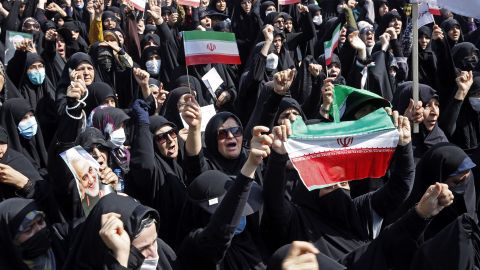
He spoke sharply about internal critics who, in his view, act in the interests of foreigners. In his interpretation, cooperation with foreigners automatically signifies a betrayal of national interests and a complete loss of legitimacy in the eyes of Iranian society.
Khamenei’s rhetoric is aimed at forming a clear line of division: loyalty to the regime or treason. He characterized protests and unrest as an attempt to “please Trump,” asserting that Iran “will not back down.” This approach allows the authorities to explain any internal dissatisfaction as external influence, without acknowledging the social or economic causes of the protests.
Statements Regarding Trump
Khamenei paid special attention to Donald Trump. He stated: “His hands are stained with the blood of over a thousand Iranians.”
Referring to the June attacks, Khamenei said:
“In the twelve-day war, a thousand and some of our compatriots—aside from the commanders, scientists, and dignitaries, from the ordinary people—were martyred. This person said: ‘I gave the order; I commanded during the war.’ So, he confessed that his hands are stained with the blood of Iranians. Then he says: ‘I am a supporter of the nation of Iran.’ And a handful of inexperienced, inattentive, and unthinking people believe it, accept it, and act according to his desires.”
Concluding his speech, the Iranian leader turned to historical parallels, stating that all tyrants—from Pharaoh to the representatives of the Iranian monarchy—were overthrown at the peak of their self-confidence, and a similar fate, according to him, awaits Donald Trump. Thus, Khamenei’s statement not only demonstrates harsh rhetoric but also signals Iran’s readiness to continue positioning itself as an ideological opponent of American influence in the Middle East.
Conclusion
Ali Khamenei’s statements demonstrate not only hostility toward the US but also a fear of internal challenges. Through the image of an external enemy, he attempts to strengthen the regime’s legitimacy and suppress dissent. The rhetoric of blood and threats indicates a reliance on mobilization through conflict. At the same time, it deepens Iran’s international isolation. The louder these statements become, the more evident it is that internal tension within the country is only growing.