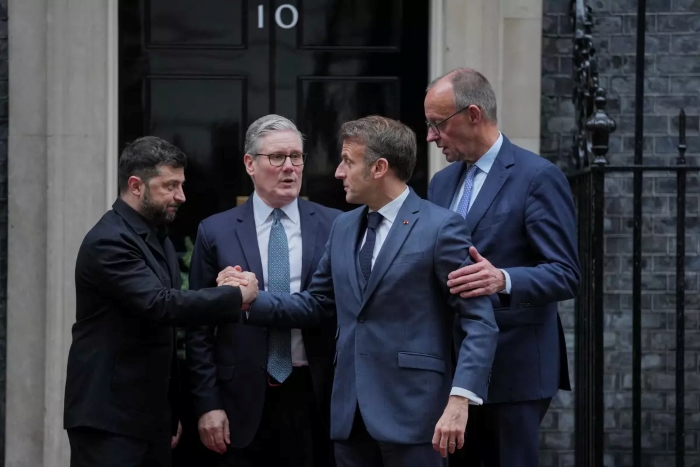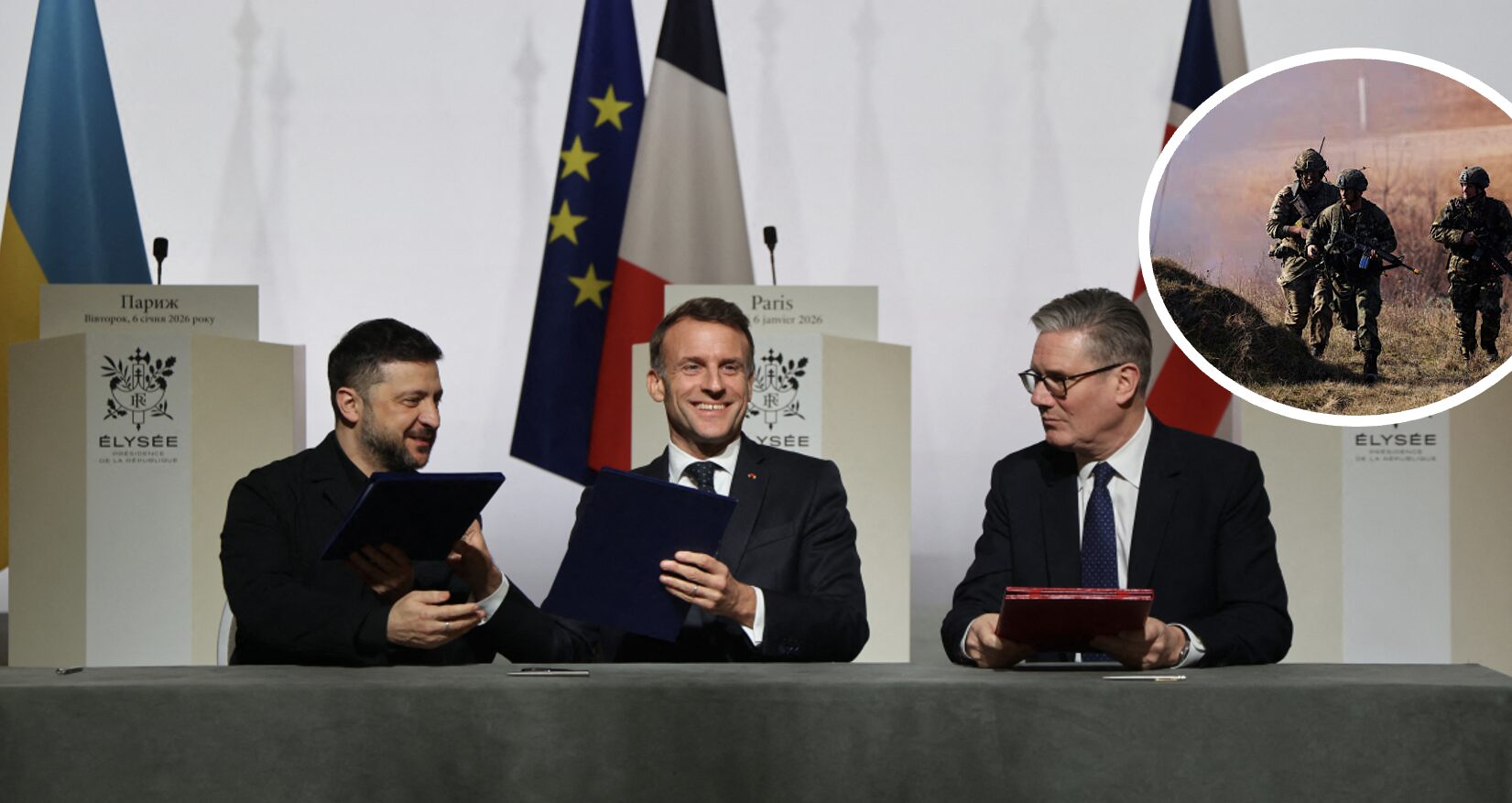
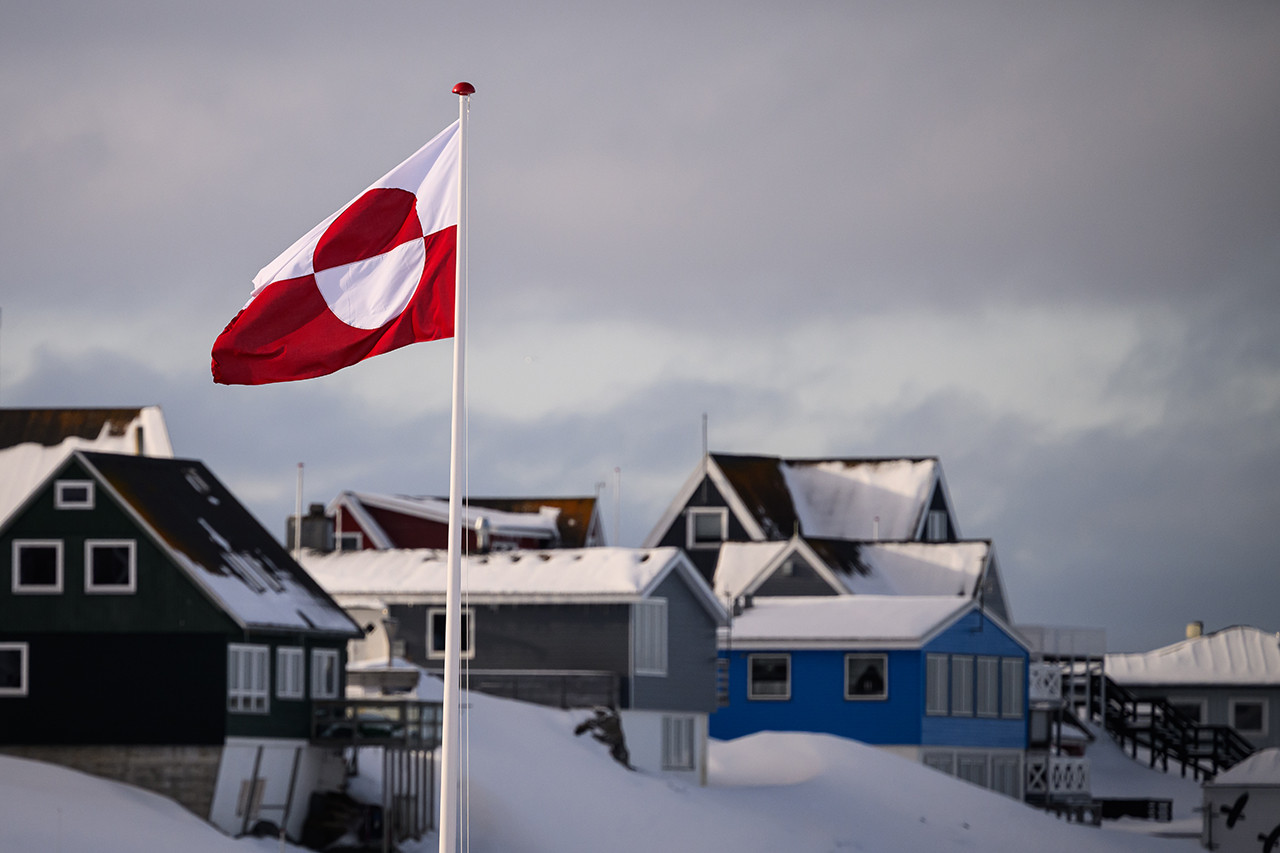


European Union countries are considering several possible courses of action to prevent Greenland from coming under U.S. control amid statements by President Donald Trump. Politico reports this, citing European diplomats, officials, and security experts.
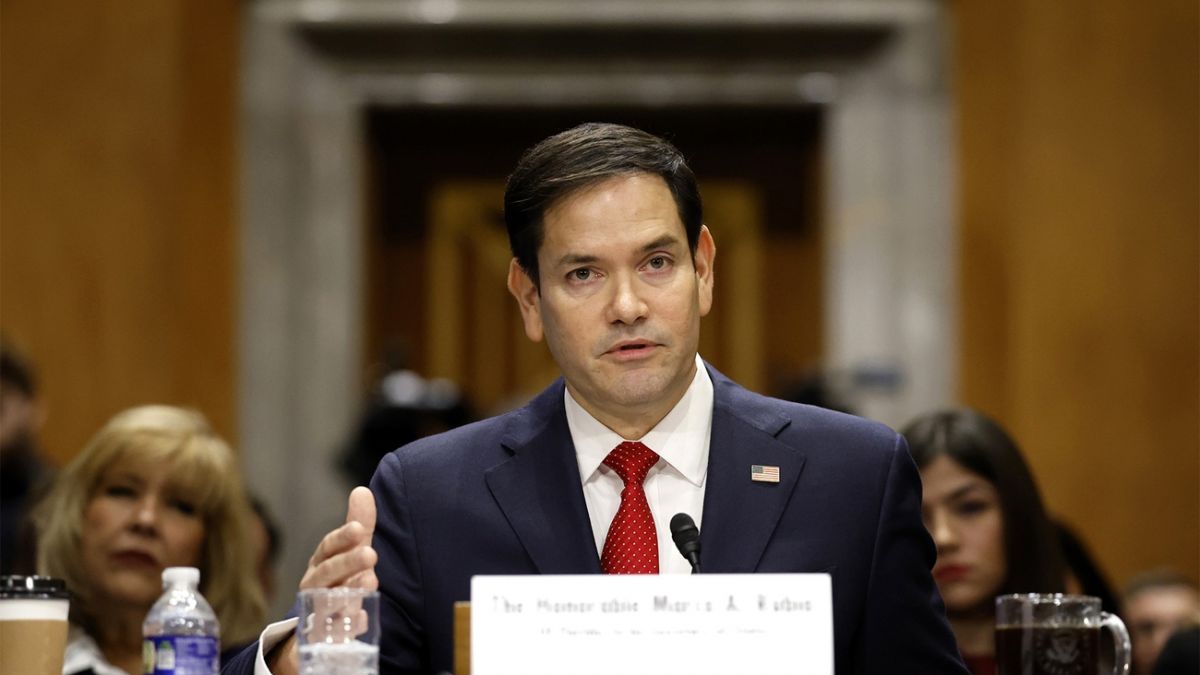
U.S. Secretary of State Marco Rubio has already announced talks with Danish officials regarding the possible purchase of the island. The White House emphasizes that a diplomatic path is preferred, although the use of force is not formally ruled out.
Against this backdrop, the foreign ministers of France, Germany, and Poland discussed a coordinated European response. French Foreign Minister Jean-Noël Barrot stressed that Greenland is not for sale and cannot be seized by military means.
First scenario: seeking a compromise with the U.S.
The fastest way to avoid escalation in Europe is seen as a compromise option. This would involve negotiations that would allow Donald Trump to present the outcome as a political victory, while not calling into question Denmark’s sovereignty or Greenland’s status.
Second scenario: strengthening Greenland financially
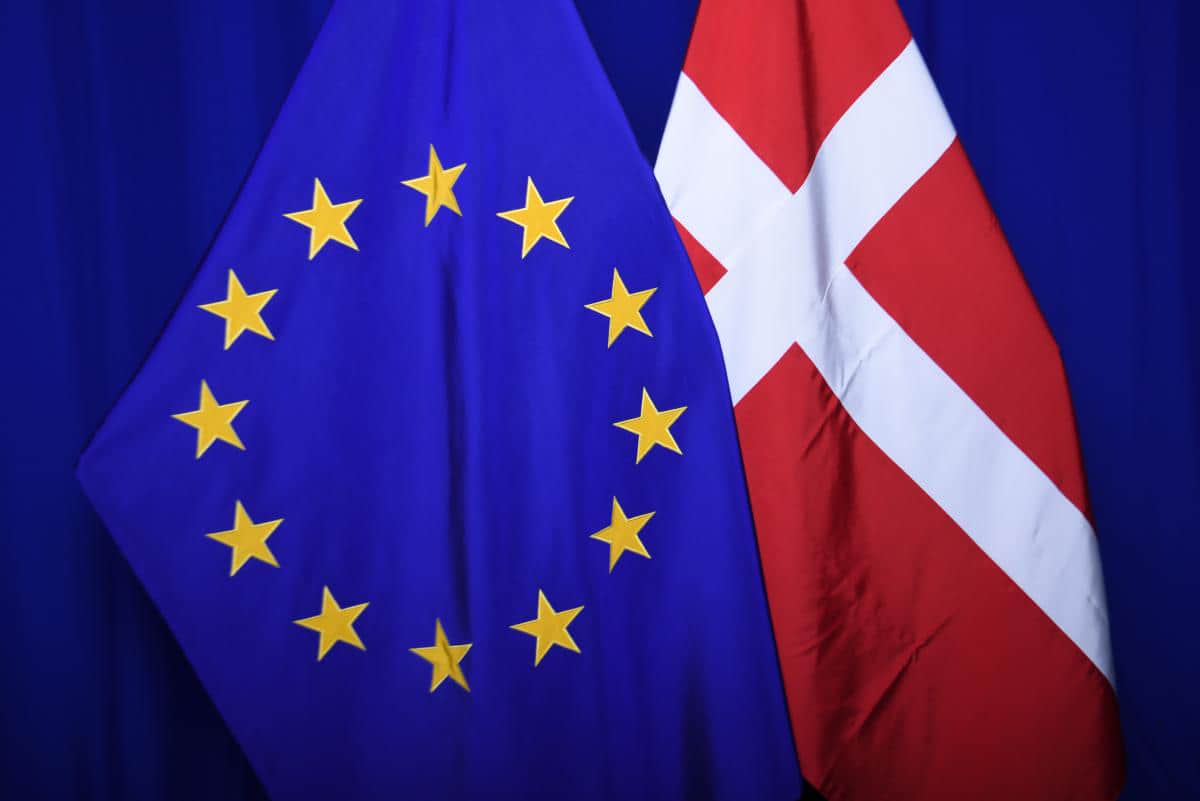
Another option involves significantly increasing financial support for the island from Denmark and the European Union. In this way, Brussels aims to make the European offer more attractive than the American one.
The EU is already planning to more than double its spending on Greenland after 2028. According to long-term budget plans, funding could reach around €530 million over seven years.
Third scenario: economic pressure on Washington
Another instrument being considered in Brussels is an economic response. The European Union could activate its anti-coercion mechanism — the so-called “trade bazooka” — which allows it to respond to trade pressure or discriminatory actions.
This tool was already discussed during EU–U.S. trade disputes in Trump’s first presidential term, but its use was postponed after agreements were reached.
Fourth scenario: deployment of European troops
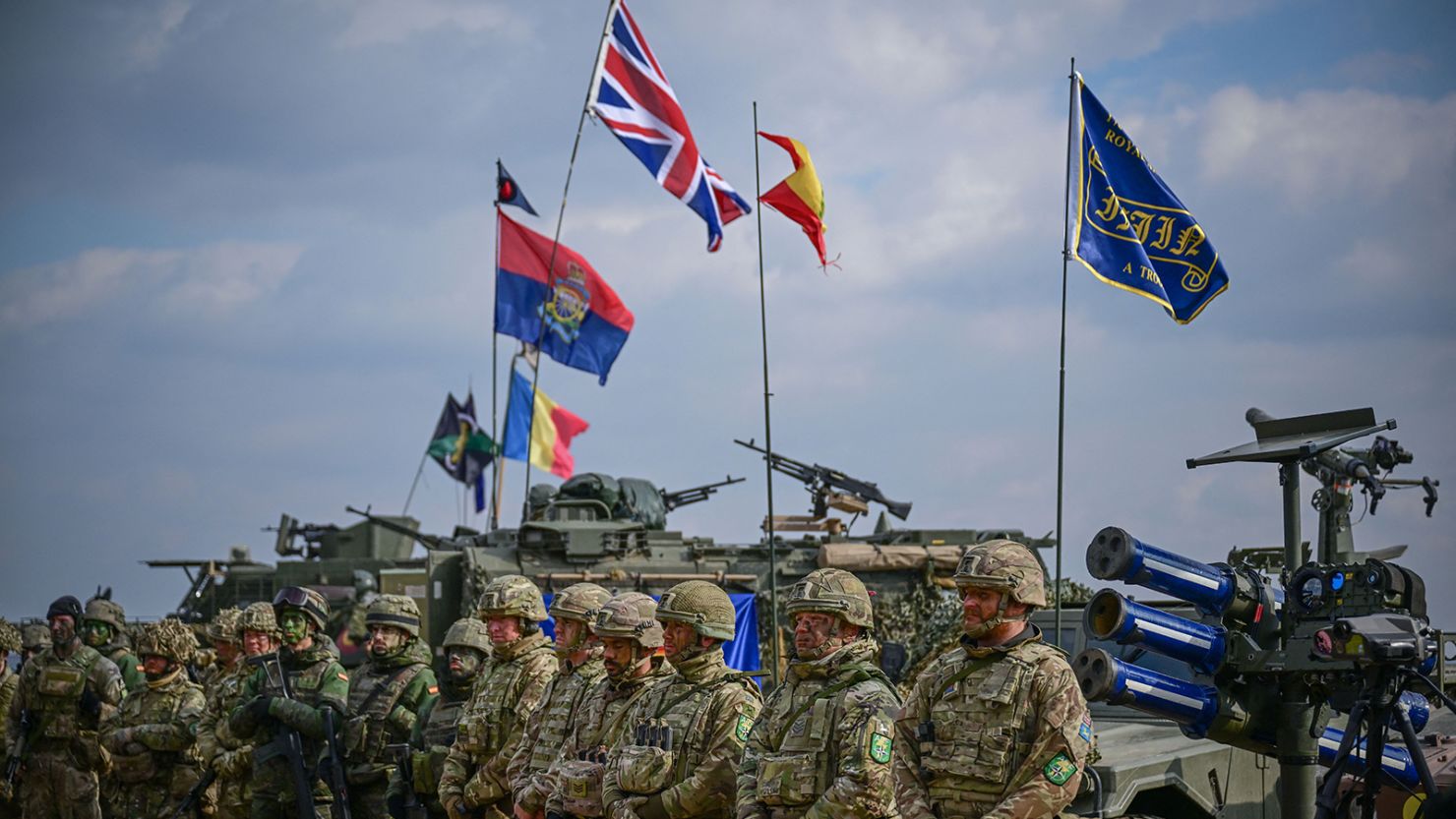
The most radical option is the possible deployment of European troops to Greenland at Denmark’s request. According to experts, such forces would be unlikely to withstand the United States in the event of a large-scale operation, but they could play a deterrent role.
European officials acknowledge that a military escalation around Greenland could undermine NATO unity and create serious security risks in the Arctic. At the same time, the EU stresses that the island’s status cannot be decided through pressure or threats.
Conclusion
The debate around Greenland demonstrates growing tensions in relations between Europe and the United States, while also testing the EU’s ability to act collectively on issues of security and sovereignty.
Brussels is trying to balance dialogue with Washington and the protection of its own interests, while avoiding direct confrontation. Further developments will largely depend on the position of the White House, Europe’s readiness to take decisive steps, and whether the parties can keep the crisis within the bounds of diplomatic agreements.