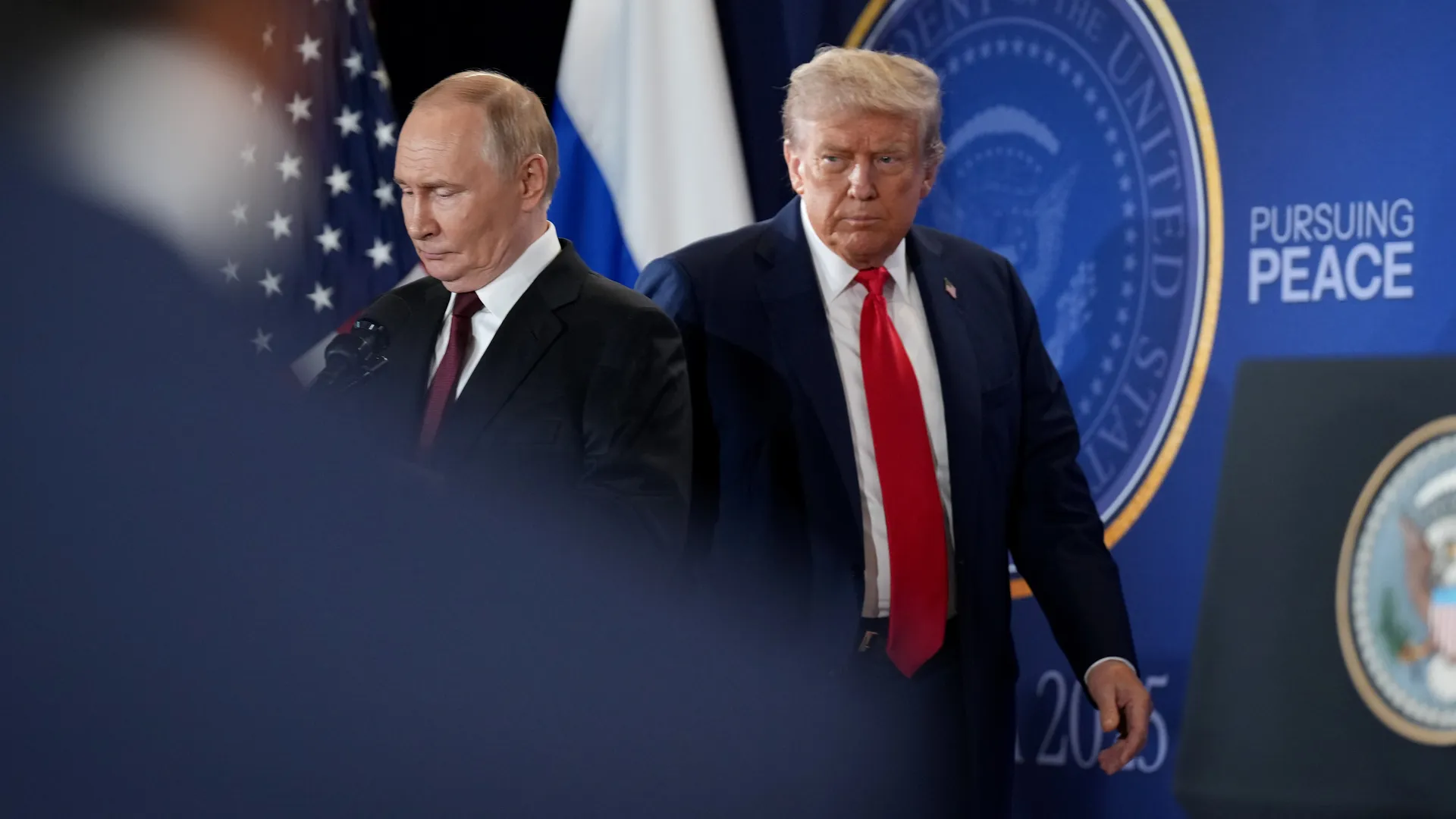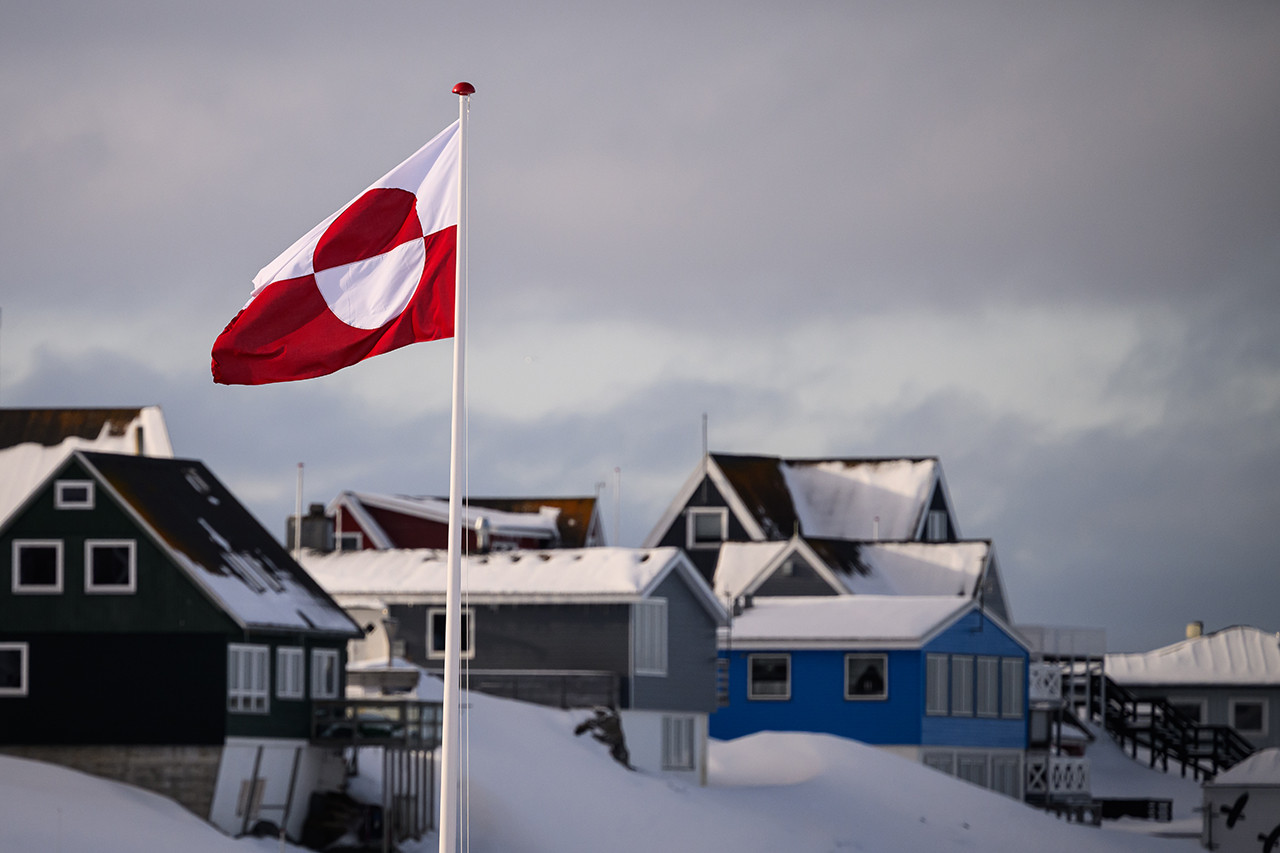
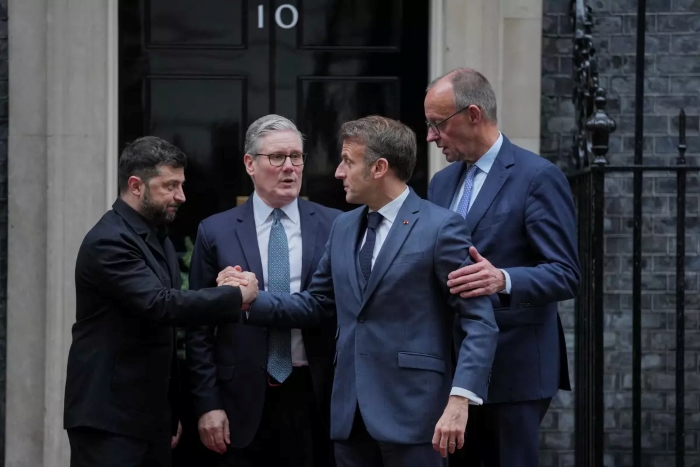


Despite claims of “war fatigue,” Western support for Ukraine has not disappeared, but evolved. Given the threats Ukraine faces, support is increasingly taking on the role of a strategic deterrent.
The war in Ukraine has caused cognitive dissonance among Europe’s population. The desire for economic stability and the need for stronger security measures coexist.
NATO member governments are torn between the need to meet the expectations of their voters and their commitment to supporting Ukraine. As a result, their decisions are becoming softer and more compromise-oriented. A lack of coordination and shared understanding among EU leaders significantly slows decision-making.
But does all this indicate that “Europe is tired of Ukraine,” or that it is becoming increasingly difficult to talk about Ukraine in the face of internal crises?
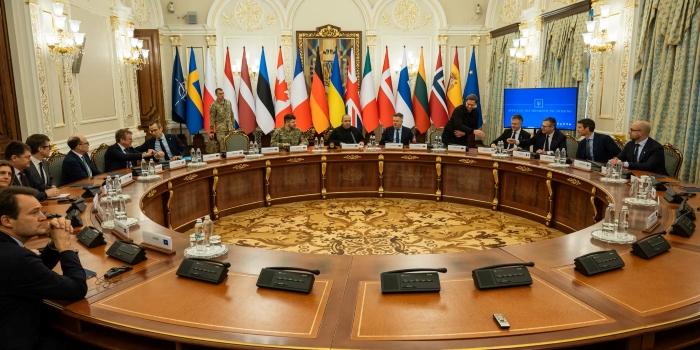
When the media normalizes “fatigue”
Freedom of speech is an integral part of democracy. Modern technical capabilities open up access to the public through social networks, websites, and other digital resources. Everyone can publicly voice their own position, find like-minded people, and expand their influence. This contributes to the emergence of “experts” with questionable competence. Their theories enrich an information environment already saturated with manipulation, propaganda, and disinformation.
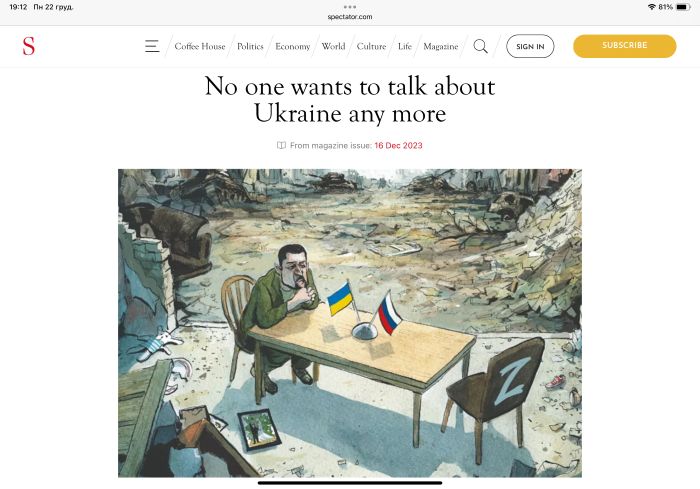
A prime example is the article “No one wants to talk about Ukraine anymore,” which was published in December 2023 in The Spectator. Its author is Lionel Shriver, a literary journalist. The article compares the murder of Ukrainians, the kidnapping of children, and many other crimes committed by Russia against Ukraine with a literary storyline.
This framing reduces complex humanitarian and emotional catastrophes to narrative logic, which has “tired” readers and made it less attractive as a “story” for discussion. The responsibility for making unpopular political decisions is shifted onto an “uninteresting plot.” As a result, human grief risks being presented in an emotionless, distanced format that simplifies perception and devalues the suffering of Ukrainians.
The emergence of the idea that “no one wants to talk about Ukraine anymore” because it is no longer interesting as a literary story is not only harmful, but in the long run it may lead to the formation of a public opinion about oblivion and inevitable defeat in the war. This affects the general mood of readers and legitimizes and normalizes this narrative.
Social fatigue is not political distraction
The lack of unity among the political elite in European countries is creating polarization of opinion among the population. Trust in the media is declining, as confirmed by the latest Reuters study for 2025. Audiences increasingly turn to social media for alternative frames of interpretation, where they get the opportunity to consume news quickly and interactively. A sense of involvement is created, thanks to the opportunity to leave comments and express their opinions.
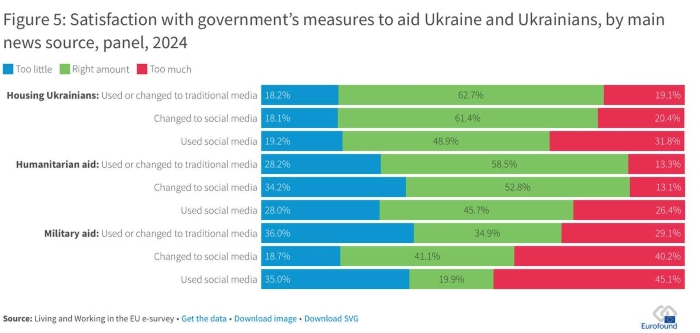
However, the lack of editorial policy and personal responsibility and anonymity create the basis for the spread of Russian propaganda and disinformation. A 2025 Eurofound survey showed that support for aid to Ukraine among respondents who consume news through social media is significantly lower than among those who choose established media.
In these conditions, Russian propaganda systematically exploits the presence of socially sensitive topics. After all, the Russians launch entire information campaigns on the Internet. For example, the special operation “Matryoshka” is aimed at overloading the information space and is most effective where the role of traditional media has declined.
Some information and psychological operations (IPSOs) simplify complex moral dilemmas, generalize, and remove responsibility. The narrative “The West is tired of Ukraine” is dangerous because it explains inaction or slowness in making unpopular decisions, shifts attention from the war in Ukraine to internal processes in European countries, and simplifies the explanation of complex problems, reducing them to the argument of “fatigue.” The Center for Strategic Communications and Information Security (SPRAVDI) describes this construct in more detail in its article “West’s Fatigue with Ukraine”: How Russian Propaganda Constructs a Narrative. This disinformation campaign creates a complex network of messages that casts doubt on the necessity and appropriateness of supporting Ukraine. It can influence public opinion by legitimizing and normalizing this claim.
The conditions for consuming information on social networks make it difficult to verify messages and create increased vulnerability to disinformation, in particular due to the difficulty of distinguishing verified news from information operations without a confirmed source. Receiving “ready-made” conclusions from opinion leaders, experts, or pseudo-experts contributes to the reduction of critical thinking. Therefore, generalizations such as “No one wants to talk about Ukraine anymore” or “The West is tired of Ukraine” are accepted as fact without the need for additional explanations or evidence, which affects the general sentiment regarding support for aid to Ukraine.
Economic factors
Economic issues and opportunities for social mobility and self-realisation tend to be a priority for a part of the EU population. The war in Ukraine and sanctions against Russia have naturally affected inflation and reduced financial opportunities for certain segments of European society. This contributed to a noticeable drop in support for aid to Ukraine among economically vulnerable groups (Eurofound 2025). The report notes that some Europeans who supported providing aid to refugees in 2022, faced with economic difficulties, changed their attitude towards aid in 2024.
At the same time, despite growing economic concerns, 77% of Europeans, according to Eurobarometer data for 2025, consider Russia’s invasion of Ukraine a threat to EU security. This situation indicates that the level of economic security significantly influences attitudes towards supporting Ukraine, sometimes outweighing security considerations in everyday political assessments.
Emotional distancing as a defense mechanism
Russia’s invasion of Ukraine in 2022 shocked the population of the democratic world. It demonstrated the fragility of the world order formed after World War II and the rules by which European societies had lived for a long time. The war dominated the information agenda and mobilized public attention in Western countries.
However, emotional exhaustion has increasingly prompted a return to ordinary life and everyday issues. The change in the informational and social context reduces the desire to return to the topic of the war in Ukraine.
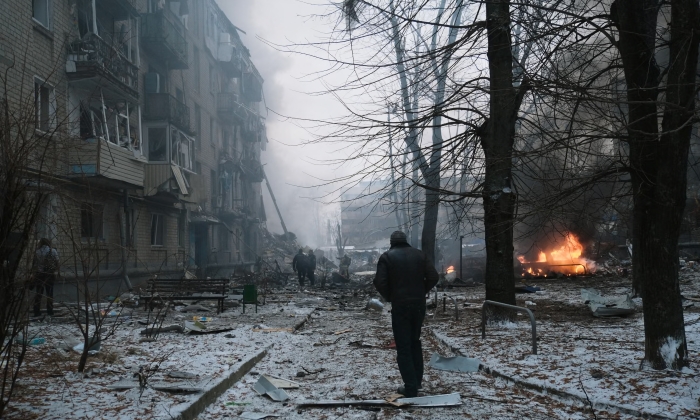
Olesya Khromeichuk, in her article “Ukraine fatigue’: why I’m fighting to stop the world forgetting” for The Guardian, shares her experience of communicating with Europeans. She talks about cases when people avoided talking about the war because it “tires” or “spoils the mood.” Many interlocutors prefer to talk about personal topics, children, and the future avoiding conversations about the war. People living in a different reality find it difficult to emotionally relate their own experiences to the reality of life in wartime.
This article demonstrates the defense mechanisms of societies that do not experience war directly: avoiding the topic of war becomes a way to reduce emotional exhaustion.
Political instability and military threat to Europe
The war in Ukraine is long-term in nature. While Western support was unanimous in the early years, over time, internal problems and conflicts in other regions began to divert the attention of EU countries. The Ukrainian issue is gradually losing its status as an undisputed priority for European countries.
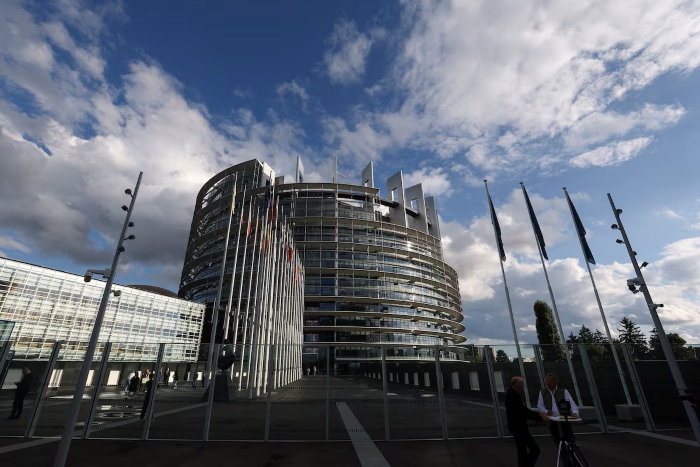
The growth of nationalist parties in EU countries, the uncertainty surrounding Donald Trump’s possible return to the White House, and the unstable situation in the Middle East are distracting European leaders from the Ukrainian issue. At the same time, as Virginie Malingre notes in an article for Le Monde, “Europe’s support for Ukraine flags after three years of war,” although Ukraine is no longer an absolute priority for the West, it is impossible to ignore the war due to the potential consequences for European security.
Political disagreements and fluctuations and economic instability force the leadership of European states to focus more on domestic problems. However, the threat from Russia reminds Europeans of the importance of helping Ukraine. EU member states spent €343 billion on defence in 2024 (EU defence in numbers). In 2025, it is expected to be around €381 billion, an 11% increase compared to the previous year and a 62.87% increase compared to 2020. The increase in defence spending reflects an awareness of the long-term security threat, despite political uncertainties.
Europe is aware of the high probability of further military escalation and is gradually strengthening its own defense capabilities. The West’s actions demonstrate not only rhetoric but also a practical understanding of Ukraine’s role in the collective security system.
Regarding the emotional self-protection of European societies in the context of prolonged wars, Ariane Lavrilleux, deputy editor-in-chief of the French investigative media outlet Disclose, notes a shift in how the public engages with and distances itself from prolonged wars:
From my point of view, French public opinion is divided. The context of nearby wars has led part of the younger generation to take a growing interest in defence issues, and many were not shocked by Emmanuel Macron’s proposal to introduce a form of mini military service. The national education system is increasingly being mobilised to establish partnerships with the armed forces, and there has not been significant resistance among teachers — whereas such initiatives would have been unthinkable just a few years ago.
At the same time, in political and media debates, as well as on social networks, there remains a certain taboo around speaking bluntly about war and about how to prepare for it. Some controversial remarks by Fabien Mandon — such as “France must accept the possibility of losing children” — triggered a very strong backlash. These statements were intended to shock, but they also reflect the current thinking of military leadership, which is neither widely communicated nor understood by the majority of the population.
And for good reason: the military remains a “black box.” Apart from a few retired generals, soldiers rarely speak publicly, meaning that military issues remain confined to an elite, even though they should be the subject of a broader public debate.

Paul Taylor, Senior Visiting Fellow for Defence and Security at the European Policy Centre, questions the usefulness of the term “Western fatigue” and argues that it oversimplifies more structural dynamics shaping public opinion in Europe.
In his view, public attention in democratic societies is generally driven by domestic “bread-and-butter” issues — the cost of living, housing, health care, pensions, education, and internal security. Russia’s full-scale invasion of Ukraine temporarily pushed European security and solidarity with Ukraine to the forefront of public concern, but it would be unusual for this focus to remain unchanged after nearly four years of war with relatively static front lines.
Taylor also notes that perceptions of the Russian threat differ significantly across Europe. Countries geographically closer to Ukraine — particularly in Central and Northern Europe — tend to feel more directly exposed, while this sense of urgency is weaker in Western Europe, despite the increase in hybrid threats such as cyberattacks, drone overflights, and sabotage of critical infrastructure.
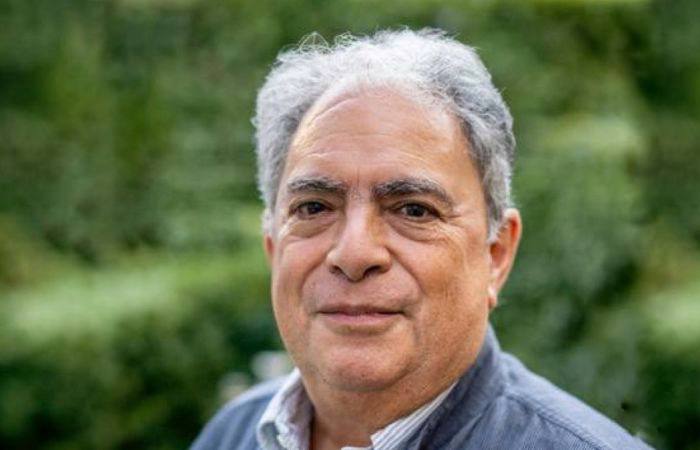
At the same time, polling data continue to show a sustained plurality of public support for military and financial assistance to Ukraine in most Western European countries, with Italy being a notable exception. Importantly, Taylor stresses that there is no significant or organized peace movement actively opposing European support for Ukraine.
I’m not sure that ‘Western fatigue’ is an accurate term, nor that it is a dominant media or political narrative.
Public opinion varies by geography, with those countries closest to Ukraine feeling more threatened than those in Western Europe. Many people in the Baltic and Nordic states and Poland feel that Russia is already at war with them. That feeling is less widely shared in Western Europe — not because hybrid attacks do not exist, but because they do not sufficiently affect people’s daily lives.
There may also be a sense of inevitability among some West Europeans, including in the media, that if the United States were to reach a deal with Russia over the heads of Ukrainians and Europeans, Europe would be unable to prevent it. This reflects Europe’s strategic weakness more than public indifference.
And if the war were to end, even temporarily, on unfavourable terms, I would expect stronger political resistance in Europe to further increases in defence spending — especially if this comes at the expense of health care, welfare, and education.
Conclusion
Europeans are in a state of cognitive and political tension. On the one hand, they are eager to return to normal life, and on the other, they are aware of the growing military threat and are forced to deal with defense issues in the long term.
Support for Ukraine remains relevant, but this assistance is increasingly a tool for deterring threats than solely an indicator of political or emotional priority.Political and economic instability, the influence of Russian propaganda, and emotional fatigue affect the speed and consistency of decision-making by Europeans.
At the same time, individual decisions on military assistance may be made more slowly, despite Europe’s awareness of Ukraine’s need for the necessary resources. It is not just about protecting democratic freedoms but also about collective defense. The war in Ukraine is increasingly seen less as an external conflict and more as a test of Europe’s ability to adapt to a new security reality. That is why the thesis about “fatigue” is more a matter of political choice and information hygiene, rather than a real cessation of support for Ukraine.
Oleksandra Babich