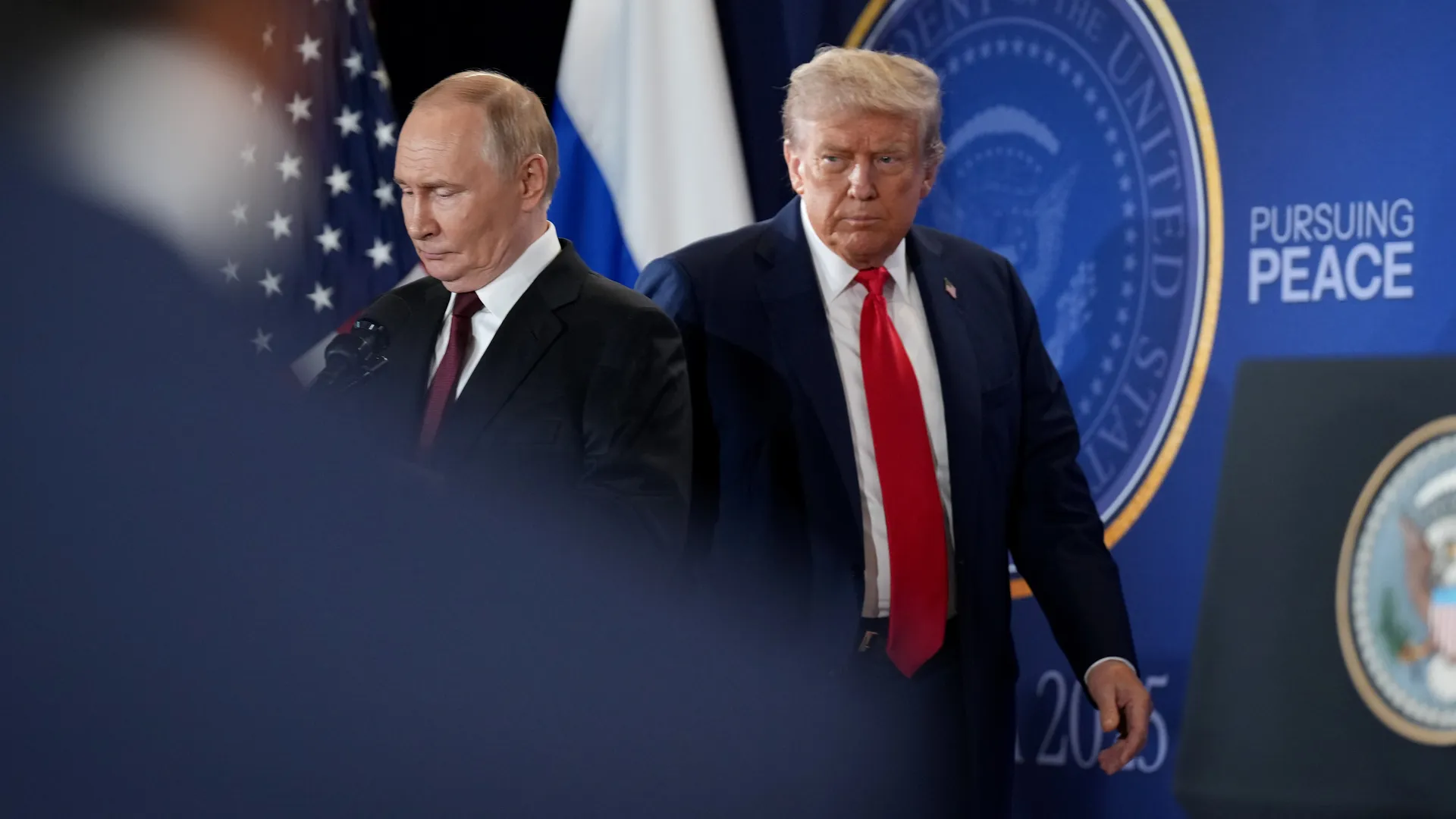


US President Donald Trump has agreed to support a bipartisan bill aimed at strengthening sanctions against Russia, currently being prepared in the US Senate. This was announced by Republican Senator Lindsey Graham on social media platform X following a meeting with the White House leader.
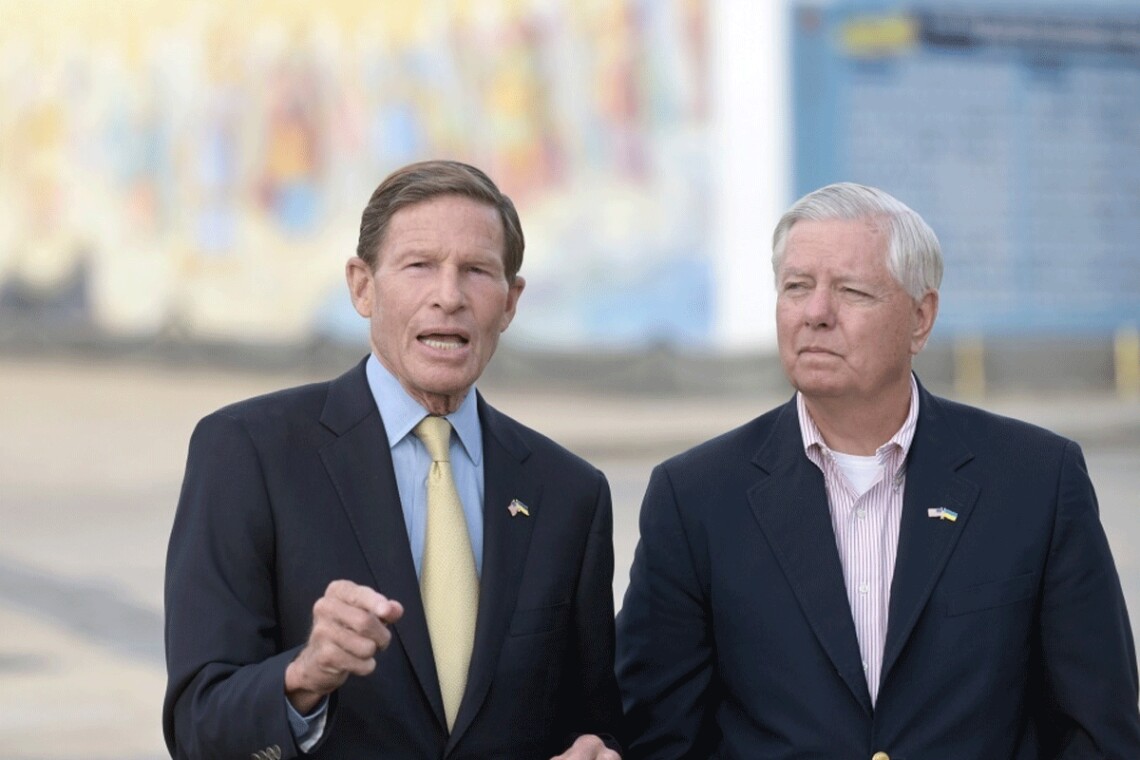
Work on the bill has been underway for several months, with co-authors from both parties, including Democratic Senator Richard Blumenthal. The initiative seeks to increase economic pressure on Moscow in response to its war against Ukraine.
What the bill is about
The legislative proposal, titled the Sanctioning Russia Act of 2025, introduces new mechanisms to impose restrictions on Russia and its trading partners if the Kremlin refuses to engage in peace talks with Kyiv or resumes further aggression.
Key provisions include tariffs of up to 500% on imports of energy resources from Russia, as well as on goods from countries that continue to purchase Russian oil, gas, uranium, and other products that help finance the war.

This is expected to place significant trade pressure on China, India, and Brazil. According to US lawmakers, revenues from these energy exports remain a key source of funding for Russia’s military campaign.
The bill also предусматриває expanded sanctions against Russian financial institutions, restrictions on access to international financial systems, and secondary sanctions on companies supporting Russia’s energy sector.
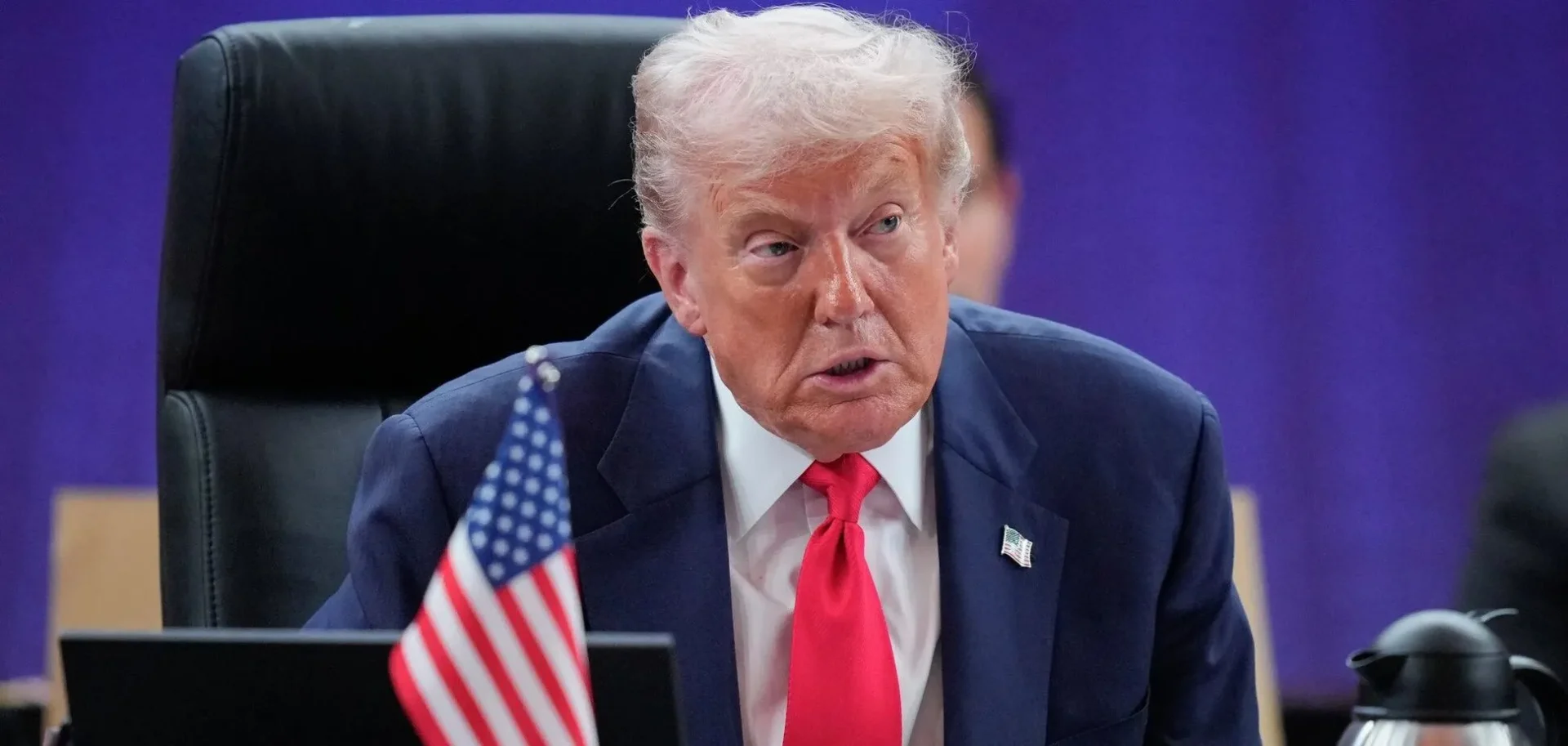
However, the document includes a provision that leaves the final decision on the application of sanctions with the president, reflecting the White House’s position on maintaining executive control over key sanctions decisions.
Political and international context
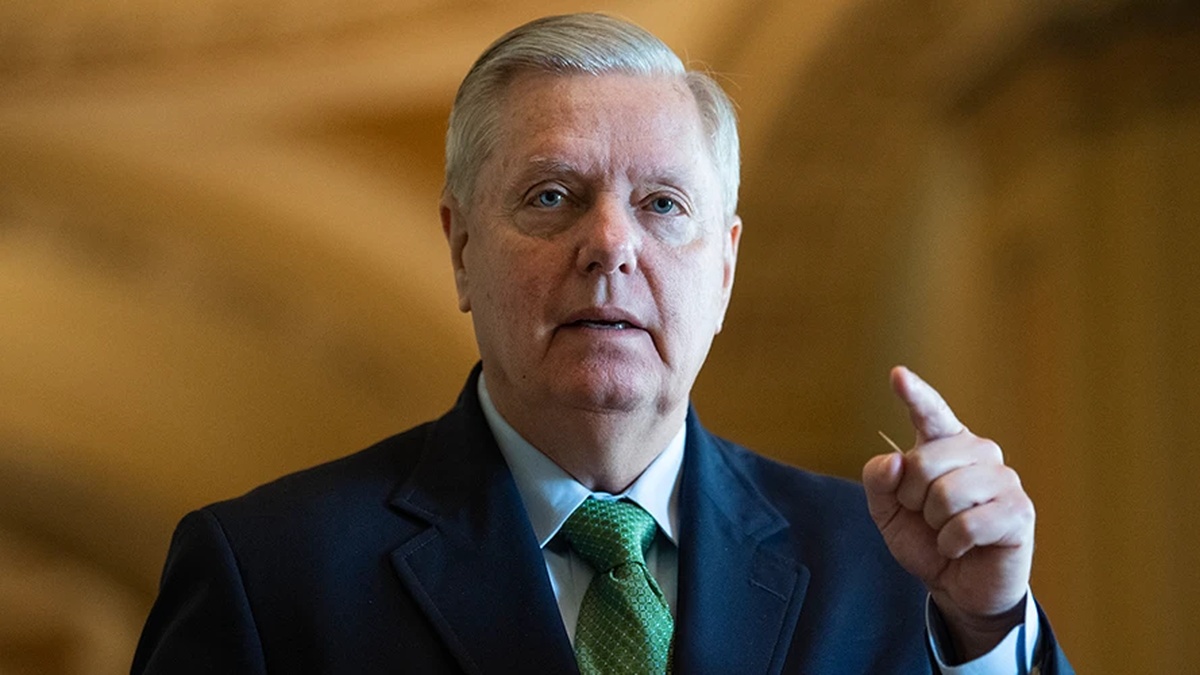
According to Graham, the timing of the bill is appropriate, as Ukraine is showing readiness for certain concessions in pursuit of peace, while Russia continues military operations despite rhetoric about negotiations. The initiative aims to curb Russia’s energy revenues used to sustain its war machine.
The senator added that the bill could secure broad bipartisan support in Congress, potentially allowing it to overcome a presidential veto. Trump has previously stated that he does not oppose sanctions, provided he retains final authority over their implementation.
Conclusion
Trump’s support for the bipartisan sanctions bill signals growing consensus in Washington on the need for tougher economic pressure on Moscow.
The initiative could significantly affect not only Russia’s economy but also countries that continue energy cooperation with Moscow, making sanctions evasion more difficult.
At the same time, preserving the president’s decisive role in enforcing the measures leaves room for political maneuvering by the White House, making the bill’s future dependent on developments in negotiations over the war in Ukraine and the broader international context.