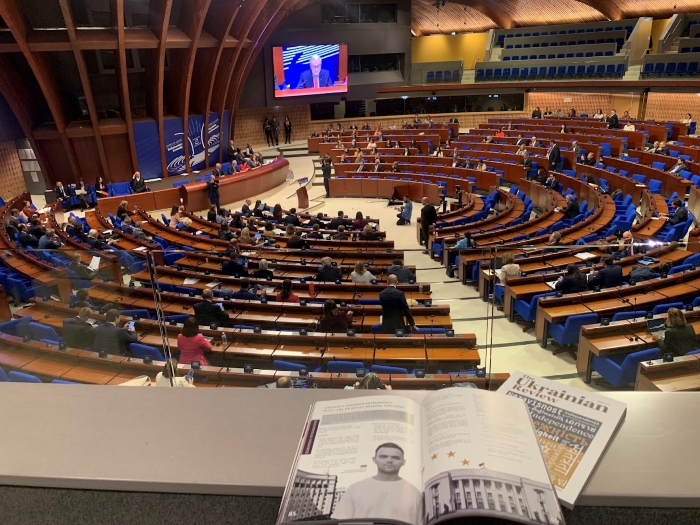


The British government has announced it is withdrawing its initiative to leverage approximately £8 billion in frozen Russian assets, currently held in UK banks, to provide financial support to Ukraine. The proposal was closely linked to a similar initiative within the European Union—a “reparations loan” secured by Russian assets. However, that initiative failed at the EU summit due to significant legal and political hurdles. Britain has decided not to act unilaterally without coordination with international partners, specifically the EU, Canada, and Australia, emphasizing that the issue of financing Ukraine requires a unified approach.
The withdrawal of this plan is part of a broader shift: EU leaders recently agreed to provide Kyiv with a €90 billion loan funded through the bloc’s budget, which avoids using Russian assets as collateral and bypasses direct confiscation. British officials maintain that their support for Ukraine remains “unwavering,” pointing to other financial instruments and ongoing military aid. Nevertheless, the strategy regarding frozen assets has become a subject of intense debate and criticism, raising questions about the effectiveness of allied approaches in pressuring Moscow.
An Ambiguous Reversal: What Happened
Britain originally intended to utilize approximately £8 billion in frozen Russian assets to aid Ukraine. However, after a similar strategy failed to gain traction at the EU summit, London opted to abandon this specific approach in the absence of a synchronized international effort.
According to a report by the Financial Times, citing government sources, London will not proceed with the plan. Government representatives stated they would not act “without international partners” and will continue to collaborate with the G7 and the EU on Ukraine’s financing.
“British officials stated on Friday that London will not unilaterally use frozen Russian assets to aid Kyiv, as it had planned to do so only in conjunction with Australia, Canada, and the EU,” the statement noted.
The decision was driven by concerns over legal risks, including potential retaliatory lawsuits from Russia and anxieties within the banking sector regarding the long-term consequences of such expropriation.
Why London Avoided the Risk
Officially, the United Kingdom explains its refusal to act unilaterally as a commitment to international coordination and solidarity. A government spokesperson emphasized that Britain’s actions were framed within the context of collective agreements with Western allies. The government noted it would instead focus on alternative financial mechanisms, such as World Bank credit guarantees, to address Ukraine’s immediate needs.
Furthermore, the UK government reassured that its support for Ukraine remains “steadfast,” confirming that London will continue to provide military aid and other forms of assistance. Chancellor of the Exchequer Rachel Reeves affirmed that the country would work “immediately” with partners to ensure Kyiv receives the necessary funding.
Overall, this move is viewed as part of Great Britain’s long-term strategy to support Ukraine amid ongoing Russian aggression while maintaining financial stability.
The International Context
The UK’s retreat reflects a broader trend: both the EU and its individual member states have stepped back from the direct seizure of Russian assets due to complex legal, political, and economic barriers. Instead, EU leaders approved a €90 billion loan for Kyiv sourced from the union’s budget, circumventing the issue of direct confiscation. This compromise was a reaction to significant resistance from certain EU member states and the associated legal risks.
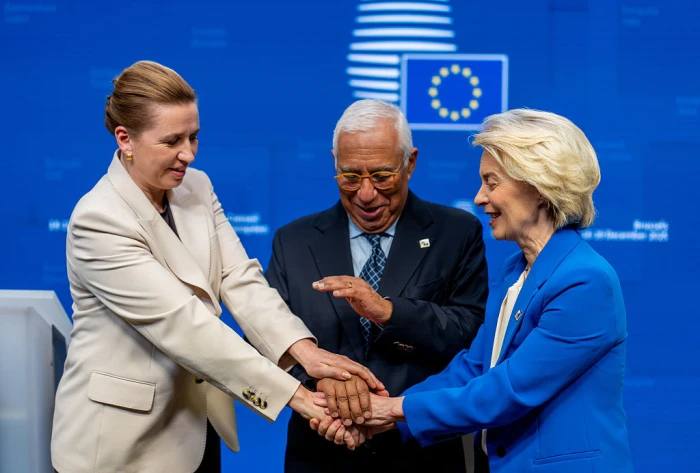
The refusal to directly utilize Russian assets demonstrates the limitations of the financial tools the West is willing to deploy in support of Ukraine. Despite a political readiness to increase pressure on Moscow, many countries remain cautious due to potential legal repercussions and risks to the stability of the international financial system. Consequently, priority is given to mechanisms that do not set a precedent for the forced confiscation of sovereign assets, even if these measures appear less decisive.
Conclusion
The British decision to step back from using frozen Russian assets for direct support to Ukraine serves as a significant signal regarding the challenges the West faces in finding common ground for pressuring the Kremlin. London has made it clear that it will not act independently without broader international backing, even if it means foregoing a substantial sum that could have been directed to Ukraine. This decision underscores how legal and financial risks have become defining factors in modern geopolitics, where even the strongest intentions must navigate complex global realities. Meanwhile, the United Kingdom continues to seek alternative avenues for support, remaining a key partner in the Western coalition.