

Kyrylo Budanov has outlined how critical U.S. intelligence support is for Ukraine’s defense. According to his assessment, even a termination of free access to optical satellite imagery would have serious consequences. Ukraine would lose approximately 15–17% of its operational capabilities. The impact of losing radar imagery would be even more severe. In that case, losses could reach around 46%, significantly complicating battlefield awareness and operational planning.
In addition, Reuters has recently reported on U.S. intelligence findings indicating that Russia is preparing to continue the war and go beyond Ukraine.
The Impact of Intelligence Data
U.S. intelligence provides types of data that European partners cannot fully replace. This remains true even with accelerated development of their own systems. American capabilities exceed European ones in terms of data volume, analytical depth, and processing capacity. They also benefit from a much larger pool of specialized analysts.
This imbalance is rooted in fundamental differences in geo-operational reach and budget priorities. U.S. intelligence functions as a global network. It relies on massive investments in technical infrastructure and advanced analytics. Such a structure cannot be replicated by other states or private actors within a few years. Even joint European initiatives would require long-term development.
There is already precedent for using intelligence as a tool of diplomatic pressure. In March 2025, reports indicated that the United States temporarily curtailed intelligence sharing with Ukraine to force Ukraine for concessions.
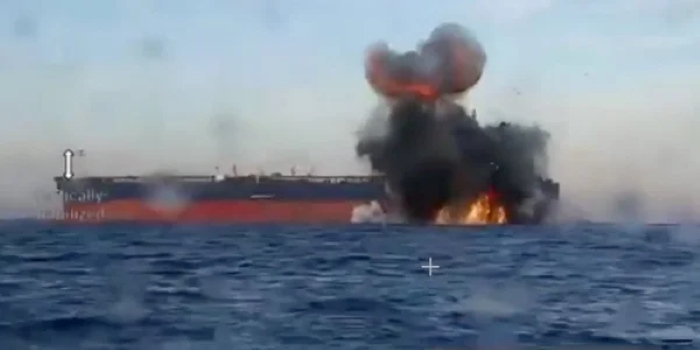
Now the situation may be the opposite. According to The Atlantic, U.S. intelligence has recently supported operations against Russia’s shadow fleet.
Warning for the Future
As reported by Reuters, U.S. intelligence assessments show that Russia’s war aims go far beyond current territorial gains. They remain focused on subjugating Ukraine and revising the European security order. Classified reporting suggests that Vladimir Putin still views full control over Ukraine as an unfinished objective.
These findings unsurprisingly contradict Putin’s public denials of aggressive intent. They also conflict with claims by U.S. President Donald Trump and his negotiators that Moscow seeks to end the war. Since 2022, U.S. intelligence has aligned closely with European assessments. Both conclude that Russia aims to destroy Ukrainian statehood. They also warn of efforts to reassert control over former Soviet bloc territories, including NATO members.
Conclusion
Ukraine’s reliance on U.S. intelligence makes it vulnerable to political leverage during peace negotiations. At the same time, this intelligence provides a clear warning. Russia does not intend to end its aggression. On the contrary, it is preparing to expand it.