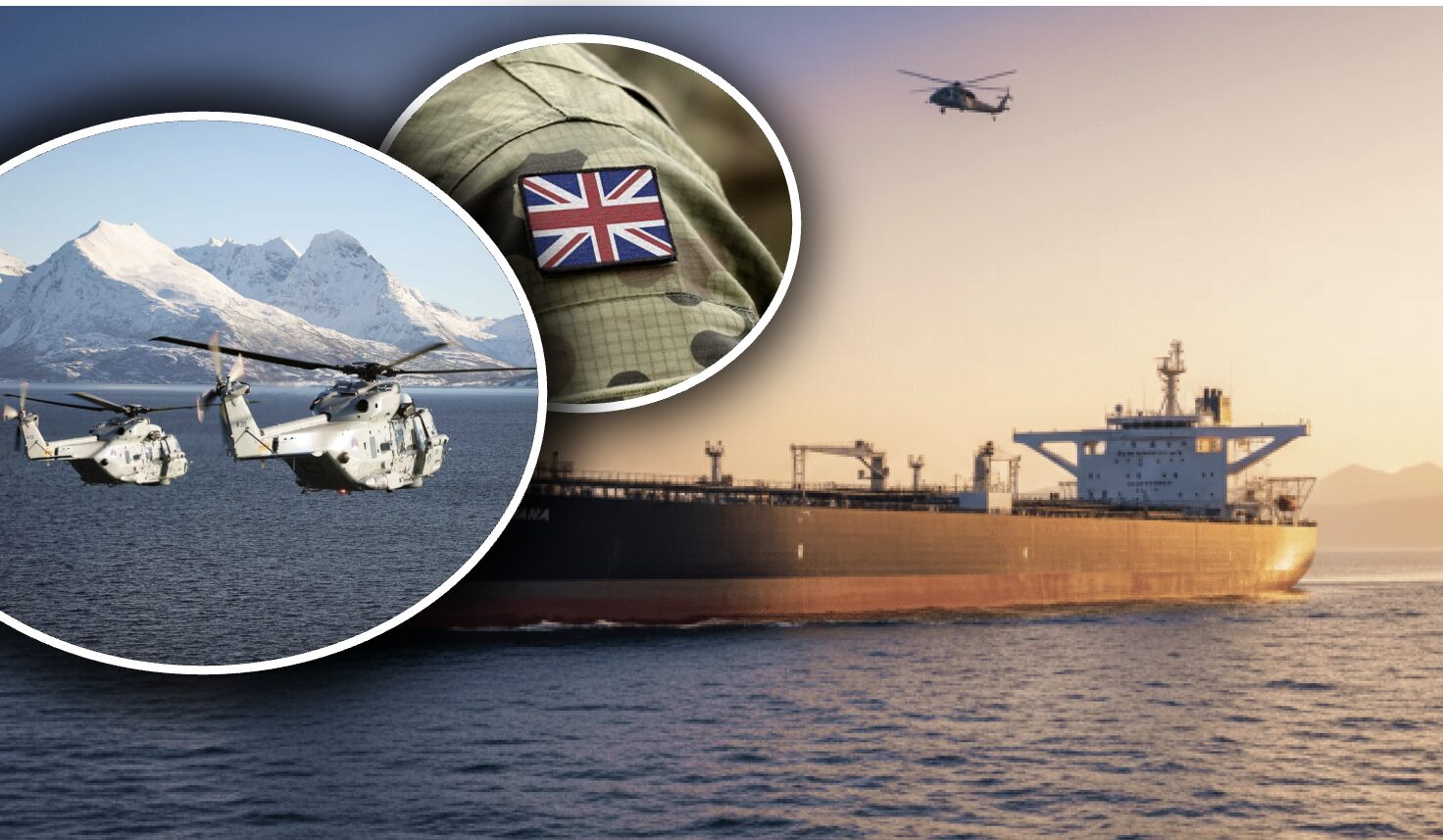


The United Kingdom is considering seizing a tanker linked to Russia’s “shadow fleet.” This move could increase economic pressure on Moscow, The Guardian reports.
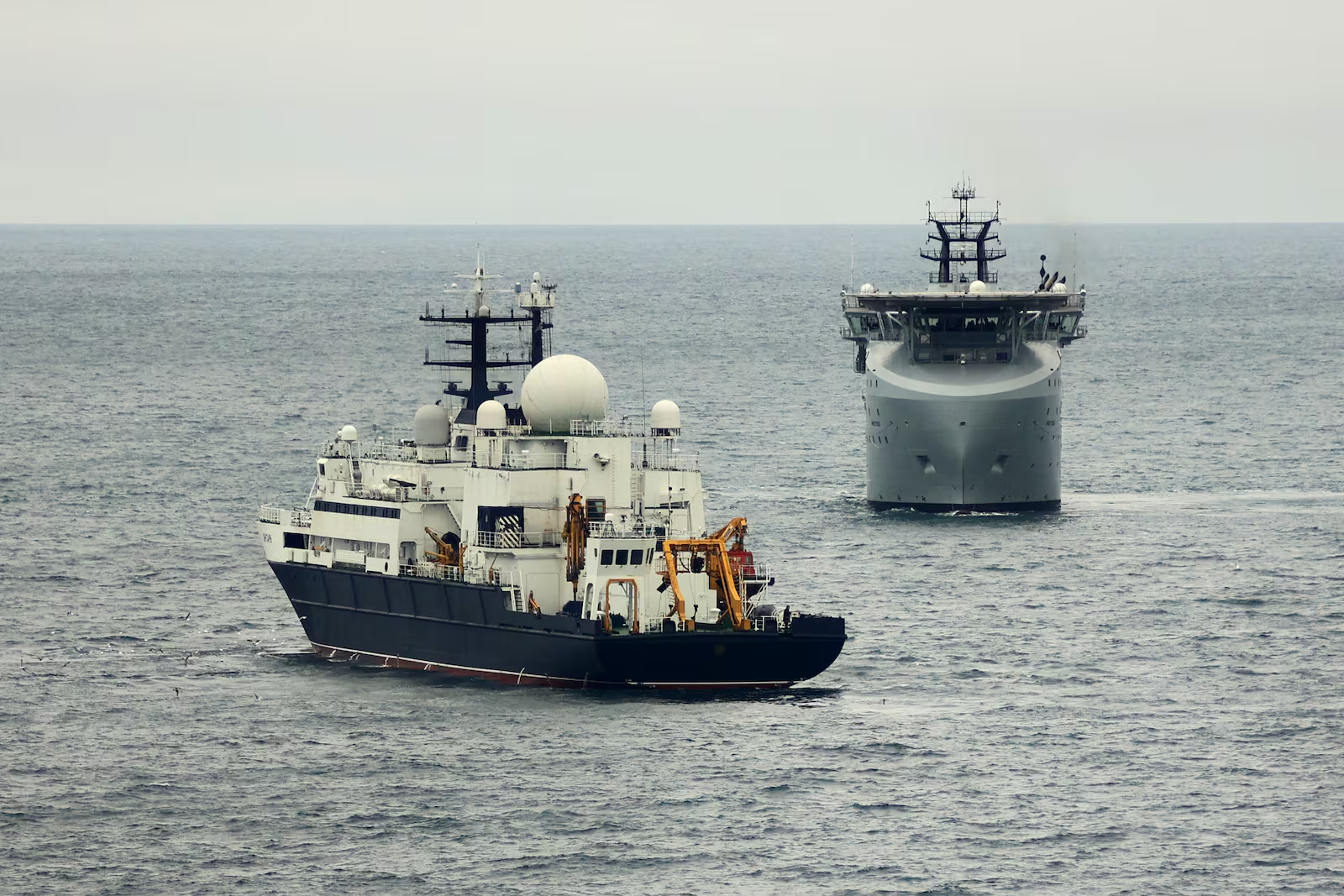
According to the report, British defense sources say that military options for capturing such ships have already been identified. NATO allies are also involved in the plans. However, no action has been taken yet, despite the recent US-led seizure of a tanker in the Atlantic with British support.
Shadow fleet, legal risks, and economic impact
In January, 23 shadow fleet ships with false or fraudulent flags were spotted in the English Channel and the Baltic Sea. Many of these ships carry Russian oil to China, India, and Turkey. A joint statement by the UK, Germany, France, and other NATO countries called on ships to follow international law. However, no seizures have taken place so far, it reports.
Experts cited by The Guardian say the Royal Navy could act under maritime law because some ships are effectively stateless. Yet authorities fear escalation if the operation is led by the UK or Europe. Last month, the US seized the Marinera tanker with British help. The ship had tried to avoid capture by changing its flag to Russian.
The UK is discussing a meeting of Baltic and Nordic countries to consider military options. Defense Secretary John Healey said any seized oil could be sold and sent to support Ukraine.
Russia produces about 10 million barrels of oil per day, of which 5–6 million are exported by sea. After sanctions and price caps, Moscow created a shadow fleet from old tankers. It notes that these ships are poorly maintained, often partially insured, and fly false flags.
Despite drone strikes on several shadow fleet tankers, Russian exports remain above 5 million barrels per day. At the same time, Russia’s oil and gas revenues fell by 24% in 2025, weakening the economy.
It emphasizes that further measures, including an EU ban on maritime services for Russian ships combined with military action, could strongly affect Moscow’s finances.
Earlier, The Ukrainian Review reported that European Commission President Ursula von der Leyen officially presented the EU’s 20th package of sanctions against Russia.