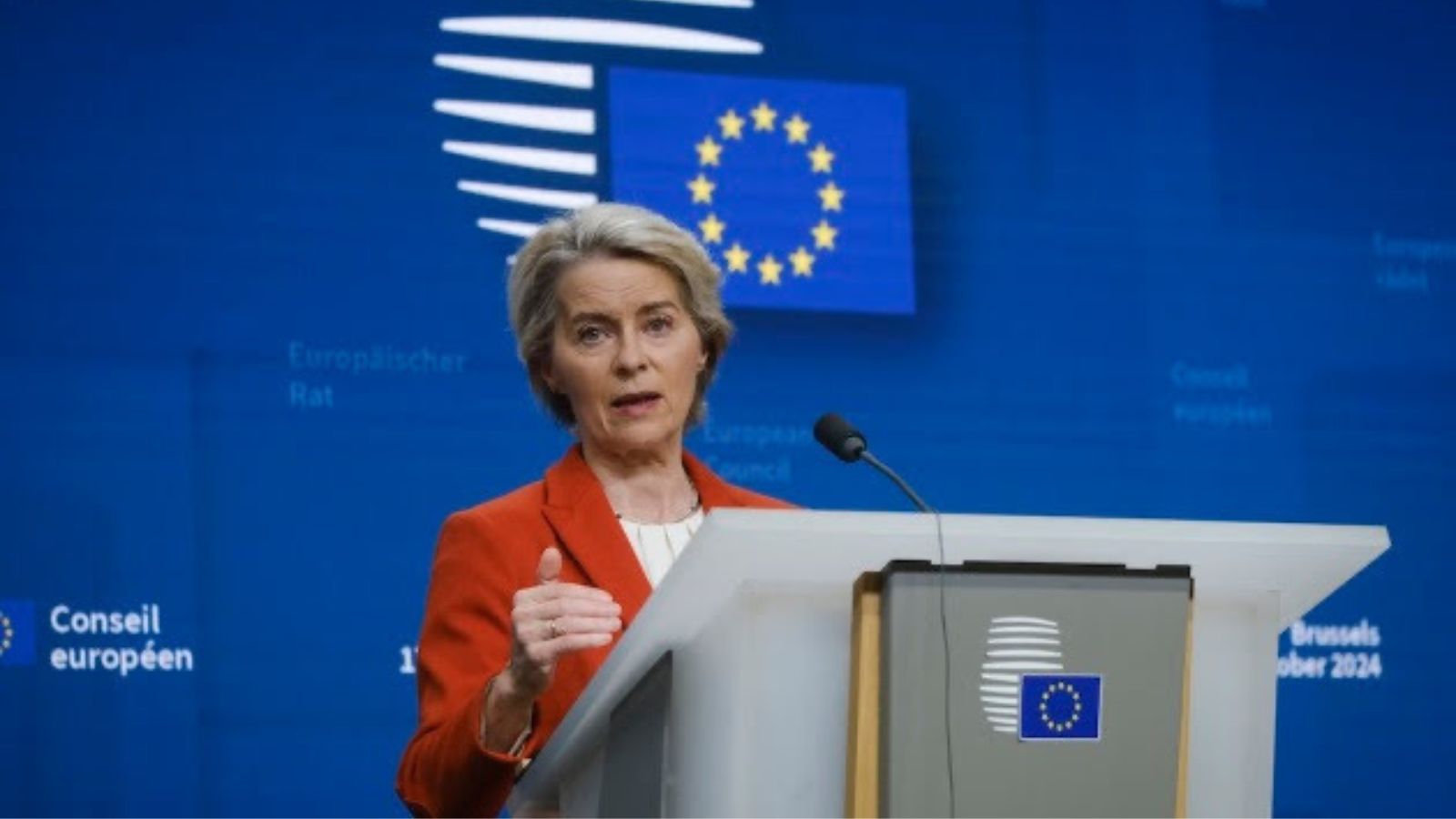


European Commission President Ursula von der Leyen officially presented the 20th package of sanctions against Russia. The new measures target the energy sector, financial services, and trade loopholes. Moscow shows no signs of readiness for peace and continues its war of attrition against Ukraine. Consequently, the EU is increasing economic pressure to force Russia into serious negotiations.
The head of the European Commission reported this in an official statement. A key update is the total ban on maritime services for the export of Russian crude oil. This decision will be implemented in coordination with G7 partners. Furthermore, the EU added 43 more vessels to the “shadow fleet” list, bringing the total to 640. The package also prohibits technical maintenance for Russian LNG tankers and icebreakers to disrupt Arctic gas projects.
Strike on Banking and Tech Evasion
The financial block includes sanctions against 20 Russian regional banks. The European Commission also tightens control over cryptocurrency platforms and companies. These entities often help the Kremlin circumvent existing restrictions. Additionally, the EU will use an anti-circumvention tool for the first time. It bans the export of CNC machines and radio equipment to third countries with a high risk of re-exporting to Russia.
New export bans cover goods worth over €360 million, ranging from rubber products to cybersecurity services. Meanwhile, import restrictions on metals and chemicals exceed €570 million. Von der Leyen noted that Russian oil and gas revenues dropped by 24% in 2025. This decline results in a growing budget deficit and high inflation within the Russian Federation.
Comprehensive support for Ukraine
Europe continues to strengthen its assistance to Ukraine during the full-scale invasion. The EU supplies power generators to support the energy grid and works on a peace plan alongside the USA. Besides sanction pressure, Brussels is preparing a long-term reconstruction program for Ukrainian infrastructure. These measures demonstrate the bloc’s resolve ahead of the fourth anniversary of the Great War.
Previously, The Ukrainian Review reported that the bloc’s countries agreed to provide Ukraine with a €90 billion loan. This aid is aimed at strengthening the state’s defense and financial stability.