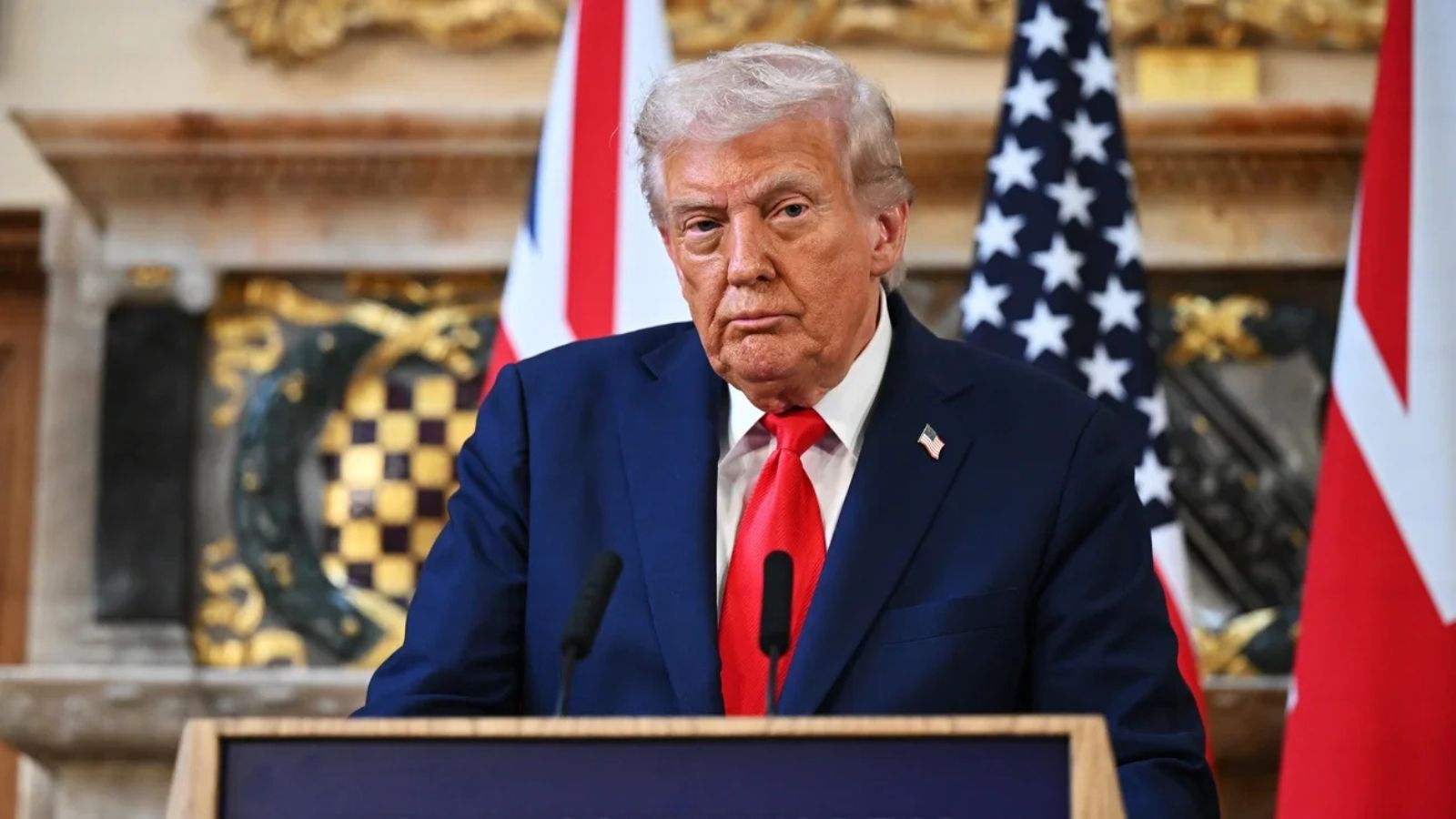


The United States aims to fast-track a peace deal between Ukraine and Russia, but this strategy risks creating conditions for a new conflict. Analysts warn that pressuring Kyiv to cede territory may provide Vladimir Putin with a strategic advantage for a future invasion.
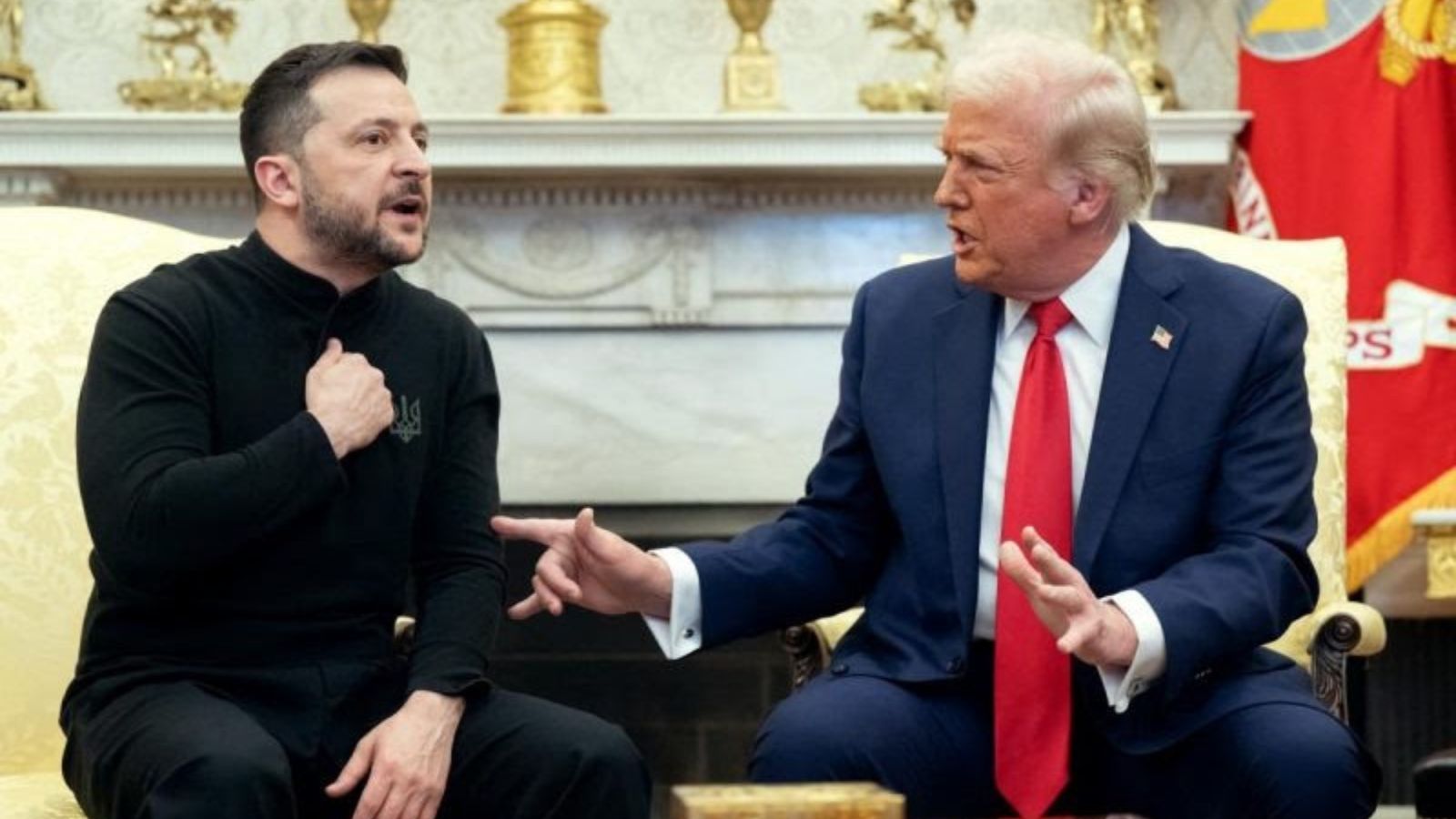
The Telegraph reported that US President Donald Trump sent special envoy Steve Witkoff to negotiations in Abu Dhabi on February 3-4. The primary goal is to reach an agreement regarding the status of the Donetsk region. The Russian army has failed to capture this entire area during nearly four years of full-scale invasion. Consequently, the Kremlin seeks to achieve through diplomacy what it could not win on the battlefield.
Risks of territorial concessions
Transferring Ukrainian-controlled parts of the Donetsk region to Russia poses critical security threats. These areas contain Ukraine’s strongest defensive lines, including the fortress cities of Kramatorsk and Sloviansk. These positions protect the route to the country’s central regions. If Vladimir Putin gains control over these strongholds, he will likely use them as a springboard for a future offensive. Experts emphasize that the Kremlin does not seek lasting peace but rather intends to strengthen its positions for further aggression.
Instead of pressuring Ukraine, the White House could utilize economic sanctions and increase military support. For instance, providing Tomahawk missiles could serve as a powerful deterrent. However, Trump’s current approach might lead to a “false peace” that only delays a larger war.
Kremlin’s actions
While peace talks occur, Russia continues to demonstrate its aggressive intentions. Massive strikes on civilian infrastructure prove that Moscow is not genuinely ready for a ceasefire. Furthermore, the enemy attacked Ukraine amid severe frosts to cause maximum suffering to the civilian population and the energy grid.
Earlier, The Ukrainian Review reported that Russia’s massive overnight strikes raise serious doubts about its peace claims.