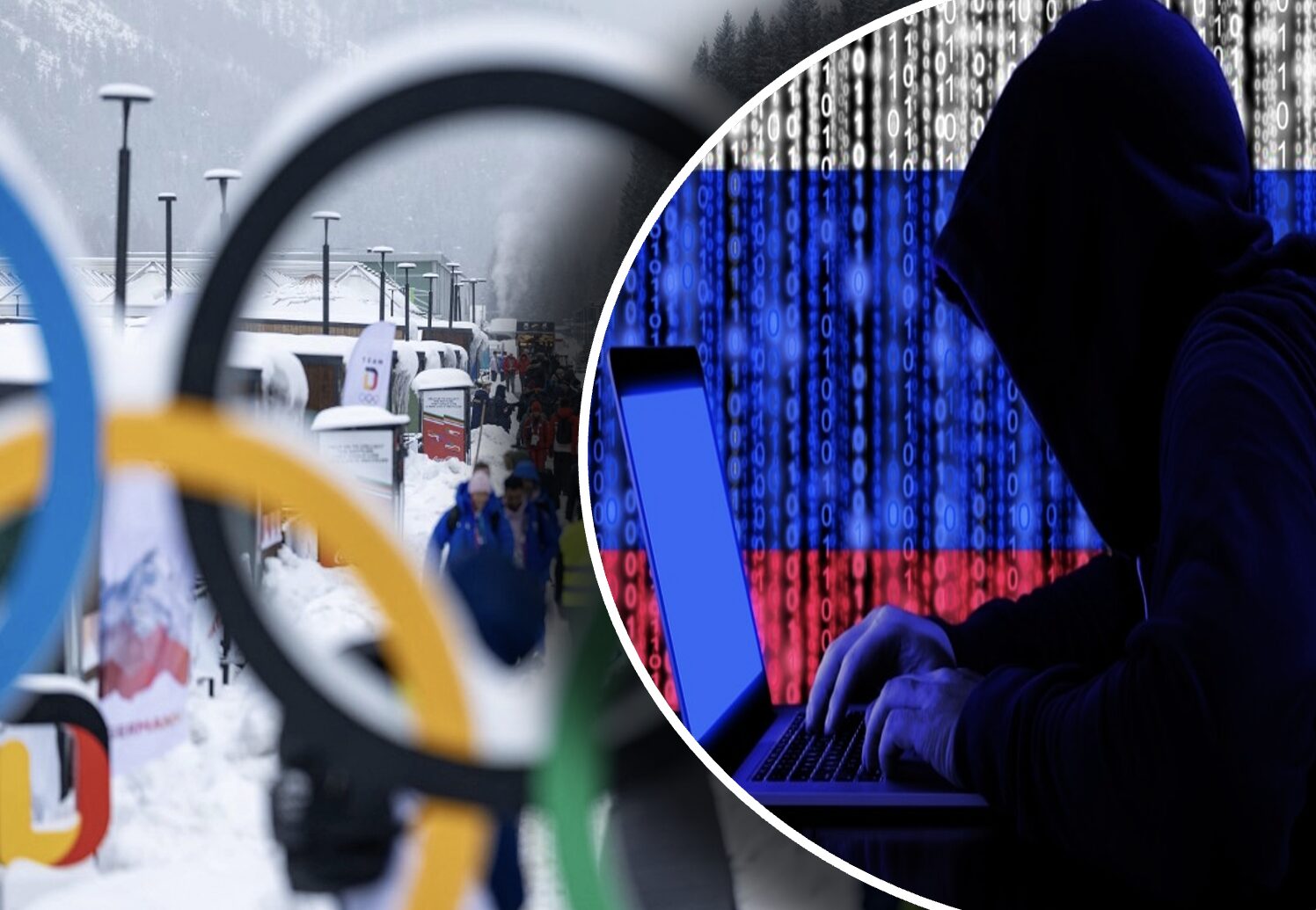


Russian hackers tried to disrupt preparations for the 2026 Winter Olympics. The Games will take place in Italy from February 6 to 22. They carried out a series of cyberattacks on diplomatic missions and other Olympic-related sites. The Italian Foreign Minister Antonio Tajani reported this, according to the ANSA news agency.
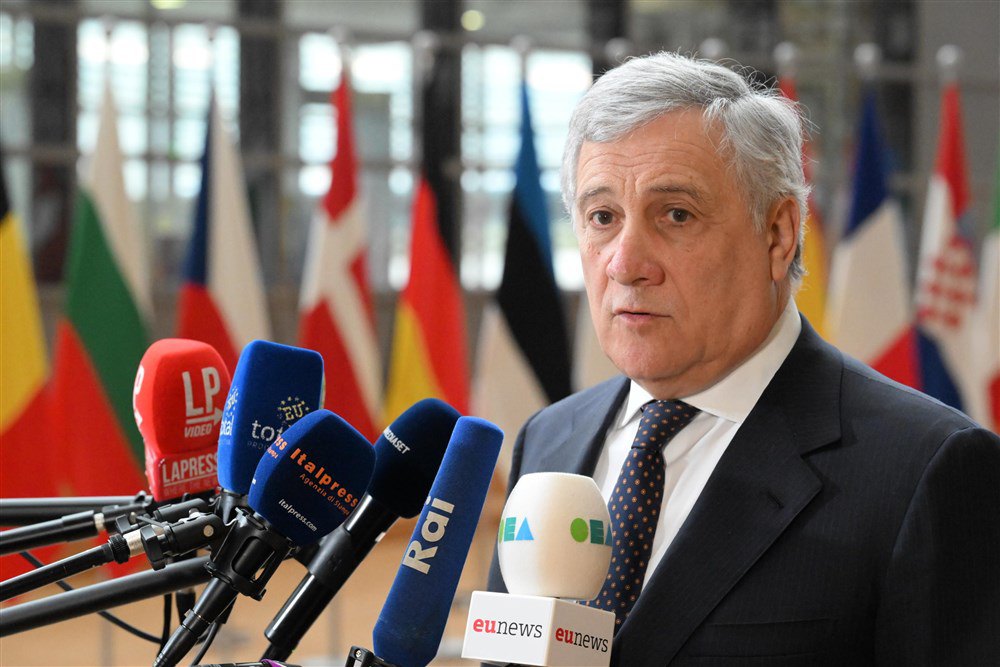
According to Tajani, the attacks targeted Italian foreign ministry offices, including the one in Washington. The hackers also struck Olympic websites and hotels in Cortina d’Ampezzo. Tajani emphasized that authorities successfully stopped all attempts of interference. He directly pointed to Russian origin. He did not provide technical details but stressed that security services were operating in an enhanced mode.
Cyberattacks and Information Pressure Before the Games
As RBC-Ukraine recalls, Tajani previously said that Rome is preparing a UN proposal for an Olympic truce during the 2026 Winter Games in Milan and Cortina d’Ampezzo. Italy suggested a ceasefire in all global conflicts, including in Ukraine and the Middle East. The country also views the Olympics as a platform for de-escalation. A few days ago, Italian President Sergio Mattarella called on the parties to maintain temporary peace.
At the same time, Russia increased information pressure. The Center for Countering Disinformation reported that, ahead of the Olympics, Russian propaganda launched a wave of fake news. The goal is to discredit Ukraine and Ukrainians internationally. Propaganda outlets spread false stories about alleged bans on “SBU agents” entering Italy, luxury hotel bookings, and the seizure of athletes’ relatives’ passports. The Center noted that these messages are disguised as Western media content. However, they first appeared in the Russian Telegram segment.
The Italian Foreign Ministry said all Olympic-related facilities remain under constant supervision. Italy works with international partners to ensure the safety of athletes, delegations, and guests.
Previously, The Ukrainian Review reported that transferring Ukraine-controlled parts of Donetsk to Russia carries critical risks and could trigger new escalation.