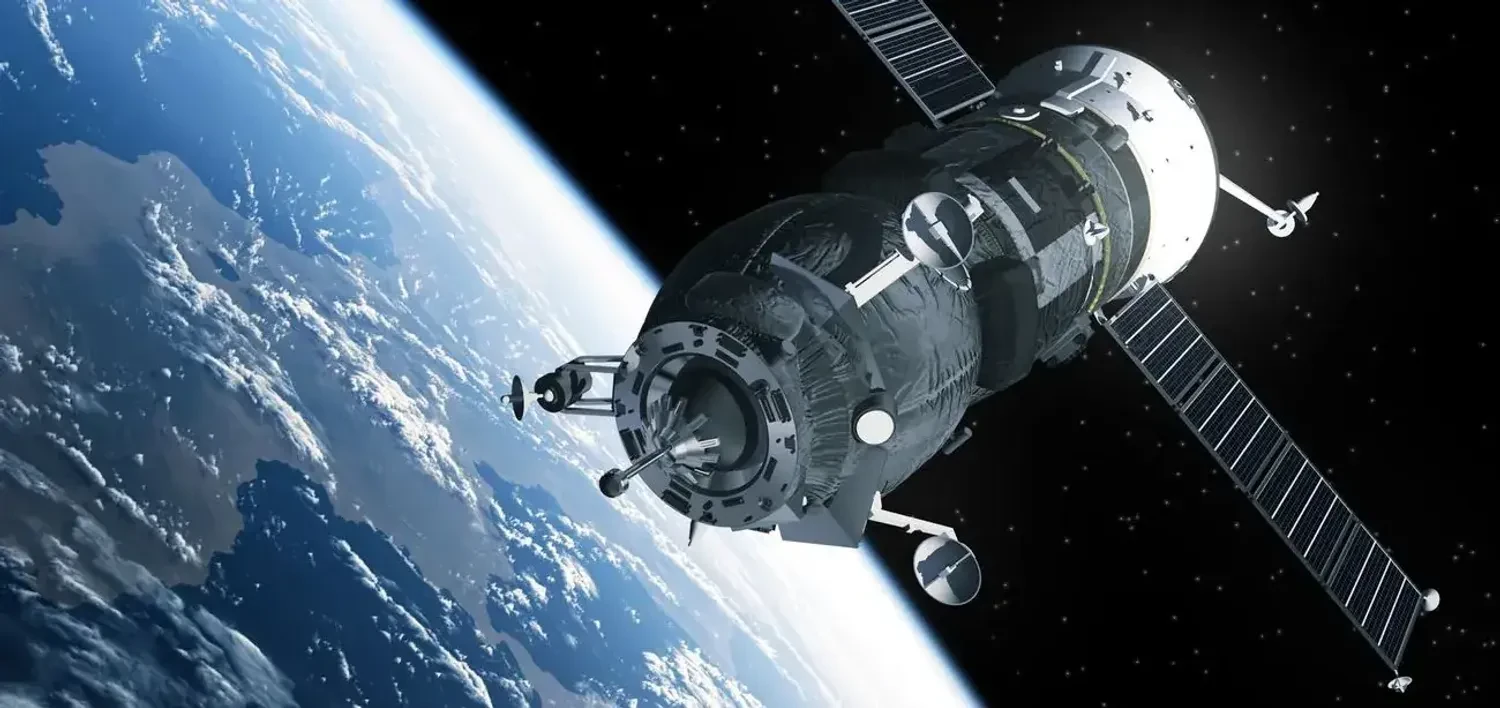


European security experts report that two Russian spacecraft, Luch-1 and Luch-2, intercepted messages from at least a dozen key European satellites. This creates a risk of compromising confidential data and potentially allows Russia to manipulate satellite orbits or even cause collisions.
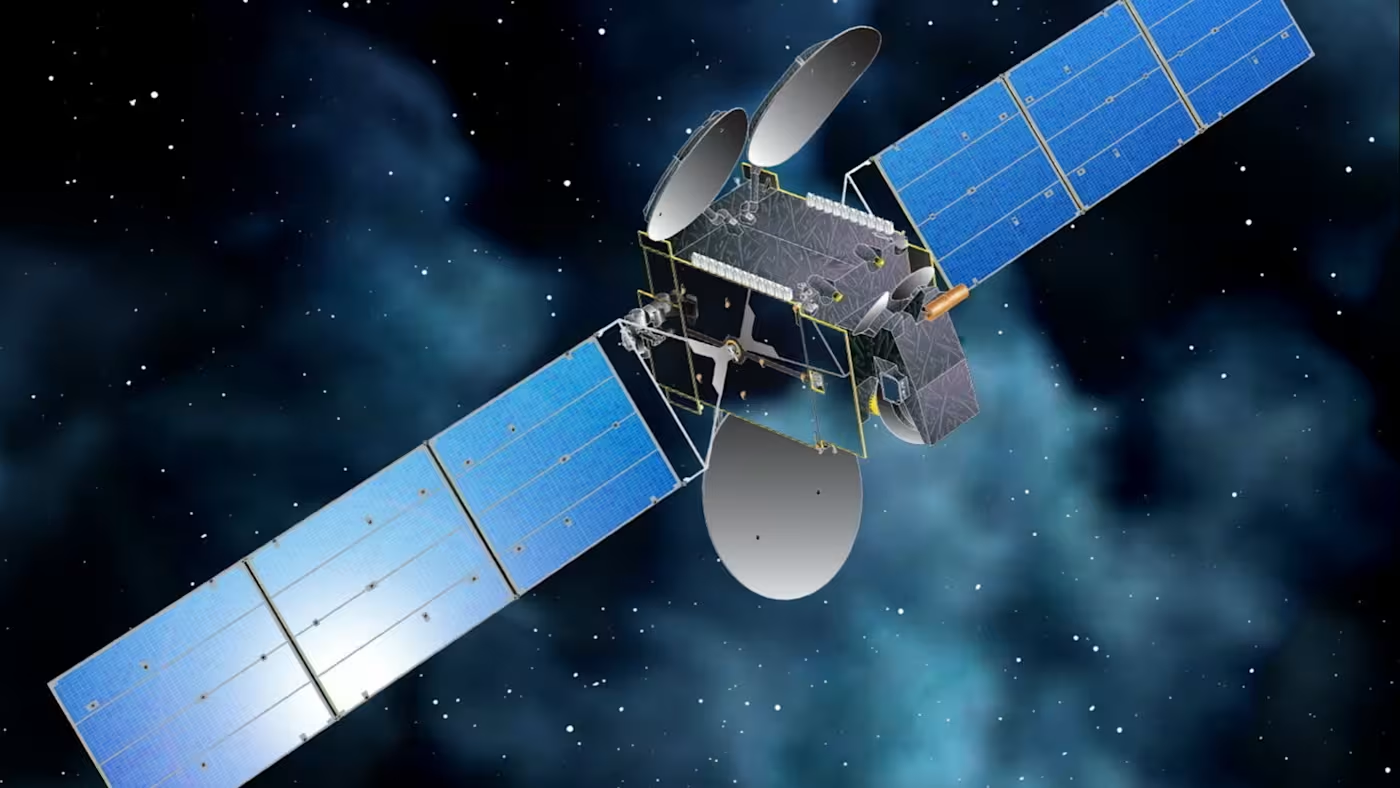
Financial Times reported this, citing European security experts and senior representatives of the German Armed Forces Space Command.
Incident Details
The report says the Luch spacecraft stayed near geostationary satellites for long periods. They intercepted command channels between the satellites and ground stations. Major General Mikhael Traut said the satellites “likely conduct electronic reconnaissance,” gathering data on satellite control and orbital adjustments.
Experts warn that even without the ability to jam or destroy satellites, Russia can use the data to impersonate ground operators and send false commands. They could alter satellite trajectories or disable them.
Since its 2023 launch, Luch-2 approached 17 European geostationary satellites. Russia also launched Kosmos-2589 and Kosmos-2590, which have similar maneuvering capabilities.
On January 30, Luch-1 partially fragmented after a technical malfunction observed by ground-based telescopes.
Context
Luch-1 and Luch-2 operate amid Russia’s increased hybrid operations against the West. These include attacks on underwater infrastructure and power cables.
European and American experts say such interceptions pose a serious threat to civilian and military satellite networks. These networks provide communications, television, and transfer of confidential government data.
Analysts urge Europe to strengthen satellite network security, monitor suspicious spacecraft, and encrypt data to prevent potential cyberattacks or orbital manipulations by Russia.
Earlier, The Ukrainian Review reported that SpaceX co-founder Ilon Mask took measures to stop Russian occupation forces from using Starlink satellite internet. Technological restrictions already prevent the enemy from controlling drones through SpaceX terminals.