

As of today, at least 33 Ukrainian journalists are being held in Russian captivity. However, the capture of media workers is a systematic practice of the Russians: in total, since the beginning of the Russian aggression in 2014, more than 112 Ukrainian and foreign media representatives have been taken hostage by Russian forces.
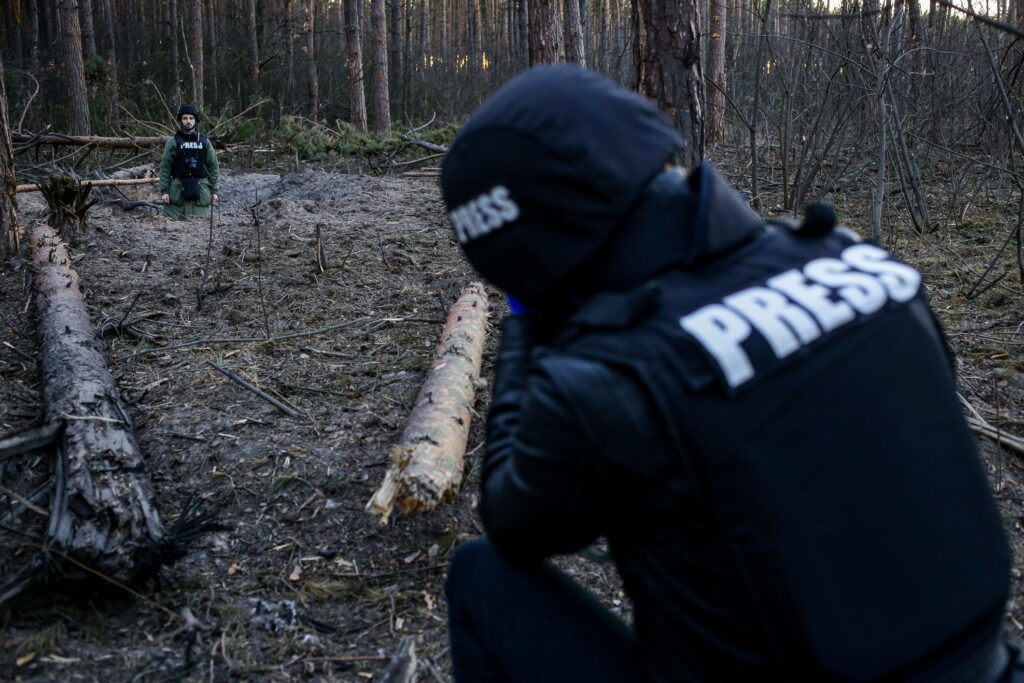
The goal of the capture of journalists is to silence those who are trying to tell the truth about the war, occupation, and crimes against the civilian population. The capture of media workers is not only an attempt to suppress freedom of speech in the occupied territories, but also a way to intimidate and blackmail the entire Ukrainian journalistic community.
Media workers remain one of the most vulnerable targets for the occupiers, which is why their release is always accompanied by special difficulties and delays on the part of the Russian side.
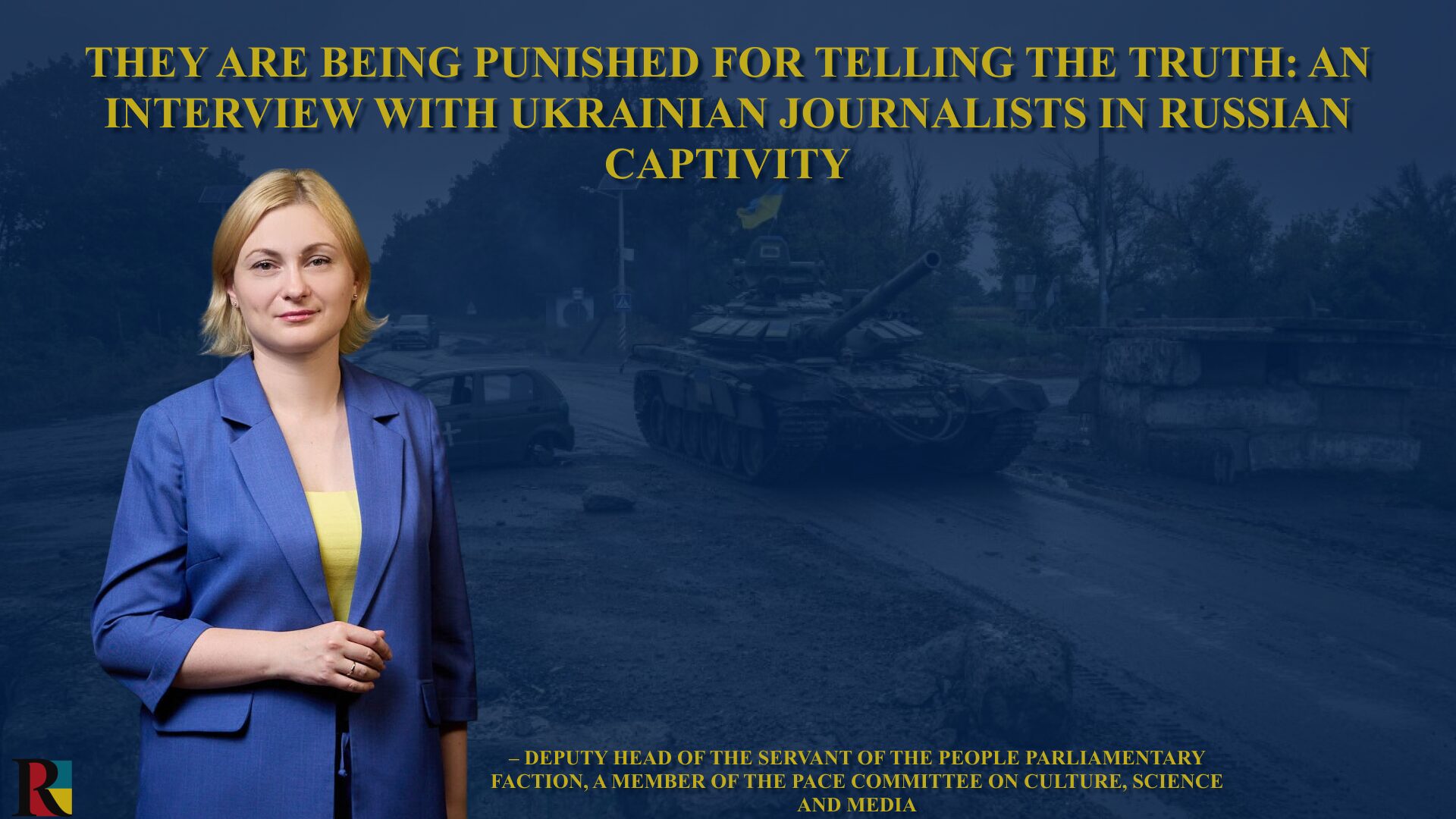
The Ukrainian Review spoke with Yevheniia Kravchuk, deputy head of the Servant of the People parliamentary faction, a member of the PACE Committee on Culture, Science and Media.
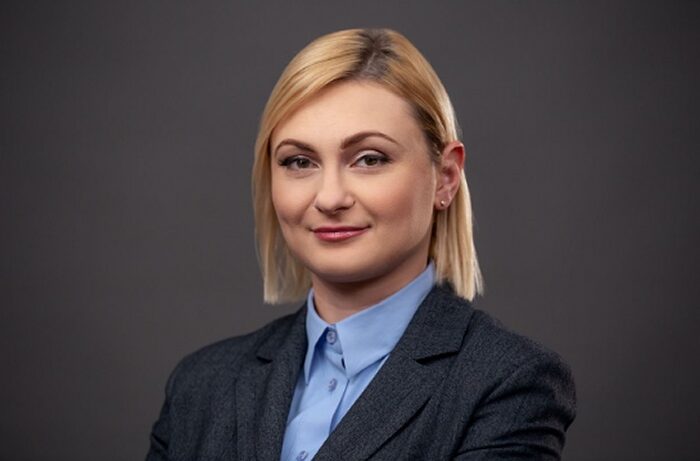
She is the author of a resolution on captive Ukrainian journalists, which is due to be adopted in the fall by PACE. The resolution will call on international organizations that have a mandate to access prisoners to act more decisively, and will also demand increased pressure on Russia on the issue of the captivity of Ukrainian journalists.
A.O.: According to the latest data, 33 journalists are still in Russian captivity. What is the difficulty of their return home? What is Russia appealing for in order to delay the process of returning them home?
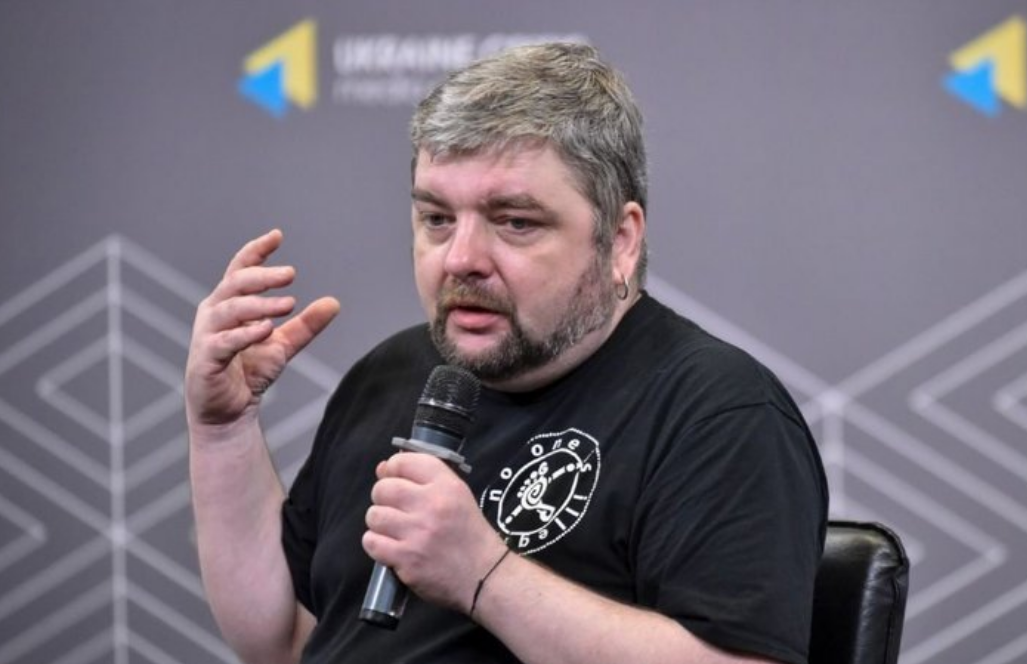
Y.K.: Before we talk about these 30 people, let’s talk in general about the concept and criteria by which these people are added to the list. Because, for example, everyone was very happy about the return of Maksym Butkevych, but in fact he returned after the exchange as a combatant.
He is a human rights activist, he is a journalist. And what is more, we observe that in the case of Butkevych, in the case of other combatants, when the Russians know that a person is not just a soldier, but has a certain background (whether a journalist, or a media person, or, for example, directors in pursuit of documentaries, or, again, human rights activists), then this is always such a “compelling” circumstance. And Russia gives these people away much more difficult than just a soldier.
Because they understand that people record all these violations during their captivity, they understand how to talk about them later. And, in fact, they have certain connections to later convey the truth about these different types of war crimes. Therefore, in fact, there are many more journalists who are now combatants, but also in captivity, than 30.
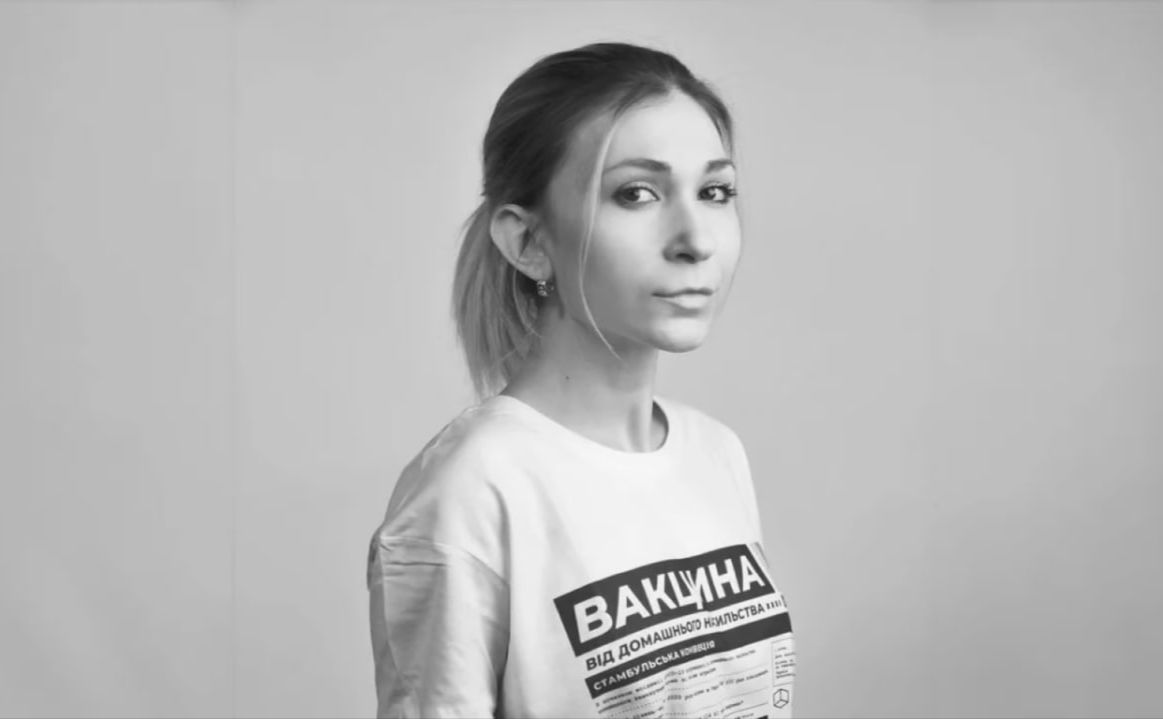
There are also cases when, for example, a person was arrested and put in prison not for journalistic activities. For example, the case of Viktoria Roshchina is very revealing. It is precisely through it that one can explain to the international community why she was first imprisoned and then killed.
For her work. She came to the temporarily occupied territories in order to record and tell stories about the detention of those same civilians. That is, she went all that way (unfortunately, with a fatal outcome) and came specifically to record.
There are also cases in the Kherson region when a person – a newspaper journalist – was arrested and imprisoned as a public activist, and not as a journalist. Therefore, the figure of 30 people may be higher. A lot of journalists have been in prison since 2014, especially in Crimea and the Donetsk region.
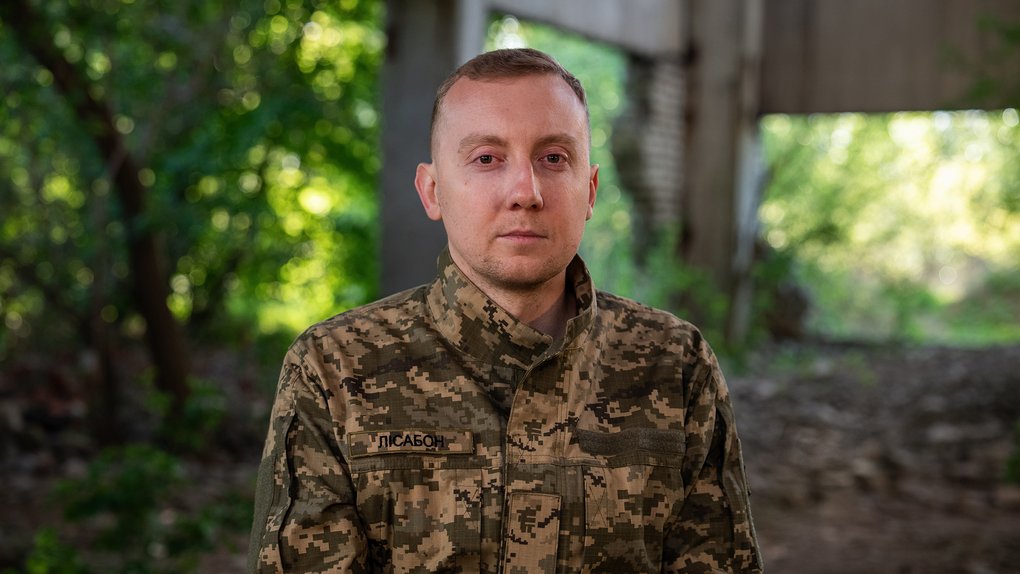
The case of Stanislav Aseev is well-known. He was returned, but this return took place even before the full-scale invasion. Many captured journalists are from Crimea, including citizen journalists. But they were not full-time media workers, because there are no Ukrainian media outlets in the occupied territories that can write with full freedom of speech.
Those who came to court hearings regarding Crimean Tatars, who were simply closed, taken away and put in prisons, worked as bloggers, citizen journalists, and were arrested for performing this function. Why is it so difficult to return them? Perhaps it is worth remembering the last exchange, which took place according to the “thousand for a thousand” scheme, because there were many statements that the “Azovites” were not returned, the civilian hostages who were taken to prisons even before the full-scale invasion and have been sitting there for eight to nine years were not returned. And there are such people – it is true. There was not a single journalist among the civilians who returned. In general, the return of those in question is extremely important, but it is always more difficult.
Many families of journalists do not conduct public campaigns so as not to attract unnecessary attention. Because it is similar to human trafficking: the price of a prisoner increases if it is clear that he is needed and important, so the process of releasing him becomes even more difficult. But among journalists, the majority are media personalities who are known to the journalistic community, and sooner or later this information is released into the public domain.
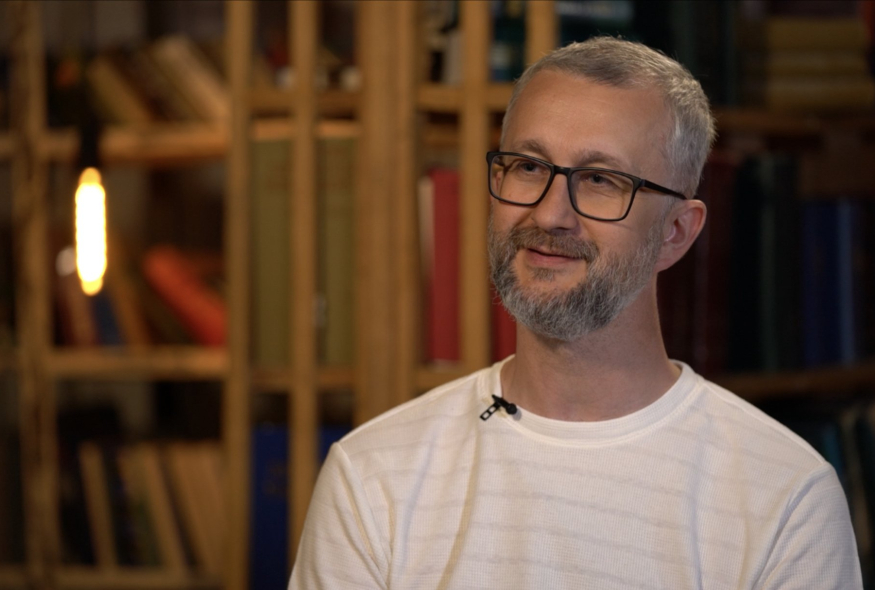
And in general, the return of civilians or children is much more difficult, they cannot be exchanged. For example, Nariman Jelal is probably one of the few examples when a political prisoner and a journalist were released after a full-scale invasion. He is not a combatant, he was serving time on charges of terrorism, which are falsified cases. But to talk about the exchange of civiliansx on civilians means that Russia will constantly catch anyone and demand an exchange for its military prisoners. And, therefore, also try to exchange for its military prisoners.
The only case of such a release is when the charges are dropped at the same time or the collaborators return. For example, when Celal returned, it is obvious that the personal role of Turkish President Erdogan, who put pressure on Russia, played a role here.
Regarding the last exchange of thousands for thousands – the list of those who Russia is ready to release was made exclusively by Russia. We could not influence this. Ukraine only emphasized that it was important that thousands of families were happy and people returned home.
A.O.: Let’s fix it separately: what is the possible ideological significance of why Russia receives our journalists?
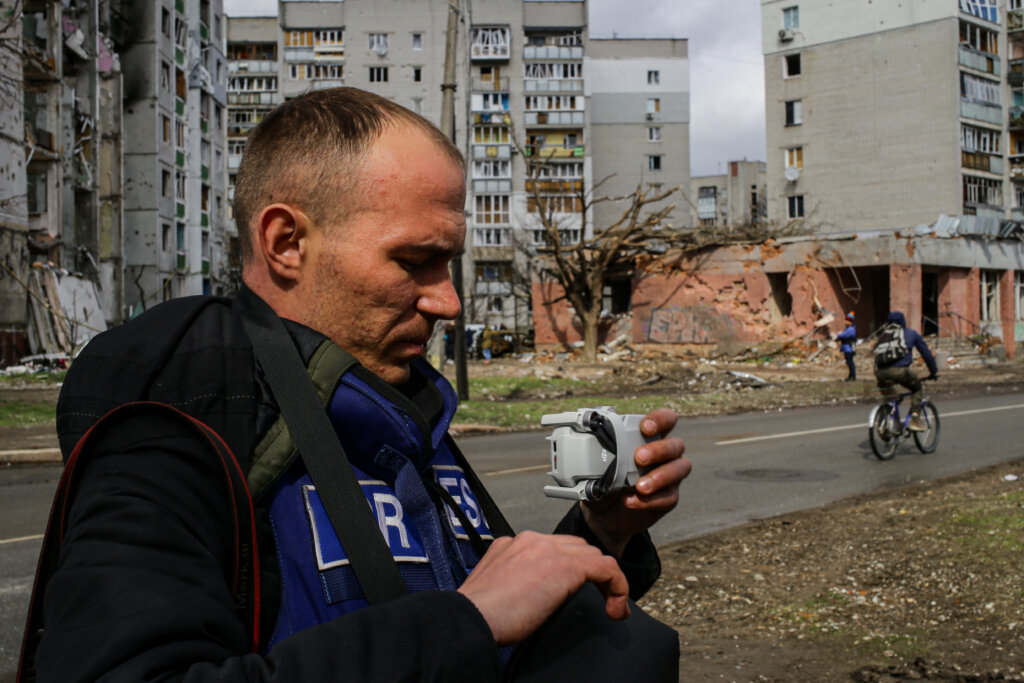
Y.K.: I already mentioned this in the previous answer. These are people who understand what is happening, record war crimes and can write and tell about it. For Russia, these are especially valuable individuals.
A.O.: You mentioned Viktoriya Roshchina. This is an extremely precedent-setting case. Did this event become an impetus for some changes? Perhaps increased pressure on Russia from the world community, or is everything unchanged?
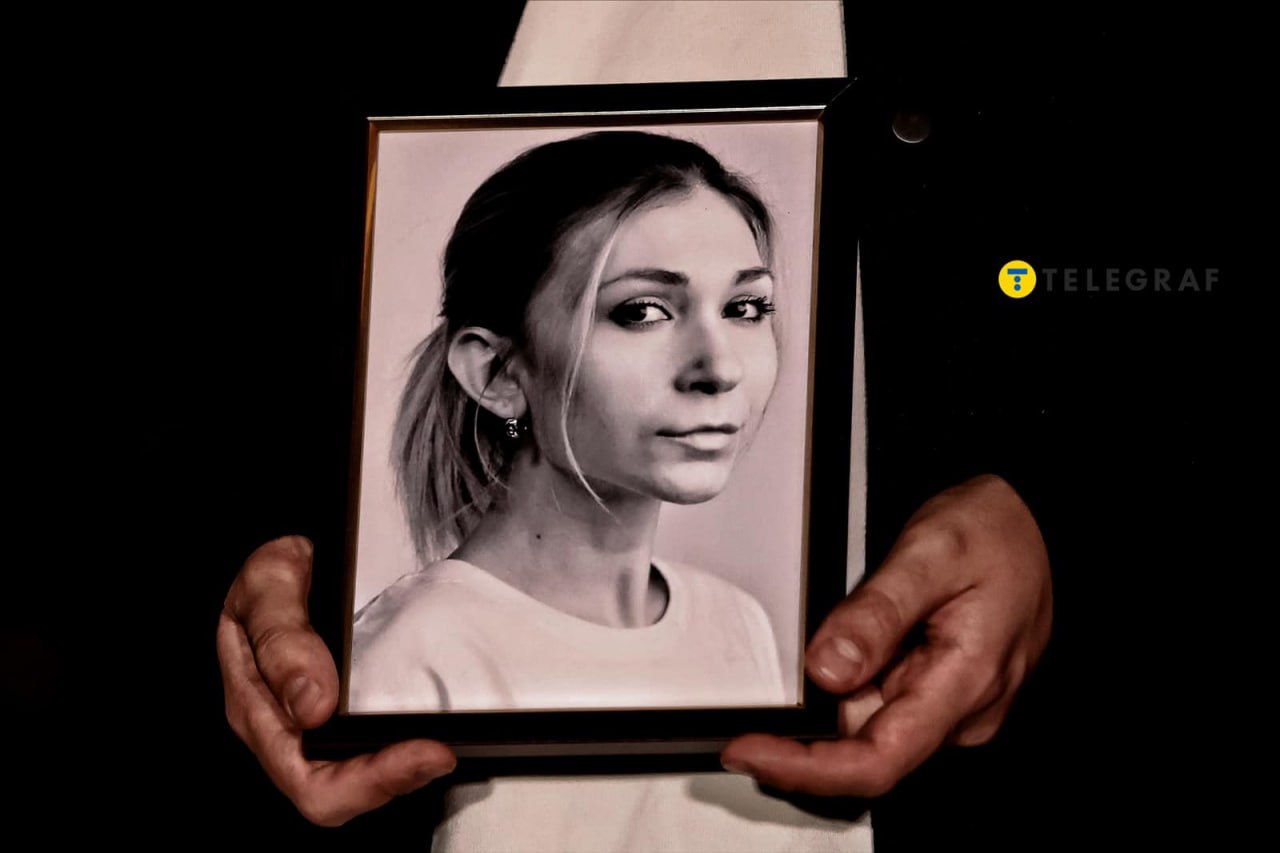
Y.K.: This is a unique case not only because a person was brought to death (many die in captivity, it is true). But in Roshchina’s case, what is unique is that 50 journalists from many countries gathered at the same time, rallied together and simultaneously released this story – in different languages.
This had a great impact on the societies that read it. After all, while the world is discussing compromises, negotiations, concessions, we are clearly saying with our project: look, you tolerate what happened to Roshchyna. This is happening in temporarily occupied territories.
Because if we accept the idea of “giving up” these territories, it means actually condemning people like Viktoria to death or long-term imprisonment. This is important to understand. And we need to constantly remind ourselves of this.
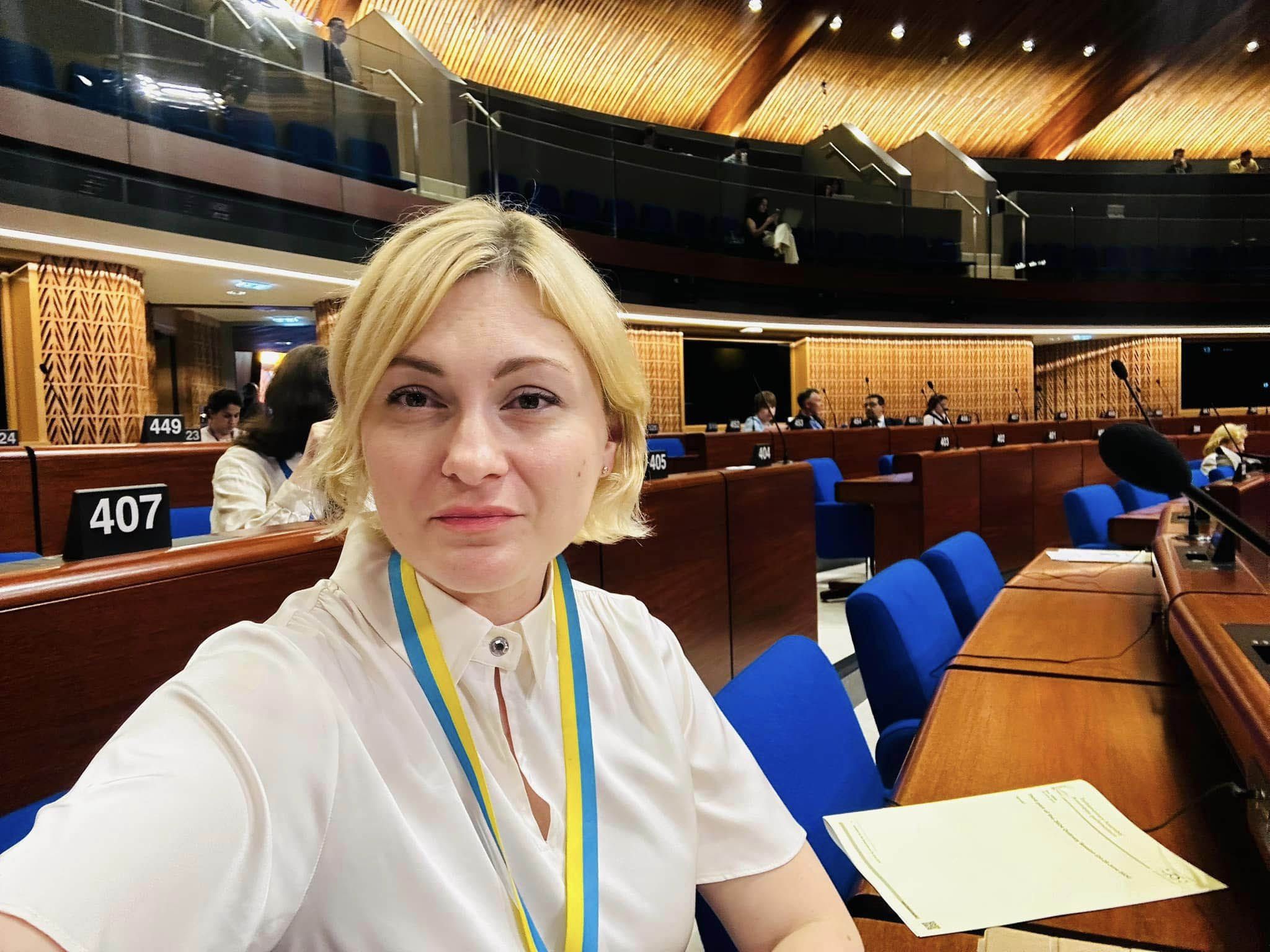
You decided to interview me in the context of the resolution that I initiated in PACE. My goal was not just to create another text that ends with a call for Russia to release civilian hostages. I wanted to start an information campaign. In particular, among PACE deputies. And we have already had a series of hearings and side events, where, for example, Maksym Butkevych spoke. There were also relatives of the captured journalists: Kateryna Yesypenko spoke about Vladislav Yesypenko, Natalia Boguta – about Konstantin Khlyak.
This is a constant attention-grabbing and constant reminder that these are not just actions or war crimes, it is also an attack on the truth about the war and on freedom of speech.
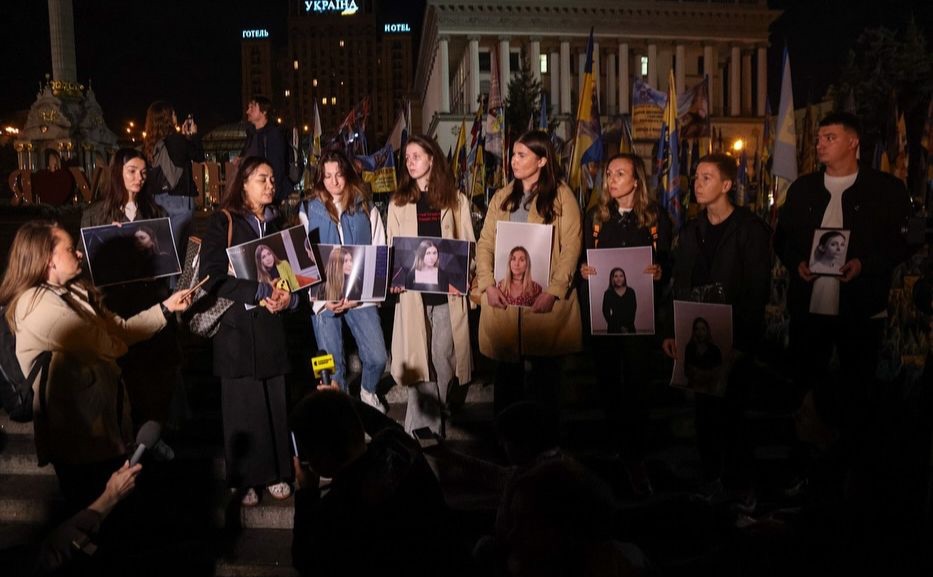
In fact, what happened – that her (Viktoria Roshchina, – ed.) trachea was cut out, her brain and eyeballs – is what Russian propaganda does. It takes away the brain, closes the eyes, makes them speak. On a subconscious level, they did what Russian propaganda wants to do to others.
That is why it is important to talk about it, to raise the topic. When Dzhelal was released, he said that it was very important for him to know that his name is in PACE resolutions. That he has not been forgotten. Therefore, if the family is ready to speak publicly – this should be part of a broader campaign.
You shouldn’t take the prisoners as just a number: they say there were over 100 – 70 returned. Because most of them are people who were held for several weeks and released with a threat not to return.
In the case of Roshchina: she was already detained in March 2022, and she knew that the second time could be much harsher. But she deliberately took this risk. She was punished precisely for her professional activities. This is the main difference between journalist prisoners and civilian hostages.
A.O.: Journalists are protected by international law. So why doesn’t it work in the case of Russia? What other mechanisms should be refined, changed by the international community to make them more effective?
Y.K.: All these mechanisms can only work if all the countries that signed them adhere to them. If the Russians say in black and white that “we won’t comply, we don’t care, we’re condemning them here for terrorism”…
That is, they use the legal tool that exists – the judicial system. But they use it as persecution and come up with the laws themselves, which they then enforce. There’s nothing you can do here. Here you just need to order one country that violates it not to do it again. Because simply closing yourself off with the Geneva Conventions, UN charters and all other rules, civil behavior – will not achieve anything.
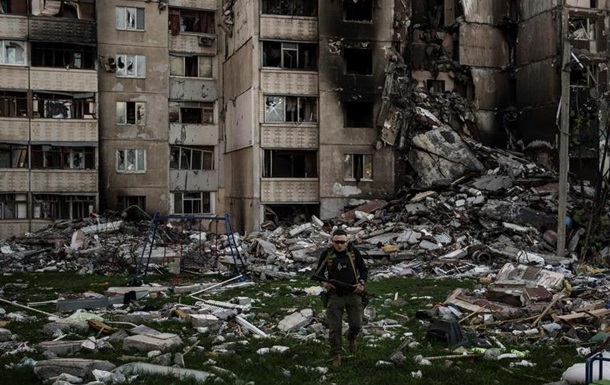
It turns out that this war emphasizes that there is a right to force, not a right to order. And this is both the problem and the existential nature of this war. You can write 5 more conventions, but if Russia ignores them, nothing will happen.
By the way, in this context it is worth mentioning the activity, or perhaps the inactivity, of the Red Cross. Because the Red Cross is a humanitarian organization, which precisely in its mandate has mediation, access to those territories that, for example, Ukraine does not have. But the Red Cross is not allowed there, but they let 5% or 1% in and make a show of it.
The Red Cross is not actively knocking on doors. We don’t see any big campaign there.
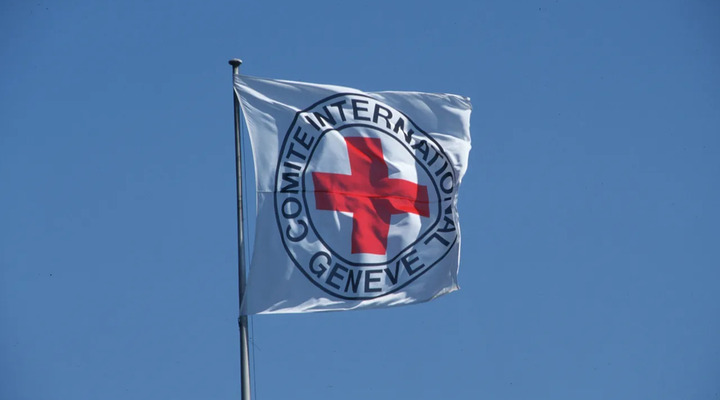
Moreover, verification by the Red Cross really helps with exchanges. But it does not guarantee that a person will be tortured to death. And this is the case with one of the mayors of the Zaporizhia region, who was verified, he is also a civilian hostage. He was verified by the Red Cross and he was killed. Despite the fact that the Red Cross knew, he had it. But it does not save.
Therefore, only sanctions, only support for Ukraine, and only punishment for all war crimes. The war crimes tribunal can teach something to those people who simply do not consider it necessary to follow any rules.
Interview conducted by Anna Ostymchuk