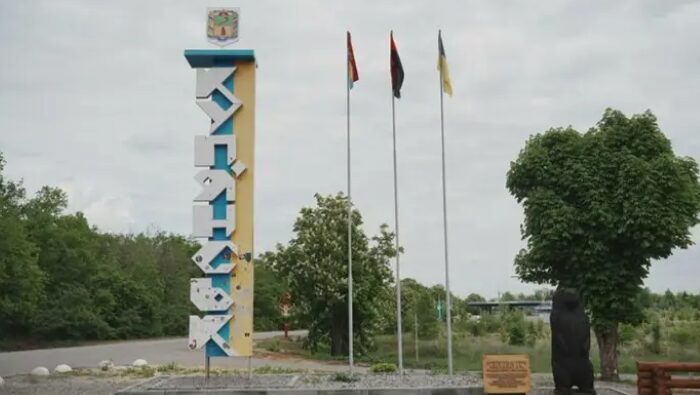


Two weeks ago, Ukrainian Defense Forces launched a successful counterattack near Kupyansk in the Kharkiv region and encircled a Russian group inside the city. Ukrainian units are now clearing Kupyansk, while Russian forces can no longer maintain their positions. According to available estimates, up to 200 Russian soldiers remain blocked inside the city.
Battles for Kupyansk
In February 2022, Russian troops invaded the Kharkiv region during the opening phase of the full-scale war. On February 27, 2022, Russian forces captured Kupyansk, despite Ukrainian troops destroying a railway bridge to slow the advance. The city’s mayor agreed to surrender and was later declared wanted on charges of treason.
During the Ukrainian Armed Forces’ counteroffensive in September 2022, Ukrainian troops rapidly pushed Russian units out of much of the Kharkiv region. Active fighting for Kupyansk began on September 8, 2022. On September 16, 2022, Ukrainian forces fully liberated the city as part of the broader counteroffensive.
After retreating, Russian forces continued shelling the city and nearby settlements. A new phase of intense combat started on November 28, 2024, when Russian troops launched a large-scale offensive along the Oskil river Line and near Kupyansk.
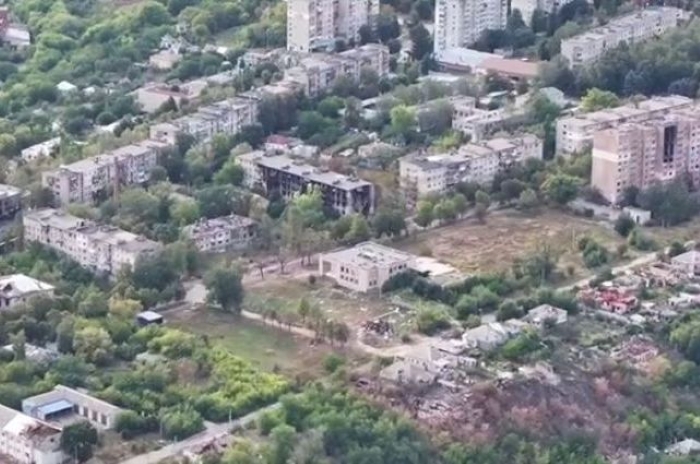
Fighting escalated further in 2025. Ukrainian and Western analysts estimate that by May 24, 2025, constant shelling had destroyed nearly 90% of Kupyansk’s buildings. Russian units attempted several breakthroughs, including attacks through gas pipelines. At the end of November 2025, Russian command declared the “complete capture” of Kupyansk, a claim amplified by propaganda channels.
The symbolic meaning of Kupyansk
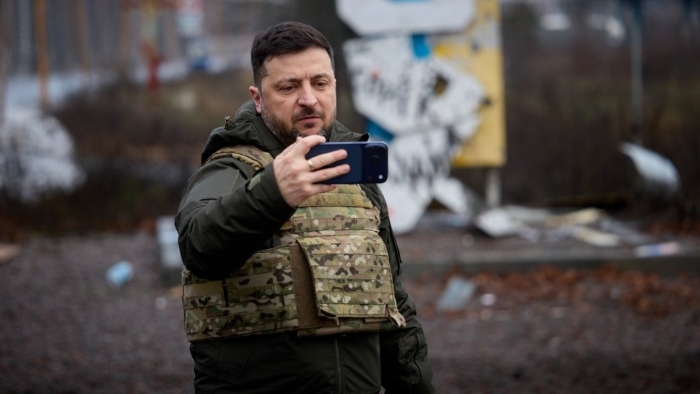
For Russia, Kupyansk turned into a symbol of revenge. Ukraine’s successful counteroffensive in the Kharkiv region humiliated Russian forces. Recently, Putin has repeatedly claimed that Russia had “liberated” Kupyansk. Zelenskyy later visited the city, directly disproving these statements. Russian propagandists reacted angrily and attempted to present the visit as staged. During his December 19 press conference, despite Ukraine’s President visit, Putin again claimed that Russia occupied (in his terminology, “liberated”) Kupyansk and dismissed Zelenskyy as a “good artist.”
According to the Institute for the Study of War (ISW), Kremlin-affiliated Russian microbloggers now openly recognize Ukrainian successes near Kupyansk. Many also criticize Russian commanders for issuing false battlefield reports.
Conclusion
Ukrainian defenders heroically continue to advance step by step while clearing Kupyansk. For Ukraine, the city matters as much as every centimeter of its territory. For Russia, Kupyansk exposes the collapse of its propaganda narrative. At the same time, international partners, especially the U.S., have returned their focus to the area amid renewed peace discussions. Russia seeks to project inevitability and portray full occupation as only a matter of time. Ukraine challenges this narrative through real battlefield results.