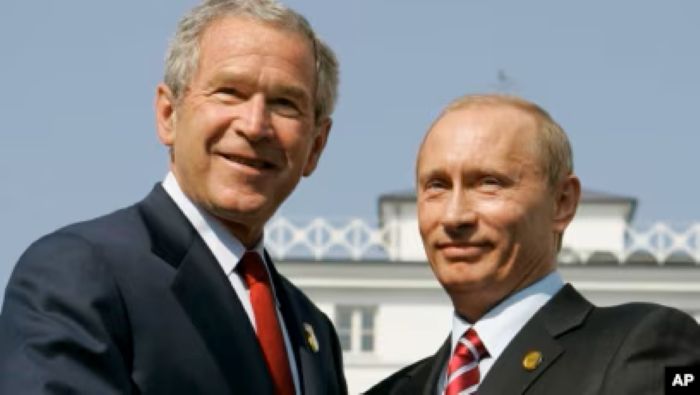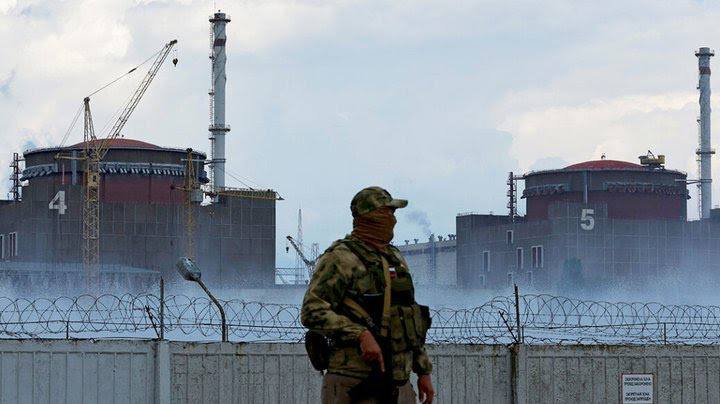


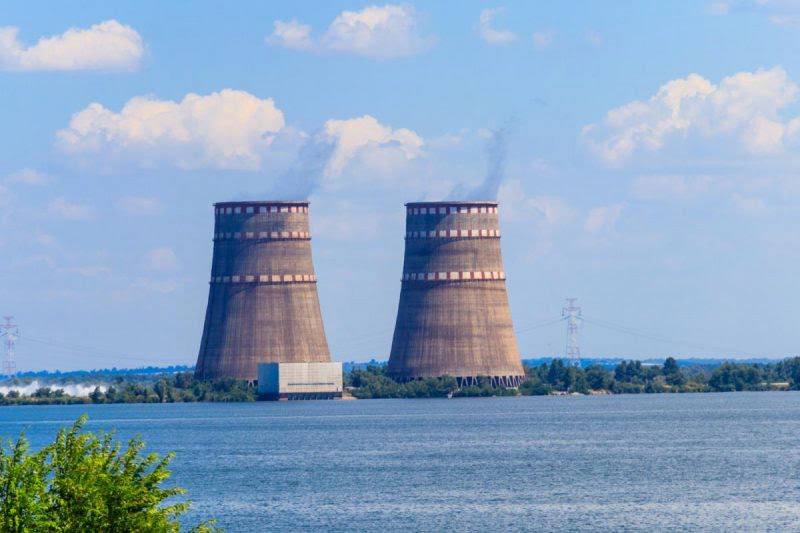
The issue of control over the Zaporizhzhia Nuclear Power Plant (ZNPP) has become one of the most complex knots in the ongoing peace negotiations between Ukraine, the United States, and Russia. Despite general progress in talks regarding a broad peace plan package, the parties’ positions on this issue remain far apart. The dispute concerns not only the technical aspects of operating Europe’s largest nuclear power plant but also fundamental questions of sovereignty, security, and political trust. The United States is proposing a format in which the ZNPP would be managed by three parties—Ukraine, the U.S., and Russia—with equal shares and the American side acting as the operator. Kyiv rejects this proposal as unfair and risky, citing the impossibility of effective cooperation with the occupier following the full-scale invasion. This disagreement heightens tension not only around the negotiation process but also directly within the energy and security spheres of all of Europe. Under these conditions, the ZNPP remains not only a geopolitical arbiter but also a potential source of catastrophic consequences for the entire region.
Positions of the Parties
The primary divergence between Ukraine and the U.S. lies in the approach to the management of the ZNPP. According to the American version, control over the plant should be split equally among the three parties—Ukraine, the U.S., and Russia—with American specialists serving as the operators of this mechanism. Washington believes this model would guarantee operational stability and reduce the risks of escalating security incidents around the plant. The Ukrainian side views this proposal negatively, considering it a form of legitimizing the Russian occupation and a condition under which the aggressor gains disproportionate weight in determining the future of the facility.
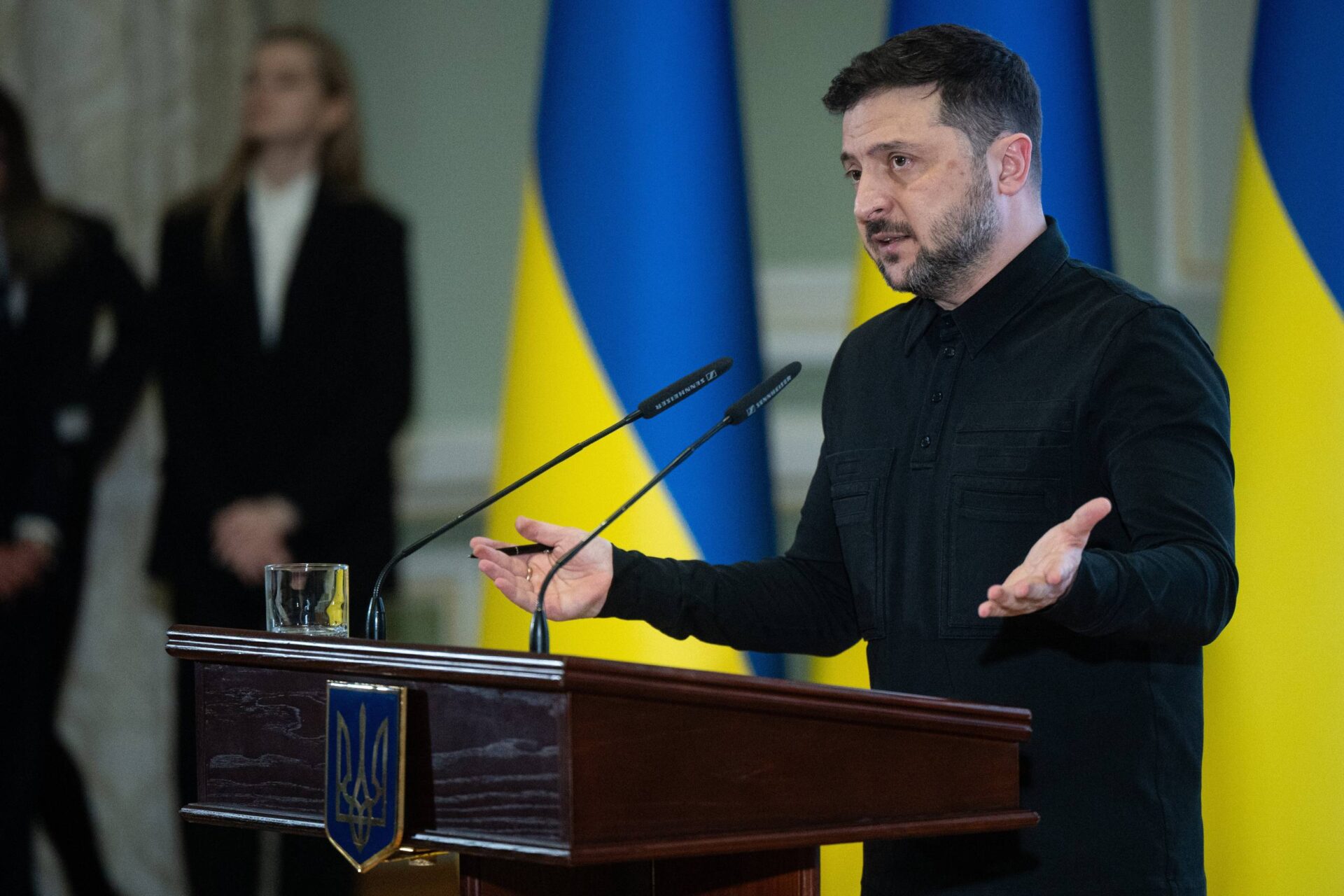
“At this point, it looks like this. The U.S. is proposing ‘33%-33%-33%’ option. And the Americans would act as the chief manager of this joint enterprise. Clearly, for Ukraine, this sounds very inappropriate and not entirely realistic. How can there be joint commercial activity with the Russians after everything that has happened?” Zelenskyy said.
The Ukrainian government is proposing an alternative model: the creation of a joint venture between Ukraine and the U.S. with equal shares (50/50). Under this plan, Ukraine would receive half of the electricity generated by the plant, while the U.S. would be able to independently manage its own share. According to Kyiv, this format would guarantee the preservation of national sovereignty over the facility and avoid direct cooperation with Russia, which continues to hold the ZNPP by force.
“We believe that this is our station, our people will work there, and we and the Americans understand how to build joint management,” Zelenskyy added.
The Russian side has previously repeatedly and categorically rejected any proposals regarding the transfer or joint management of the Zaporizhzhia NPP. In their statements, official representatives of Moscow have insisted that the ZNPP “is part of the Russian nuclear industry” and, accordingly, is not subject to return to Ukrainian control or distribution among other states.
International Dimension and Risks
It is important to consider that international organizations and a significant portion of the world’s nations consistently condemn the illegal occupation of the Zaporizhzhia NPP and demand the return of control to Ukraine. Specifically, as recently as March 2025, 47 IAEA member states issued a joint statement reaffirming their support for Ukraine’s sovereignty and territorial integrity and condemning the Russian occupation of the ZNPP.
In their statement, the states called on the Russian Federation to immediately cease any military actions that jeopardize the nuclear safety of Ukraine and the entire region. They also emphasized the importance of strict adherence to the “Seven Indispensable Pillars of Nuclear Safety” and the five principles for the protection of the ZNPP as defined by the Director General of the IAEA.
The situation is further complicated by technical issues: due to hostilities, the ZNPP has repeatedly lost external power, threatening the reactor cooling systems, and the plant is still not operating in a full-scale capacity.
Conclusion
The question of control over the Zaporizhzhia NPP has become a symbol of the broader conflict between Ukraine’s drive to preserve sovereignty and Russia’s insistence on consolidating practical authority over strategically important facilities. Peace negotiations, in which the U.S. is attempting to act as a mediator, have failed to resolve this discrepancy, as Washington’s proposals do not satisfy Kyiv, and Moscow rejects any compromises. Control over the ZNPP is not merely about managing an energy facility; it is a matter of trust, security, and international law, making it one of the most difficult obstacles on the path to a peace agreement. Without a resolution to this issue, any lasting peace between the parties today appears unlikely.