

The world is gradually entering a phase of security instability, increasingly compared to the periods of global conflict in the 20th century. NATO Secretary General Mark Rutte has warned that the international system may face its most dangerous scenario since World War II. At issue is the possibility of simultaneous aggression by Russia and China—in Europe and around Taiwan. According to him, these processes are not isolated and could mutually reinforce one another. China is closely monitoring Russia’s war against Ukraine and the West’s reaction. In the event of an escalation in the Indo-Pacific region, Moscow could seize the moment for a new offensive in Europe. It is this logic of events that is compelling NATO to prepare for a two-front scenario.
The Scenario of Simultaneous Escalation
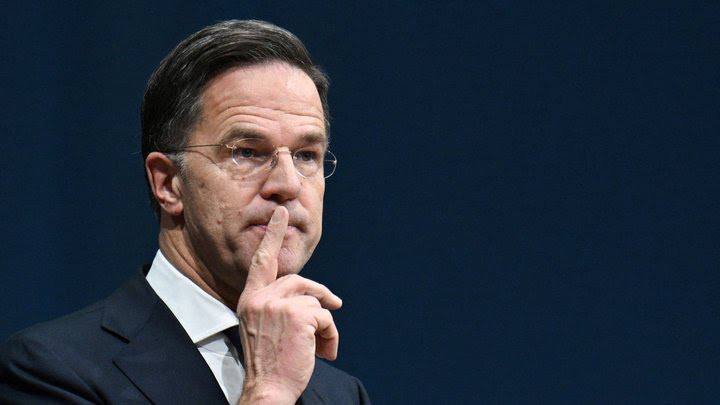
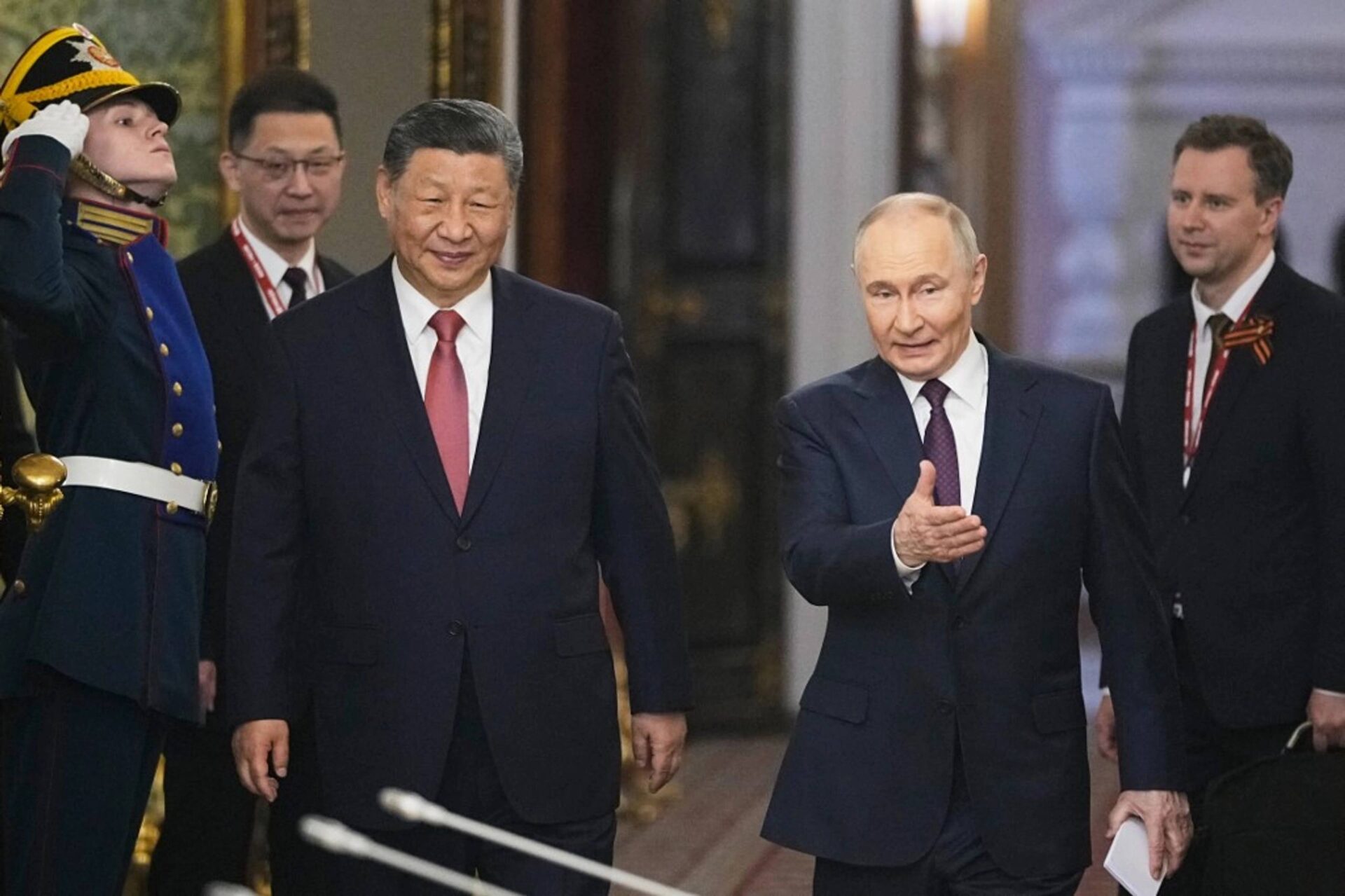
In his statements, Mark Rutte clearly outlined the interconnection between the potential actions of China and Russia. According to him, Beijing is closely analyzing developments around Taiwan while simultaneously observing how the West responds to Russian aggression against Ukraine. The NATO Secretary General emphasized that if China begins military operations, it could serve as a signal for the Kremlin to move to a new stage of escalation in Europe. Thus, security crises in Asia and Europe are capable of converging at a single moment, creating unprecedented pressure on the Allies.
Rutte formulated this logic directly, emphasizing the personal responsibility of Beijing and Moscow for the potential destabilization of the world order.
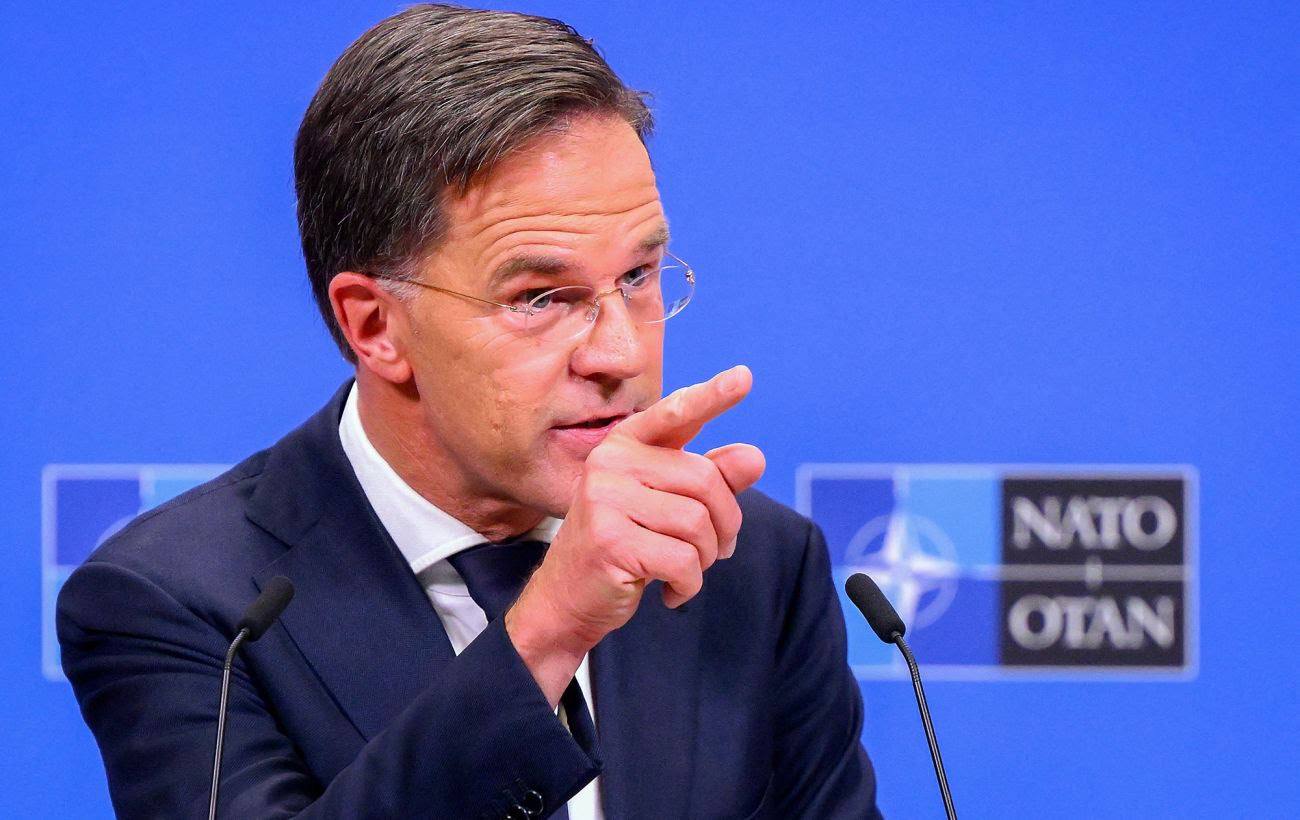
“China is looking at Taiwan. And I am convinced that if China takes military actions there, it will put pressure on its junior partner, Russia, under Putin’s leadership, to keep us on our toes here in Europe. That is why we must be prepared. We must spend money, strengthen our defenses, and recruit the best military personnel we can find,” Rutte said.
Rutte also issued a direct warning about the scale of the risk, stating that this could become “the most dangerous situation since World War II.” Such an assessment signals a shift in tone within the Alliance—from restrained diplomatic language to an open acknowledgment of a global threat. NATO increasingly operates on the assumption that China will not act in a vacuum but will coordinate its steps within a broader geopolitical context.
Additional concern is fueled by Western intelligence assessments. According to the German publication Bild, intelligence services do not rule out that China may resort to an invasion of Taiwan as early as November 2026. Such a timeframe forces NATO to consider potential crises not as a distant prospect, but as a medium-term reality.
NATO’s Multi-Layered Deterrence
In response to rising risks, NATO, according to Rutte, is already building a multi-layered deterrence system. Its key element remains the strengthening of the Ukrainian military, which the Alliance views as a vital security factor for all of Europe. In this context, support for Ukraine transcends bilateral aid and becomes part of a broader strategy to deter Russia.
Rutte directly links these steps to the need to prepare for the worst-case scenario. According to him, only a combination of military support for Ukraine, increased defense spending, and the scaling up of defense production can guarantee the Alliance’s readiness for a potential large-scale conflict. “We must be ready,” the NATO Secretary General emphasizes, pointing out that the era of strategic complacency for Europe is over.
This position is also shared at the national level. In September, Netherlands Defense Minister Ruben Brekelmans stated that the threats emanating from Russia affect not only Ukraine but the entire Western world. According to him, Moscow is putting its economy on a war footing, expanding arms production, and increasingly mobilizing human resources with an eye toward a possible war with NATO by 2030.
Analysts at the Institute for the Study of War (ISW) also record a systemic intensification of Russian activity against Europe. In their view, Moscow has already moved to the so-called “zero phase” of preparation for a potential conflict with the Alliance, activating covert attacks and hybrid operations. A symbolic and simultaneously alarming signal was the incident on December 17, when Russian military personnel crossed the Estonian border—marking the first time in history that Russian troops entered the territory of a NATO member state.
Under these conditions, Rutte emphasizes the need to increase defense spending, ramp up arms production, and strengthen the personnel potential of Allied armies. The Alliance is paying special attention to strategic regions—the Arctic and the North Atlantic—which are gaining increasing significance in the context of global confrontation and the protection of transatlantic communications.
Conclusion
Mark Rutte’s warning demonstrates that NATO no longer views threats in isolation. The possibility of simultaneous aggression by Russia and China is becoming the central challenge for the entire collective security system. In these circumstances, support for Ukraine, rising defense budgets, and strategic coordination among Allies are of decisive importance. The Alliance is gradually moving from reacting to crises to preparing for the worst-case scenario. Rutte’s words serve as a signal not only for politicians but also for society, as the period of strategic uncertainty comes to an end. The world is entering a phase where readiness for a major conflict becomes the primary tool for its deterrence.