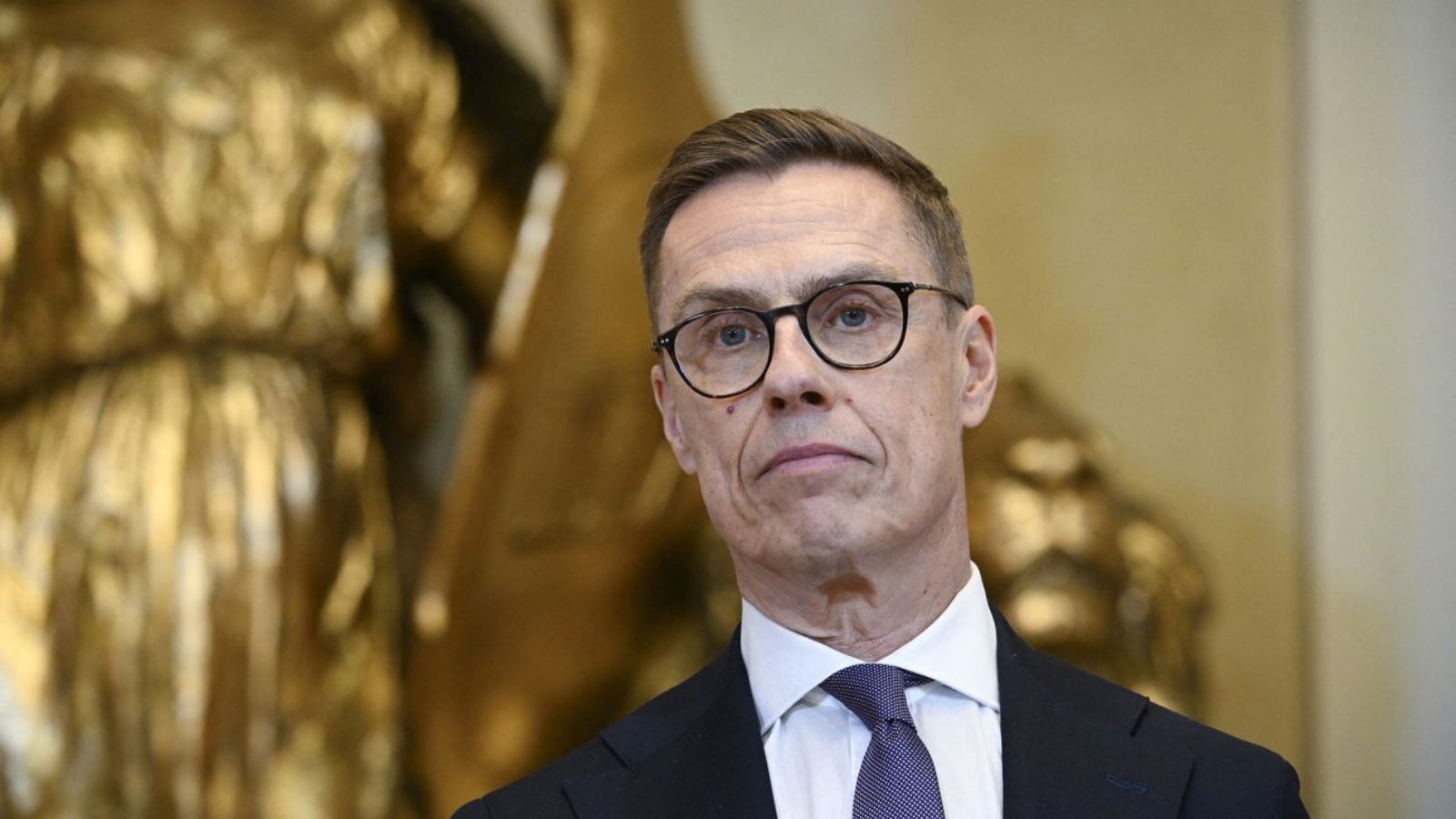


Finnish President Alexander Stubb urged European leaders to transform their perspective on Ukraine’s role in continental security. During an official visit to Prague on May 4, he emphasized that Ukraine’s modern military serves as a unique asset. The politician noted that Ukraine’s integration into NATO and the EU will significantly strengthen Western institutions.
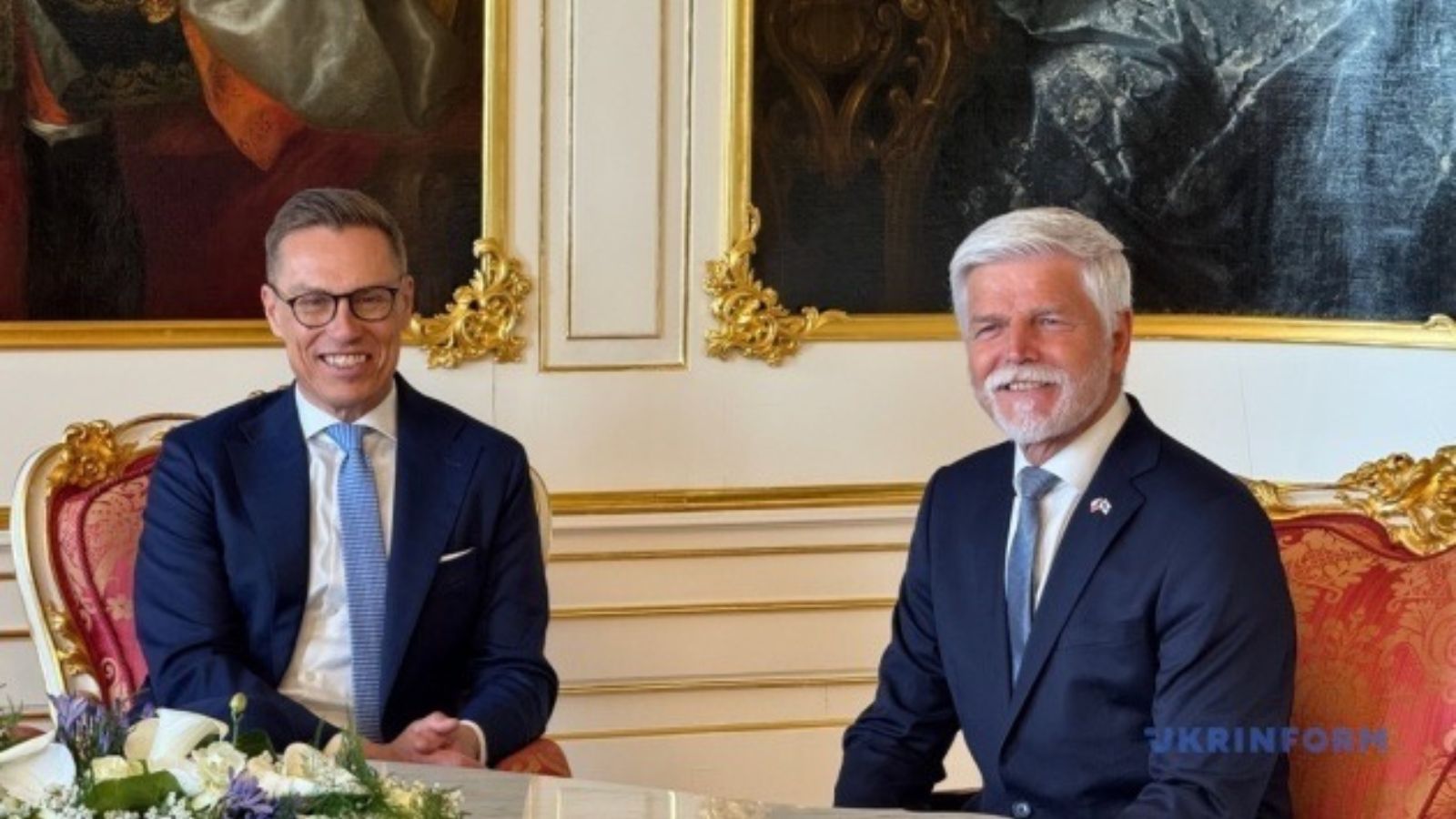
The Finnish leader made these remarks during a joint press conference with Czech President Petr Pavel, as reported by Ukrinform.
Stubb highlighted the necessity of redefining the relationship between Kyiv and Brussels. In his view, assistance must be mutual and strategic for long-term stability.
“If I had only one message today, instead of talking about what Ukraine needs from Europe, perhaps we should start thinking about what we in Europe need from Ukraine… We in Europe must stop thinking that we are the only ones helping Ukraine,” Alexander Stubb emphasized.
Military Potential and the Czech Initiative
Finland continues to actively support the Czech initiative for supplying artillery ammunition. Helsinki remains one of the primary producers of 155mm shells in the region. Currently, the country has allocated approximately 120 million euros for procurement for the Ukrainian Armed Forces. Specifically, 30 million euros were directed toward the initial phase of the Czech plan.
In addition to financial support, Stubb praised the exceptional training level of Ukrainian personnel. He believes that Ukraine’s experience in conducting a full-scale technological war has no global equivalent.
“There is no army in Europe or the United States, by the way, which is capable of waging modern warfare the way Ukraine is doing now,” the President of Finland explained.
Currently, Europe possesses a significant human resource of two million soldiers. Meanwhile, Russia has approximately 1.3 million personnel at its disposal. However, Ukrainian combat experience is the decisive factor for the future stability of NATO. Stubb stressed that support for Ukraine must persist even after the active phase of the conflict concludes.
Previously, The Ukrainian Review reported that Russia could attack NATO within the next one to two years.