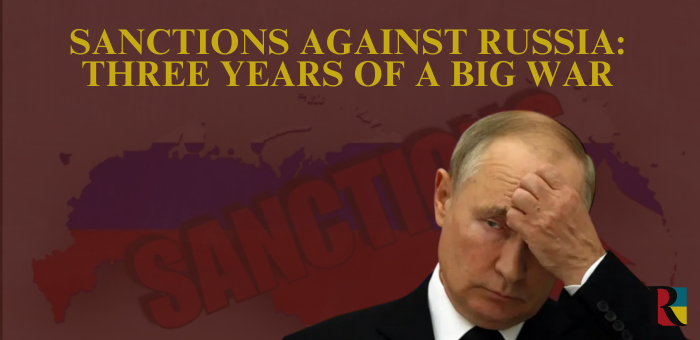


On February 27, 2025 US President Donald Trump mandated the continuation of a state of emergency that was initially established in 2014 in response to Russia’s aggression towards Ukraine and the subsequent sanctions imposed on Russia. This state of emergency concerning the situation in Ukraine was first declared on March 6, 2014, by then-President Barack Obama through Executive Order 13660. Since that time, it has been renewed multiple times, including on February 21, 2022, following Russia’s recognition of the legal status of the terrorist groups known as the Luhansk and Donetsk People’s Republics. Furthermore, additional sanctions measures were implemented by U.S. presidents in December 2014 and September 2018. This is certainly an important step that confirms the US commitment to supporting Ukraine in the war against Russian aggression.
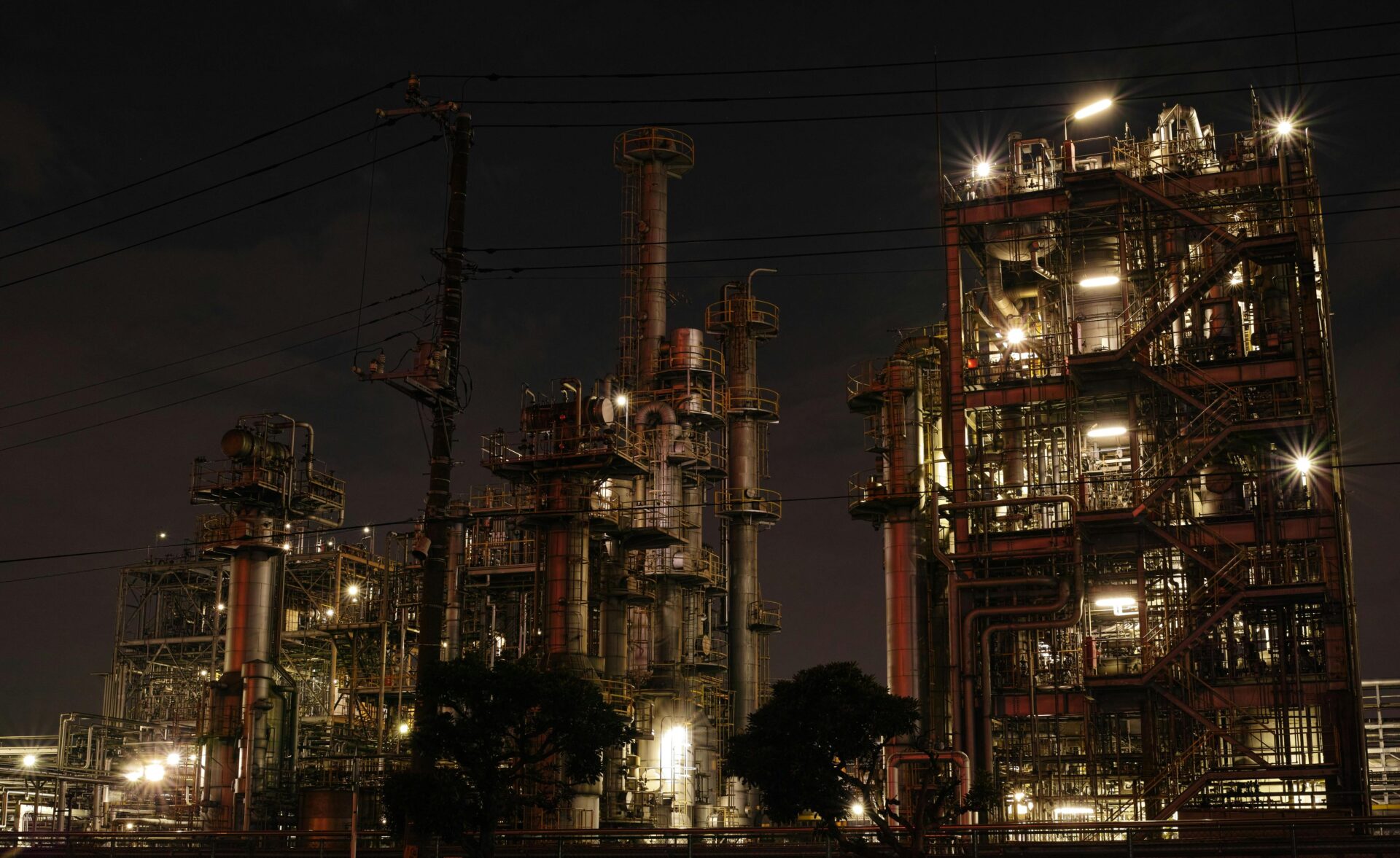
The US position after the election of the new president has become quite difficult for Ukraine. But the EU countries that declared unconditional support for Ukraine spent 21.9 billion euros in 2024 on purchasing Russian oil and gas. According to the Guardian newspaper, aid to Ukraine amounted to 18.7 billion euros. Globally, Russia earned €242 billion from fossil fuel exports in 2024, with up to half of its tax revenues derived from the oil and gas sector.
Growing Sanctions: Who, When, and What Sanctioned in Russia
The initial sanctions package from the European Union was unveiled on February 21, 2022, following the Russian State Duma’s acknowledgement of the “independence” of Ukraine’s Donetsk and Luhansk regions. To date, the EU has implemented 16 sanctions packages. Consequently, Russia has emerged as the country subjected to the highest number of sanctions based on list-based measures.
I was surprised, as I think many were surprised, how quickly the United States and its European allies were able to place a set of really stringent sanctions on Russia immediately in February 2022 and the weeks after the expanded invasion. I think one of the challenges is that it didn’t leave a lot of headroom for escalation, given how quickly and comprehensive some of those sanctions were. And I think as impressive as that was, in some ways, impressive in its way was how Russia clearly had prepared for some of that, – Matthew Duss, executive vice president at the Center for International Policy, expert on U.S. foreign policy expert on U.S. foreign policy.
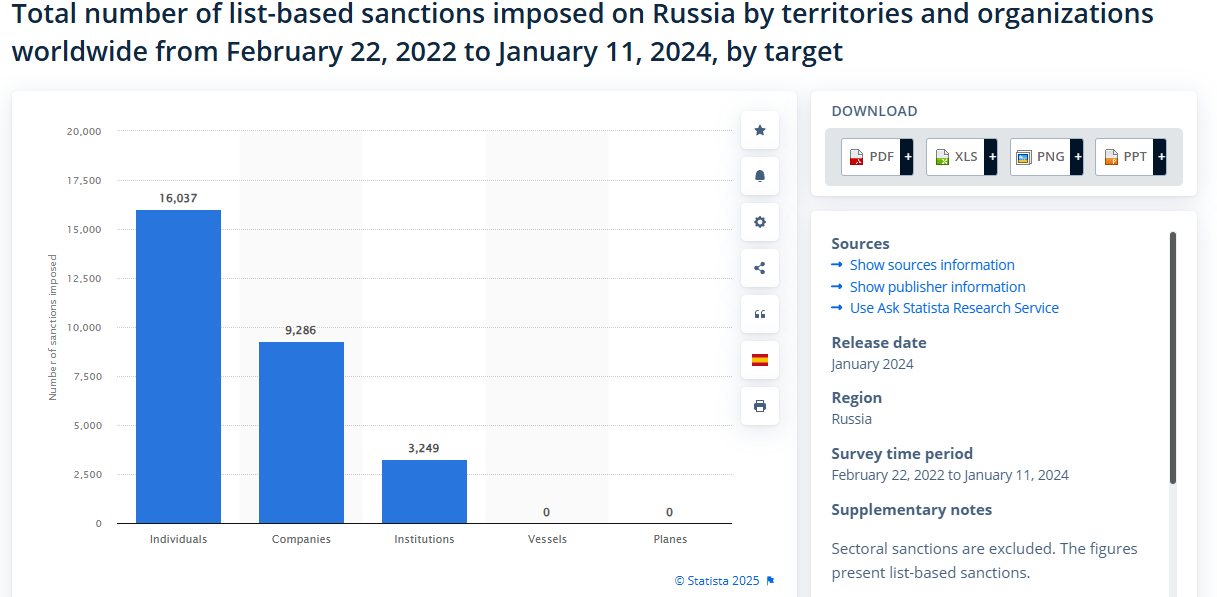
Sanctions Imposed on Russia can be divided into the following sectors:
Financial and Service Sector: a ban on SWIFT transactions has been enacted for ten Russian banks, including Sberbank. The Central Bank’s assets have been frozen. The European Union has prohibited the provision of various services to Russia, which encompasses crypto accounts, IT consultancy, and credit rating services. Both the EU and the United States have imposed restrictions on investments in Russia’s energy sector, with the EU additionally banning investments in mining and quarrying activities. Approximately 9,000 individuals and 1,800 companies are subject to asset freezes and travel restrictions.
Trade Restrictions: The G7 has established a price cap on Russian crude oil and refined products. The EU has banned imports of most refined products, seaborne crude oil, and coal, while the U.S. has implemented a complete ban on Russian fossil fuels. Germany has halted the certification process for Nord Stream 2. The G7, U.S., and EU have also prohibited imports of Russian gold, and while the U.S. has banned Russian diamonds, the EU continues to import a significant quantity, particularly through Belgium. Additionally, there is an export ban on high-tech goods, including items that could be utilized for military applications, as well as chips and aircraft components. Luxury items such as clothing, cars, and artwork are also subject to export restrictions.
Transportation Measures: Airspace has been closed to Russian aircraft, and vessels flying the Russian flag are barred from entering EU ports. Additional Actions The most-favoured-nation (MFN) status has been revoked at the World Trade Organization (WTO).
Entry restrictions for Russian nationals have been implemented by the Baltic states, Poland, and Finland, with the latter experiencing a notable increase in border crossings following the announcement of mobilization in Russia. The EU has banned state-sponsored media outlets RT and Sputnik. Furthermore, Russia has been suspended from participating in various cultural and sporting events, including UEFA and FIFA competitions, as well as Eurovision.
Why has Russia’s economy managed to withstand sanctions? According to Matthew Duss, Russia may well have prepared itself based on the example of Iran, which has been under sanctions for many decades.
I think as someone who has focused on the Middle East as well and watched the way that Iran has kind of created what they call a resistance economy that’s been under heavy sanction for decades now. And they’ve created a whole set of workarounds to that. I mean, Russia has, in my view, been watching and learning from the way they’ve done that. And of course, Russia has far more resources, natural resources, energy resources, upon which to build its own resistance economy. And also the fact that Russia has continued to trade with countries like India and others that have not joined the international pressure effort. So that has been an aspect of that as well. But I think even though the costs clearly have been severe, the logic of these kinds of sanctions is twofold. One is we want to prevent the target country from obtaining certain tools, instruments, weapons, and components. But the second piece of that is we’re trying to put pressure on a population that will in turn put pressure on its government to change policy. And when you have a government that really doesn’t care all that much or is as insulated from any public pressure, as the Russian government is, or as most authoritarian governments are. That’s not to say they don’t pay attention to public opinion. They do. But the tools for the public to express that displeasure are very, very limited. Those governments just can carry on as they want. That’s what we’re finding out, – Matthew Duss, executive vice president at the Center for International Policy, expert on U.S. foreign policy expert on U.S. foreign policy.
Sanctions that don’t work: or what to do with Russia’s “shadow fleet”?
The G7, EU, and allies have set a $60 per barrel price cap on Russian crude oil to limit Moscow’s revenue while keeping global supplies stable. However, Russia has found ways to evade this cap, especially through third-party countries, shadow fleets, and alternative payment mechanisms.
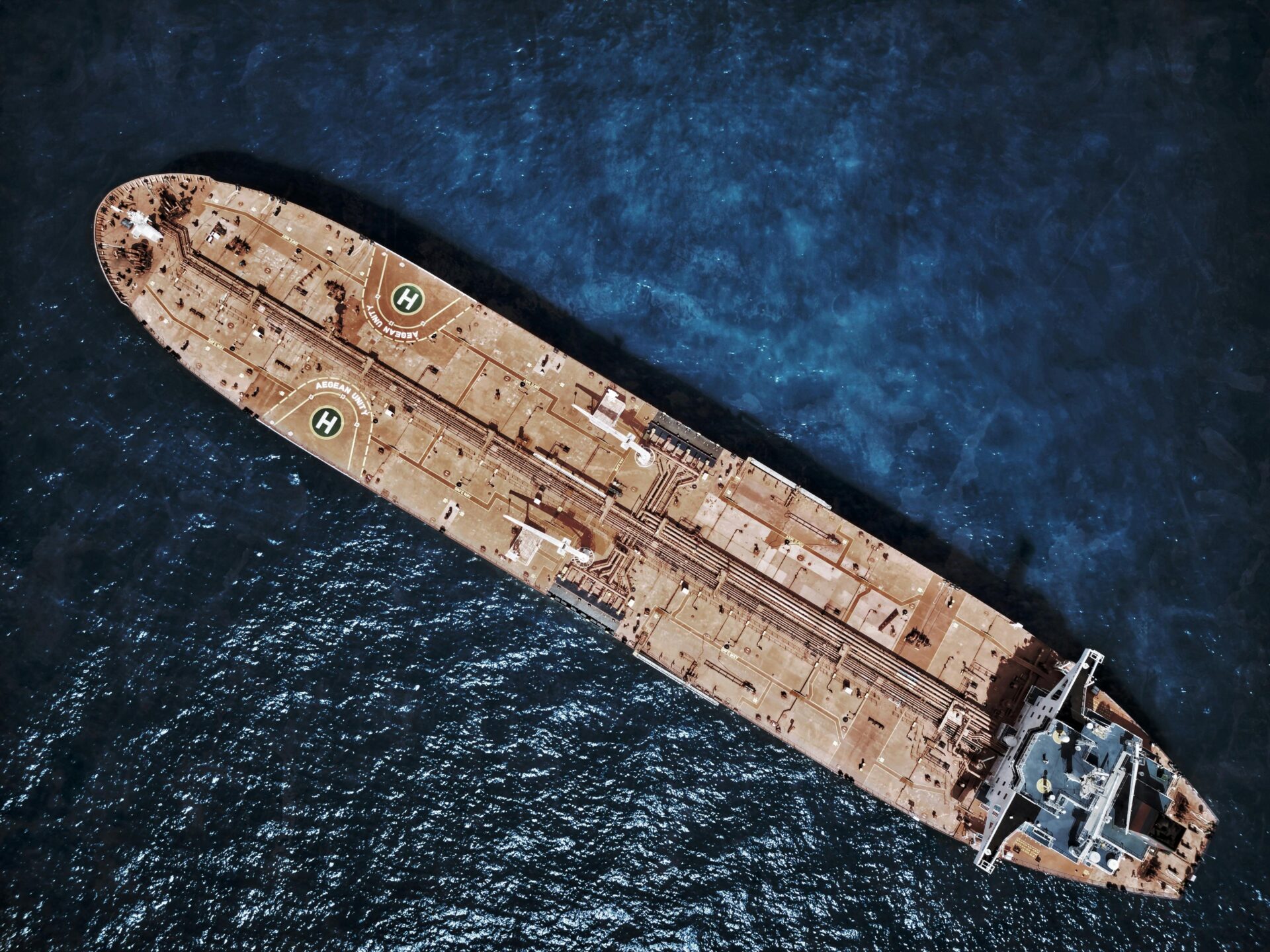
The so-called “shadow fleet”, which supplies energy to the customer, plays an important role in avoiding sanctions. Without this fleet of tankers and gas carriers, Russia would have to show up on pipelines. However, in 2021, Russia supplied gas to China via the Power of Siberia pipeline at a price of $196 per thousand cubic meters, with an average world price of about $1,000 per thousand cubic meters, and the break-even point of the pipeline itself was determined by experts at $350 per thousand cubic meters. So, at least in this case, Russia was going into the red in an attempt to win China’s favor. However, the fleet that is engaged in the transportation of Russian energy resources is a big problem.
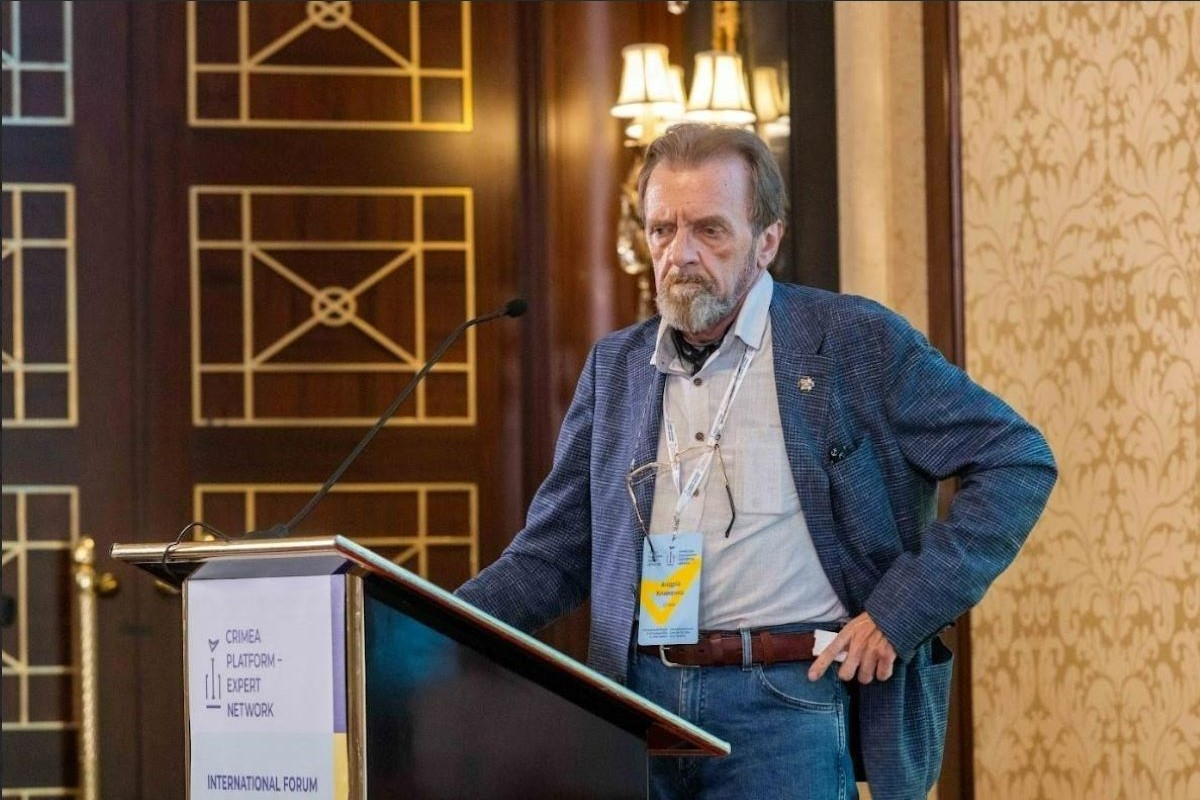
Our extensive experience in monitoring vessel traffic allows us to say that the actual number of tankers with Russian oil is at least 20% higher than reported by foreign colleagues. For example, in January 2025 there were not 402, but 500. This is due to the fact that Russia distorts some of the information, — Andrii Klymenko, Institute for Black Sea Strategic Studies, Sanctions and Freedom of Navigation Monitoring Group.
To combat violations of sanctions, it is advisable to apply the following sets of measures:
Track & Sanction Violators. Expand the use of satellite tracking, shipping logs, and customs data to identify tankers carrying Russian oil above the price cap. Impose secondary sanctions on companies that engage in price cap violations, including intermediaries in China, India, Turkey, and the UAE. Use big data to monitor suspicious trading patterns.
Blacklist “Shadow Fleet” Tankers. Russia uses a fleet of old, unregistered tankers to transport oil secretly. Ban these ships from docking at G7 and EU ports. Work with major ports to deny services (e.g., repairs, refueling) to ships that violate sanctions.
Pressure Flagging Countries. Many Russian oil tankers are reflagged under Liberia, Panama, and the Marshall Islands. Work with these nations to remove registrations from ships violating the price cap.
Ban Ship-to-Ship Transfers in Key Regions. Many shadow fleet operations involve STS transfers to mix Russian oil with other crude. Increase surveillance in known hotspots, including:
- Laconian Gulf, Greece
- South China Sea (Malaysia, Indonesia)
- Oman & UAE waters
Work with coastal nations to enforce strict reporting rules for oil transfers.
To counteract this, EU ambassadors have agreed on new sanctions targeting Russia’s “shadow fleet” used to transport these fuels. Researchers suggest that strengthening sanctions could reduce Russian fuel revenues by 20%.
LNG terminals in Europe: no decision yet
For some experts, the way out of the situation of Europe’s dependence on Russian energy sources seemed to be the construction and use of terminals for liquefied natural gas. However, the sanctions packages adopted by the EU do not yet provide clear clarity regarding a complete ban on the purchase/first transhipment of Russian gas.
In general, this issue was quite hotly debated at various political levels. I think that now the European Union is close to a consensus on a complete refusal. Either this will be done through a sanctions ban, or as a separate decision on energy security, but I think that in the end the European Union will be able to resolve this issue, – said the Ukrainian President’s Commissioner for Sanctions Policy Vladyslav Vlasyuk in mid-February 2025.
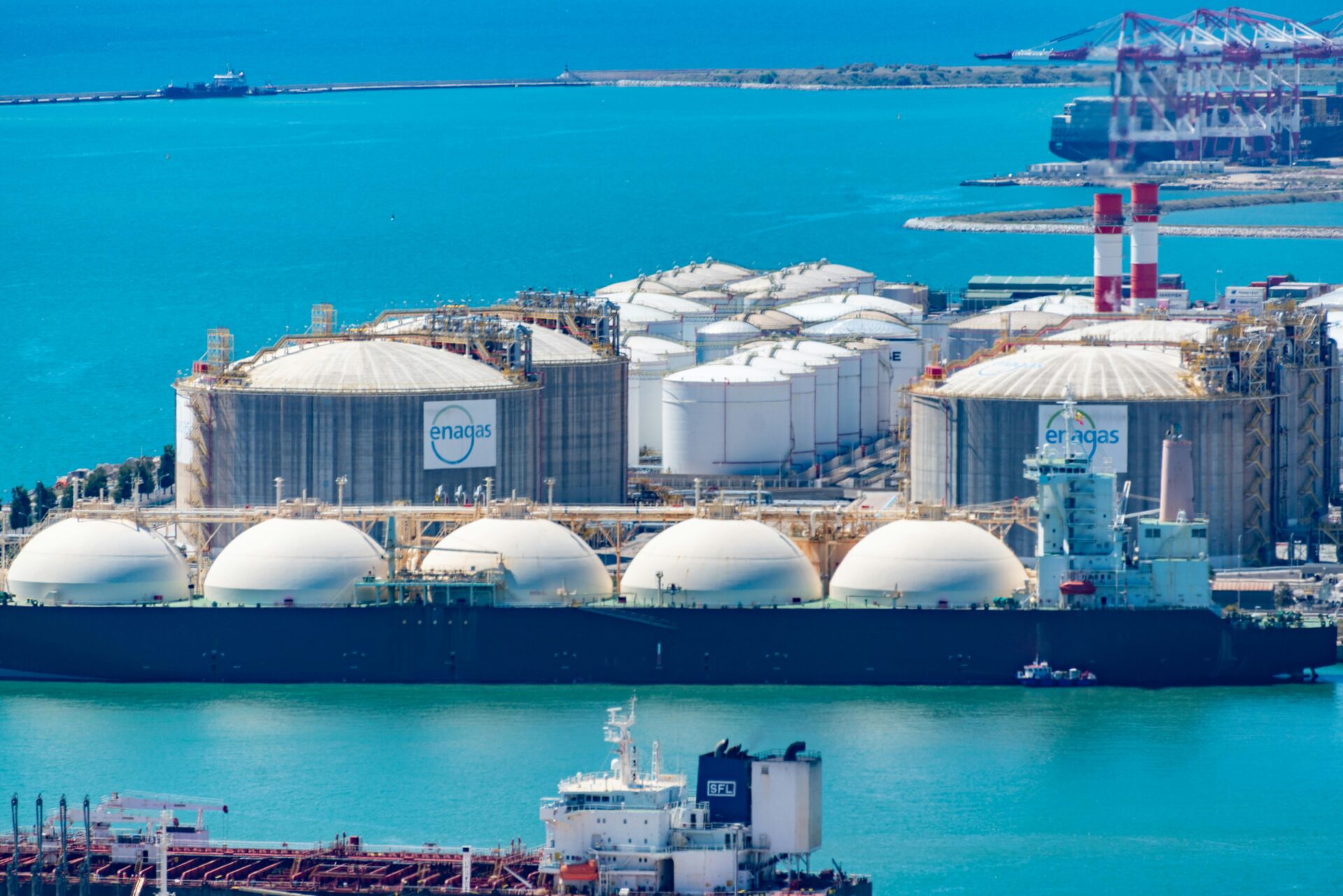
How important this is can be seen from the figures for the increase in Russian gas supplies.
Jan-Eric Fähnrich, a gas analyst at Rystad Energy, said the role of LNG in the EU and UK has grown dramatically since the start of the war, shooting up from a prewar high of 81.3mt in 2019 to 119mt in 2022. He said: Russia captured the spot as No 2 LNG exporter to Europe last year.
Last year, EU countries imported a record amount of liquefied natural gas, paying Russia more than $7 billion for it. It doesn’t make sense to increase LNG purchases against the backdrop of this situation, given the embargo on oil by sea, voluntary refusals or a ban on gas imports through pipelines, — Vlasyuk noted.
Is it possible to use frozen Russian assets?
As of 2024, more than $300 billion in Russian Central Bank reserves are frozen by the G7 countries following a full-scale invasion. The European Union and some of its member states, notably Germany, France and Italy, have raised concerns about the plan due to the difficulty of reconciling the confiscation with established principles of international law — most notably foreign sovereign immunity — and its potential impact on financial markets.

We asked Dovydas Vitkauskas’ various consultant roles in Ukraine including a Team Leader of a number of EU-funded governance reform projects since 2016:
Can sanctioned Russian money also help Ukraine?
No. I made a prediction more than a year ago that the West will not confiscate sanctioned Russian sovereign assets for the benefit of Ukraine. That prediction still holds true. A billion dollars a year or so given to Ukraine from the Russian Central Bank’s profits abroad is a teardrop in the ocean of Ukraine’s financial needs.
How big are Russia’s frozen assets compared to international inflows into the Ukrainian economy?
The Ukrainian economy is still down 25% from the pre-2022 level, so some growth can and should be expected from the recent bottom. But almost all the economic growth now owes exclusively to loans and grants from the European Commission and the World Bank, together with bilateral financial guarantees by the US, UK, Canada, Japan, and other Western governments. Some USD 120 billion have been paid directly into the Ukrainian treasury by way of direct budget support from these donors since 2022. This is a very sizable amount, because the Ukrainian annual GDP is only about USD 160 billion. Foreign financial injections now contribute to some 25% of the economy, or 50% of the State budget, each year. As a result, Ukraine’s government debt has already ballooned to 100% of GDP. Servicing the debt will be difficult in a high-interest rate economy, which is in no position to print its own money as it pleases. The budget deficit for the last 3 years has been largely the same, and will continue to be such in 2025. One can realistically expect the public debt to GDP to stand at 125% of GDP by the end of this year. In other words, the Ukrainian economy and the budget is on foreign donor steroids, provided upon the government wishlist.
But the Western support made good impact on Ukrainian salaries, which rose by more than 20% in 2024:
You probably mean the average public sector salaries of the central government, which rose to more than USD 1,900 per month (pre-tax) in early 2025. However, the average salary in the country is still lingering below USD 470 per month. This means that the Kyiv bureaucrats are getting paid 4 times more than the country’s other workers. And those in the public sector are now paid better than in the private sector. It is hard to see any economic logic here – a certain political logic, perhaps. Since 2022, owing to the donor injections, the role of government spending in Ukraine has almost doubled to more than 50% of the country’s annual GDP! But Ukraine is no Scandinavian country – it has no history or culture to absorb such an economic role enjoyed by the government. Time and time again news continues to break about improper public procurement contracts delivered at exorbitant prices to “friendly” subcontractors in the Ukrainian defence, energy and other sectors. The level of kickbacks and bribes to public sector officials does not appear to be decreasing, despite the abundance of criminal investigations. 42 Members of Parliament (from the current election phase, including from the President’s own party) are under criminal investigation right now, alongside thousands of other public officials! It is too easy to point the finger at the corruption in the higher or lower echelons of power in Ukraine, especially at the time of havoc caused by war. But perhaps it is now time to increase awareness that foreign donors are directly complicit in enabling this continuing corruption and embezzlement in Ukraine – simply by continuing to feed the public sector beast at such volumes.
***
Sanctions have adversely affected the Russian economy and limited its access to Western technology; however, they have not significantly undermined its military operations or prompted political transformation.
The primary takeaway is that sanctions, when implemented in isolation and without accompanying military and diplomatic measures, possess limited efficacy in achieving compliance, particularly against a resource-abundant nation prepared to withstand economic difficulties.
A more impactful strategy might include enhancing enforcement measures (such as preventing sanction evasion through intermediary nations) and integrating economic pressure with increased military support for Ukraine.
Ukraine continues to hope for the use of frozen Russian assets, but this is a debatable issue that has not yet found support among EU politicians. Direct economic assistance from the EU does not correlate with the transfer of frozen assets to Russia and consists of transfers and loans. The foreign policy situation of relations between Ukraine and the United States puts US support into question or depends on the immediate interests of the Donald Trump administration. It is also possible to consider the US sanctions policy towards Russia as a factor of pressure on Ukraine: easing sanctions could be an extremely unpleasant signal for countries other than the EU, which consistently advocate sanctions pressure against the Russian Federation (with the exception of Hungary and Slovakia).
Stanislav Kinka