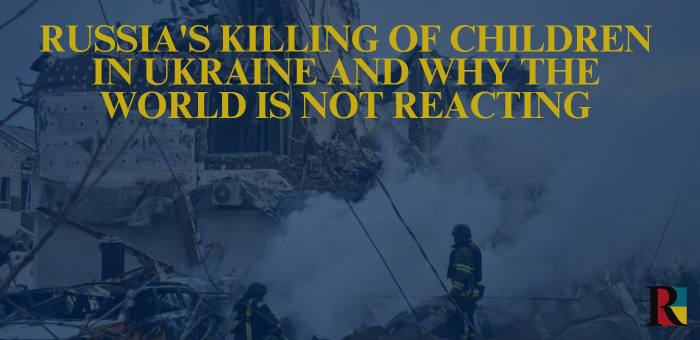


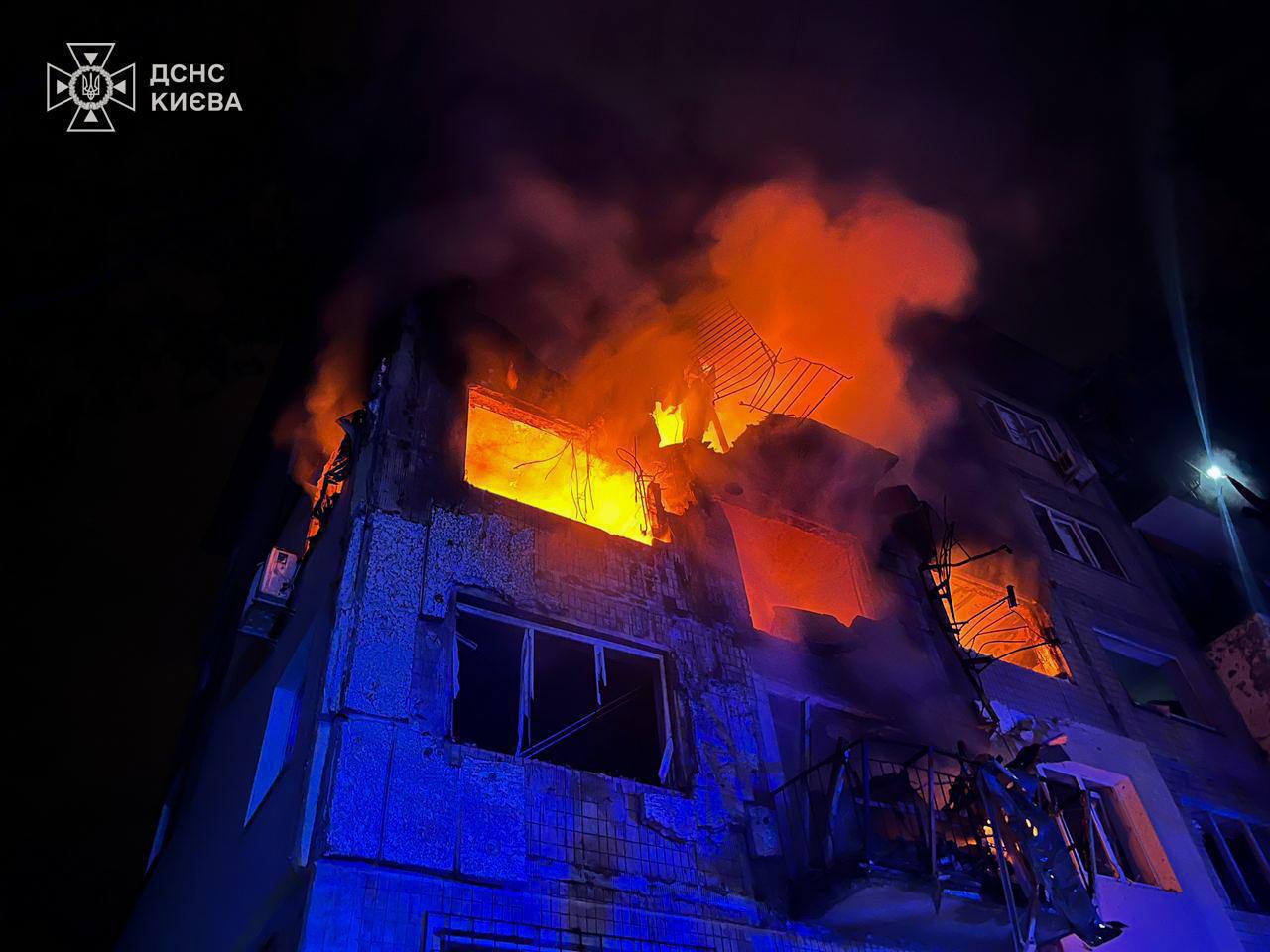
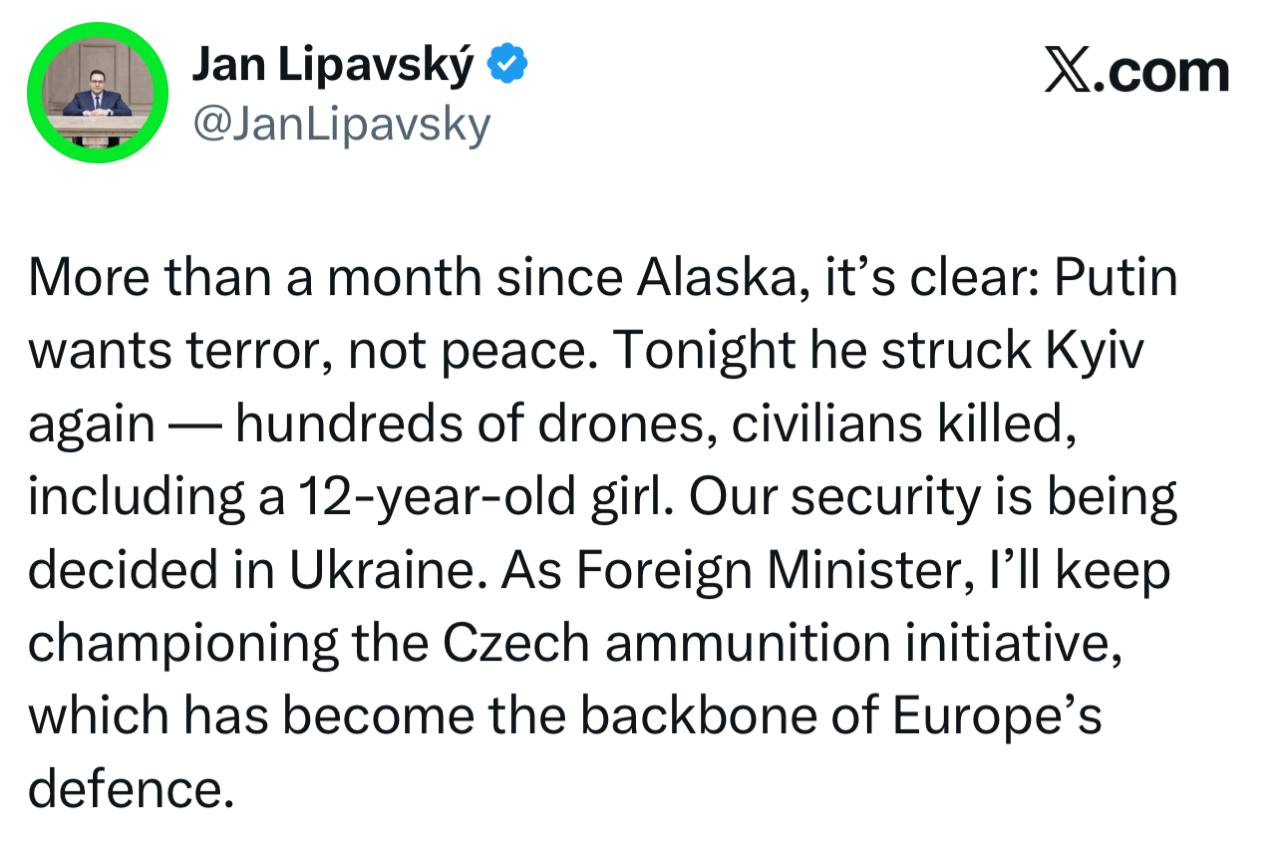
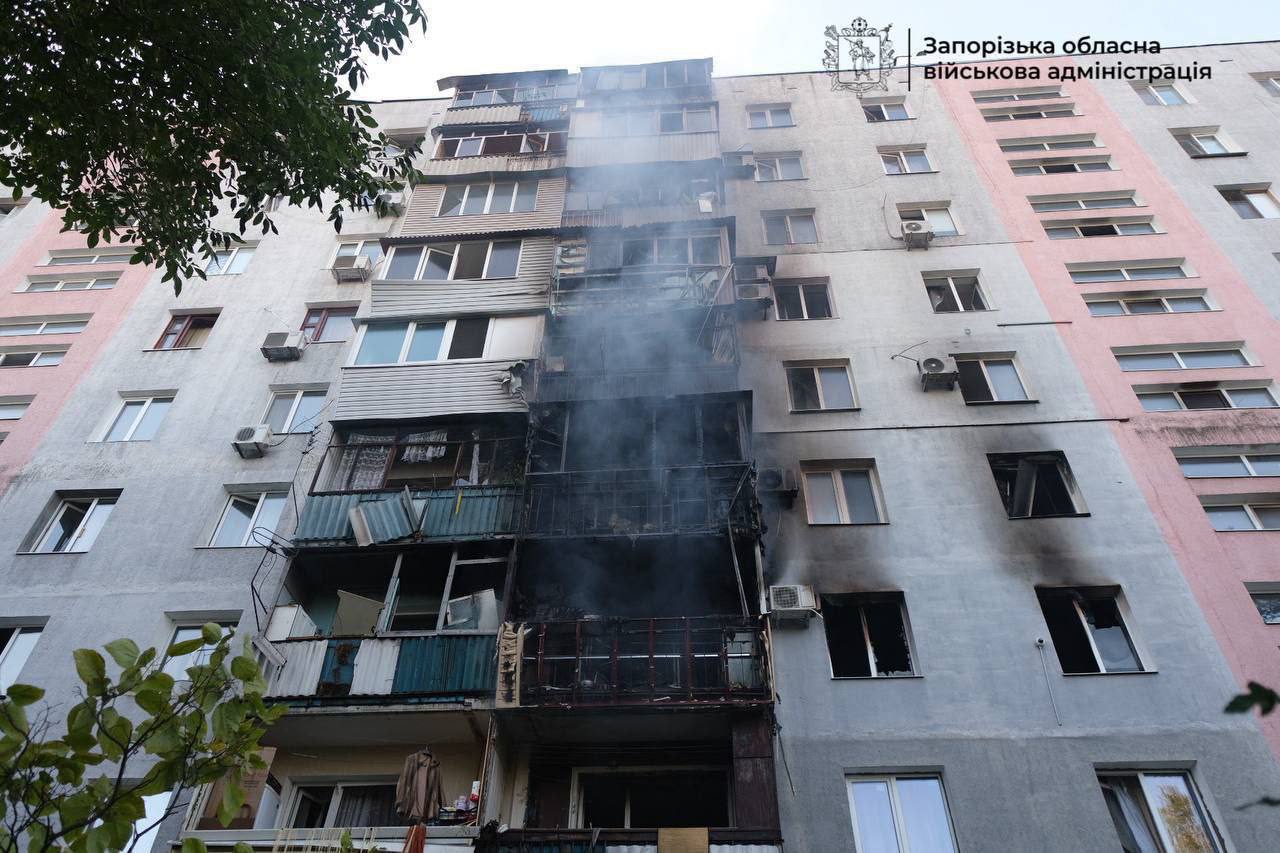
On September 28, 2025, Russia launched another massive attack on Ukraine using drones and missiles. The number of drones exceeded 500, with dozens of missiles fired. Residential areas and civilian infrastructure, including kindergartens and hospitals, were hit. Among the civilian victims was a 12-year-old girl killed in Kyiv.
The international community responded with statements of condemnation, calls for diplomatic pressure. Yet these responses still fall short of political or military decisions that could truly force Russia to stop.
Fear of Escalation and the Risk of War with Russia
In many Western countries, voices of “Ukraine fatigue” are becoming louder. Political parties seeking election victories promise to reduce the financial burden of war support and shift attention to domestic issues: inflation, energy prices, social policy. In democratic societies, leaders are often reluctant to take high-risk decisions without broad public backing.
One of the main obstacles to decisive action is the fear that direct intervention—such as creating “safe zones,” military escorts, or a ground operation—could trigger direct confrontation between NATO and Russia. Moscow frequently responds with threats of “decisive retaliation.” The Kremlin uses this rhetoric as a tool of deterrence.
Even when the West supplies Ukraine with weapons, ammunition, and air defense systems, this support remains part of an asymmetric war rather than direct involvement. NATO is officially not a party to the conflict. Moreover, many of the systems provided come with restrictions on range, logistics, or political conditions.
Many states still retain significant economic or energy ties with Russia—gas, oil, and trade. In some countries, lobbying groups, business interests, or long-standing ties with Moscow slow down the adoption of tougher sanctions or restrictions. This provides the Kremlin with a cushion of impunity.
The Murder of Children
Daily reports of children killed, residential blocks destroyed, and schools bombed have become a grim routine. For many news consumers, “another attack” no longer shocks—it becomes background noise. Media rarely return to deeper context due to audience fatigue, as other crises—recessions, climate change, domestic politics—compete for attention.
The globe is saturated with crises: the Middle East, Africa, climate disasters. Each demands space in the information agenda. In this context, “the killing of children in Ukraine” tragically loses its uniqueness as one tragedy among many.
States that once reacted sharply now carefully balance rhetoric with cautious actions, fearing backlash from domestic opposition or friction with allies. Statements often carry symbolic rather than practical weight.
When attacks become routine, when destruction and death appear in daily footage, even the most horrific events risk being normalized. People far from the front adapt psychologically to new thresholds of violence.
This does not mean indifference—but the intensity of outrage declines.
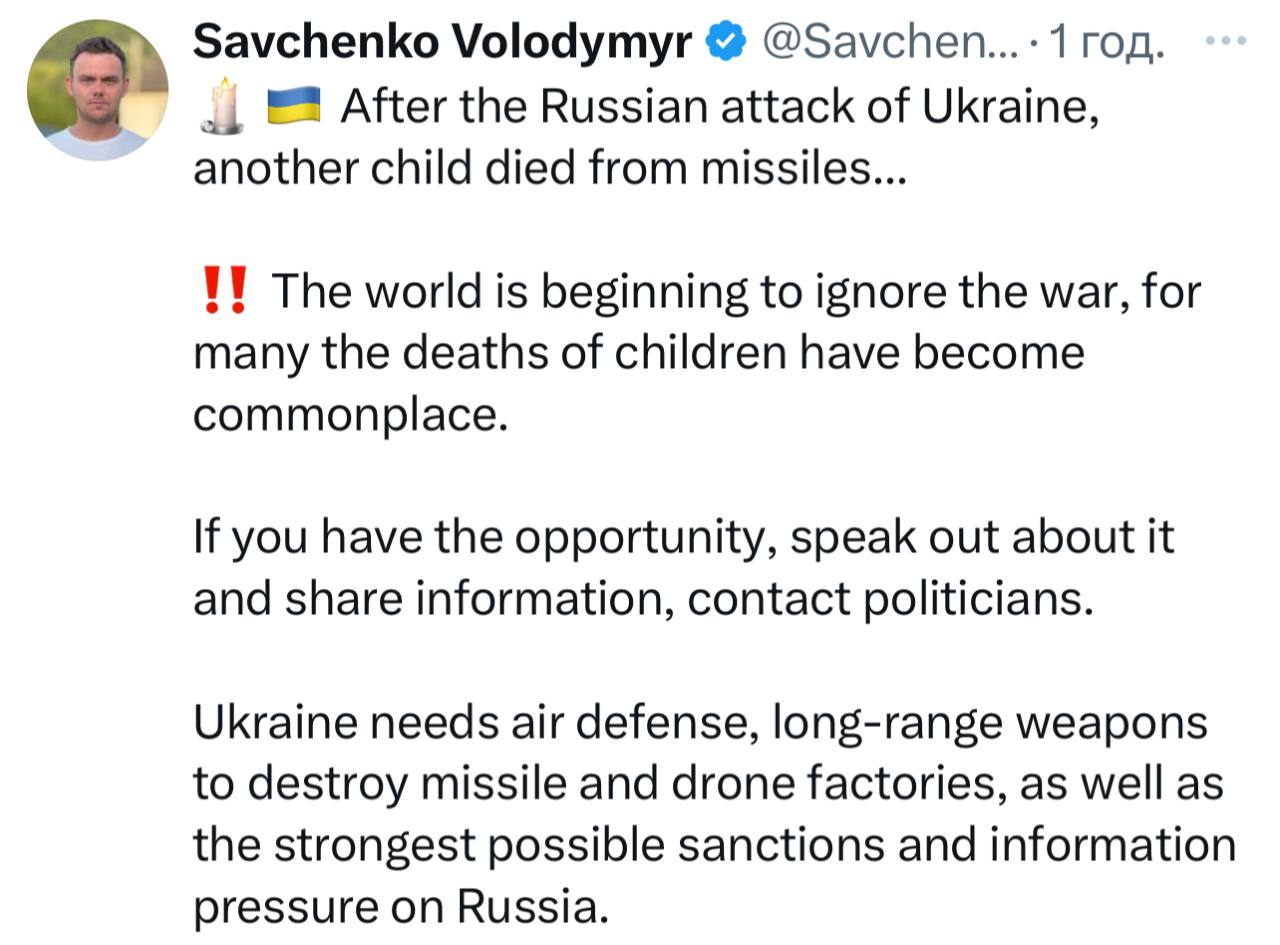
Volodymyr Savchenko, CEO of The Ukrainian Review said:
After the Russian attack of Ukraine, another child died from missiles… The world is beginning to ignore the war, for many the deaths of children have become commonplace.
If you have the opportunity, speak out about it and share information, contact politicians.
Ukraine needs air defense, long-range weapons to destroy missile and drone factories, as well as the strongest possible sanctions and information pressure on Russia.
Conclusion
The world faces both a moral and strategic dilemma: how to stop an aggressor without triggering a full-scale war with Russia. Structural barriers: fear of escalation, political fatigue, energy dependence, and weak institutional mechanisms prevent many states from going beyond symbolic measures.
Yet even statements and sanctions matter, they uphold Ukraine’s moral front and sustain pressure on Moscow. But moral pressure alone will not stop Russia.
The most terrifying aspect is not simply that the world “doesn’t react,” but that it has grown accustomed to children’s deaths as a background fact in the news cycle. Without renewed emotional and political engagement from societies, and without mechanisms to hold the aggressor accountable, this war risks dragging on for years more.
Team of The Ukrainian Review