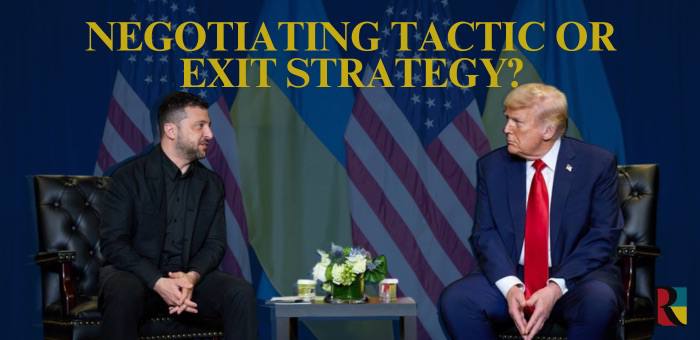


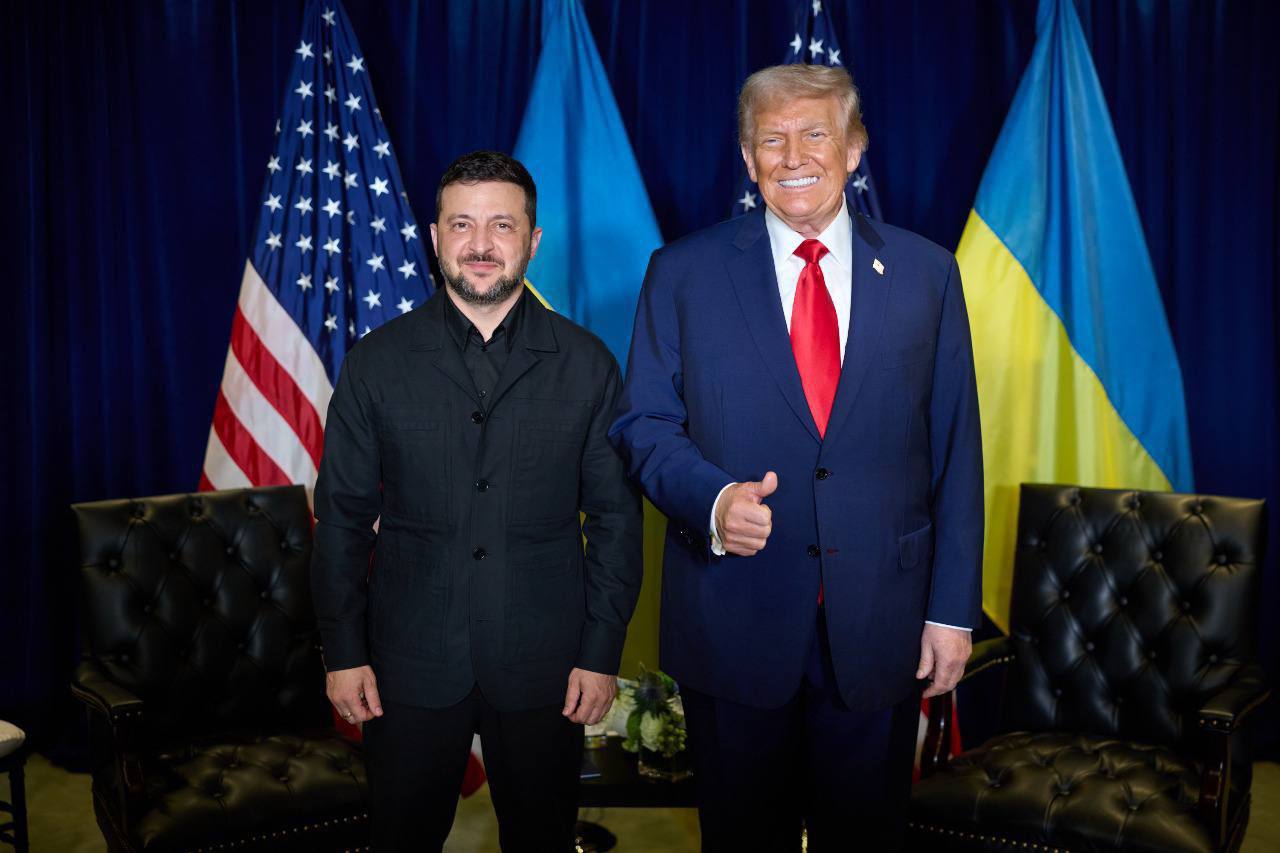
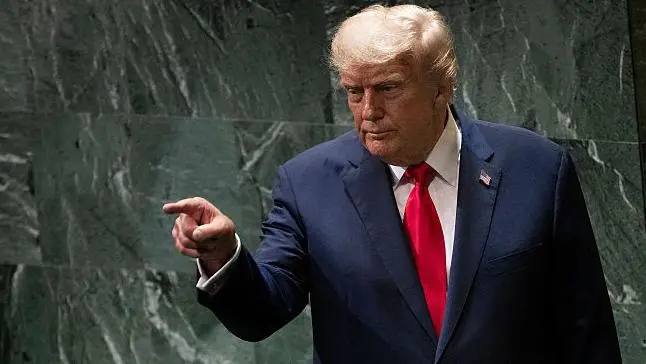
President Donald Trump’s position on Ukraine has undergone a striking transformation. For months, he argued that Kyiv would eventually have to negotiate concessions. Yet after his meeting with President Volodymyr Zelenskyy at the UN, Trump declared that Ukraine can regain all of its lost territory—with one caveat: Europe must carry most of the weight. From the UN podium to posts on Truth Social, he called Russia a “paper tiger,” but simultaneously demanded that the EU cut its oil imports from Moscow and vastly increase support for Kyiv.
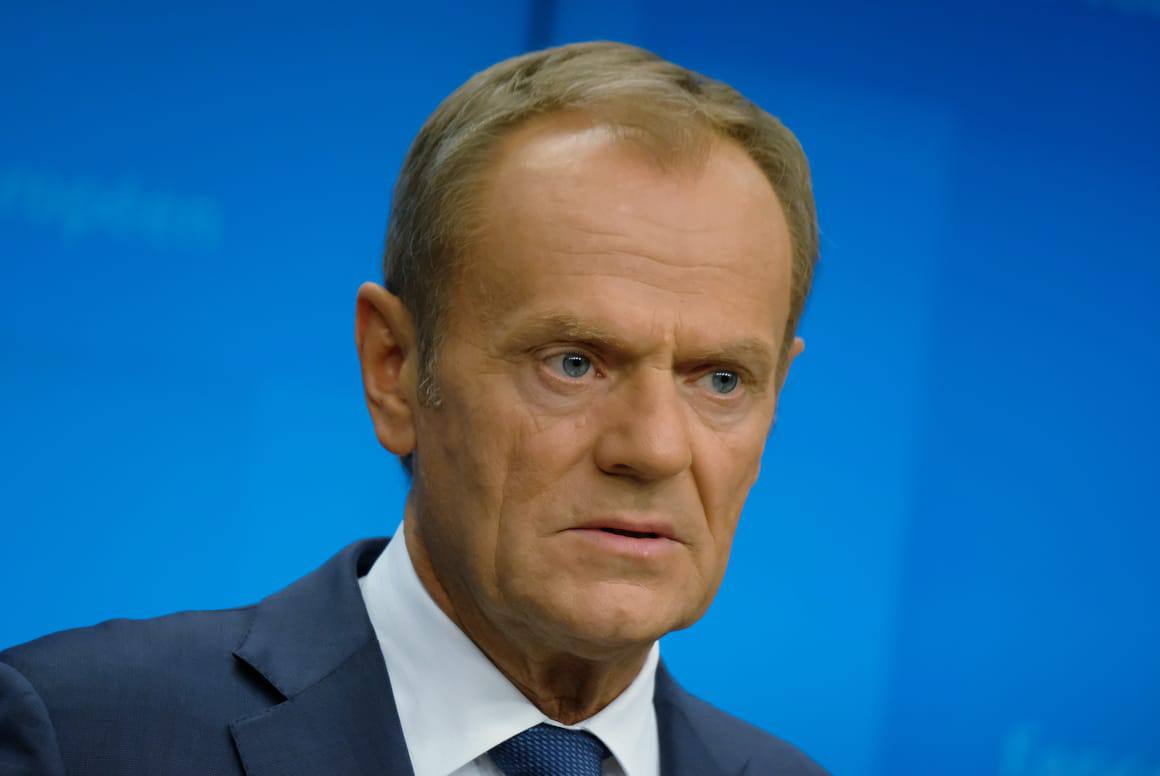
This sudden optimism is not universally welcomed. According to FT, European officials fear it masks a looming American disengagement. Donald Tusk put it sharply:
“President Trump has stated that Ukraine could, with the support of the EU, regain all of its territory. This surprising optimism conceals a promise of reduced U.S. involvement and a shift of responsibility for ending the war to Europe. Truth is better than illusion.”
Zelensky’s Balancing Act
For Zelenskyy, Trump’s new language is both opportunity and risk. In public, he welcomed it as a “big shift” and “very positive,” pointing out that the U.S. president now openly rejects the idea of “swapping territories.” In his interview on The Axios Show, Zelenskyy stressed that Ukraine already has deep-strike drone capabilities and asked Washington for new long-range systems to pressure Moscow. He also warned Russian leaders to end the war—or prepare to “seek shelter” from Ukrainian retaliation.
At the same time, Zelensky used his UN trip to criticize allies for “wasting time” with half-measures. His message was clear: rhetorical encouragement is not enough. What matters is rapid delivery of weapons and decisive sanctions.
Negotiating Tactic or Exit Strategy?
Analysts are divided over Trump’s motives. Some sources told The New York Post that the shift is a classic Trump maneuver: a negotiating tactic aimed at pressuring Russia by projecting confidence in Ukraine’s ability to win. They point to new intelligence on Russia’s financial and military difficulties as the trigger for the shift.
Yet others warn this is less about strategy and more about political insulation. By insisting that Ukraine’s success depends on Europe, Trump creates a ready-made explanation if things go wrong: Washington encouraged Kyiv, but Europe failed to deliver. In this sense, the “optimism” doubles as an exit strategy, shielding Trump domestically while shifting risk to Brussels.
Europe Caught in the Middle
For Europe, Trump’s repositioning creates a dilemma. On one hand, leaders cannot ignore the U.S. president’s pressure to increase military and financial support. On the other, they see the danger of becoming scapegoats if Ukraine stalls or Russia regains the initiative. Tusk’s warning reflects broader unease that Trump’s “support” may in practice mean a reduced American role and greater European exposure.
This comes at a time when European unity is already strained: debates over energy embargoes, budget limits, and defense readiness expose fractures within the EU. Trump’s approach amplifies those divisions while allowing him to posture as both supporter of Ukraine and critic of Europe.
Conclusion
Trump’s exit strategy is not just rhetorical theater—it reflects a deliberate recalibration of responsibility. His message combines ridicule of Russia, encouragement of Ukraine, and pressure on Europe. But beneath the surface lies a clear logic: maintain U.S. influence at minimal cost, while ensuring someone else carries the burden if the war drags on.
For Ukraine, this means navigating a landscape where words may not translate into material support. For Europe, it means facing a stark choice: step up and risk blame, or hold back and risk isolation. And for Russia, it signals that Washington will continue to apply psychological and diplomatic pressure, even as its military commitments remain uncertain.
Whether this maneuver accelerates negotiations or simply distances the U.S. from direct responsibility will define the next phase of the war.
Team of The Ukrainian Review