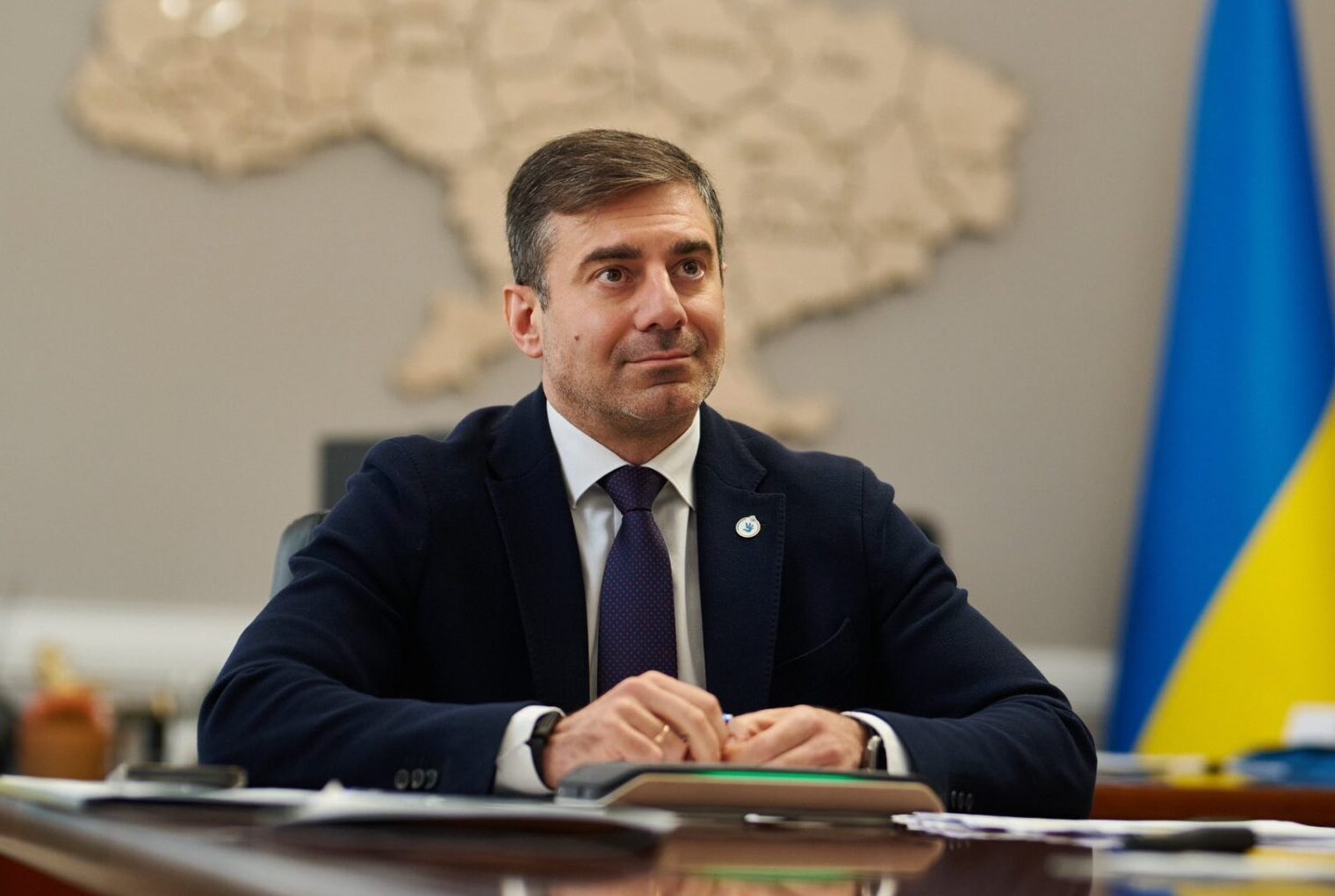


Ukraine’s Parliament Commissioner for Human Rights, Dmytro Lubinets, commented on how Russia holds Ukrainian prisoners of war. He described the conditions, the consequences, and the ways to pressure Russia.
Conditions of detention in Russian captivity
In an interview with The Ukrainian Review, Lubinets said Russia constantly violates the rules for holding Ukrainian POWs and unlawfully detained civilians. Moreover, it ignores all provisions of the Geneva Convention on prisoners of war. As a result, detainees develop or face worsening physical and mental illnesses.
According to the ombudsman, Russians torture 95% of Ukrainian prisoners. This figure is also confirmed by the UN Human Rights Monitoring Mission in Ukraine.
“Prisoners are starved, held in cold or overcrowded cells, and denied medication (the largest recorded weight loss is 77 kg over 5 months). People are left without contact with their families for years. They are forced to sign false confessions, subjected to constant psychological pressure, humiliated, and broken,” Lubinets said.
Furthermore, torture often leads to death. Russians use it to force prisoners to admit alleged crimes against civilians. Lubinets stressed that some Ukrainian soldiers died after returning from captivity.
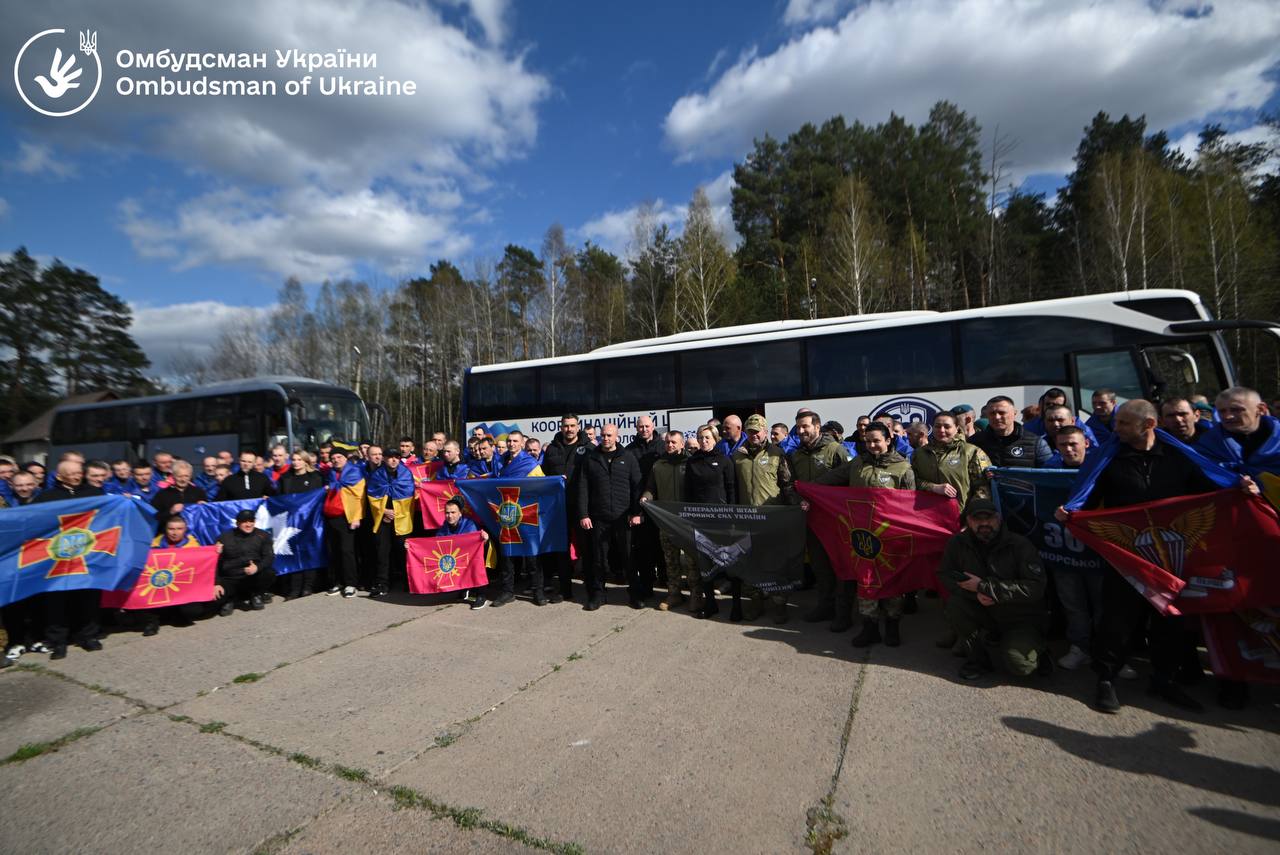
At the same time, Russia manipulates prisoner exchanges and ignores agreements. For example, Ukraine offered to prioritize severely ill prisoners, but Russia did not follow this. In August 2025, Ukraine received the remains of five soldiers who died in captivity. They were on priority exchange lists. However, delays by Russia cost them their lives.
A systematic pattern of war crimes
Lubinets emphasized that these crimes are not isolated. Instead, they form a system. Russia runs a centralized policy at the highest military and political levels. Torture is massive and regular. It follows similar scenarios.
In addition, Russia does not investigate or punish these crimes. Sometimes, officials and state media even publicly support them. Lubinets cited statements from Russian leadership. For instance, in March 2025, the Russian president said Ukrainian fighters in the Kursk region were terrorists under Russian law and should be treated accordingly.
Pressure on Russia
Lubinets stated that only strong international pressure can force Russia to follow the Geneva Conventions, at least partly. Therefore, Russia must clearly understand that accountability is inevitable. Also, global attention must remain constant.
Key tools include legal accountability and stronger investigations of war crimes at the International Criminal Court and in national courts under universal jurisdiction. In addition, countries can create special tribunals.
“The understanding that crimes will be investigated regardless of time is one of the strongest deterrent factors,” he said.
Finally, Lubinets highlighted sanctions, international isolation, monitoring, and reputational pressure. He called them effective. In his opinion, a just peace is impossible without proper legal assessment of violations by the aggressor state. Especially when it deliberately ignores the Geneva Conventions and the Rome Statute of the ICC.
Earlier, The Ukrainian Review reported that Commander-in-Chief Oleksandr Syrskyi signed an order on mandatory troop rotation. Soldiers will stay at front-line positions for up to two months.