

The EU plans to present a legal proposal in the coming days that will finally allow the bloc to use Russia’s immobilized central bank assets as collateral for a €140 billion loan to Ukraine, Bloomberg reports.
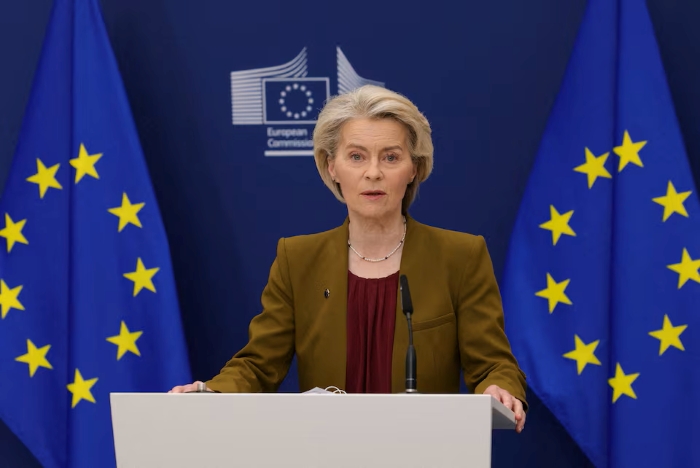
European Commission President Ursula von der Leyen announced the acceleration of the progress initiative during her speech in the European Parliament. She remains one of its strongest supporters.
Obstacles and concerns
European governments are now preparing an emergency “plan B.” They want to prevent Ukraine from running out of money early next year if they once again fail to reach a deal on using Russia’s frozen assets, Politico writes.
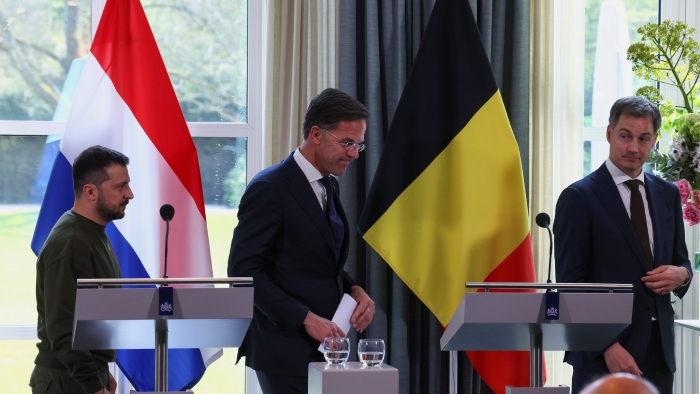
EU leaders still cannot agree on a mechanism. Belgium firmly opposed converting the blocked funds into a loan for Ukraine and stopped the decision during the latest consultations. Other EU members are trying to convince Brussels and the Belgian government to reconsider this stance, especially as the peace plan and its short acceptance deadline increase political pressure across Europe.
Among risks are: pressure on its financial system, possible lawsuits, and disproportionate responsibility for guarantees. Belgian officials insist that no country should carry legal and financial consequences on its own. Opposers of its idea think that such a precedent could discourage other states from keeping their reserves in Europe.
Economic gap in Ukraine
Ukraine and its partners continue to face serious economic challenges due to Russia’s full-scale invasion. By the end of September 2025, Ukraine’s public debt reached UAH 8,024.1 billion (around USD 194.2 billion). External debt amounted to UAH 6,063.2 billion, while domestic debt reached UAH 1,960.9 billion.
Because of this, frozen Russian assets have become a critical tool for stabilizing Ukraine’s finances and supporting its defense. At the same time, the EU is increasing its own defense spending, which puts additional pressure on national budgets.
Advocates of the decision
Donald Tusk, Prime Minister of Poland, on called on the EU to confiscate the assets of Russian Central Bank frozen in the EU and use them to help Ukraine. In February 2025, he wrote on social media: “Enough talking, it’s time to act. Let’s finance our aid for Ukraine from the Russian frozen assets.”
Ursula von der Leyen, President of the European Commission, — at the end of September 2025 proposed the concept of a “reparation loan” for Ukraine, which would be based on Russia’s frozen assets. She explained that this was not confiscation, but a loan that Ukraine would have to repay if Russia paid reparations.
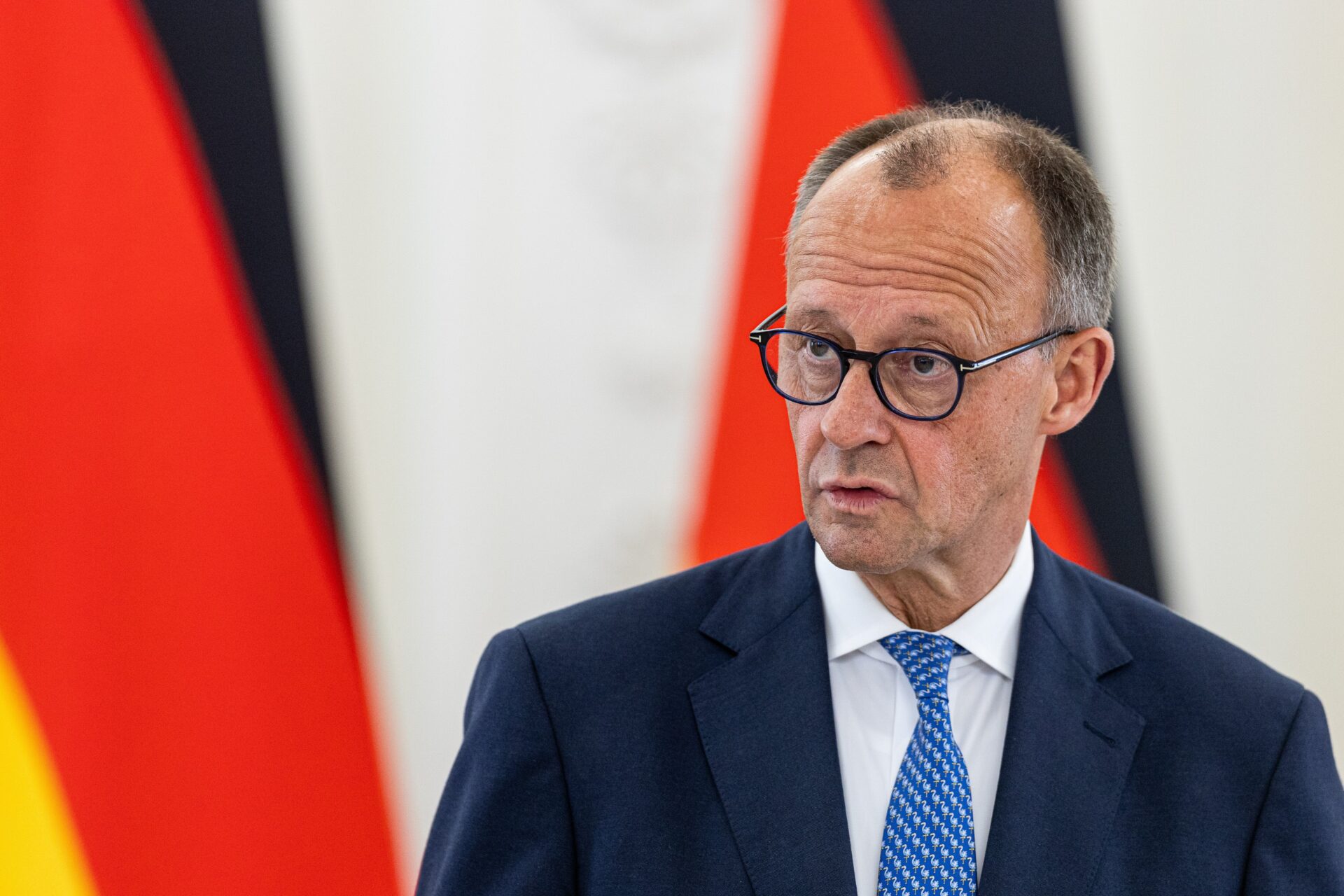
German Chancellor Friedrich Merz strongly supports the idea of assets` appropriate usage. In September 2025, he called for a mobilization of frozen Russian funds to provide Ukraine with around €140 billion for weapons. He stated: “This is a signal to Putin: we will support Ukraine, and we will take your savings.”
Several other prime ministers voiced similar positions after the Copenhagen summit on October 1, 2025. Petteri Orpo of Finland, Ulf Kristersson of Sweden, and Mette Frederiksen of Denmark all supported the idea, provided that the EU resolves legal and financial complications.
Conclusion
Frozen Russian assets remain one of the EU’s strongest tools to support Ukraine. The bloc continues to promise progress, yet internal disagreements and strict legal frameworks slow the decision-making process. Still, many European leaders expect Brussels to finalize the mechanism soon and unlock these funds under clear guarantees.