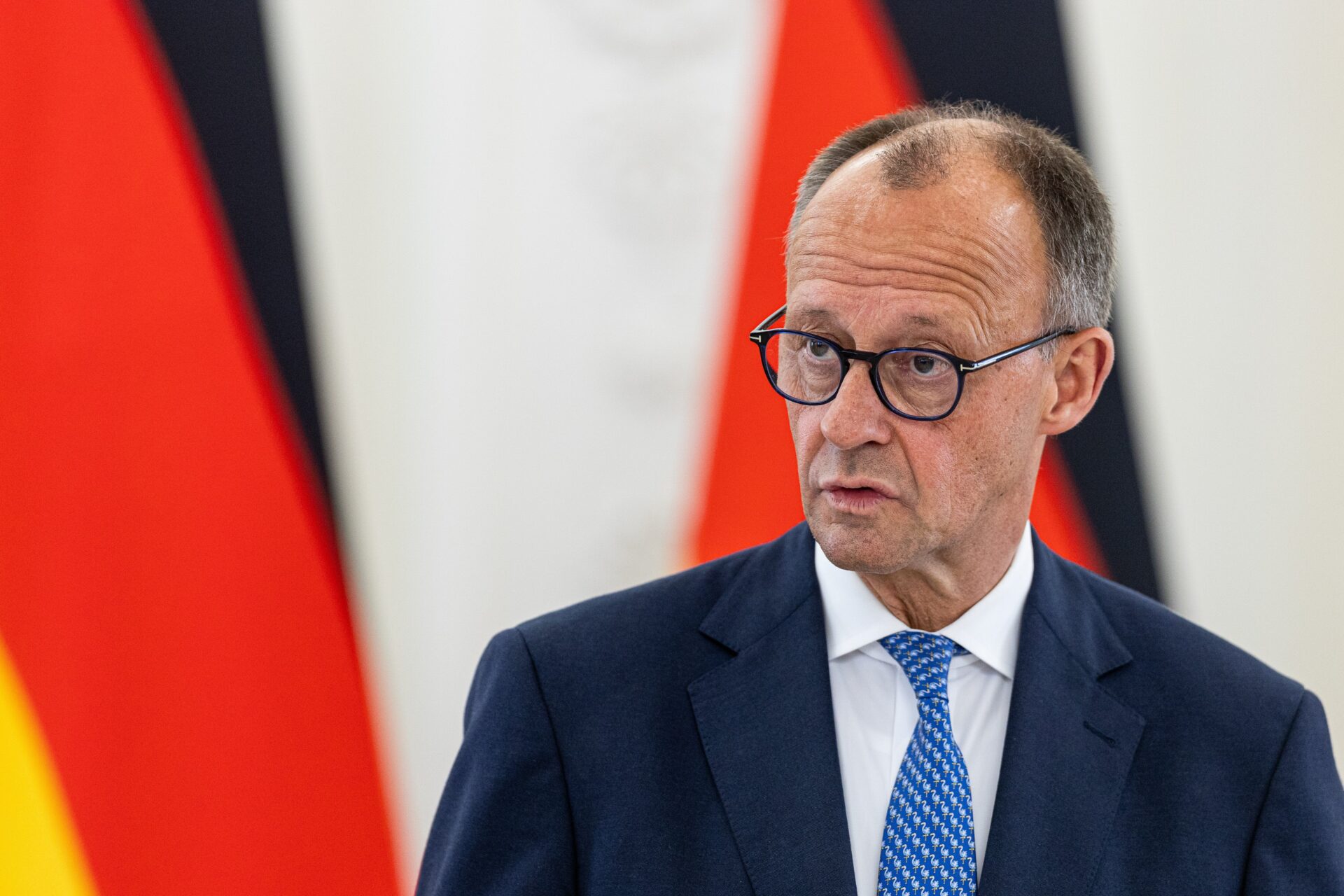


Germany is increasing its military support for Ukraine and providing €170 million in winter assistance. Chancellor Friedrich Merz announced this on November 26 during the debate on the federal budget for 2026 in the Bundestag.
What New Assistance Includes
According to Merz, the budget for supporting Ukraine will increase by €3 billion, reaching a total of €11.5 billion. An additional €170 million is allocated to restore infrastructure and ensure energy supplies during the winter.
“We will support the Ukrainian people as long as necessary. And we want to make frozen Russian assets available specifically for this,” the Chancellor emphasized.
In addition, €32 million will go to restoring the energy sector through NEC Ukrenergo.
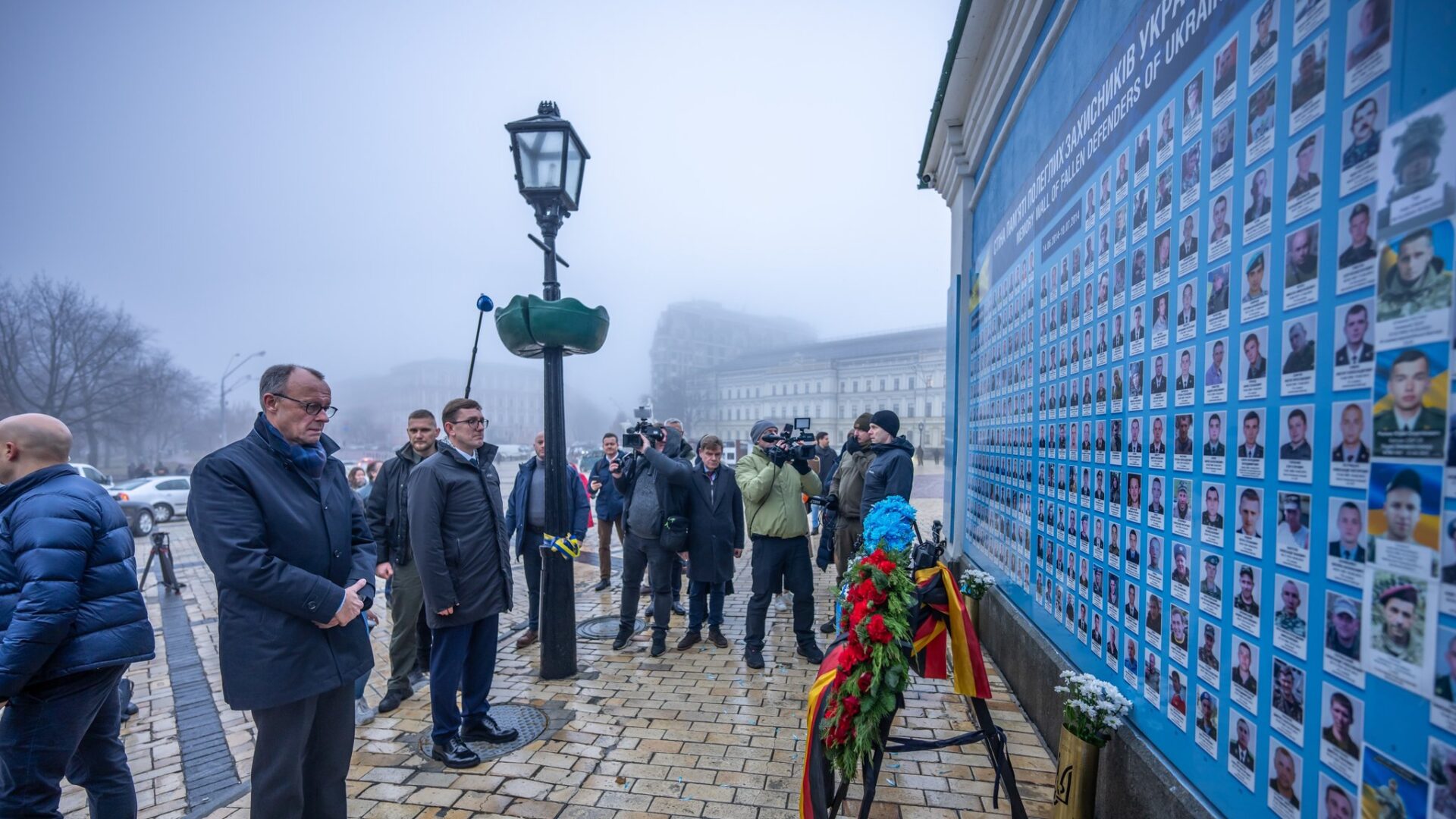
Why This Matters for Ukraine
First, the assistance ensures the stable operation of critical sectors such as energy, transport, and housing infrastructure. This is particularly important ahead of winter, when the consequences of Russian shelling could significantly disrupt citizens’ lives.
Second, the increase in military support and Germany’s clear stance sends a strong signal to Moscow: aggression will not succeed. Merz stated:
“In this conflict, there is only one aggressor. Naming it is a prerequisite for the internal compass needed to resolve this conflict.”

This position strengthens Ukraine’s negotiating power and rejects the idea of peace agreements being made behind Kyiv’s back.
Third, the aid integrates Ukraine into long-term European planning and strengthens relations with key partners. Germany’s tangible support demonstrates that Europe is ready to stand with Ukraine not only diplomatically but also practically, providing resources and financial backing.
Signal for Peace and Stability
Merz also stressed that peace through capitulation is unacceptable.
“An agreement made between major powers without Ukraine’s consent and without Europe’s consent cannot form the basis for true, sustainable peace,” he underlined.
At the same time, he noted that the war could end tomorrow if Russia stops its illegal aggression and withdraws its troops from foreign territory.
Conclusion
Germany’s increased support can strengthen Ukraine’s critical sectors and reduce risks, including energy-related crises during the winter. It enhances the country’s defense capabilities and somewhat reinforces Kyiv’s negotiating positions internationally, showing that peace through capitulation is unacceptable. Any agreements without the participation of Ukraine and Europe cannot be sustainable.
This decision integrates Ukraine into European planning, elevates its role as a reliable partner, and confirms the EU’s, particularly Germany’s, readiness to actively defend international values. It also signals to Russia that aggression will not succeed, while additional resources and frozen assets increase the costs of continuing the war.
Thanks to this support, Ukraine can maintain stability in vital areas and lay the groundwork for a just and sustainable peace based on international law and state sovereignty.