

Despite the fact that, at first glance, the peace talks process has begun, all this may turn out to be a bubble, because the positions of the parties have only become more crystallized in their irreconcilability: the Kremlin demands capitulation, Ukraine is fighting for its right to exist. Who will win depends on many factors. We analyze some of them in our article.
Planned perturbations
When information appeared in the media that the US had proposed a 28-point peace plan, Ukrainian society, and not only Ukrainian society, was divided in half: some said that it was nothing more than a plan for surrender, while others said that it was an opportunity to end the war in some way.
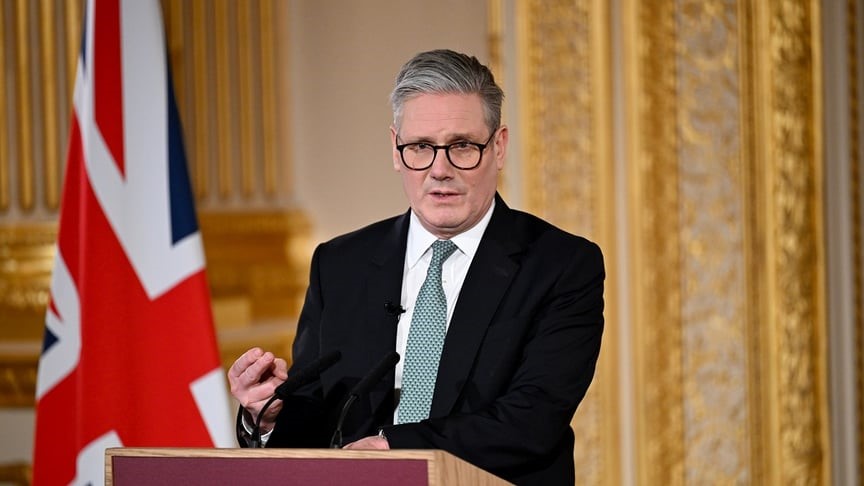
British Prime Minister Keir Starmer highlighted the differences and ambiguities of the “peace points”:
“The initial draft of the 28-point plan contained points that were unacceptable, but also some very important elements that will be necessary for a just and lasting peace.”
However, before the document could be fully discussed, it was canceled.
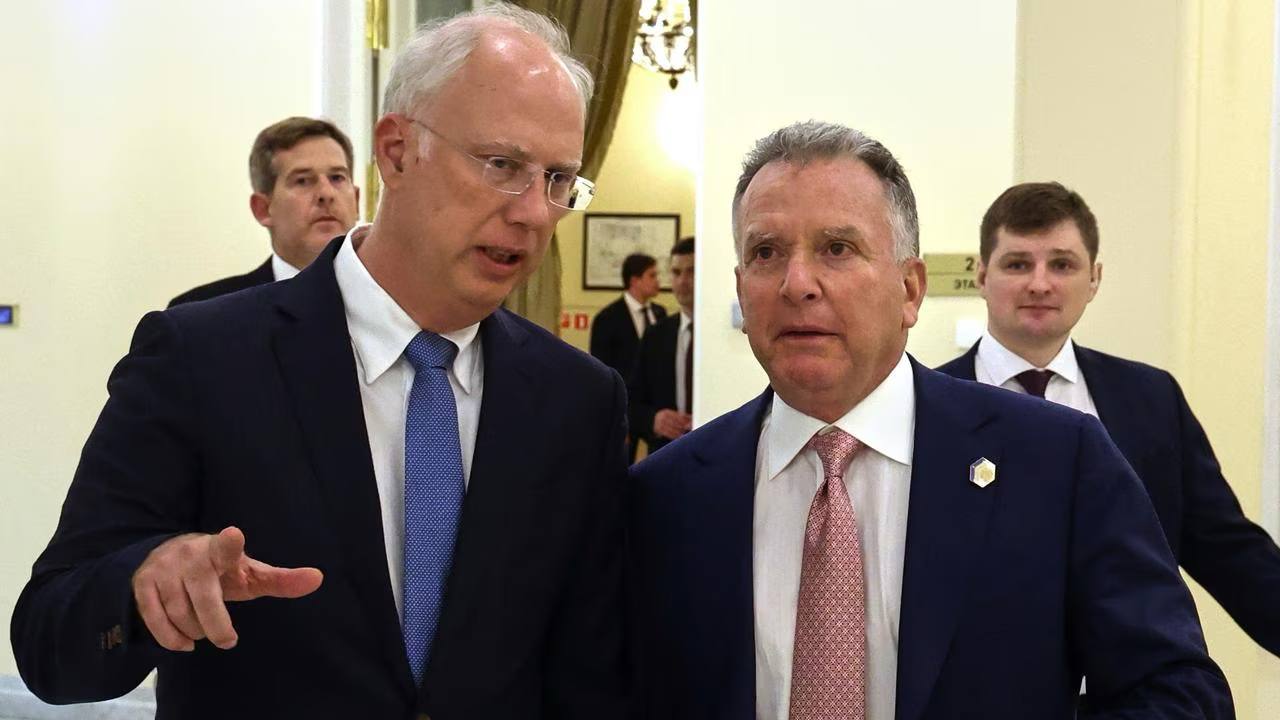
Moreover, Bloomberg leaked a wiretap of a conversation between Special Representative Steve Whitcoff and Putin’s aide Yuri Ushakov. From this conversation, it becomes clear that the “28 points” were actually written by Russia itself.
So it is not surprising that Donald Trump ultimately said that he had not seen the document, and work on an updated version of the plan continued at meetings in Geneva, resulting in a 19-point draft agreement.
All this only emphasized the difference in the positions of the parties: on the one hand, the occupier sought the complete destruction of Ukraine and its defense potential, while Ukraine itself sought only one thing—to fight for survival.
At the same time, even during the consideration of the “28 points,” it was clear what was really important, because, no matter how you look at it, it would be possible to discuss secondary issues at length until it became inevitable to approach the topics of territorial concessions and the size of the Armed Forces of Ukraine.
This issue remained relevant even in the 19 points.
What does Putin want?
The Kremlin definitely doesn’t want Ukraine to be able to defend itself, so Putin totally gets that shrinking the Ukrainian army would mean that when he attacks next time, our country might not be able to fight back.
Therefore, the option for him to agree to only Donbas (and even that is not enough for Putin, he wants much more territory) is an opportunity to buy time and conserve resources in order to continue military expansion in a year or several years.
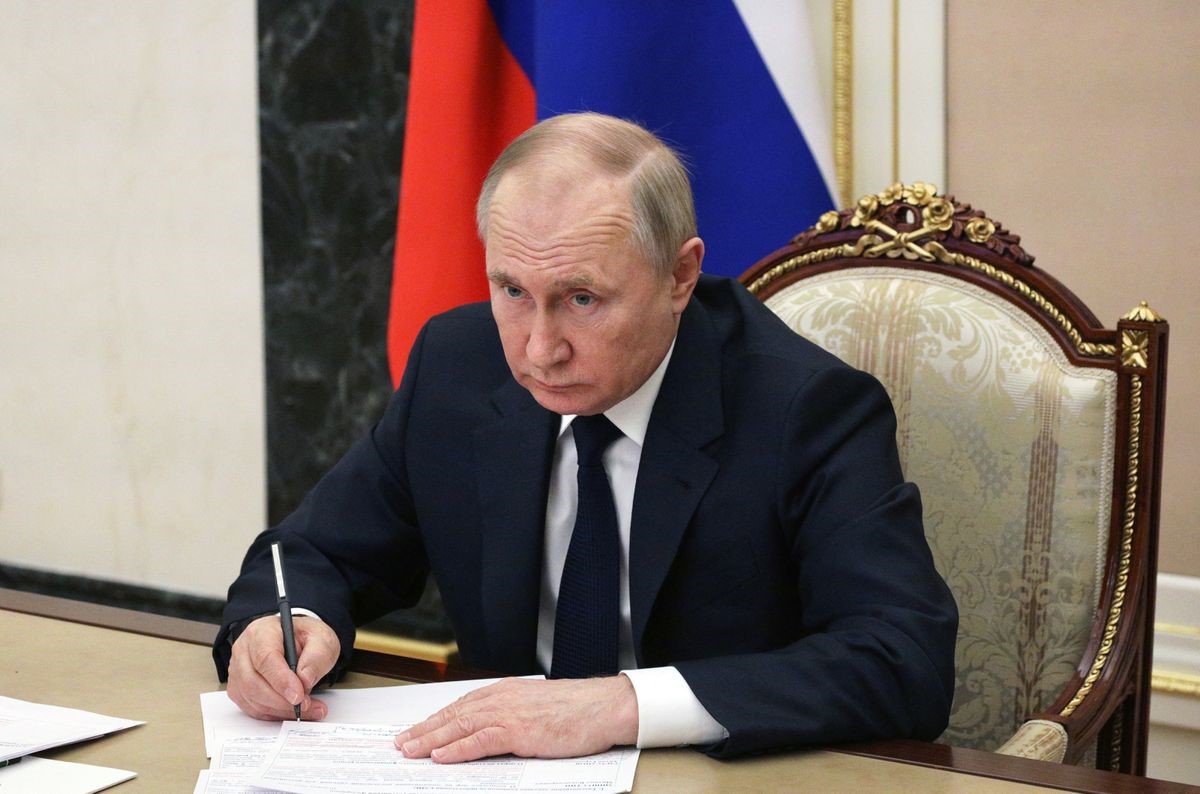
This means that in this case, one of the key issues for Ukraine is security guarantees, namely, whether the West will actually be able to stand up for Ukraine if Russia starts another war, since the events of recent months have demonstrated the more than indifferent reaction of NATO countries to Russian provocations in European countries. Putin certainly sees this reaction as weakness. Therefore, it is a fact that he will test the readiness of Western countries to defend Ukraine. The provocations will not stop; they may only become more brazen.
The importance of security guarantees was also emphasized by former British Prime Minister Boris Johnson:
“If we want to prevent further atrocities by Putin, we must have a long-term, reliable, and, above all, adequately funded security guarantee for Ukraine — a guarantee provided by the UK, the US, and all Western allies.”
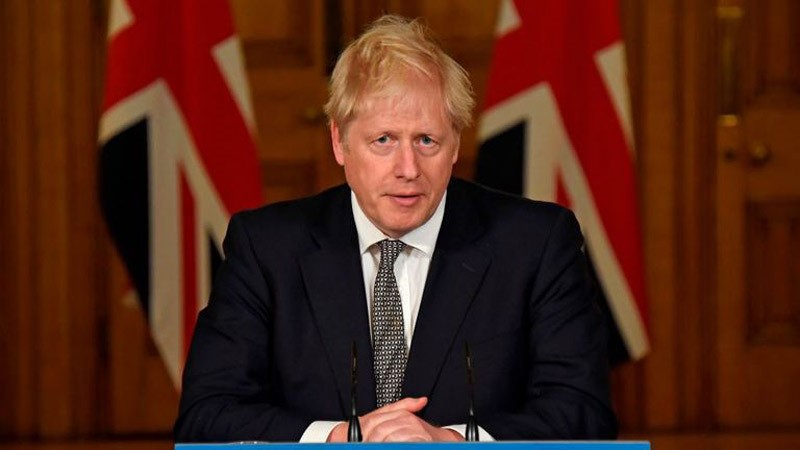
One option for such security initiatives could be the deployment of foreign troops in Ukraine. Emmanuel Macron stated:
“There can be no lasting peace if the Ukrainian army is limited in its ability to defend itself and deter any aggression. Therefore, the main guarantee of security for Ukrainians and for us is a strong army.”
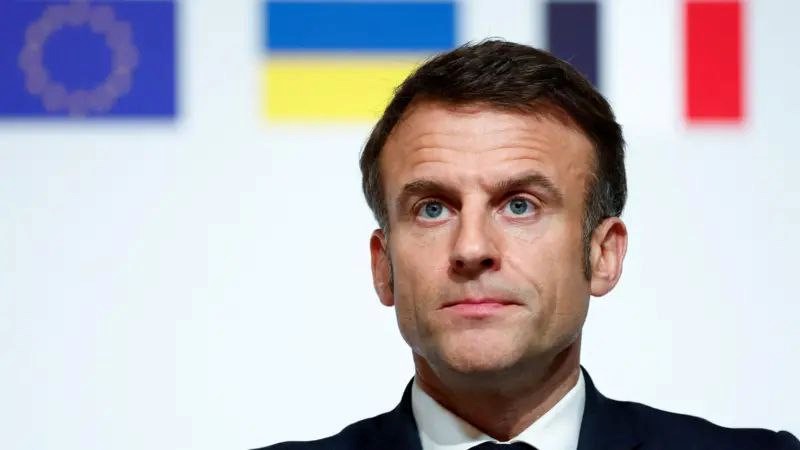
According to the French president, after the signing of a peace agreement, it will be possible to deploy support forces away from the front line, for example, in Kyiv or Odesa.
The issue of territories
It is also important to understand that the concessions on territories that will be specified in the new agreement are conditional, because, as we have said, Putin wants much more—at least the Zaporizhzhia, Kherson, Mykolaiv, and Odesa regions. Therefore, if he agrees to only Donbas, it will only mean that the dictator is postponing the war, but not ending it.
What should Ukraine do then? There are essentially only two options without capitulation: the first is to continue the war. The second is to agree to some kind of conditional peace plan, but without disarming the army, and instead strengthening it in order to be ready for future aggression.
As for the territories, it can be said that it will only be possible to return Donbas either by force or through diplomatic efforts after Putin’s regime changes, since diplomacy with the current Russian authorities is doomed to failure. They dream of maximalist demands and secretly do not even consider Ukraine a sovereign state. Therefore, it is important to understand that Ukraine will lose Donbas, at least “on paper” and for a certain period of time, if an agreement is signed (in whatever format). This is because Donbas is Putin’s symbolic ideological “victory,” which he will never give up.
What should Ukrainians do?
This means that, as President Zelensky said, Ukraine faces a difficult choice: to make concessions to the occupier or to continue a grueling war in which it is very difficult to predict anything.
Either way, Ukrainians must prepare for any scenario and not allow the enemy to destabilize us from within. After all, as we have said, the 28-point plan has already demonstrated the diversity of views within Ukrainian society.
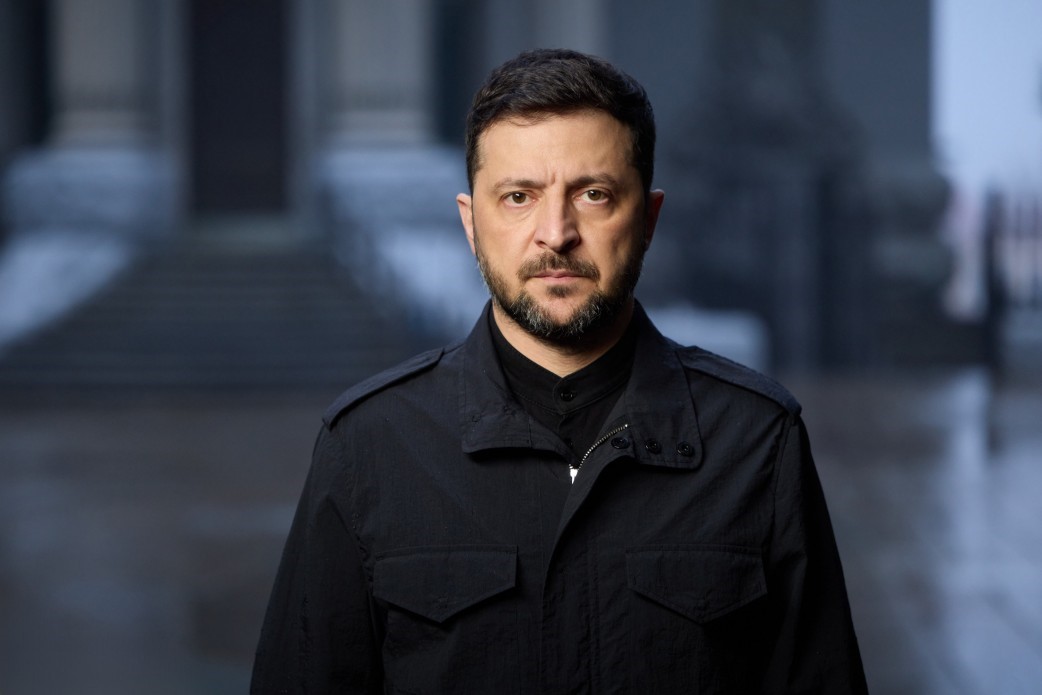
And this internal enemy, which lives within us, which destroys unity, which acts on the principle of “divide and rule,” can be more dangerous than an external enemy, because it often creeps up unnoticed.
So let us wish our President wisdom, Ukrainians resilience, and the international community dignity and the ability to remind themselves that when faced with absolute evil, one must be interested not in political maneuvering and profit, but in the truth — so as not to be ashamed in the face of justice, which, whatever anyone says, does exist.
Author: Oleksandr Shchedrinskyi