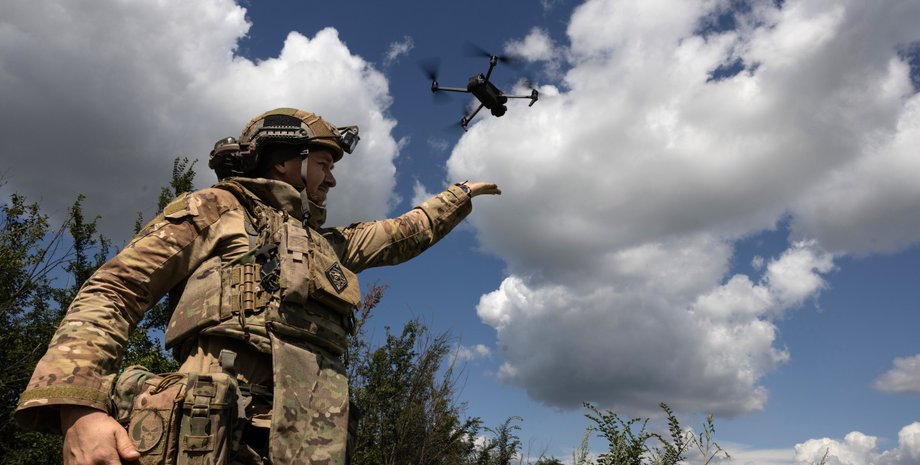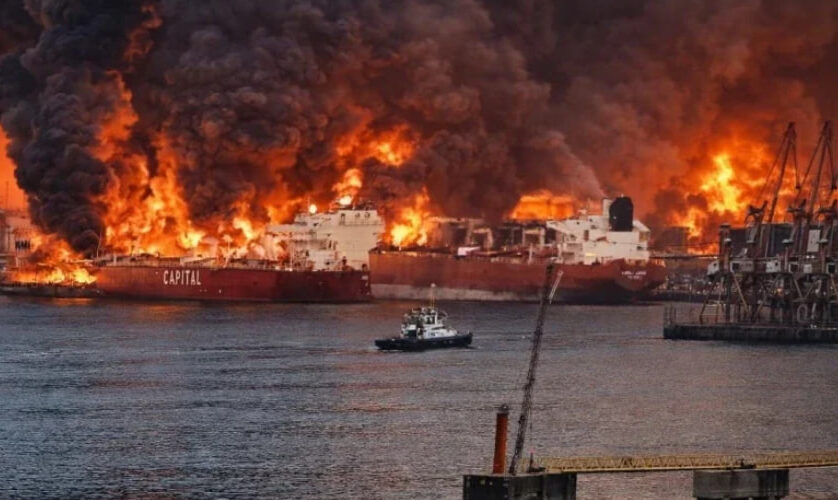


Russia’s oil industry is facing serious export challenges as Ukrainian drone attacks continue to hit key infrastructure. At the same time, Moscow plans to halt oil transit from Kazakhstan to Germany.
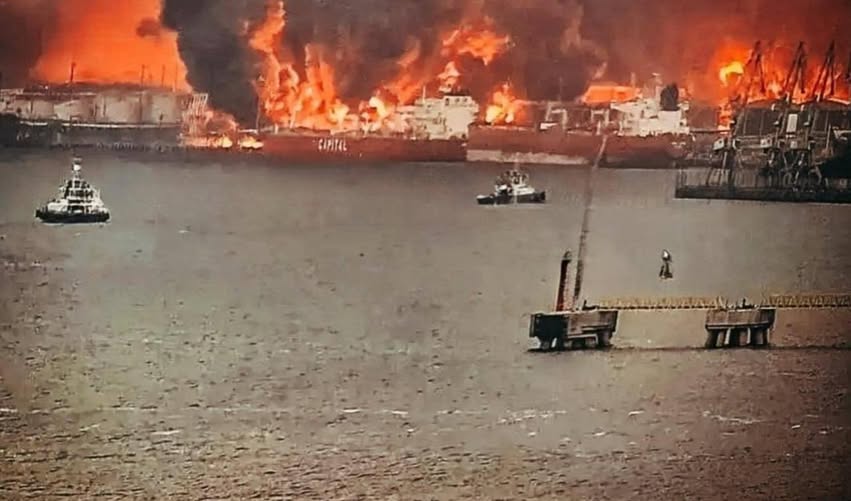
Declining Production
Russia will soon have to reduce its oil production. The main reason is a series of Ukrainian drone strikes targeting port infrastructure, pipelines, and refineries, Reuters reports.
These attacks have already reduced Russia’s export capacity by about 1 million barrels per day. This equals roughly one-fifth of its total capacity. Currently, at least 20% of Russia’s export capacity remains offline. Although this figure is lower than the 40% recorded in March, it still significantly affects production levels. Notably, Russia ranks as the world’s third-largest oil producer after the United States and Saudi Arabia.
Meanwhile, the port of Ust-Luga has stopped exporting oil after repeated Ukrainian strikes. As a result, Russia’s pipeline system has become overloaded, while storage facilities are nearly full. Therefore, the country will likely have to cut production further. Oil and gas revenues make up about a quarter of Russia’s federal budget, which increases the economic pressure.
In February 2026, Russia’s oil production stood at 9.184 million barrels per day. Sources cited by Reuters also note that export disruptions at Ust-Luga affect Kazakhstan. The country ships up to 400,000 tons of oil per month through this port.
Although there is no official data on Russia’s available storage capacity, one source claims reserves may only last for a few weeks.
Kazakhstan–Germany Supply Halt
In addition, Russia plans to stop transporting Kazakh oil to Germany via the Druzhba pipeline starting May 1, Reuters reports.
This decision will likely create even more uncertainty for Germany’s fuel supply. Earlier, tensions in the Middle East disrupted deliveries from that region. Before that, the full-scale war between Russia and Ukraine had already forced Berlin to cut energy ties with Moscow.
In 2025, Kazakhstan exported around 43,000 barrels of oil per day to Germany through the Druzhba pipeline. This marked a 44% increase compared to 2024. However, a complete halt could remove about 17% of the 12 million metric tons processed by Germany’s PCK refinery. This facility is one of the largest in the country, and its fuel supplies 9 out of 10 cars in the Berlin and Brandenburg region.
At the same time, Kremlin spokesperson Dmitry Peskov said he was not aware of any plans to stop these exports. Kazakhstan and Germany have not immediately commented on the issue.
Earlier, The Ukrainian Review reported that on the night of April 20, Ukrainian forces carried out another strike on the Tuapse oil refinery. The attack hit a storage tank, causing a large-scale fire at the facility.