
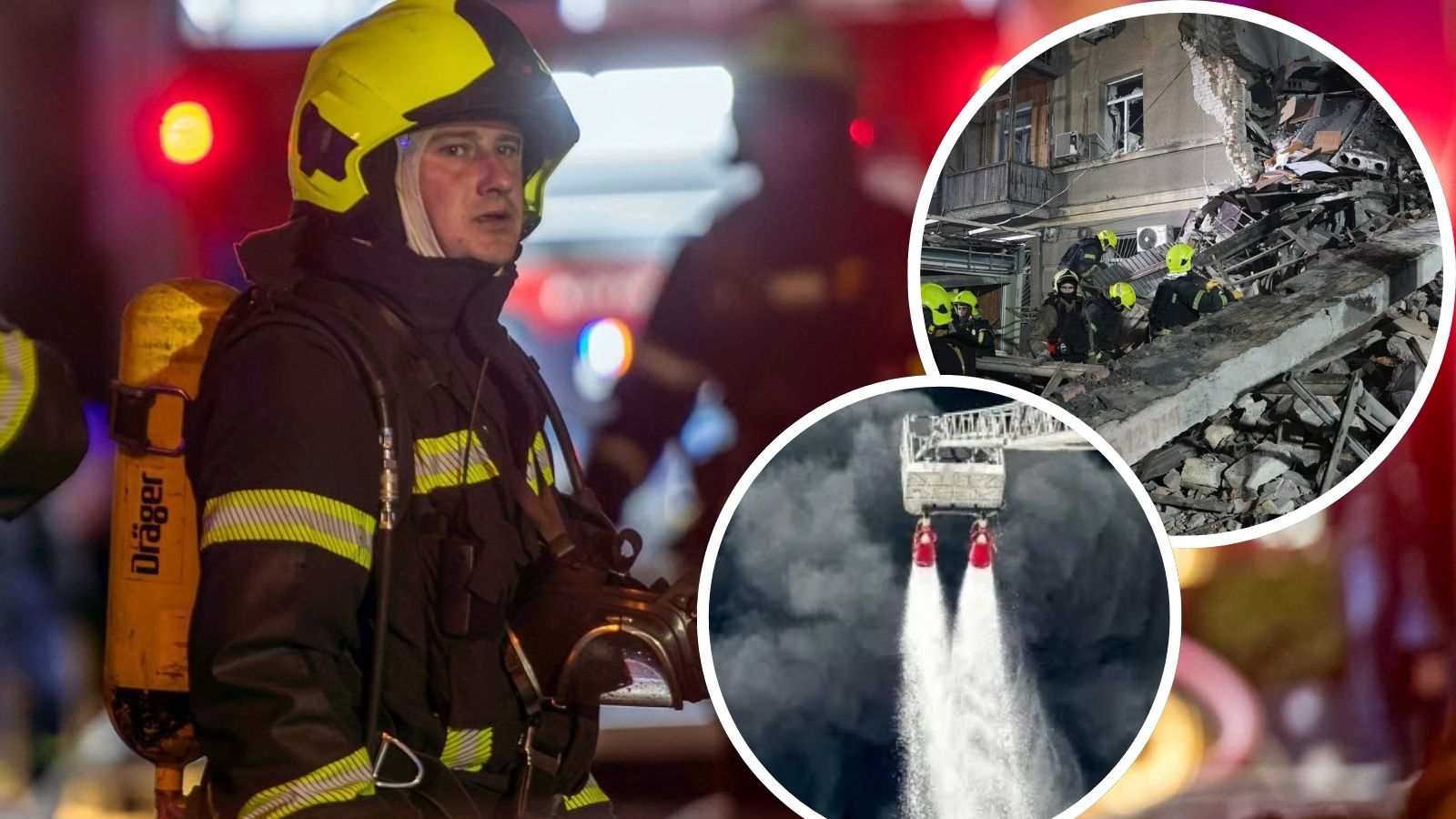


On the night of January 27, Russia launched a large-scale air attack on Ukraine using 165 strike drones of various types. The primary target was Odesa, where an onslaught of over 50 drones killed three people and injured dozens of residents. Ukrainian air defense forces successfully neutralized 135 enemy targets across several regions. This information comes from official reports by the Air Force and local military administrations.
Casualties and destruction in Odesa
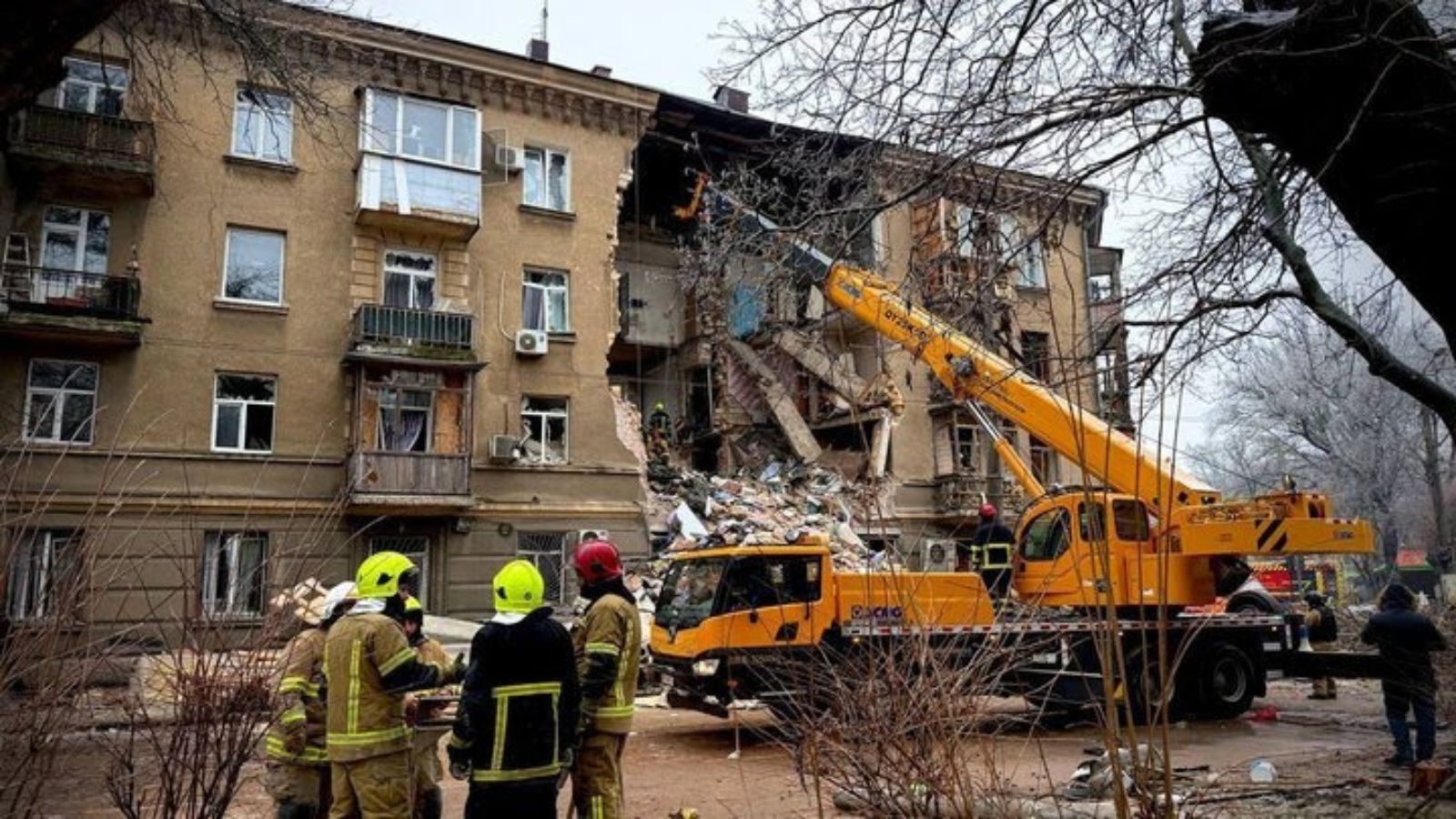
In Odesa, the drone strikes resulted in three deaths and at least 23 injured residents. The situation in the city remains extremely difficult as rescuers continue to deblock people, including children, from damaged premises. Search and rescue operations are ongoing without pause, particularly in the Khadzhybey district, where part of a residential building was destroyed and people may still be trapped under the rubble. The attack damaged five residential buildings, a kindergarten, a professional lyceum, and a church.
Furthermore, the invaders repeatedly targeted an energy infrastructure facility in Odesa. This was reported by the DTEK press service on its Facebook page.
“The destruction is colossal. Repairs will take a long time to return the equipment to working condition,” the company emphasized.
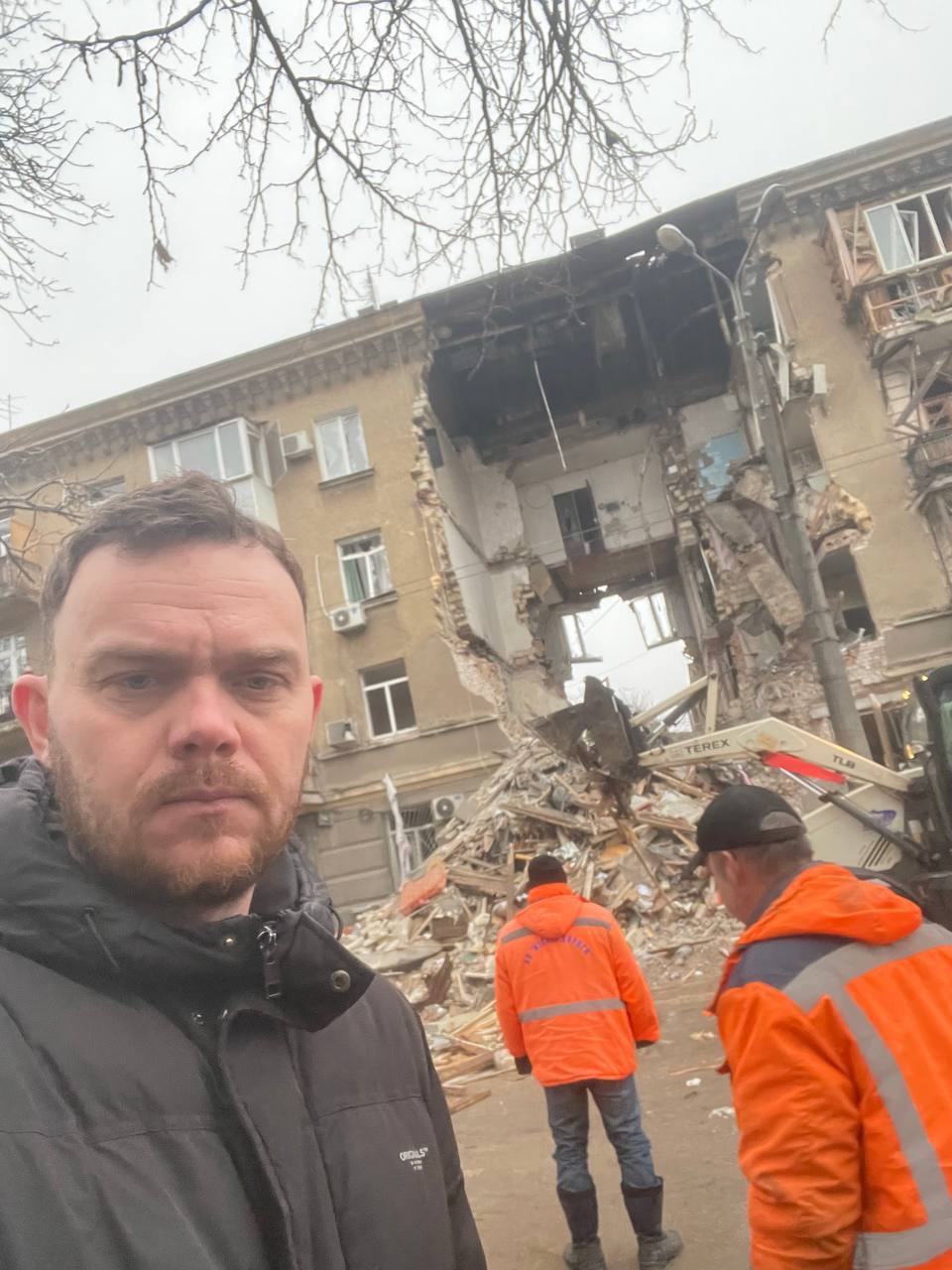
The CEO of The Ukrainian Review was present in Odesa directly at the site of the attack.
Air pollution in the Lviv region
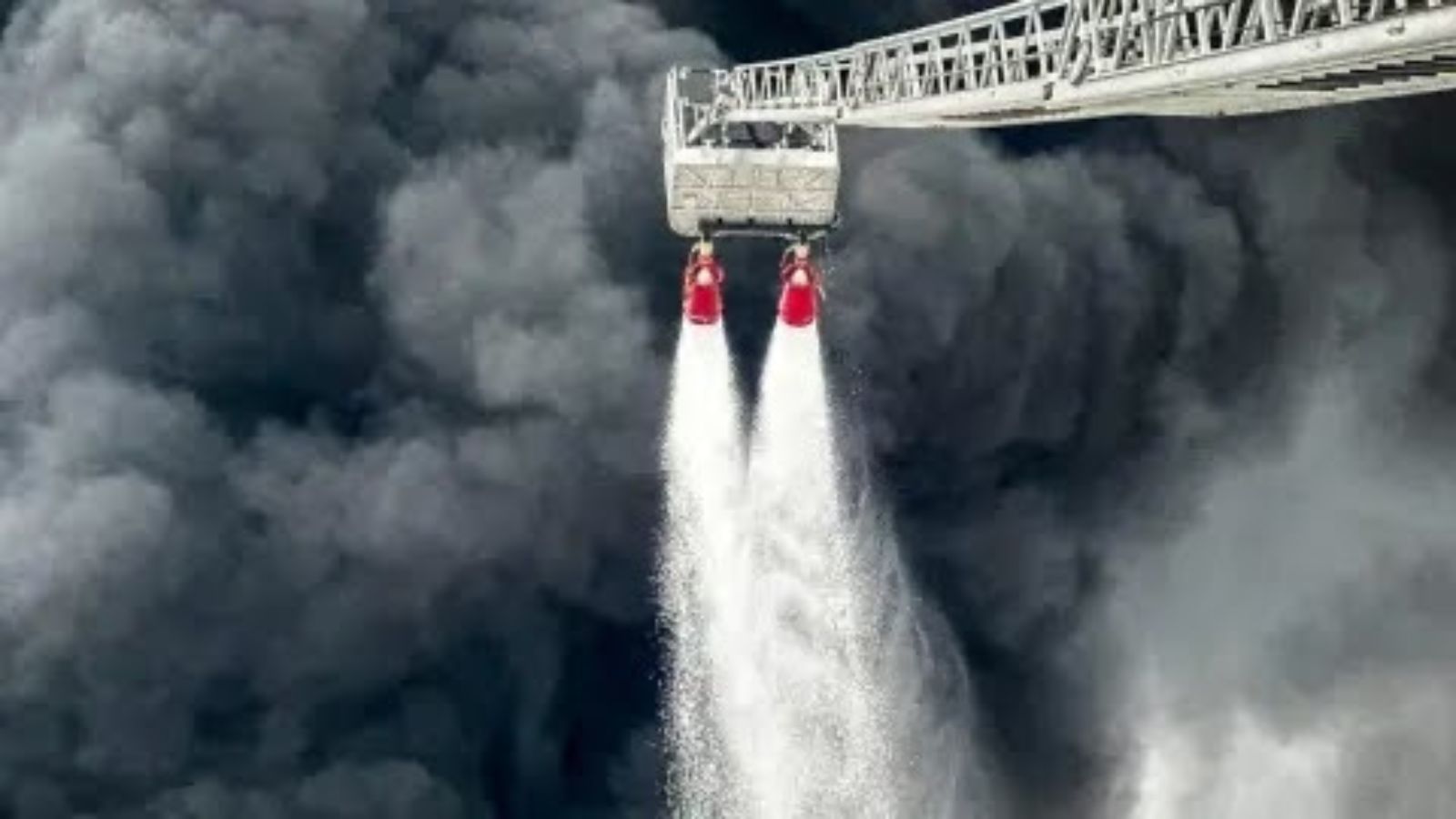
In the Lviv region, an enemy drone struck an infrastructure facility in the Zolochiv district during the morning attack. This strike caused a temporary deterioration in air quality in the village of Smilne. Experts recorded an excess level of carbon monoxide in the atmosphere.
The head of the Lviv Regional Military Administration, Maksym Kozytskyi, advised residents with respiratory and cardiovascular diseases to remain indoors. While the radiation background remains normal, laboratory studies continue in the direction of the wind.
Power outages in Kharkiv
The situation in Kharkiv remains critical following a Russian missile strike on a local energy facility. The attack involved three direct hits, which significantly damaged the city’s power grid. As a result, approximately 40% of consumers in Kharkiv are currently without electricity.
Mayor Ihor Terekhov stated that utility services and energy workers worked throughout the night to repair roofs and restore heating and water supplies. Due to the extensive damage, the city has implemented both planned and emergency shutdown schedules. International partners are providing assistance to help speed up the recovery process.
Reaction from Zelenskyy and Sybiha
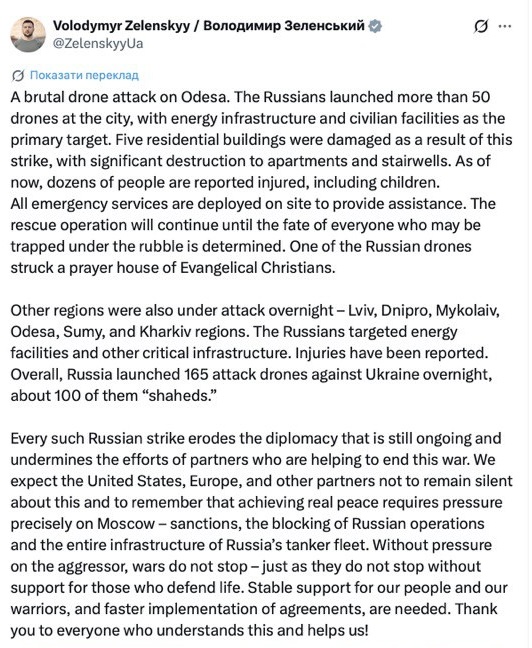
President Volodymyr Zelenskyy described the attack as a deliberate strike on civilians and energy infrastructure. He emphasized that such actions undermine diplomatic efforts and called for increased pressure on Moscow, including sanctions against the Russian tanker fleet.
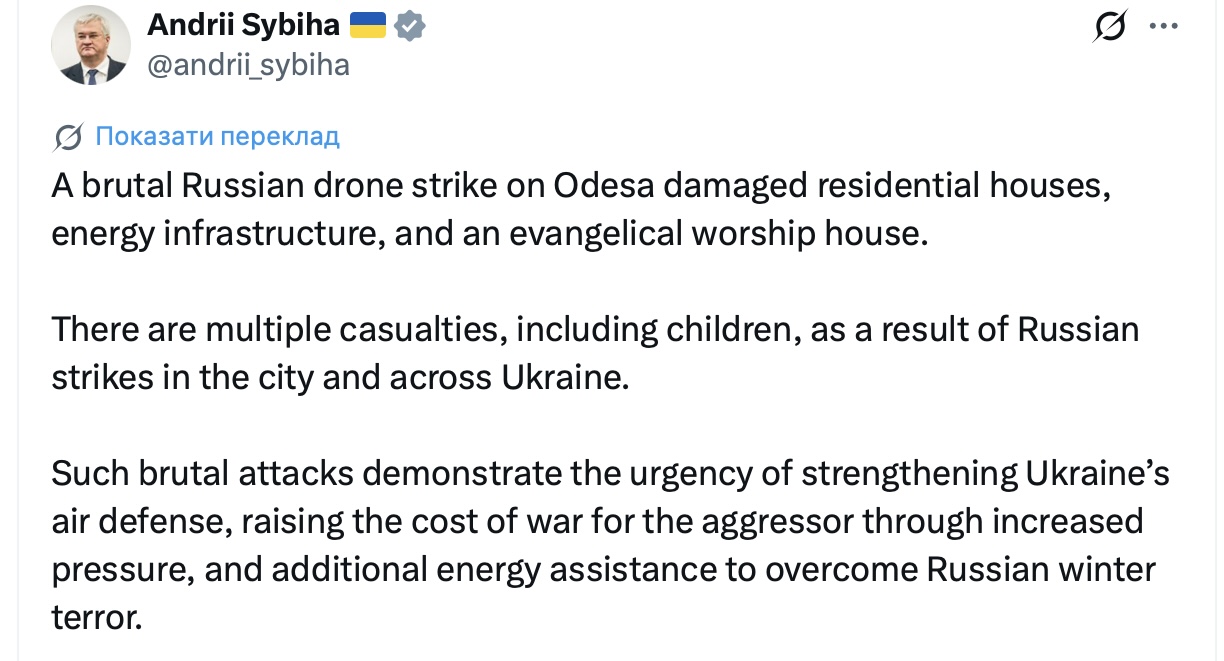
Foreign Minister Andrii Sybiha also addressed the international community, highlighting the urgency of strengthening Ukraine’s air defense to overcome Russian winter terror.
Conclusion
The large-scale strikes on January 27 once again underscore Russia’s strategic aim to inflict maximum damage on Ukraine’s civilian population and critical infrastructure. Systematic attacks on residential areas, religious sites, and energy networks characterize a campaign of targeted terror designed to exhaust the nation’s resilience during the winter period. These actions represent a deliberate escalation that demands a resolute and unified response from the international community.