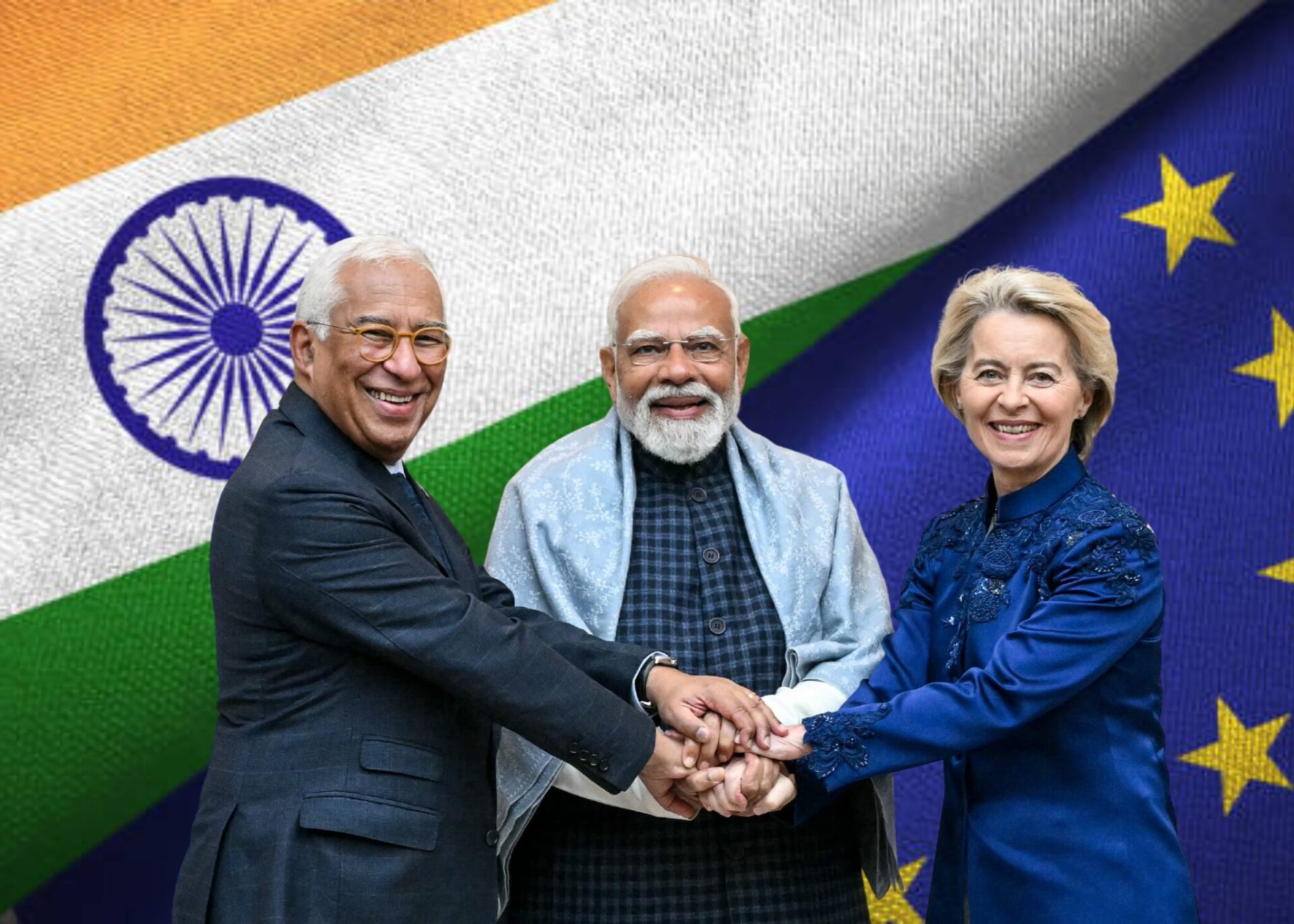


The European Union and India have concluded negotiations on a large-scale free trade agreement that will create a shared economic zone and become the biggest trade deal in the history of both sides. This was announced by the European Commission and the Indian government.
Unprecedented Opening of the Indian Market to EU Goods
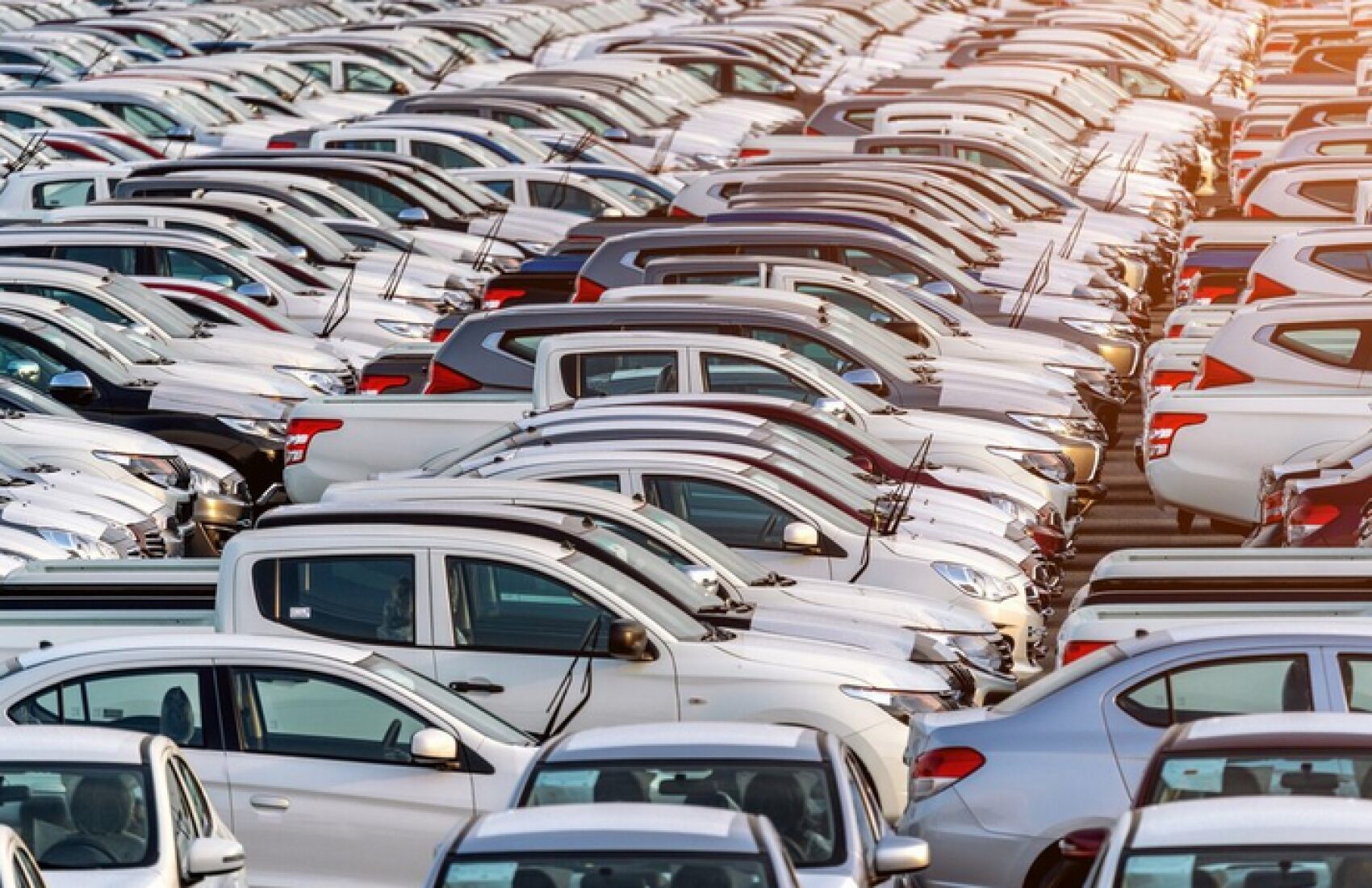
India has agreed to the largest market opening in its history of trade agreements. In particular, tariffs on cars from the EU will be gradually reduced from 110% to 10%, while duties on auto parts will be eliminated over 5–10 years. Tariffs on engineering products, chemicals, and pharmaceuticals will also be significantly cut.
Major changes will also affect the agricultural sector: India will lower tariffs on European wine, olive oil, and processed agricultural products. At the same time, sensitive EU goods – beef, poultry, rice, and sugar – are excluded from the agreement, and all imports from India must continue to meet European safety standards.
Services, Investments, and the “Green” Chapter
The deal also provides broader access for European companies to India’s services market, particularly in the financial and maritime sectors, ensures a high level of intellectual property protection, and includes a separate chapter on sustainable development. Within this framework, the EU has pledged up to €500 million to support India’s green transition and emissions reduction.
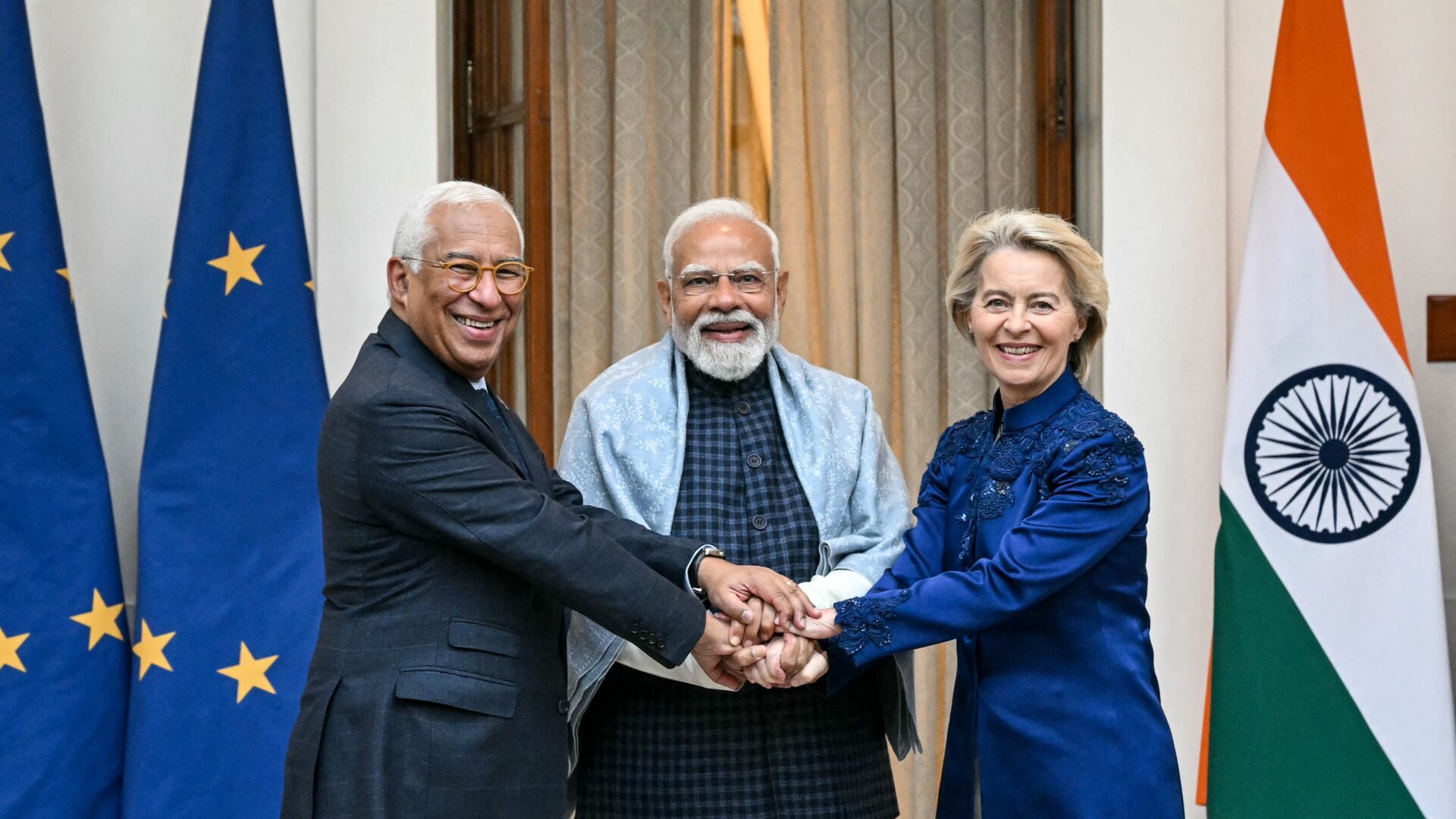
The official signing of the agreement will take place after a legal review of the documents, expected to last around five to six months. Implementation of the provisions is set to begin in 2026.
Part of a Global Trade Reshuffle
The EU–India agreement is part of a broader wave of global trade deals. Recently, the EU signed a pact with the Mercosur countries and concluded agreements with Indonesia, Mexico, and Switzerland, while India reached free trade deals with the United Kingdom, New Zealand, and Oman.
Analysts link this surge in trade alliances to countries’ efforts to diversify markets and reduce dependence on the United States amid the tariff policies of Donald Trump’s administration, including the introduction of 50% duties on Indian goods.
An Attempt to Weaken Russia’s Influence
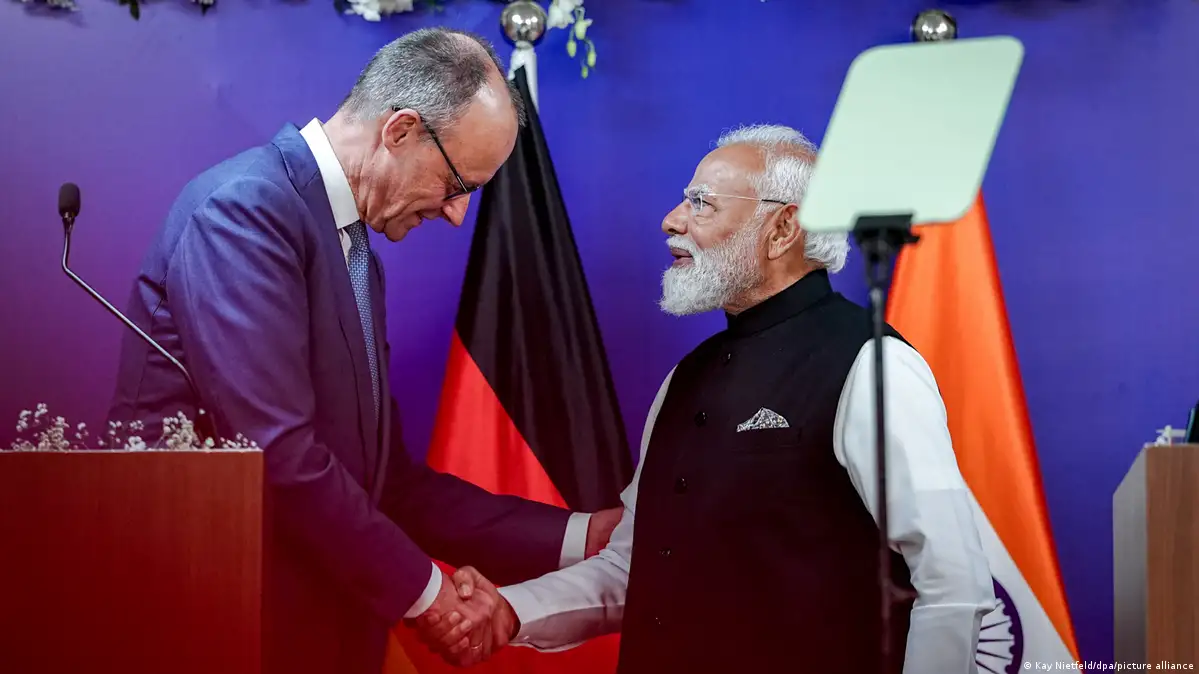
Earlier, German Chancellor Friedrich Merz said Germany seeks to deepen cooperation with India in security and economic fields to reduce New Delhi’s dependence on Moscow. To that end, the countries signed a memorandum of understanding and several agreements in critical minerals, healthcare, and artificial intelligence development.
India remains closely tied to Russia in the military sphere: most of its weapons are of Russian origin, and the country is among the largest buyers of Russian oil.
Maintaining close energy ties with Russia effectively supports the Kremlin’s financial capacity to continue its war against Ukraine. This is why EU countries are trying to gradually draw India into alternative economic and security partnerships, weakening Moscow’s role in the region.
Conclusion
Thus, the EU–India free trade agreement goes far beyond economics and has become part of a broader geopolitical realignment. Brussels aims not only to expand export markets but also to curb Russia’s influence over key Global South countries, limiting the Kremlin’s ability to finance its war against Ukraine. For India, the new partnership with the EU opens a path toward diversifying its international ties amid global instability.