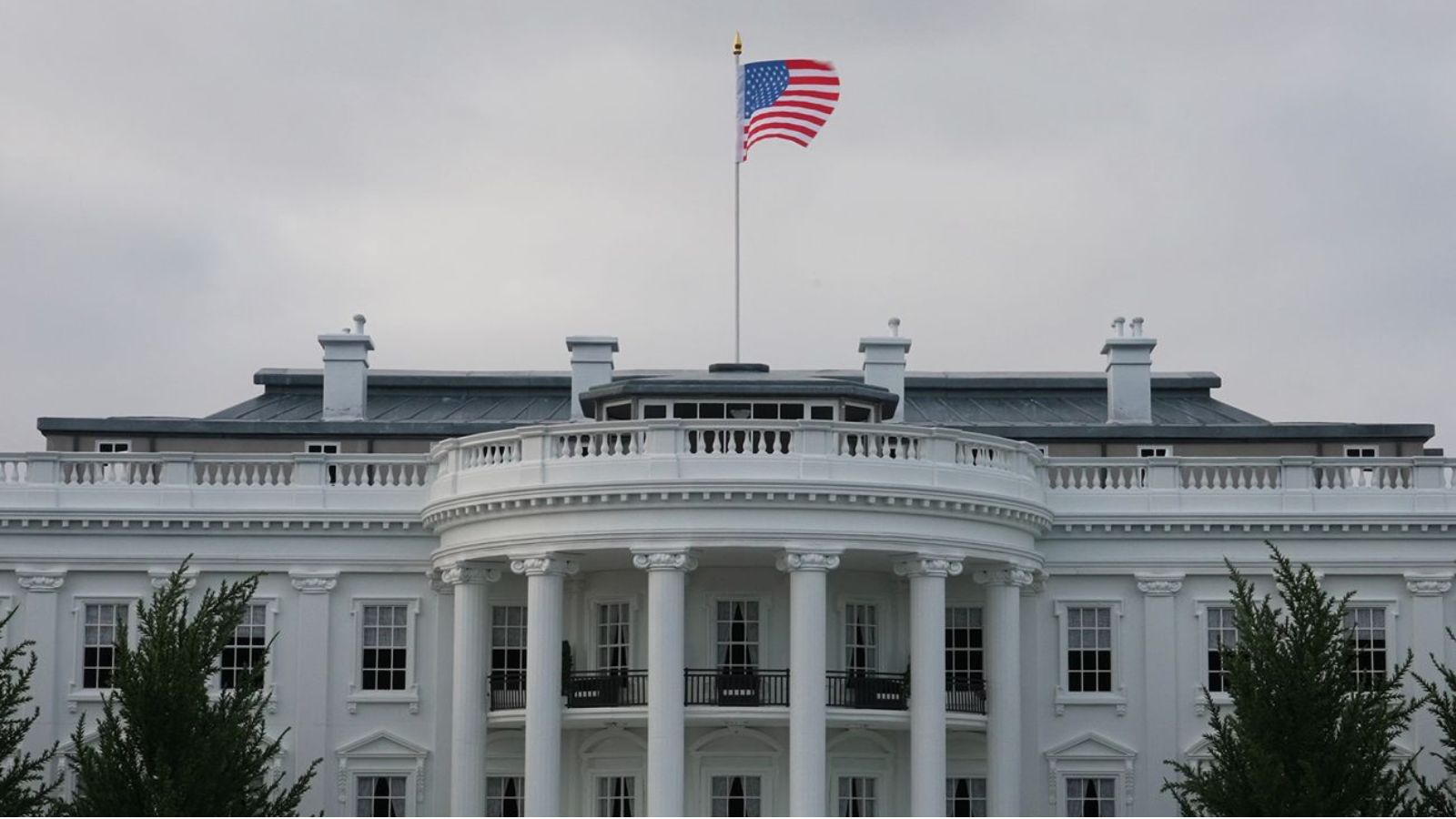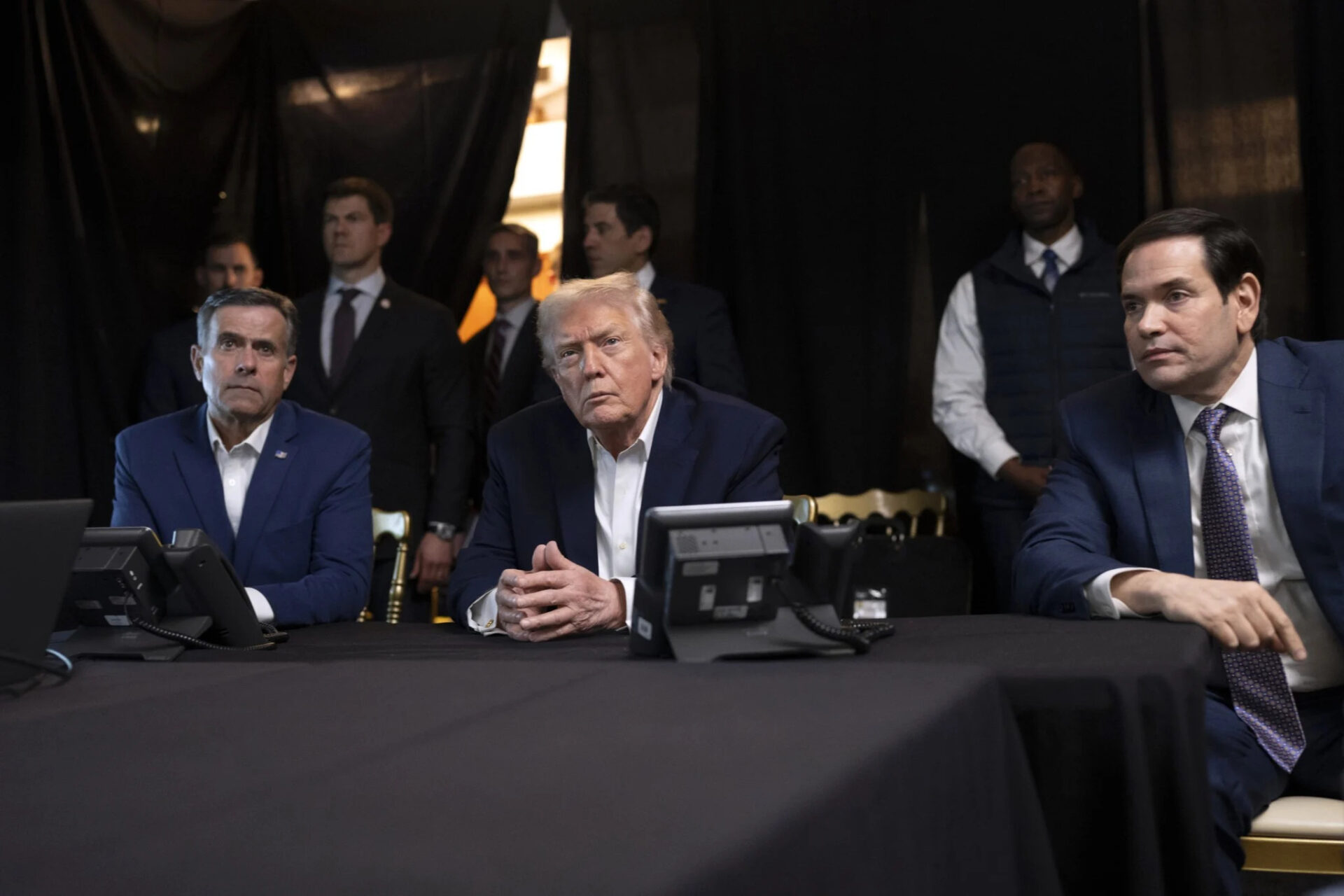


The year 2026 began with a US special operation in Venezuela. Against the backdrop of these events, the situation with Cuba and Mexico has now become truly tense. The ‘Maduro case’ has triggered more profound processes. At the beginning of this year, Donald Trump’s rhetoric became much more aggressive, but it is important to distinguish between direct threats of military intervention and a strategy of economic pressure. What will the White House leader choose?
Donald Trump is currently on a power trip. The situation in the world is pushing him to take decisive action.
Trump must maintain his position as a strong leader under any circumstances. In the Western Hemisphere, this is becoming a matter of principle for him. Cuba and Mexico may be next after Venezuela. Trump believes that the Cuban regime is weak and that Mexico is creating many problems for US interests. Of course, the primary issues are migration and the activities of Mexican drug cartels. The US will not let the situation slide but will try to resolve it before the Senate elections on 3 November 2026.
Cuba under threat of regime change
Cuba is an example of a historical loss for the United States. It is a potential challenge to American ambitions in the Caribbean. One need only mention the geographical location of the ‘island of freedom.’ Cuba is located just 90 miles off the coast of Florida, making it a key player in US Caribbean security. For decades, Havana has been demonstratively rebuilding its system of political and military ties with direct opponents of American democracy.
The Cuban Revolution became a symbol of the communist challenge to the United States and an ideological problem within the framework of its regional policy. Russian influence replaced Soviet influence here. Venezuelan oil became a key resource of support. After the United States took control of Venezuela, the White House blocked its supply to the island.
In fact, Cuba’s political regime has recently changed only in terms of ‘decoration.’ The authoritarian core of power and its attitudes remain fundamental. Today, Donald Trump believes that the Cuban regime will fall on its own.
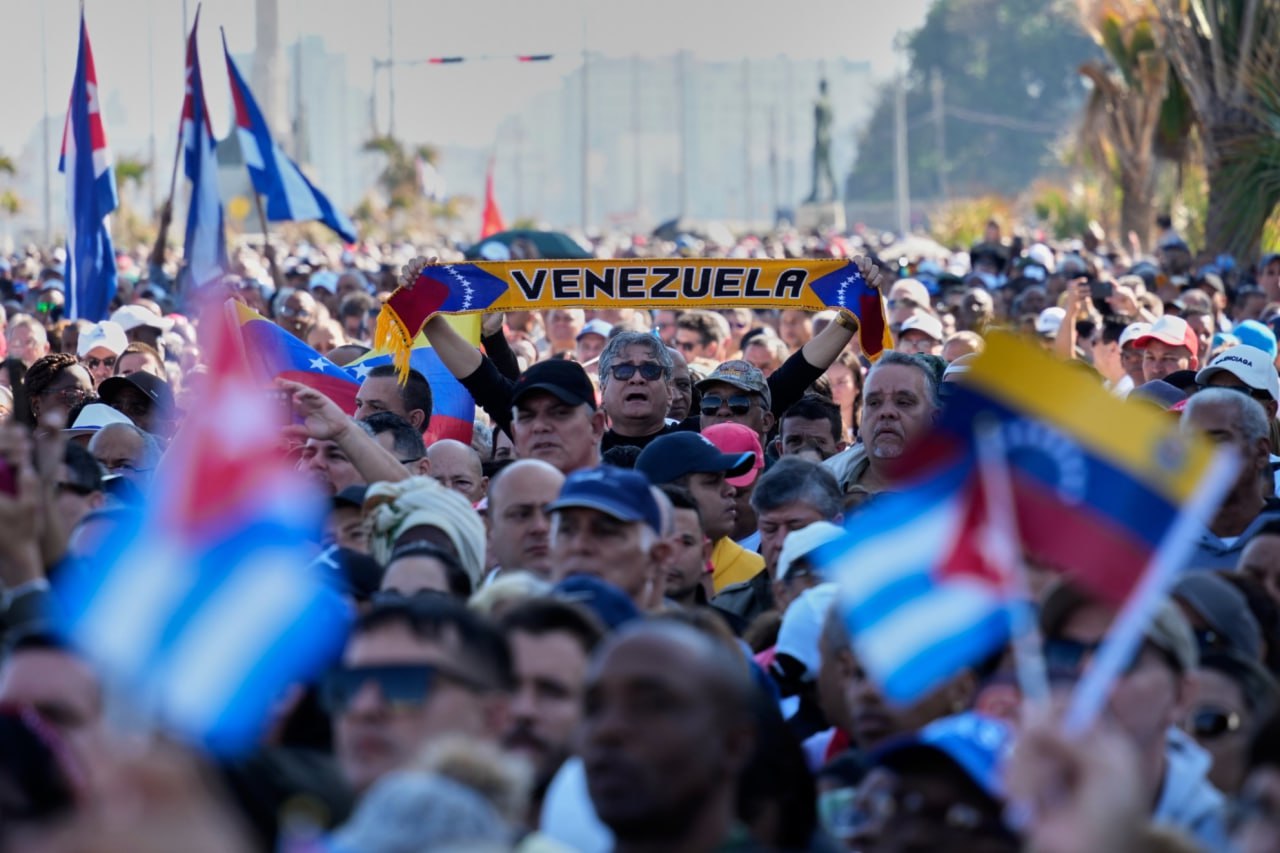
The US president immediately called on Havana to negotiate. He is threatening complete isolation and wants to reach an agreement. Secretary of State Marco Rubio also actively supports the idea of regime change in Cuba. Cuba, in turn, is responding actively. President Miguel Díaz-Canel is calling on citizens to defend the revolution. There is no clear consensus among ordinary Cubans. The country is in the throes of a severe economic crisis and social decline. According to Reuters, the CIA does not give a clear forecast of Cuba’s economic potential. The difficult situation in key sectors of the economy could significantly complicate governance. However, there is no question of the regime collapsing immediately.
The elite’s hopes are focused on a forceful option and defense, even without considering the position of the people. Although declarative calls for unity are heard constantly. Police and military presence is increasing in large cities. The Cuban authorities have taken Maduro’s experience into account and, most likely, have no intention of repeating it.
Mexico: fighting cartels and eliminating the migration threat
As of January 2026, the possibility of a US attack on Mexico is the subject of heated debate. Two key issues in US-Mexico relations are illegal migration and the activities of Mexican drug cartels. Trump is calling on Mexico to solve the problems on its own. Otherwise, the US will be forced to take action. This rhetoric has both similarities and differences compared to Cuba.
Donald Trump’s hint at a direct military solution was far from the first. Against this backdrop, the Mexican government has always emphasized the impossibility of such a scenario. Mexican President Claudia Sheinbaum categorically rejects any foreign military intervention. She continues to negotiate with Trump on border security. Mexico is ready to cooperate with the US in the fight against cartels but opposes unilateral military action on its territory. Mexico proposes joint work by the special services but categorically refuses to allow American troops on its soil.
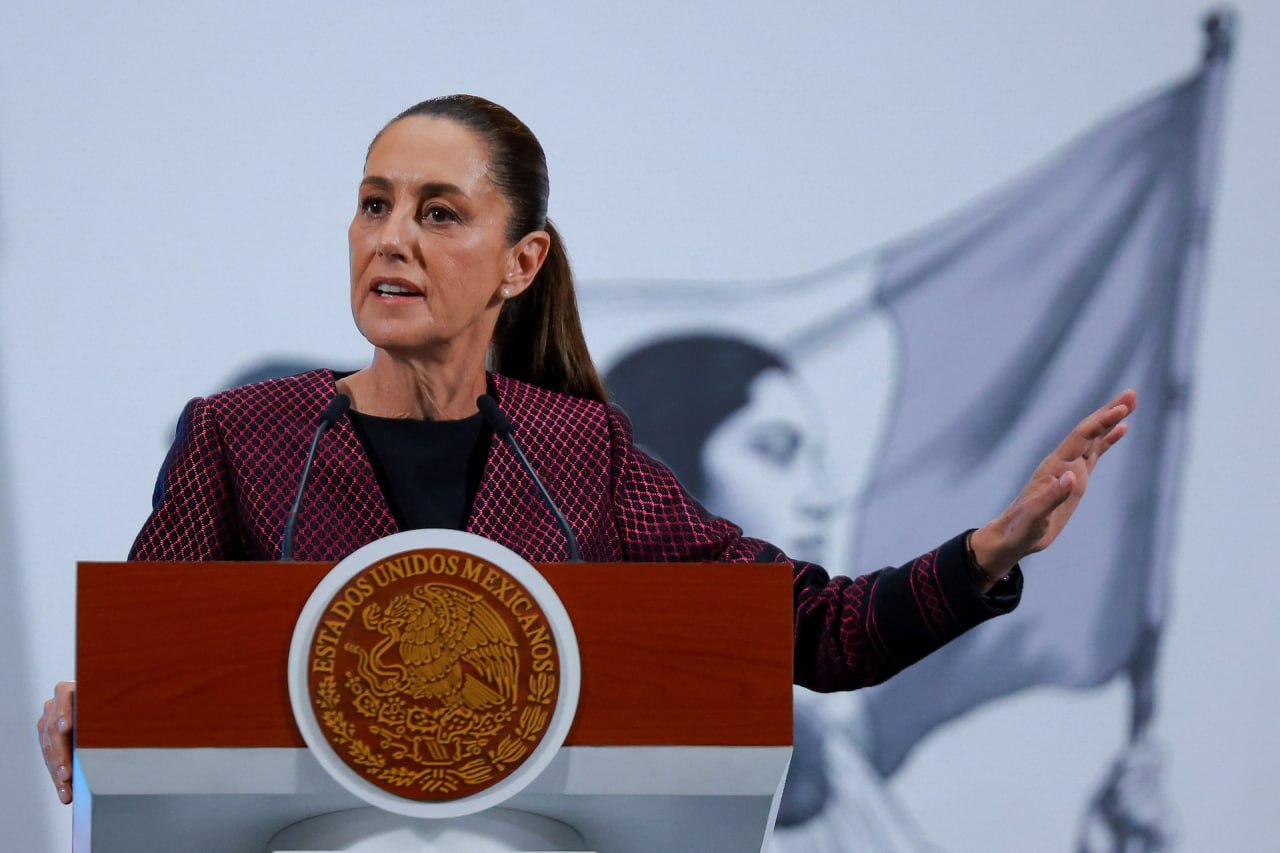
On 17 January 2026, the US Federal Aviation Administration (FAA) warned airlines about the dangers of flying over Mexico and Central America due to ‘possible military activity’.
Threats of intervention can be seen as part of a complex diplomatic game. It is also an attempt to influence the revision of the Trilateral Free Trade Agreement between Mexico, the United States, and Canada (USMCA). A direct invasion with the aim of seizing territory is not currently planned. The risk of limited US military operations in Mexico against drug cartels in 2026 is the highest in decades. The US claims that the Mexican government does not control the situation and that the drug cartels are the ones who actually hold power. The most likely scenario is not a large-scale war, but targeted strikes. In particular, the use of drones or special forces to destroy cartel laboratories and warehouses without the consent of the Mexican government. Economic pressure through tariffs will certainly intensify to force Mexico to agree to US military assistance.
Veronika Kirilenko, a journalist for The New American magazine (USA), believes that there is a high probability of a forceful scenario, especially in the case of Mexico, as political and institutional constraints are weaker than they would be in a more cautious era.
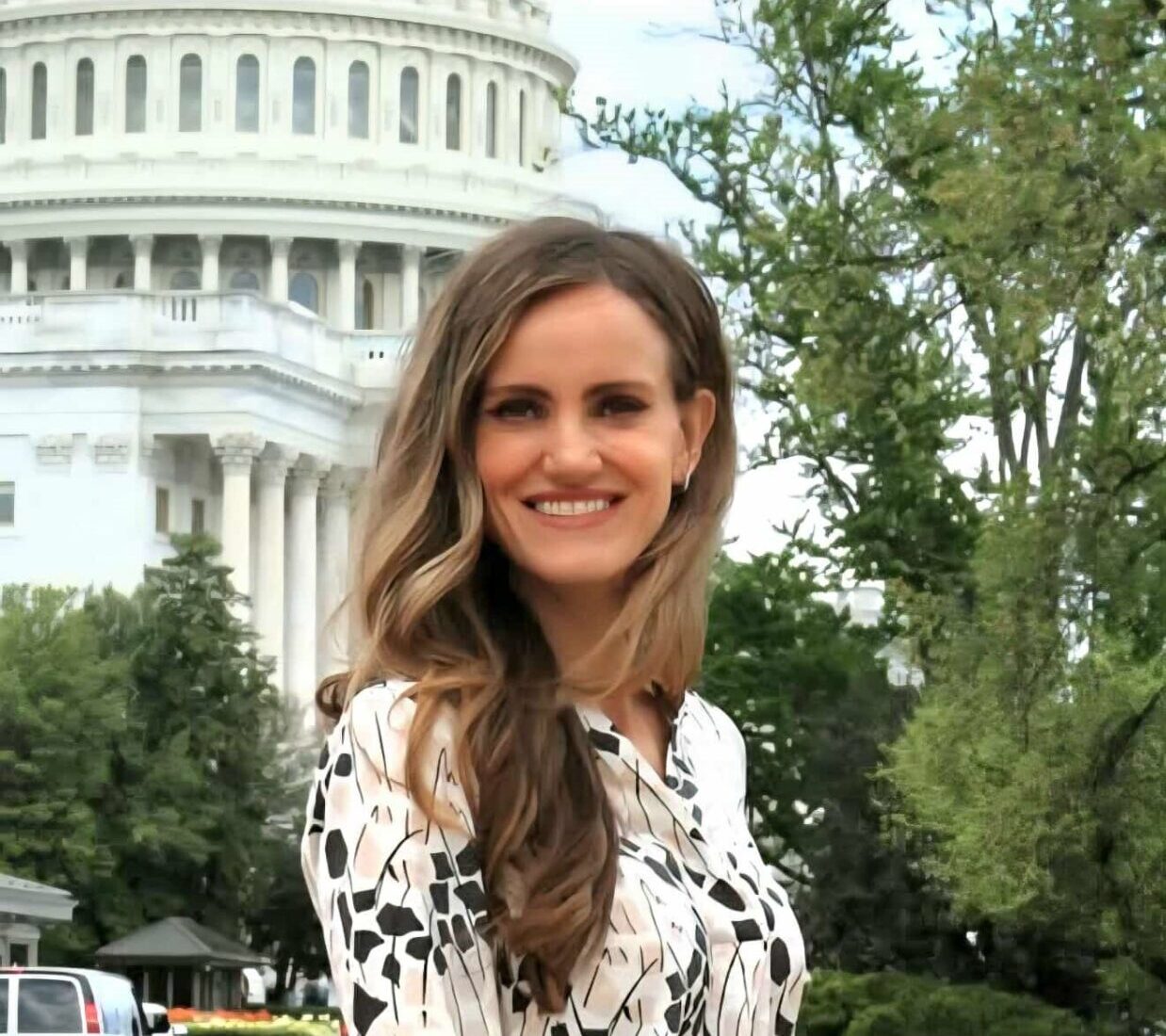
First, the administration has clearly demonstrated a willingness to use force as a tool of policy and then normalize, and even glorify, it afterward. That lowers the perceived threshold for “follow-up” actions and makes military intervention appear manageable rather than exceptional.
Second, there is a visible escalation in rhetoric toward Mexico that goes well beyond what would once have been considered routine pressure. Trump has openly threatened that the United States could “start now hitting land” in Mexico, ostensibly targeting cartels. This comes after cartels were designated as foreign terrorist organizations (FTOs).
Third, and this is essential context, the resource base for sustained military action is expanding. Trump has proposed a dramatic increase in defense spending to $1.5 trillion by 2027, on top of the already record budget approved for 2026. Fourth, the Department of Defense is openly embracing the profit-driven nature of its contractor ecosystem.
Fifth, the administration is reinforcing a war footing as an identity. This includes the rhetorical revival of the term “Department of War,” Cuba presents a different case. A full-scale invasion remains a high-risk option.
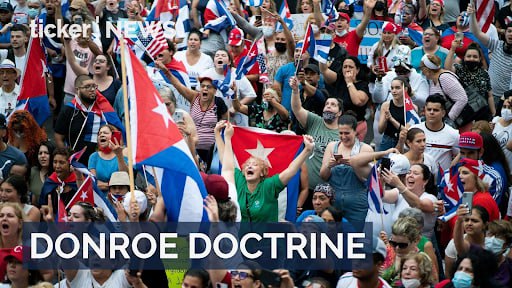
The expert is confident that we are witnessing a radical transformation of US foreign policy in Latin America. But not in the sense that Washington has suddenly regained regional dominance. A chorus of observers, as well as US military and diplomatic leaders themselves, have turned to the Monroe Doctrine.
In its modern form, it has long functioned as a self-issued license for unlimited intervention in the Western Hemisphere—often justified by the most dubious claims of threats to US interests or security, such as accusations of ‘narco-terrorism’ against Venezuelan President Nicolás Maduro.
The obvious difference now is that Trump has almost abandoned diplomatic pretenses. The message is clear and uncompromising. The US president considers the hemisphere, with all its sovereign states, to be ‘their backyard.’ This logic now extends not only to Latin America but also to Greenland and Panama.
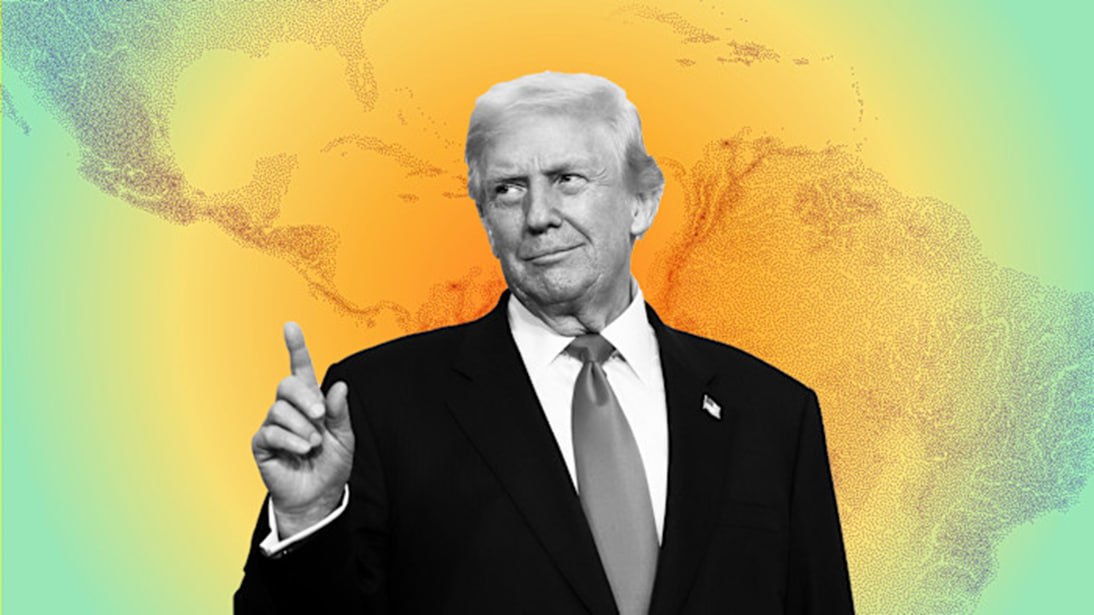
Veronika Kirilenko believes that this position clearly echoes the neoconservative tactics that once defined US involvement in the Middle East. Regime change is once again being considered as a normal tool of American power. Force is seen as a legitimate first resort rather than a last resort. The long-discredited belief that US military intervention can beneficially transform regions in the name of freedom, security, and order has re-emerged. Oil, as in Iraq, remains an added bonus. But none of this explains the scale or direction of the apparent project.
It is important to emphasize that this renewed focus on regional dominance is unfolding precisely because the US’s unipolar project has failed. Instead of continuing to press from West to East, the strategic focus is shifting along the North-South axis. It is noteworthy that similar signs of regional consolidation are becoming increasingly pronounced in other parts of the world.
That is where the technocratic framework becomes essential. Less discussed — but older than most realize — technocracy emerged in the 1930s as a theory of governance by technical management rather than popular consent. The geography of Trump’s ambitions closely mirrors the borders of the North American Technate. A Technate, in this sense, is a large, integrated administrative zone, noted Veronika Kyrylenko.
This worldview is not abstract. It is embedded in Trump’s donor, advisory, and administrative ecosystem. Major backers such as Elon Musk, Peter Thiel, and Marc Andreessen openly favor strong executive authority, technology-driven governance, and the sidelining of traditional democratic constraints. They fund, staff, and shape initiatives that fuse state power with corporate systems.
Other notable figures in this architecture come from the ranks of Project 2025 authorsб many of whom now hold key positions inside the administration. Among the most recognizable is Russ Vought, whose role underscores how ideological blueprints have translated directly into governing authority.
Seen this way, the regional posture is not merely revived interventionism. It is consolidation. It is standardization. Furthermore, it is control.
Conclusion
There should no longer be a threat to the United States in the form of disloyal regimes. There are three types of threats: security, economic, and migration. Donald Trump’s team is trying to create conditions for their resolution in the short term.
The rhetoric is as clear and frank as possible. Today, the main focus of attention in the region is on Cuba and Mexico. Both countries have a long history of conflict with the US. Cuba is experiencing economic decline. The long-term prospect is that Latin America will return to the sphere of political and economic influence of the US. The struggle against the interests of the PRC in the region should become decisive.
At present, this means exerting maximum economic and psychological pressure on Mexico and Cuba. Trump is using the success of the operation in Venezuela as a permanent lever.
He wants to force his neighbors to play by Washington’s rules. In a broader sense, he hopes to bring countries back into the sphere of US geopolitical influence. At the same time, there is a desire to minimize the presence of China and Russia. This is reinforced, in particular, by the detention of tankers flying the Russian flag. However, a real invasion is considered unlikely due to the political, diplomatic, and economic consequences, as well as strong resistance from Mexico. Cuba’s position is more fragile. Without Venezuelan oil and external military and political support, a change in the Cuban regime is more likely. It could happen as a result of a US military operation or unprecedented pressure in all key areas.