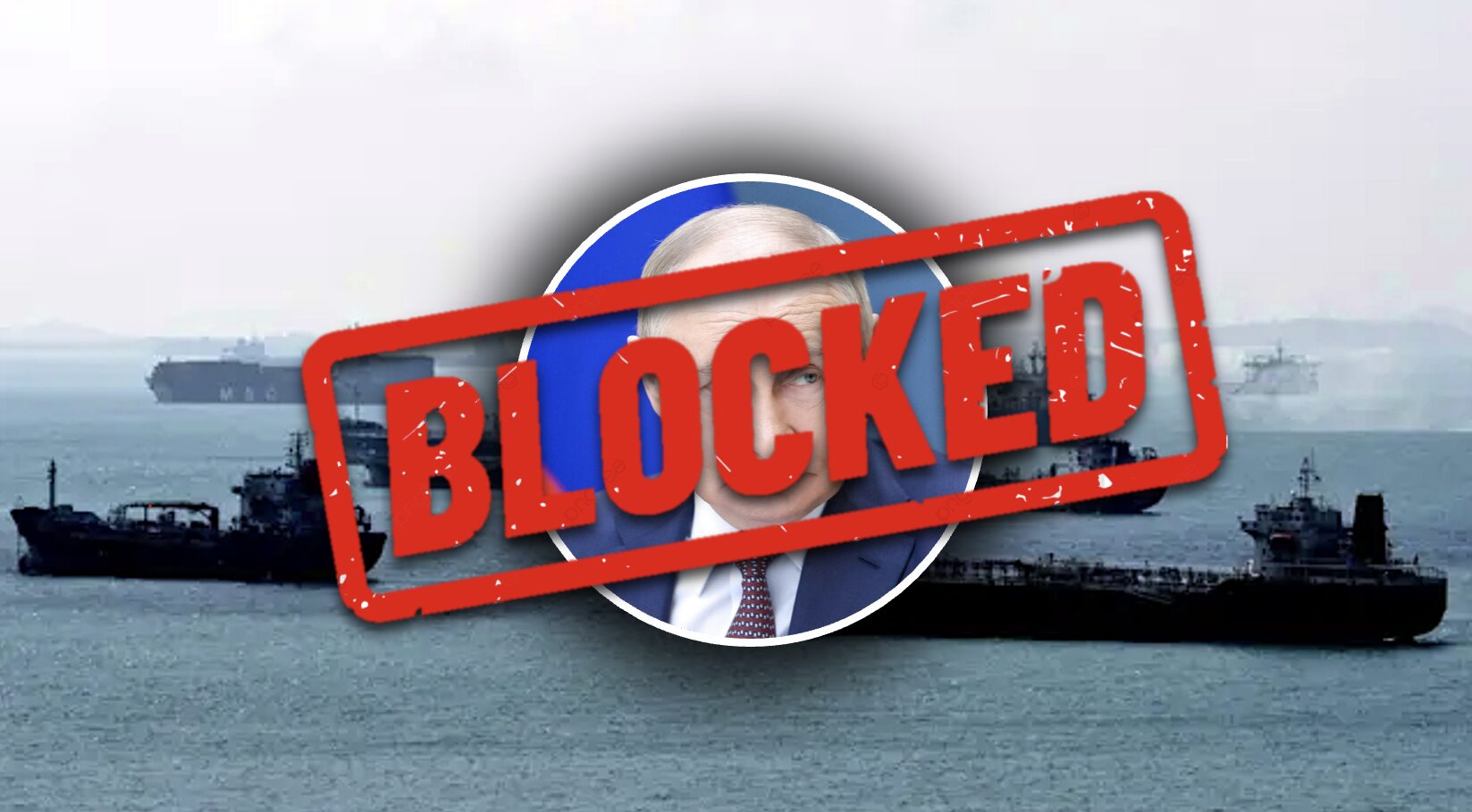


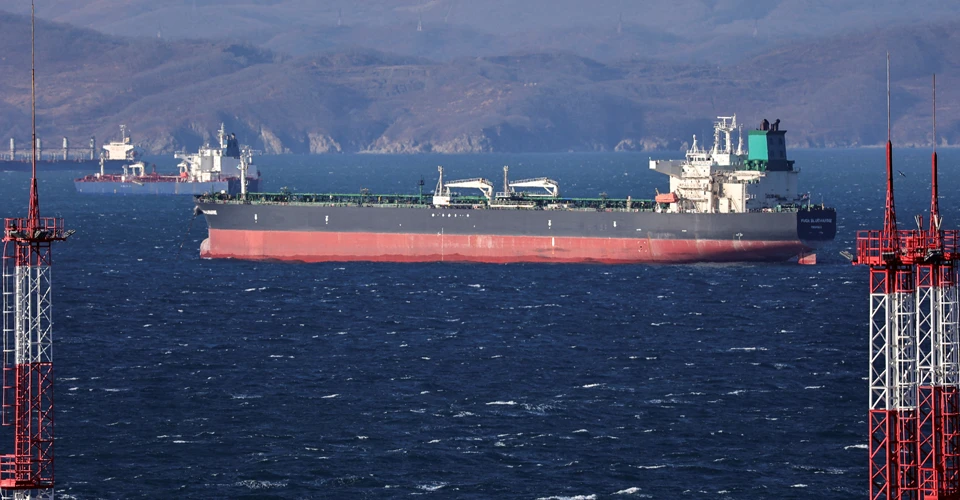
Fourteen European states have agreed to tighten control in the Baltic Sea and restrict navigation for Russia’s shadow fleet. The measures target tankers that lack proper documentation or change flags to bypass international sanctions. The countries announced the decision in a joint statement published on the UK government’s website.
Joint Position of the Baltic and North Sea Countries
The initiative brings together the United Kingdom, Belgium, Denmark, Estonia, Finland, France, Germany, Iceland, Latvia, Lithuania, the Netherlands, Norway, Poland, and Sweden.
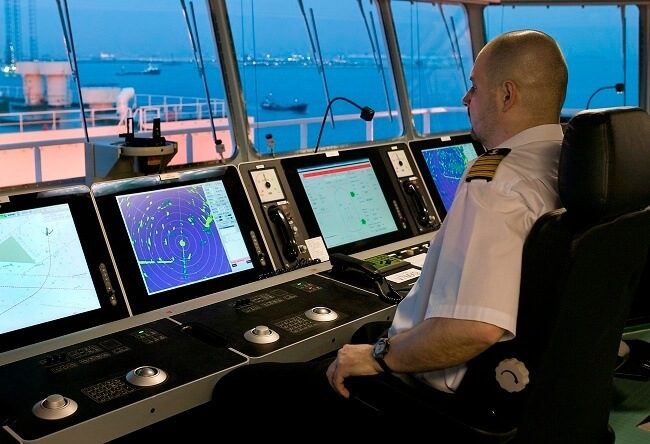
In the statement, the countries note a growing number of threats to maritime safety in the region. In particular, they point to interference with Global Navigation Satellite Systems (GNSS) and manipulation of the Automatic Identification System (AIS). According to the signatories, these actions originate from the Russian Federation and create risks for all vessels operating in the area.
Stateless Vessels and International Law Requirements
The signatory states warn that tankers sailing under the flags of two or more countries may be treated as stateless vessels. This assessment follows the provisions of the United Nations Convention on the Law of the Sea (UNCLOS).
In addition, the statement stresses that all vessels must comply with international maritime conventions. These include SOLAS, MARPOL and COLREG. Specifically, ships must carry valid documentation and certification. They must also have proper insurance. Furthermore, navigation systems, AIS, and communication equipment must operate continuously. Finally, vessels must follow reporting rules during navigation and cargo transfers.
Sanctions and Security Context
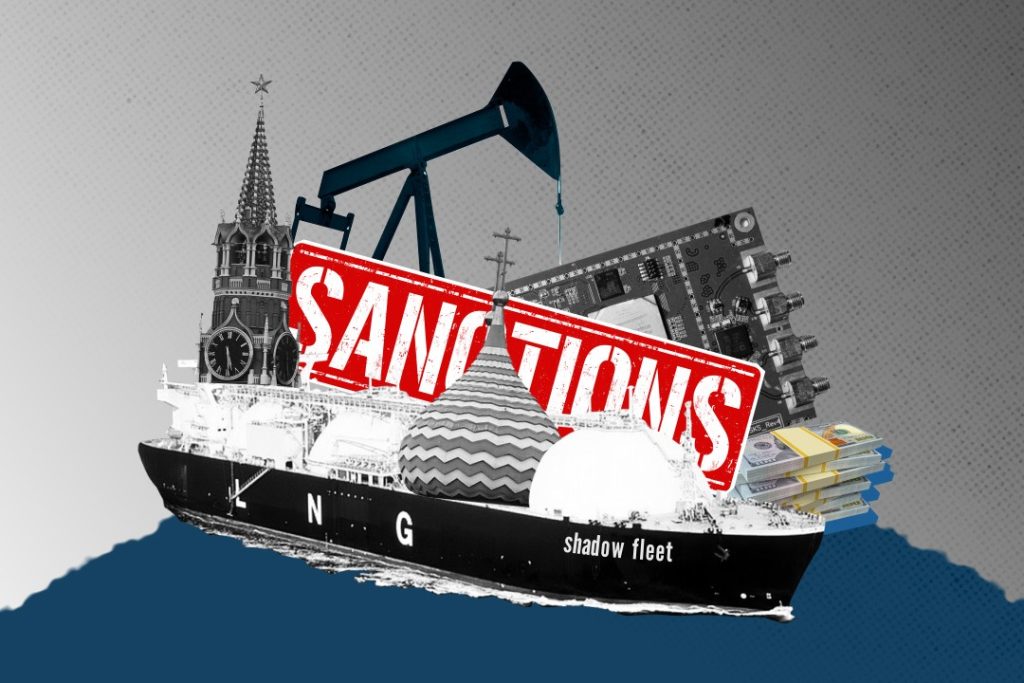
The statement also highlights the growing use of the so-called shadow fleet to circumvent international sanctions. According to participating countries, such vessels increase the risk of accidents. They also complicate search and rescue operations and pose serious threats to the marine environment.
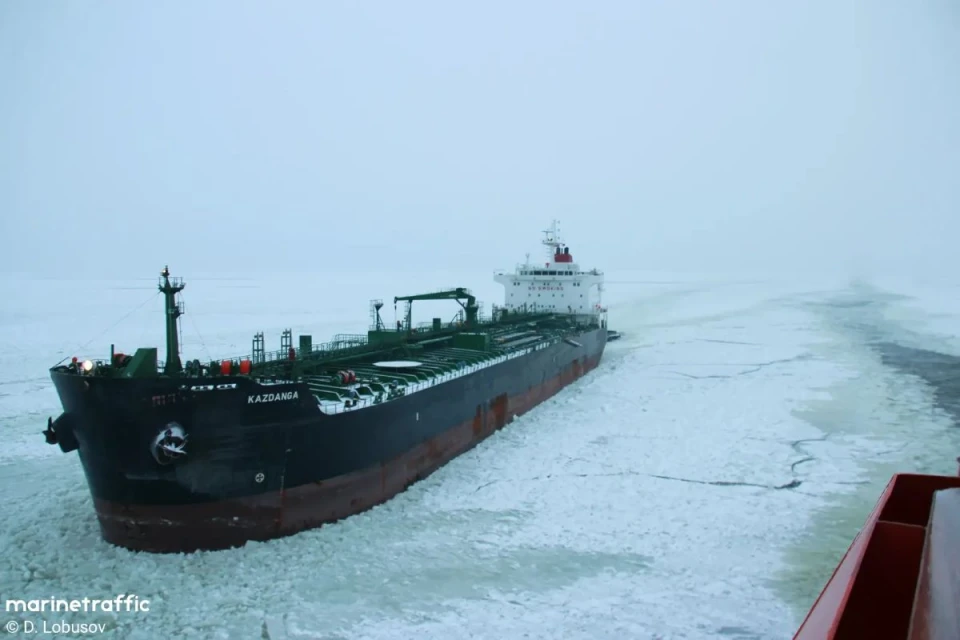
The term “shadow fleet” refers to ships Russia uses to export oil and petroleum products in defiance of Western sanctions. These vessels often have opaque ownership structures. They frequently rely on questionable insurers and sail under the flags of third countries.
Ahead of January 22, Ukrainian President Volodymyr Zelensky addressed the World Economic Forum in Davos. During his speech, he urged European states to strengthen the effectiveness of sanctions against Russia’s shadow fleet.
Conclusions
The Baltic and North Sea countries have agreed on stricter rules for navigation in the region. These new approaches introduce enhanced vessel monitoring and stricter enforcement of international maritime law. As a result, authorities may deny access to the Baltic Sea for tankers that lack proper documentation or show signs of sanctions evasion.