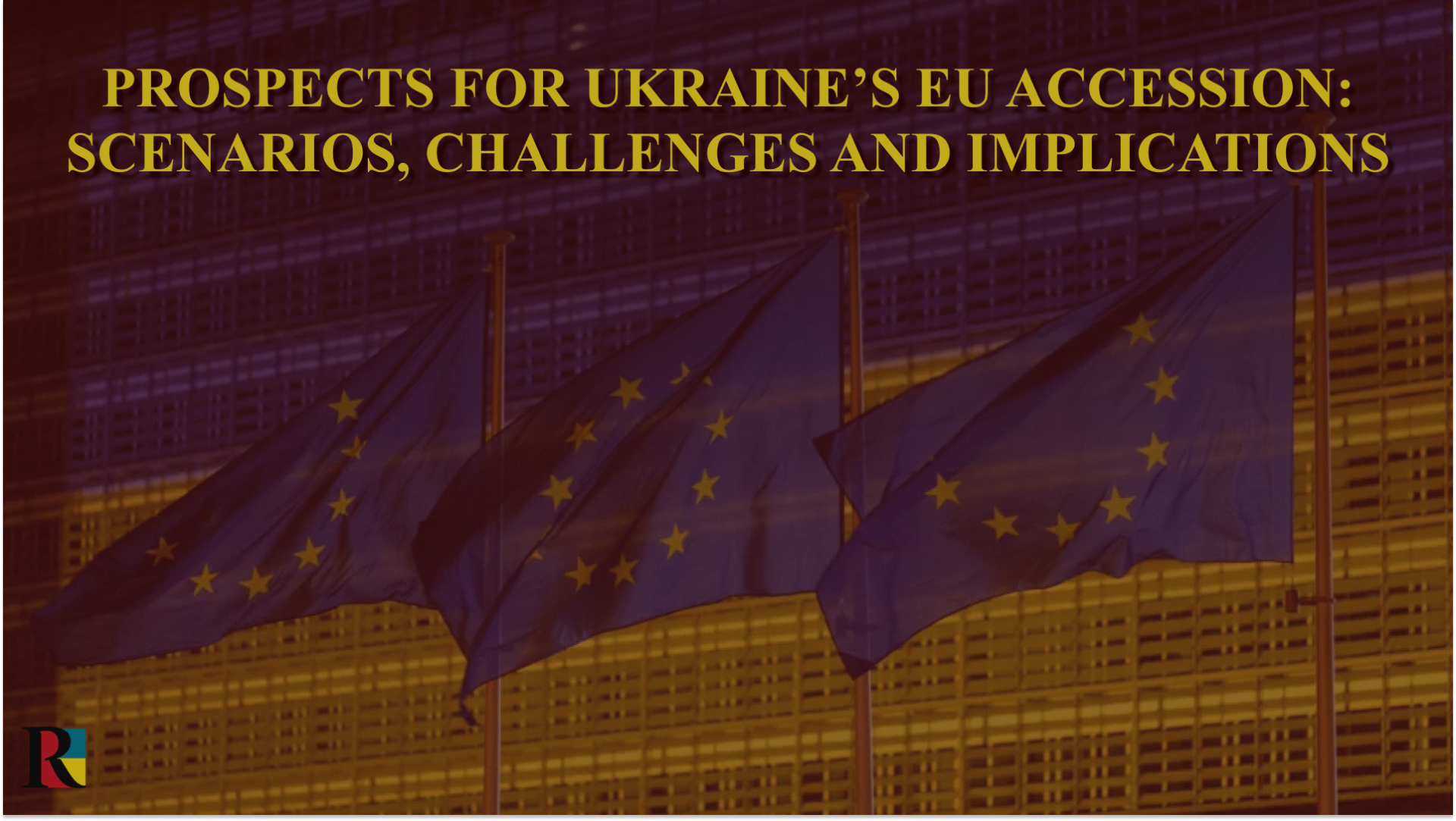


Ukraine’s accession to the European Union has long ceased to be a hypothetical issue, but a clearly defined prospect, supported by both the Ukrainian authorities and European partners. The key to this process remains the definition of specific terms. One of the most important initiatives in this direction was the address of the President of Lithuania, Gitanas Nausėda, who proposed fixing January 1, 2030 as the date of Ukraine’s official accession to the EU.
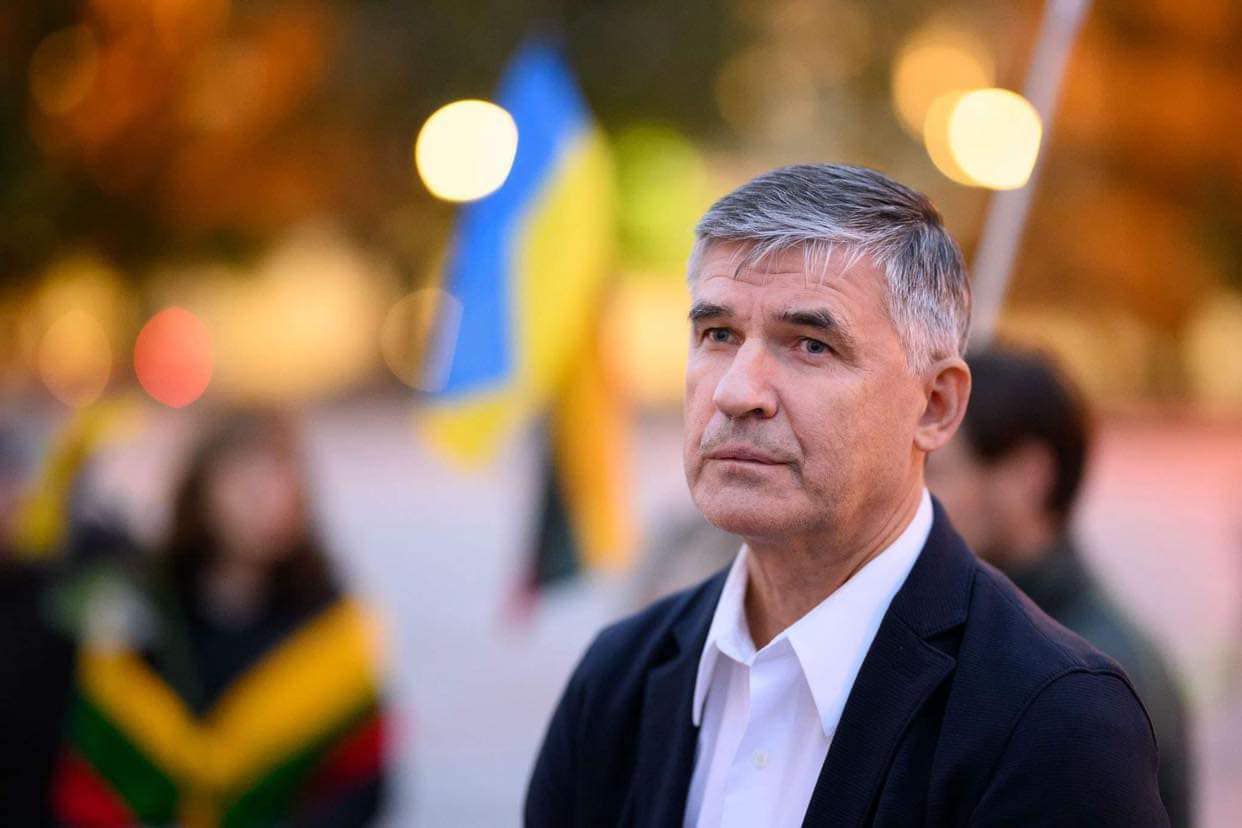
As Alvydas Medalinskas, a Lithuanian politician and political scientist at Mykolas Romeris University (Vilnius), notes:
The date of 2030 is a very strong signal both for Ukraine and for the entire EU. However, the reality is that the European bureaucracy works step by step, and Ukraine will have to do a huge amount of work. Lithuania and Denmark actively support the opening of negotiation clusters, but everything will depend on Ukraine itself and its ability to meet EU standards.
Ukraine officially applied for EU membership on February 28, 2022, shortly after the start of Russia’s full-scale war against Ukraine. Already in June 2022, the European Council granted Ukraine the status of a candidate country and at the end of 2023 adopted a decision to start accession negotiations. This rapid progress was made possible in large part due to geopolitical circumstances and the determination of the Ukrainian people. At the same time, a difficult path lies ahead: the accession process will require the fulfillment of strict criteria and the unanimous consent of all current EU member states.
In this article, we will consider possible scenarios, geopolitical consequences, risks and challenges of Ukraine’s European integration, the positions of key players, the experience of other countries, and the significance of Ukraine’s European integration for the world.
Possible accession scenarios: from quick accession to lengthy negotiations
Optimistic scenario (fast-track accession)
Some European leaders believe it is possible to significantly accelerate Ukraine’s accession process. European Council President Charles Michel has even stated that both the EU and candidate countries should be ready for enlargement “by 2030”, Politico reported.
In this scenario, Ukraine implements key reforms in a few years, the war ends on acceptable terms, and political will in Europe allows for a quick conclusion of accession negotiations.
Historical precedents show that under favorable circumstances, accession can occur quite quickly – for example, Finland and Sweden became EU members approximately 3–4 years after submitting their applications.
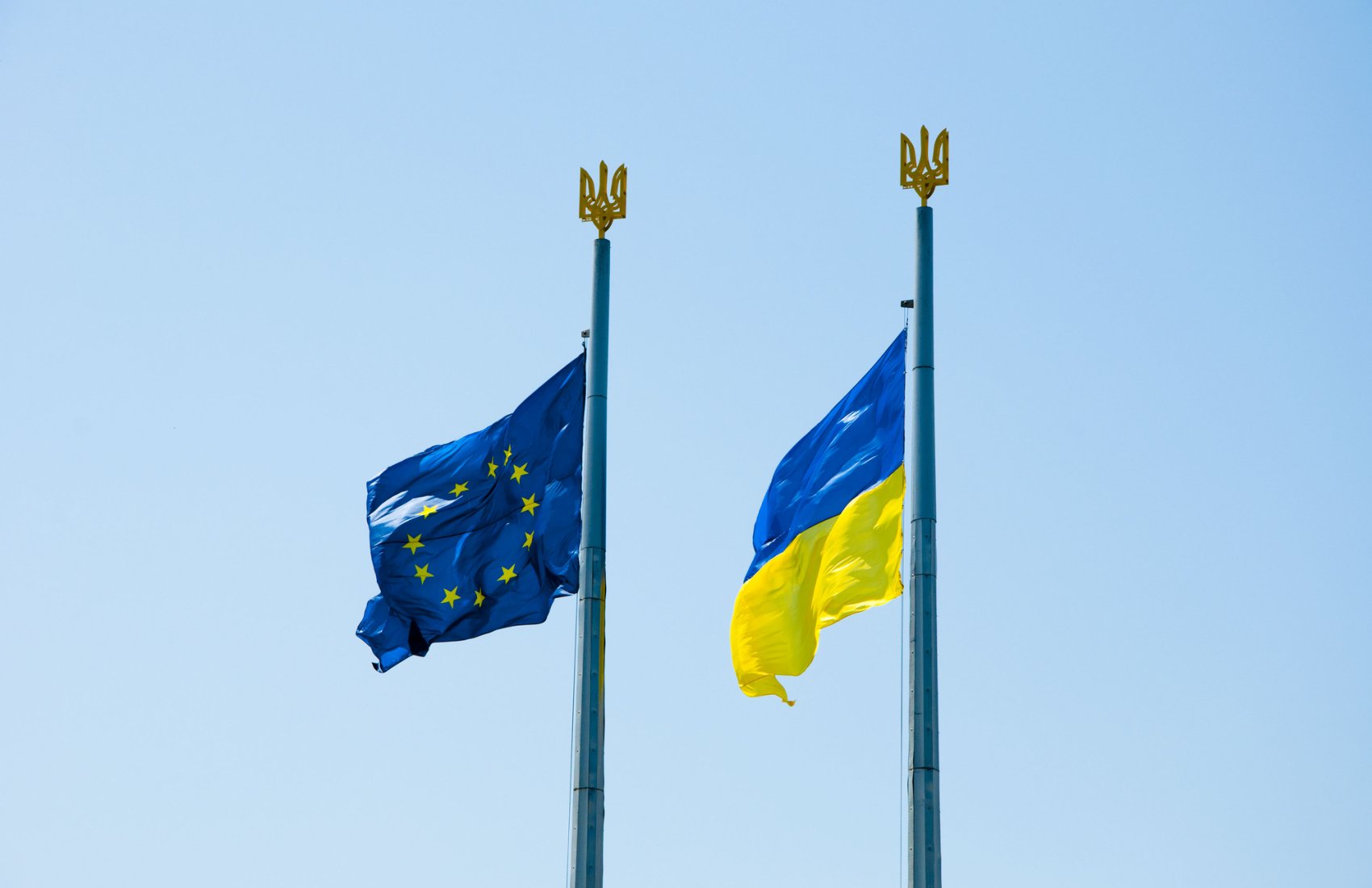
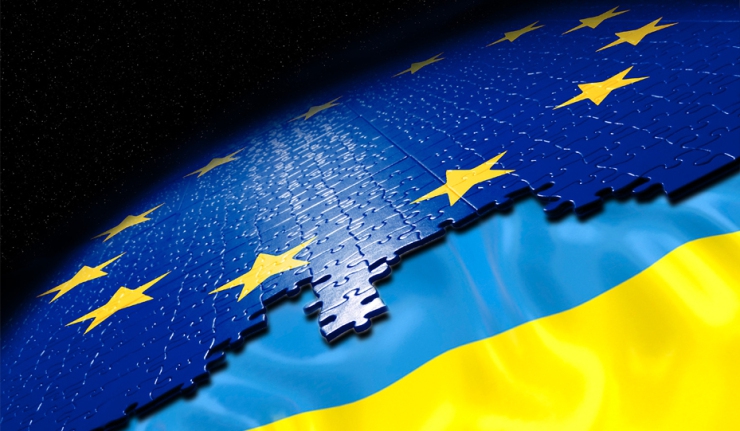
Flags of the EU and Ukraine. Photo: depositphotos.com
However, Ukraine’s case is unique: the country is experiencing a war and faces significant economic and institutional challenges. Even the most ardent supporters of rapid accession admit that the 2028–2030 deadline is a very ambitious deadline, Europeum experts note. To implement such a scenario, the EU would probably have to take unprecedented steps, providing maximum political and financial support for reforms in Ukraine.
Realistic scenario (gradual and long process)
Most experts assume that the process of Ukraine’s accession to the EU will take at least several years, and may stretch into decades. Even at the beginning of the war, diplomats warned that Ukraine could need “ten years or more” to fully meet the membership criteria.
France has also indicated that under normal conditions, accession is very long: President Emmanuel Macron openly stated in 2022 that even after granting candidate status, “the accession process will take many years, perhaps decades”, RFE/RL reports. This cautious view is explained by the scale of the changes needed – from the fight against corruption and judicial reform to the adaptation of legislation in 35 chapters of the negotiation dossier.
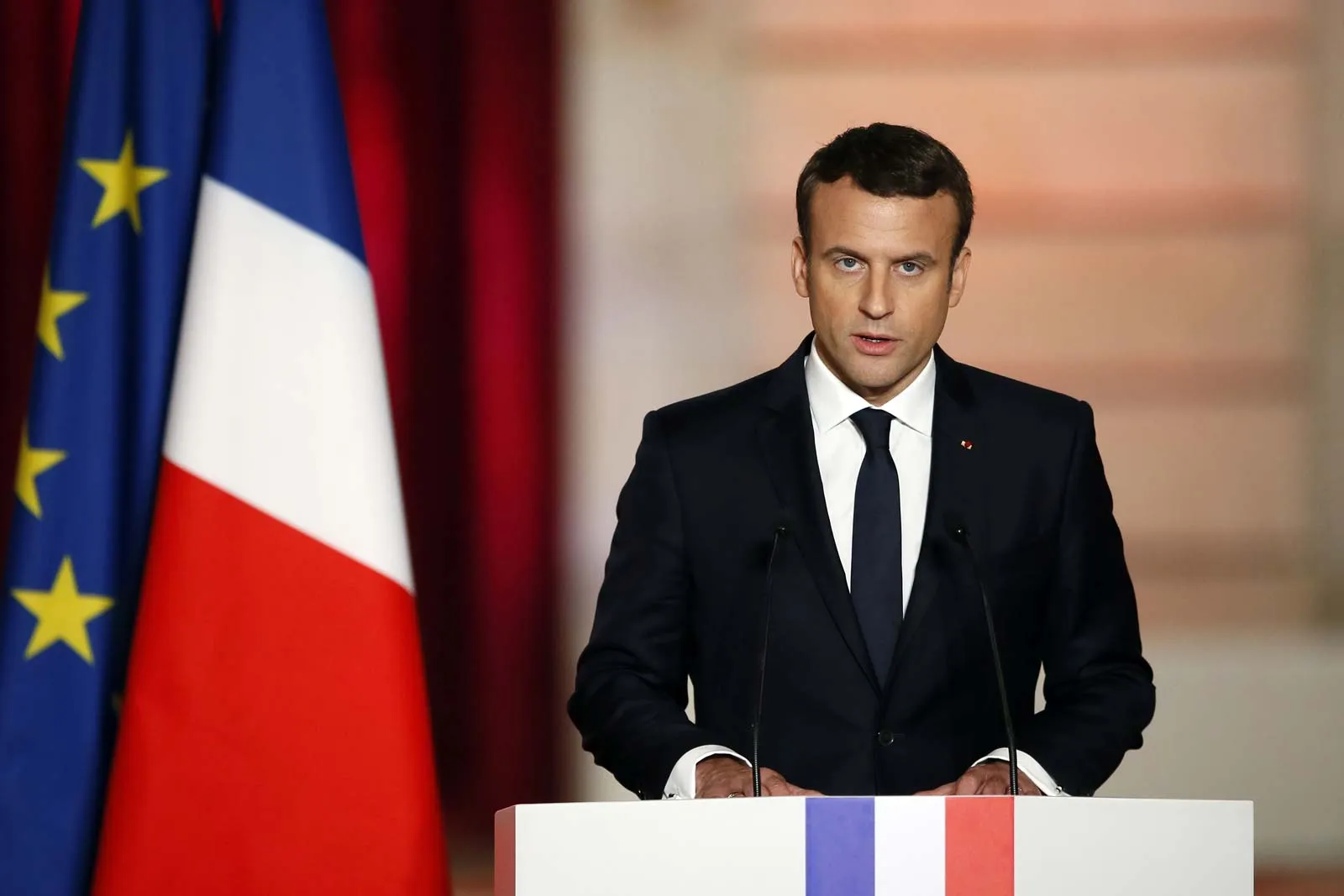
The average path from candidate to EU member for Eastern European countries was about 9–10 years. For example, Croatia (the last new EU member) spent about a decade on negotiations before joining in 2013. The experience of the Western Balkans also shows that the process can be protracted: some Balkan countries have been in candidate status for many years without a clear prospect of completion, which causes disappointment in the region.
Thus, a realistic scenario for Ukraine envisages several stages of gradual integration, where full membership will be the result of a long journey after the war and comprehensive reforms.
But, as Yulia Mazana, Director of European Integration Programs at the Ukrainian Institute for the Future, notes: “a clear prospect of membership will motivate the Ukrainian authorities to more actively implement reforms and fight corruption. In addition, this will allow attracting long-term investments and strengthen international support for Ukraine.”

Initial restrictions and phased integration
Regardless of the timing of accession, Ukraine will almost certainly face some temporary restrictions in the first years of membership. This practice has been used during previous waves of EU enlargement: for example, labor migration from new Eastern European members was subject to transitional restrictions of up to seven years by old members. Similarly, Ukraine may agree to gradually acquire full rights within the EU in order to allay current members’ concerns about the influx of labor or competition in certain sectors.
There is even a discussion of a “phased accession” model, where Ukraine gradually integrates into various areas of the single market before formal membership, notes VoxUkraine. Partial membership for a transitional period is also possible: some analysts propose a special protocol on conditional membership of Ukraine pending ratification of the treaty by all EU countries, writes EPC. This would mean Ukraine’s participation in certain institutions and programs of the Union immediately after signing the treaty, but with certain reservations until full acquisition of all rights.
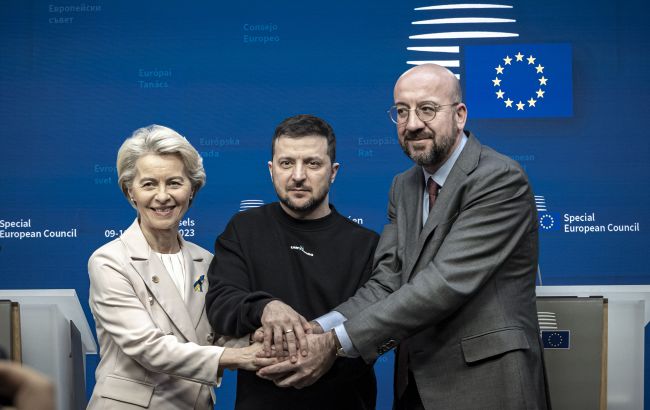
In addition, transitional periods will apply in certain areas of the economy – for example, regarding access to structural funds or the introduction of agricultural quotas – so that the adaptation of the Ukrainian economy takes place gradually. In the area of freedom of movement of people, Ukraine itself may be interested in temporary restrictions to prevent mass labor migration after the war and to stimulate the return of its citizens. Therefore, Ukraine’s accession to the EU will most likely be gradual: rapid political rapprochement, but gradual acquisition of all the rights and obligations of a member of the Union.
According to the Kyiv International Institute of Sociology, 92% of Ukrainians support accession to the EU. However, integration may lead to a significant outflow of personnel, especially young specialists and highly qualified workers.
Ukraine may face the effect of a ‘brain drain’, as happened to Poland after its accession to the EU in 2004, – emphasizes Yulia Mazana.
Geopolitical consequences of Ukraine’s membership in the EU
A new balance of power in Europe
The political factor also plays an important role. As Alvydas Medalinskas notes:
Fixing the date of Ukraine’s accession to the EU will allow Kyiv to take a stronger position in international negotiations and will be an important step in the geopolitical balance of power in Europe.
Yulia Mazana believes that “a fixed date will allow Ukraine to clearly plan its reforms and strengthen international support. However, the final decision depends not only on us, but also on internal political processes in the EU itself.”
Ukraine’s accession will make the European Union significantly larger – in terms of population, territory and economic potential. Ukraine, with a pre-war population of over 40 million, could be compared in size with Poland and Spain. According to UN data, Ukraine currently has about 39 million people. The International Monetary Fund gives a different figure – 32.9 million for 2025.
This will shift Europe’s center of gravity eastward and strengthen the voice of Eastern European members in common policy. The EU’s enlargement to the East after the Cold War has already changed the dynamics within the bloc, and Ukraine’s accession will continue this trend. A new major player will appear in the EU Council and the European Parliament, which, together with Poland and other neighbors, will be able to influence decisions related to security, energy, and Eastern policy.
On the other hand, such a quantitative increase will make it more difficult to achieve consensus – 35+ members will have to agree on joint decisions for longer. The need for EU reforms will become urgent: it is not for nothing that Europe is already discussing the abandonment of the principle of unanimity on certain issues, changing budgetary approaches, and institutional restructuring before a new wave of enlargement, notes Politico.
Without internal reforms, the Union risks facing paralysis of decision-making mechanisms in an enlarged composition, warns Bruegel. The prospect of Ukraine’s membership has in fact stimulated discussions about the future architecture of the EU. Overall, Ukraine’s accession will strengthen the European project geopolitically – as a confirmation of the EU’s attractiveness and ability to unite the continent – but at the same time it will require Europe to adapt to the new reality.
Relations with Russia
Ukraine’s geopolitical choice in favor of the EU will radically affect the dynamics of Europe’s relations with Russia. Moscow has traditionally been negative about any rapprochement of Ukraine with Western structures – both with NATO and with the European Union, reminds Reuters.
The Kremlin views the expansion of the EU in the post-Soviet space as a loss of its influence and a threat to its own geopolitical ambitions. Ukraine’s accession to the EU will actually consolidate its exit from the orbit of Russian dominance, which is likely to be perceived by Russia as a strategic defeat. The EU border will directly adjoin Russia and Belarus for a much longer period than it does now. The Ukrainian-Russian and Ukrainian-Belarusian borders will become the external borders of the European Union. This puts forward new requirements for security and control on these borders, Bruegel notes.
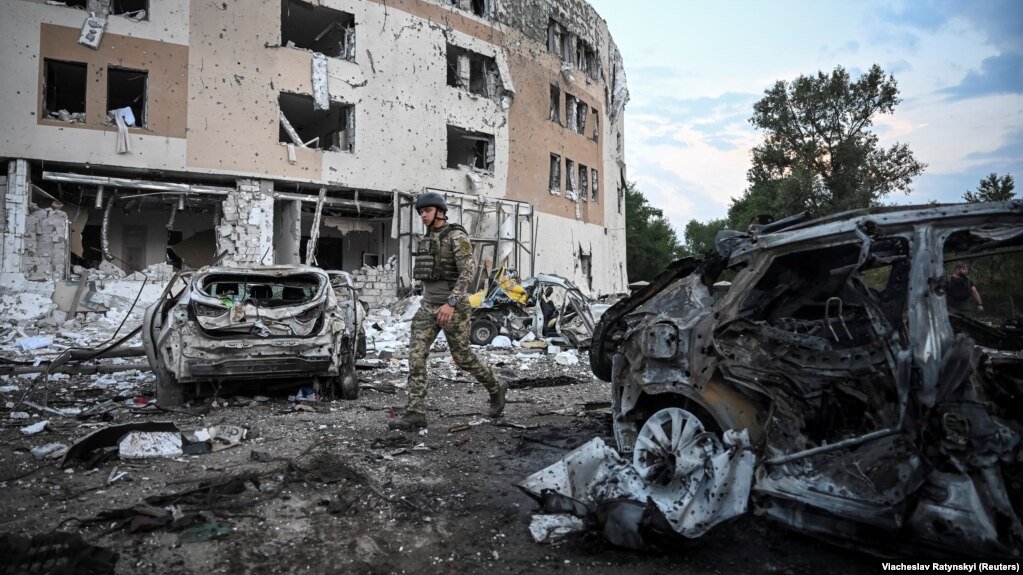
Consequences of the missile attack on Zaporizhzhia, August 10, 2023. Photo: Viacheslav Ratynskyi/Reuters
After Ukraine’s membership, the EU’s approach to Russia will certainly become tougher and more consolidated, because a country that has directly suffered from Russian aggression will join the Union. Long-term tension in relations can be predicted: Russia may resort to freezing the conflict or provocations in order to complicate Ukraine’s integration (for example, by maintaining “smoldering” territorial disputes like the situation with Cyprus). On the other hand, the successful European integration of Ukraine – a large Slavic democratic state – will also be a powerful signal for Russian society. Bruegel notes that in the event of a change of power in the Russian Federation and the beginning of democratization, Ukraine’s example in the EU could become a catalyst for rethinking the future of Russia itself. In the short term, Ukraine’s accession to the EU will most likely only consolidate the confrontational line between Europe and Russia, as it will demonstrate the failure of the Kremlin’s attempts to keep Ukraine in its sphere of influence. Ukraine’s accession to the EU will also have a significant impact on its security. After all, this involves mutual assistance in the event of an armed attack on any EU member state.
According to Yulia Mazana, Director of European Integration Programs at the Ukrainian Institute of the Future: EU membership will mean additional security guarantees for Ukraine, as Article 42.7 obliges EU countries to provide assistance in the event of external aggression. Political support from member states will also be significantly strengthened.
In addition, the EU is actively developing its own defense strategy, which may have a positive impact on Ukraine.
Lithuanian expert Alvydas Medalinskas emphasizes: The European Union is already reviewing its approaches to defense policy, and Ukraine can become an important part of this process. Integration into joint defense cooperation programs will significantly strengthen the country’s security.
Prospects and challenges on the path to membership Ukraine, like other candidate countries, faces a number of challenges that may affect the speed of accession to the EU.
The Role of the US and NATO
For the United States, Ukraine’s membership in the EU will have mostly positive geopolitical consequences. Washington has consistently supported Ukraine’s European aspirations as part of its path to the West. Since the Cold War, the US has seen the EU’s expansion to the East as a tool for strengthening a democratic, prosperous, and stable Europe – which is also in the interests of the US. American officials have repeatedly emphasized that Ukraine’s future lies in the Euro-Atlantic community, alongside the EU and NATO. EU accession will consolidate democratic reforms and the rule of law in Ukraine, and will also reduce the long-term burden on the US in supporting Ukraine, as the EU will assume the lion’s share of responsibility for Ukraine’s post-war reconstruction and development. Thus, from the US perspective, Ukraine’s European integration strengthens the common West and deters authoritarian regimes.
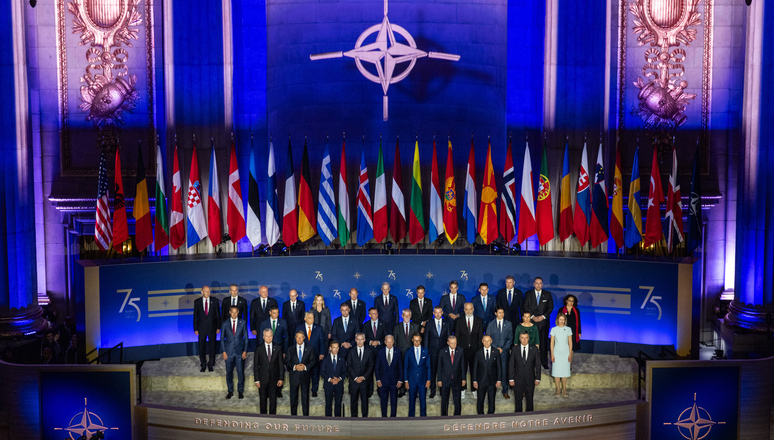
At the NATO Summit 2024, the Heads of State and Government of the Alliance’s 32 member states and the NATO Secretary General take a group photo at Mellon Auditorium in Washington, D.C., the very place where the founding powers signed the North Atlantic Treaty 75 years ago.
As for NATO, the situation is more complicated. Previously, Central and Eastern European countries first joined NATO and only then joined the EU. In the case of Ukraine, the reverse sequence is possible due to the war – first EU membership, and the NATO issue is postponed for the time being. For the first time, the EU can accept a state that is partially occupied and is under an actual military threat from its neighbor.
The lack of guarantees of collective defense (Article 5 of NATO) at the time of accession will also be a challenge for the EU: security aspects will be much more important than in previous waves of enlargement, Bruegel emphasizes. On the one hand, Ukraine has one of the largest armies in Europe and a significant defense potential, which after accession will also strengthen the security of the EU itself. The Union will receive a country with unique experience in resisting Russian aggression and a developed defense-industrial complex. On the other hand, while Ukraine is not under the NATO “umbrella”, the EU will have to look for mechanisms to guarantee its security – through deepening cooperation with NATO or developing its own defense policy (PESCO, European Defense Union, etc.), Bruegel notes.
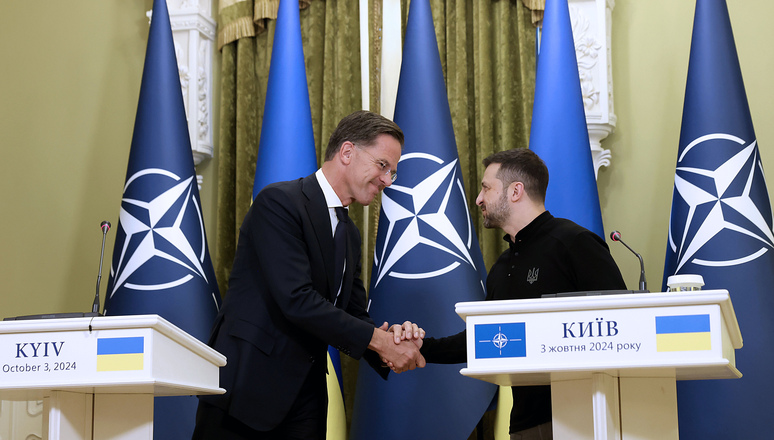
NATO Secretary General Mark Rutte with President of Ukraine Volodymyr Zelenskyy in Kyiv during his first official visit as Secretary General on October 3, 2024
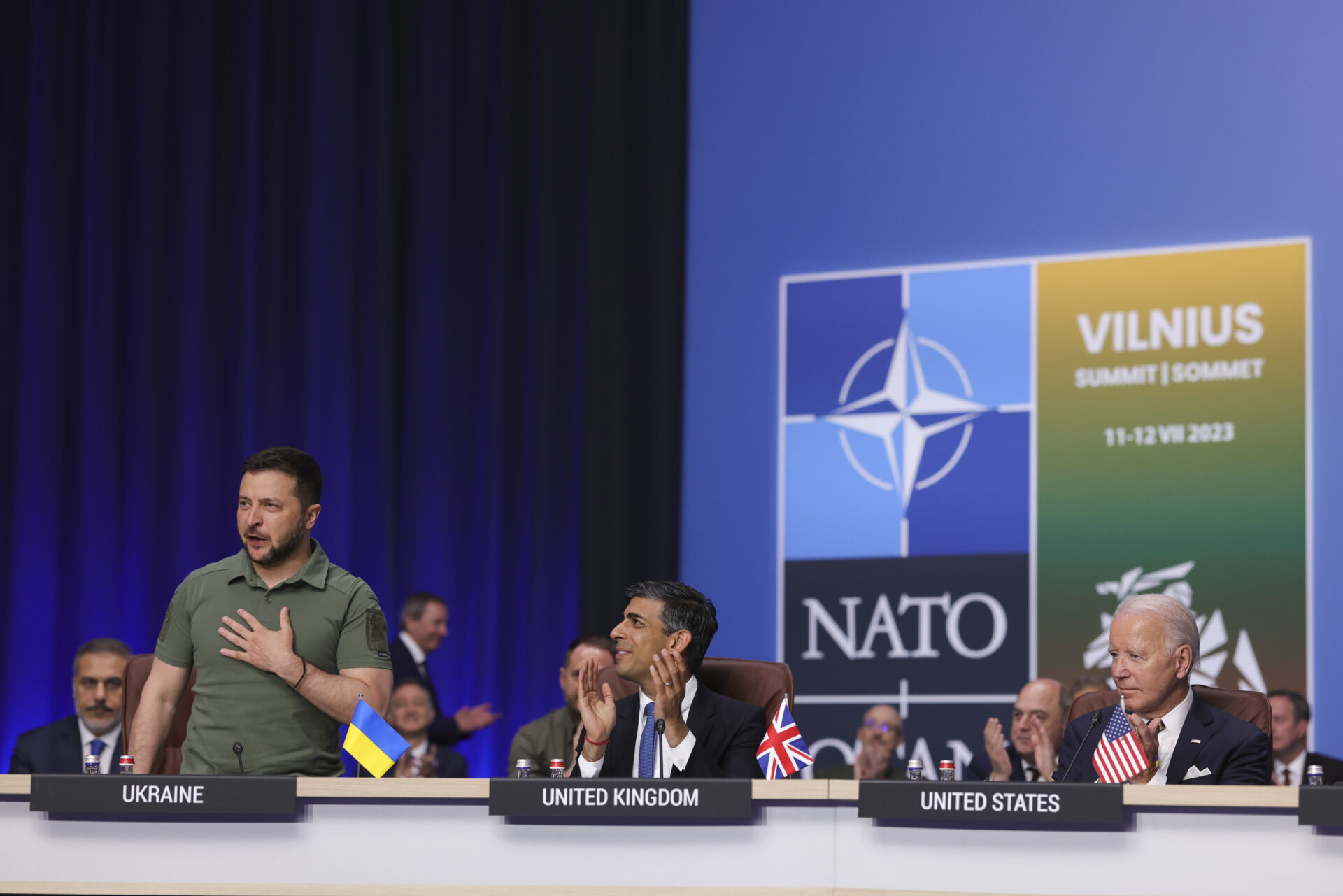
For NATO as a military alliance, Ukraine’s accession to the EU is a welcome step: it will further tie Kyiv to the West and facilitate future integration into the Alliance itself. At the 2023 Vilnius Summit, NATO confirmed that Ukraine will eventually become a member of the Alliance when conditions permit – that is, EU membership is seen as an intermediate but important step for Ukraine on its path to NATO. In general, the positions of the US and NATO coincide: they support Ukraine’s accession to the European Union as a strengthening of the collective West, while emphasizing the need for continued security support for Ukraine until it receives full-fledged defense guarantees.
Internal and external risks on the path of Ukraine’s European integration
Internal challenges and conditions for reforms
The biggest obstacles to Ukraine’s rapid European integration are related to the need for profound internal changes. Despite significant progress in reforms after 2014, Ukraine started the process of rapprochement with the EU with a baggage of old problems. Before the war, it was assessed as one of the least effectively governed countries in Europe – according to the EBRD, Ukraine ranked second to last in terms of the quality of governance among the ten candidate countries (this fact is cited by the Bruegel publication).
Corruption, oligarchic influence, an imperfect judicial system – all this will require decisive action. The European Union has clearly outlined seven priority reform requirements to maintain candidate status: among them judicial and anti-corruption reforms, de-oligarchization, improvement of minority rights, etc.
The implementation of these “homework” is a prerequisite for the opening of expanded negotiations on the chapters of EU law. Although the implementation of reforms is difficult in wartime, Ukraine cannot afford to procrastinate – otherwise the process will stall and drag on. There is a risk of “reform fatigue”: when the initial enthusiasm for European integration fades, and complex structural changes encounter resistance from interested groups. It is important to avoid a repetition of the scenarios of some Balkan countries, where progress has stalled due to internal political instability and corruption.
Ukraine must prove its capacity for reforms, and the clear prospect of EU membership can become a powerful incentive for the authorities to initiate and quickly implement the relevant reforms, – notes Alvydas Medalinskas.
Officially, the negotiation process on Ukraine’s accession to the EU has been divided into 35 chapters, grouped into six clusters. Ukrainian President Volodymyr Zelenskyy said that all conditions are in place to open the first two clusters as early as early 2025. These are the “Fundamental Areas” and the “Internal Market”, which cover key aspects of European integration.
Yulia Mazana, Director of European Integration Programs at the Ukrainian Institute for the Future, explains: Active work is already underway on these two clusters. This is especially true of the first cluster, which includes the rule of law, human rights and anti-corruption measures. However, there is resistance, in particular from Hungary, which complicates the process. However, negotiations are ongoing, and Ukrainian diplomacy is working to convince skeptical countries.
A fixed date for EU accession will be important for Ukraine in terms of international support, economic stability and internal reforms.
Another internal factor is economic capacity and post-war reconstruction. The war caused enormous damage to the Ukrainian economy, infrastructure, and human capital. After the victory, Ukraine will have to virtually rebuild entire regions, modernize industry, and bring back millions of citizens who have left abroad.
The success of reconstruction is closely linked to European integration: investments, access to financing, and the opening of EU markets will become key drivers of economic growth. However, there is a risk that without proper reforms, funds may be used inefficiently or be hampered by bureaucracy.
The EU emphasizes that it will not give in to demands for the rule of law and anti-corruption institutions even in times of war, Bruegel emphasizes. A possible preventive mechanism is the application of the principle of funding conditionality: tying aid and progress in negotiations to real anti-corruption results, notes the Polish Institute of International Relations (PISM).
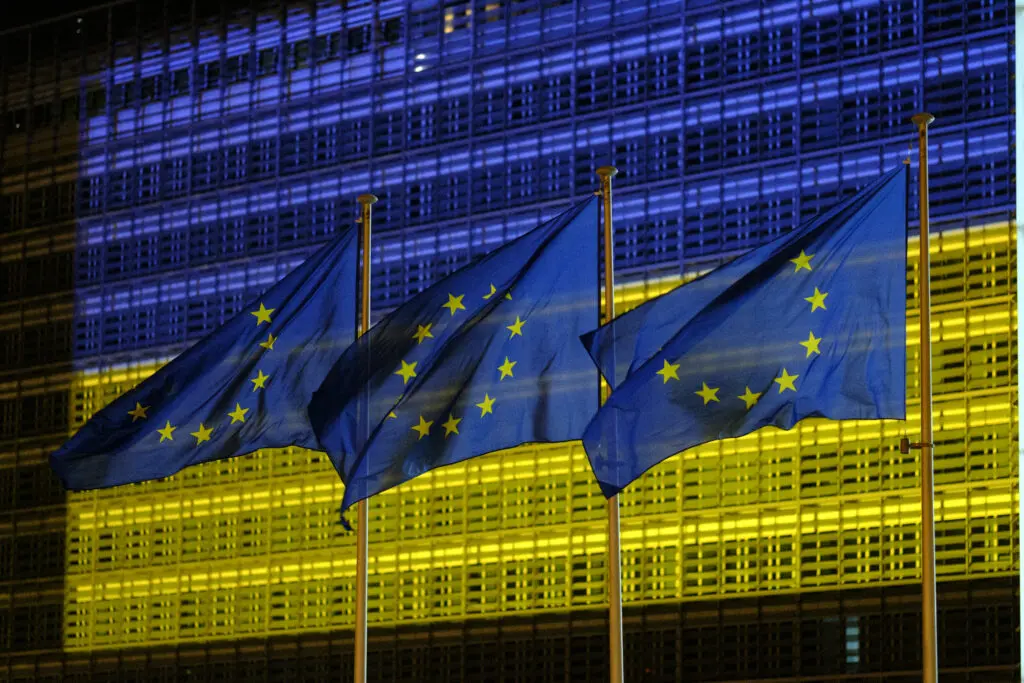
The headquarters of the European Commission is illuminated with the colors of the Ukrainian flag, May 8, 2022, Brussels, Belgium. Photo: Thierry Monasse/Getty Images
Thus, the main internal risks to Ukraine’s European integration are unfinished reforms and economic challenges. Ukraine will be able to overcome them only by demonstrating the irreversibility of its course towards European values, even if this requires a painful fight against corruption and the evils of established management practices.
External factors and obstacles
Ukraine’s accession process will largely depend on external circumstances and the positions of other states. The main external risk is the continuation of the war or a “frozen” conflict with Russia. As long as hostilities continue on Ukrainian territory or the occupation persists, no EU state will be inclined to ratify the accession agreement.
Analysts note that Ukraine’s European integration is inextricably linked to the achievement of a fair peace treaty with Russia, which will stop hostilities and clearly define the borders of Ukraine (European Papers, in particular, writes about this).
The ideal scenario: a complete victory for Ukraine and the restoration of territorial integrity – then nothing will prevent the rapid conclusion of negotiations and the integration of the country into the EU. If the peace is incomplete (for example, Crimea or part of Donbas remain temporarily occupied), the EU could theoretically follow the Cyprus path – to accept Ukraine de jure within the internationally recognized borders, but suspend the application of the EU acquis in the occupied territories, the EPC notes. However, such a scenario carries the risk of constant tension on the EU border and space for blackmail from Moscow. Therefore, the West emphasizes: for long-term peace and successful integration, it is Ukraine’s victory that is desirable, or at least a peace that does not question its sovereignty. The second external factor is the position of the EU member states and neighboring countries. The enlargement procedure requires unanimity, so any country can effectively block both the negotiations and the ratification of the accession treaty. This creates space for a potential veto for various reasons, the EPC warns. For example, Hungary has already demonstrated its willingness to use consensus issues in the EU and NATO to pressure on its bilateral claims (in particular, the language rights of the Hungarian minority in Transcarpathia). Theoretically, any EU member can slow down accession by putting forward additional conditions. In addition to Hungary, other neighbors of Ukraine also have some nuances, but these countries are more likely to use them as bargaining chips than to actually block a historic decision. In addition, EU rules require ratification of the accession treaty by the parliaments of all 27 members, and in some places referendums. Public opinion in Western Europe is not universally in favor of further enlargement, especially given the potential financial costs. Traditionally cautious about accepting large and relatively poor countries (such as France) may insist first on deepening the EU itself and internal reforms. Germany is generally in favor, but also links enlargement to reforms of the Union. Therefore, there is a risk of “enlargement fatigue” or the EU’s distraction from its own problems, which could slow down the process. A decline in enthusiasm among EU countries could manifest itself in the introduction of new criteria or revisions to the accession conditions – something Balkan candidates are already complaining about, accusing Brussels of changing the rules of the game in the middle of the process, notes Politico.
Formal accession to the EU is a complex and lengthy process, but political readiness and successful reforms can speed it up… The main obstacles to Ukraine’s accelerated accession to the EU are the EU bureaucracy and internal opposition from some countries, such as Hungary. However, diplomatic pressure and support from key players, in particular Germany and France, can change the situation, – emphasizes Alvydas Medalinskas.
The third challenge is the readiness of the European Union itself to enlarge. Accepting a country as large as Ukraine will inevitably require a restructuring of the EU’s budgetary policy. Ukraine is likely to become one of the largest recipients of cohesion funds and agricultural subsidies, which will require either an increase in the Union’s budget or a redistribution of contributions between members, experts from the Polish Institute of International Relations (PISM) note.
Already, estimates are being made that full integration of Ukraine could cost the EU budget an additional several hundred billion euros over a seven-year period if current policies are maintained (this figure is given by Euronews). This could provoke resistance from taxpayers in richer states if the strategic value of such costs is not explained to them. Some countries may insist on longer transitional periods before Ukraine gains full access to EU funds, or on reforming equalization and agricultural policies themselves before Ukraine joins. In fact, the success of European integration depends not only on Ukraine, but also on how institutionally and financially ready the European Union itself is for a new enlargement. European leaders are aware of this: Charles Michel, calling for preparations to accept new members, even mentioned the need to take enlargement into account in the next multi-year EU budget, Politico emphasizes. If the EU cannot agree on internal reform (budgetary, administrative, political) in time by the time Ukraine is ready, the accession ratification process may slow down until these issues are resolved. In summary, external risks to Ukraine’s accession include a delay or disruption of the peace process with Russia, possible vetoes and demands from individual EU members, and the Union’s own lack of readiness for such an enlargement. Mitigating these risks requires active diplomacy by Kyiv with each EU capital, continued support from allies (the US, Poland, and others) to pressure skeptics, as well as a strategic vision for EU reform from Brussels and key leading countries.
Positions of the international community and key players
The European Union: between principles and geopolitics
At the level of EU institutions, the official position is unequivocal: “The future of Ukraine is in the European Union.” The European Commission and the European Parliament have repeatedly stated their support for Ukraine’s membership, emphasizing that the speed of progress will depend on fulfilling the criteria.
European Commission President Ursula von der Leyen called the decision to grant Ukraine candidate status a “historic moment” and expressed confidence that Ukraine would implement the necessary reforms as soon as possible, Reuters reports.
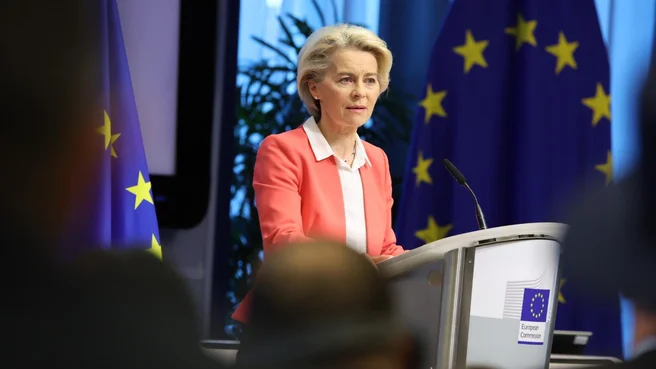
At the same time, Brussels avoids naming specific dates for accession so as not to create inflated expectations. The EU Council, when deciding to start negotiations, explicitly stated that the process would be “merit-based” and would require the fulfillment of all conditions set in the context of enlargement (European Papers reports).
It is important that for this wave of enlargement, the European Union has even changed its approach somewhat: in 2020, an updated accession methodology was introduced, which allows not only to open negotiation “clusters” (groups of heads) by unanimous consent, but also to freeze or curtail negotiations if a country deviates from its commitments, the EPC analyzes. That is, the EU wants to protect itself from a situation where candidates receive concessions and then slow down reforms. In general, official Brussels is balancing between two imperatives – on the one hand, to maintain high accession standards (Copenhagen criteria), on the other – to take into account the unique circumstances of Ukraine and not let bureaucratic procedures stop a geopolitically important process. Currently, the signal from the EU is: the door is open, help is coming, but Kyiv must demonstrate results in order to convince all EU members to make a historic decision as soon as possible.
Leading Western European countries: cautious optimism
Among the member states, positions are not entirely homogeneous, although skepticism has noticeably diminished since the outbreak of the war. Germany supports Ukraine on its path to the EU, while emphasizing the need for reforms of the Union itself. Former Chancellor Olaf Scholz in 2022 called on the EU to “expand eastward, but at the same time deepen” – meaning preparing institutions to welcome newcomers and gradually abandoning the principle of unanimity in foreign and security policy. Berlin is aware of its historical responsibility for European unity and is now less inclined to slow down enlargement than it was, say, in the case of the Balkans before. At the same time, Germany will take a pragmatic approach to financial issues: as the EU’s largest donor, it is likely to demand adjustments to budgetary rules so that the burden is fair and new members gradually achieve economic convergence.
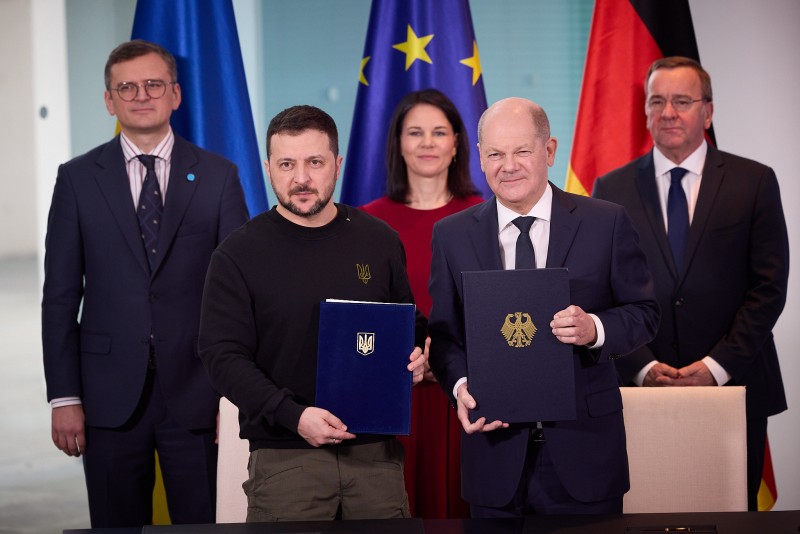
France has traditionally been cautious about enlargement, defending the effectiveness and depth of the EU. Paris initially took a lukewarm view of Ukraine’s early accession: in May 2022, President Emmanuel Macron spoke openly about the prospect of decades of waiting and even proposed creating a “European political community” – a broader format for rapprochement with candidate countries as they prepare for membership, as RFE/RL reported. The idea was seen by many as an attempt to give Ukraine an alternative to full accession, or at least to postpone it. However, under pressure from allies and public opinion (in France itself, the war has increased sympathy for Ukraine), Paris agreed to support granting Kyiv candidate status. France now officially supports Ukraine’s future membership, but insists that the EU should not lower the bar on criteria and repeat the mistakes of too rapid enlargement. French diplomacy emphasizes that the Union must first undergo institutional reform (in particular, review the composition and voting system in the EU Council, the work of the European Commission in the context of 30+ members). That is, Paris’s position can be formulated as follows: “for membership, but in due time and according to the rules.” At the same time, France recognizes the geostrategic need for Ukraine’s integration in order to strengthen European security and reduce Europe’s long-term dependence on the United States.
Italy, Spain and other Western European countries generally support Ukrainian membership, although they do not promote it as actively as Ukraine’s neighbors. The main thing for them is to preserve the unity of the EU and solve their own economic issues. They will not object to Ukraine in the Union if this does not harm their national interests (for example, does not significantly reduce the amount of cohesion funds for their regions). These countries are largely guided by the position of France and Germany. So, Western European capitals are constructively, albeit cautiously: they are not against opening the door to Ukraine, but they will ensure that the process complies with the rules and does not destabilize the EU itself.
Central and Eastern Europe: Ukraine’s Advocates
Ukraine’s neighbors in Central and Eastern Europe are the most ardent supporters of its rapid integration. Poland, Lithuania, Latvia, and Estonia have been actively lobbying for Ukraine to be granted a European perspective as soon as possible since the beginning of the war. They see Ukraine’s accession as historical justice and a guarantee of long-term peace in the region. Back in March 2022, the Polish Sejm unanimously called on EU countries to support the accelerated process of Ukraine’s accession. Polish leaders have effectively become Kyiv’s advocates in Europe: on their initiative, Ukraine was invited to EU summits, and the decision on candidacy was made without delay. In December 2024, Polish Prime Minister Donald Tusk promised to use Poland’s presidency of the EU Council in 2025 to “accelerate negotiations on Ukraine’s membership in the EU,” Kyiv Post reports. Warsaw directly links its own security and prosperity to Ukraine’s future and is determined to remove any obstacles on its path to the EU.
The Baltic states (Lithuania, Latvia, Estonia) take a similar position. Like Poland, they remember the Soviet occupation well and see Ukraine’s victory over Russia and its integration into Western structures as a guarantee of their own security. Lithuania was one of the first to ratify the Association Agreement with Ukraine and is now advocating for a speedy transition to specific negotiating chapters. Baltic leaders have repeatedly visited Kyiv to show their support. For these relatively small states, the emergence of a major ally in the EU (and potentially NATO) in the east means increasing their influence and an additional shield from the Russian threat.
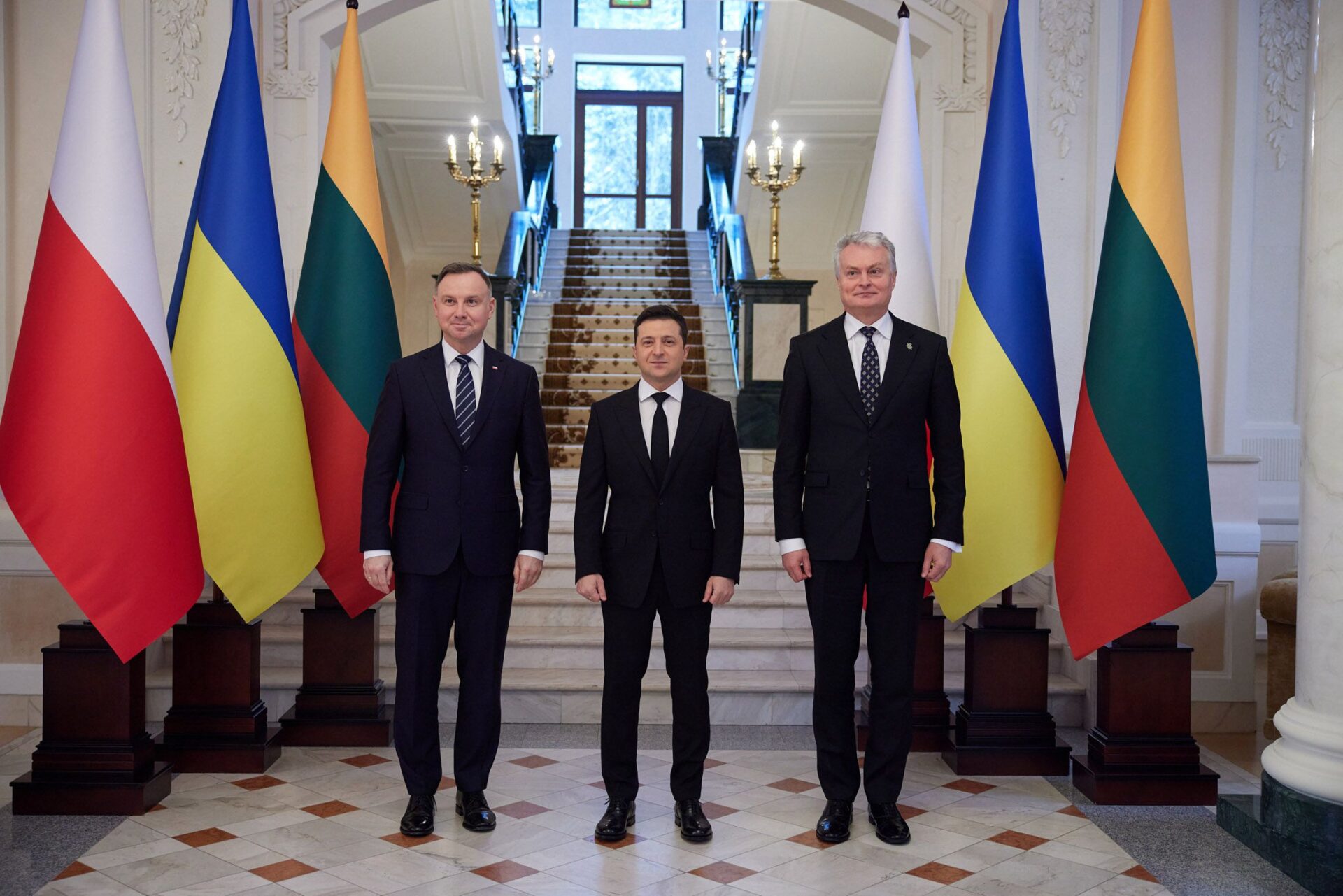
In turn, the Minister of Foreign Affairs of Lithuania (2020-2024) Gabrielius Landsbergis believes that the Lublin Triangle initiative, which unites Ukraine, Lithuania and Poland, also brings Ukraine closer to European integration.
Ukraine has already done its homework by implementing the recommendations related to the start of negotiations with the EU – we need to assess this accordingly by starting accession negotiations as soon as possible, – Landsbergis said at a meeting of the EU External Relations Council, LRT reports.
Romania and Bulgaria also support Ukraine, although they have separate bilateral issues (for example, Bucharest raises the issue of the rights of Romanian-speaking citizens of Bukovina, and Sofia has historically argued with North Macedonia rather than Kyiv). In general, both countries advocate the European integration of all Black Sea neighbors, understanding that this increases the stability of the region.
Hungary is the only voice in Central Europe that is dissonant with the general chorus. Official Budapest declares support for Ukraine’s membership, but at the same time the Hungarian government blocks certain EU decisions related to Ukraine’s support (for example, joint financing of military aid), protesting against the Ukrainian Law On Ensuring the Functioning of the Ukrainian Language as the State Language (2019). Hungary may also create problems at the final stage, demanding guarantees for the Hungarian minority. However, other allies are already working with Budapest to ensure that it does not become an obstacle to the historical process: in case of too stubborn resistance, pressure from Poland (Hungary’s traditional partner) or even an ultimatum from Brussels regarding funding is possible to neutralize the Hungarian veto.
USA and Great Britain
Although the USA and Great Britain are not members of the EU, their position is important. Washington welcomes the prospect of Ukraine joining the EU and strongly encourages its allies in Europe to support Kyiv on this path. For the Biden administration, Ukraine’s success was a demonstration of the victory of democracy over aggression, so the USA diplomatically supported the fastest progress of the membership negotiations. Donald Trump’s coming to power in the USA does not directly affect Ukraine’s European integration.
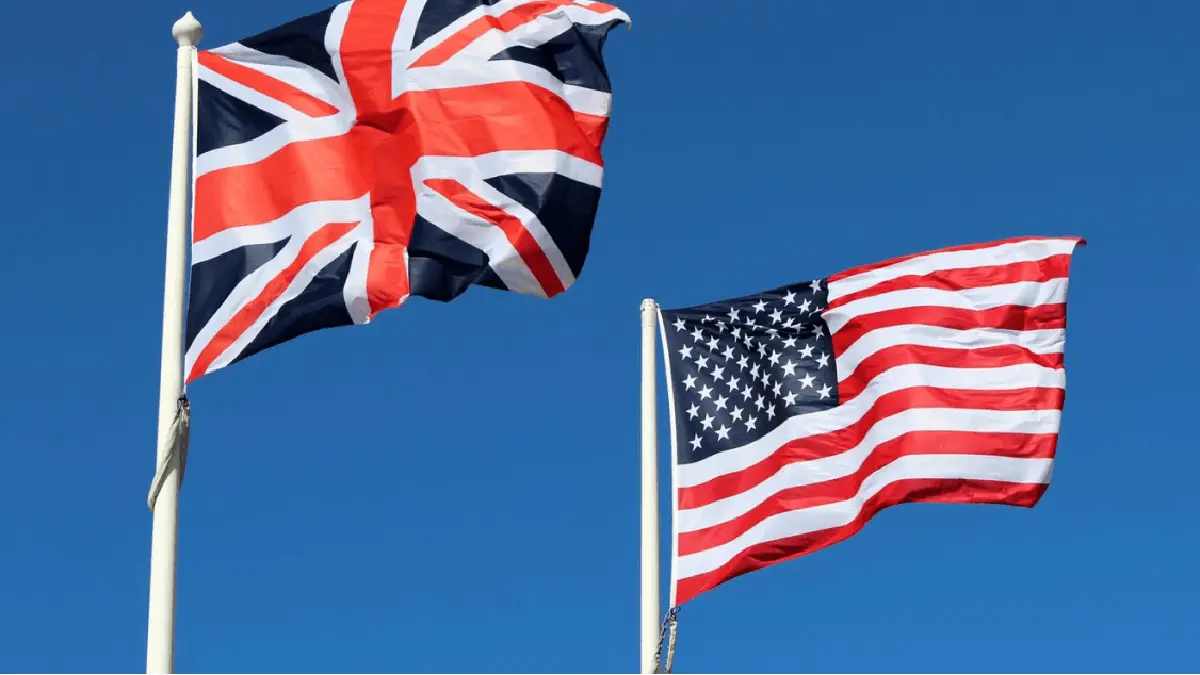
Ukraine is integrating into the European Union according to a certain plan, and it was developed long before Trump became president, – says political scientist Igor Reiterovich.
After Brexit, London does not take a direct part in EU affairs, but British leaders speak out in favor of Ukraine’s close integration with Western institutions. Great Britain even initiated the creation of a separate “European community” to support Ukraine, but in the end it is inclined to believe that it is the EU that will provide Ukraine with its rightful place in Europe. NATO as an organization is also interested in Ukraine’s success: Secretary General Jens Stoltenberg emphasized that the Allies support reforms in Ukraine that bring it closer to the Euro-Atlantic community. Despite the fact that NATO and the EU are different structures, their goals coincide: to see Ukraine stable, reformed, and integrated into Western alliances.
Thus, the international community is generally united in the fact that Ukraine’s place is in a united Europe. The only difference is in the approaches to the pace and conditions: if for Ukraine’s neighbors it is a matter of urgent security and moral support, then for Western European leaders it is a matter of process control and phasing. All key players – from the EU and the US to individual leaders – publicly declare their support for Ukraine’s European integration, which reinforces the legitimacy of this strategic course.
Lessons for Ukraine: the experience of the Balkans and Eastern Europe
Ukraine’s path to the EU is in many ways unprecedented, but we can draw lessons from the experience of other countries that have gone through a similar process. The countries of Eastern Europe (Poland, the Baltic States, the Czech Republic, Slovakia, Romania, Bulgaria, etc.) that joined the Union in 2004–2007 have demonstrated the success of European integration, provided there is strong internal motivation and public consensus.
Poland, for example, declared its EU orientation in the early 1990s and became a member in less than 15 years. Its experience shows the importance of political elites’ unity around pro-European reforms: despite the change of governments, the strategic course has not changed. After accession, Poland and other eastern members received an economic boost – significant GDP growth, infrastructure modernization, improved living standards thanks to investments and access to the EU market. This is a strong argument for Ukrainian society regarding the long-term benefits of integration.
At the same time, there is a flip side: some Eastern European countries have faced challenges in adhering to European principles over time. For example, Poland and Hungary have already entered into disputes with the EU over the rule of law after accession. The lesson for Ukraine is that reforms should not only be “on paper” before accession, but also become an inevitable part of political culture in order not to lose trust once they are members. The European Court of Justice has emphasized that new members must continue to meet the criteria for democracy after accession (the EPC draws attention to this).
So, European integration is a marathon that does not end on the day of accession. It is important for Ukraine to establish a system that will make it impossible for reforms to be rolled back in the future.
The countries of the Western Balkans teach another lesson – about the danger of stagnation and the role of geopolitics. North Macedonia has been waiting for the start of negotiations for almost 17 years due to blocking by neighboring Greece (a dispute over the name of the state) and Bulgaria (historical and linguistic disputes). This example teaches that bilateral conflicts can hinder European integration and should be resolved as soon as possible. Ukraine is already working to resolve potentially sensitive issues with its neighbors – for example, it has established a joint commission with Poland on historical memory and is conducting a dialogue with Hungary on minority education – so that these issues do not become a reason for vetoes by the time of accession.
Another example is Serbia and Montenegro, which began accession negotiations in the 2010s, but have been moving slowly, partly because public support for reforms has cooled there and partly because of the EU’s reduced interest. If Ukraine wants to avoid “Balkanizing” its process, it should maintain a high public demand for European integration and not allow internal or external factors to undermine it. The Balkan countries have also clearly demonstrated how important the geopolitical climate is: ironically, the war in Ukraine gave them a new chance when the EU recalled the need to complete European unification. EU leaders now admit that procrastination with the Balkans was a mistake, as a vacuum was created, filled with the influence of third forces (Russia, China). For Ukraine, this lesson means that now is a favorable moment that cannot be wasted; and after gaining membership, it is worth helping other neighbors (Moldova, Georgia, the same Western Balkans) to integrate, so as not to leave “gray zones” on the map of Europe.
The examples of Romania and Bulgaria (joined in 2007) are interesting in that they joined the EU with unfinished reforms in the field of justice and the fight against corruption. For them, the Union introduced a special Cooperation and Verification Mechanism (CVM) after accession to stimulate completion of what was started. This process has dragged on for many years (for Bulgaria, the CVM is still not formally closed). This shows that the EU can compromise – to accept a country with certain shortcomings, but to establish monitoring after accession. Ukraine may also face a similar situation: even in the event of accession, there may be supervision of the rule of law to reassure those who have doubts. However, betting on such a scenario is risky: it is better to fulfill the maximum requirements by the time of accession in order to enter without asterisks and additional conditions.
Croatia (joined in 2013) has demonstrated the importance of resolving territorial disputes: it had to settle the border issue with Slovenia, and only then did Ljubljana unblock the negotiations. For Ukraine, the critical factor, again, remains the war – until Russia is rejected or agrees to acceptable peace terms, progress towards membership will remain conditional. But there are also smaller issues that it is desirable to resolve in advance: for example, the delimitation of the maritime border with Romania or the status of Transnistria in neighboring Moldova (which is geographically close to Ukraine). The lesson for Croatia: good neighborly relations are one of the conditions for membership, and Ukraine must set an example of constructive cooperation in the region.
Thus, foreign experience teaches Ukraine two main things. First, the consistency and irreversibility of reforms are the key to success (as Poland and others have demonstrated) and at the same time the best protection against the rollback that has threatened some new members. Second, problems should be anticipated and addressed in advance – settling disputes with neighbors, maintaining public enthusiasm, monitoring sentiment in the EU – so that the process does not become deadlocked, as happened to some in the Balkans. Ukraine can use this experience to move its path to the EU more quickly and efficiently, avoiding the mistakes of its predecessors.
Editorial conclusion
Ukraine’s path to EU membership has ceased to be hypothetical – it has moved into the practical plane of negotiations and reforms. Having analyzed various aspects of this process, several key messages can be highlighted.
Firstly, Ukraine’s European integration is not a question of “if”, but a question of “when and how”. The geopolitical expediency of its accession is obvious: a united Europe will not be complete without Ukraine, and for the world community it will be a victory of the principles of freedom and international law over aggression and authoritarianism.
Secondly, the speed and success of this process depend on the efforts of Ukraine itself. No external circumstances should be an excuse for curtailing reforms or the fight against corruption – on the contrary, right now, during the war, the foundation for future membership is being laid. It is in the hands of Ukrainian society to show an example of resilience and transformation that will inspire even skeptics in the EU.
Thirdly, international support for Ukraine is unprecedented, but not guaranteed to be eternal. The window of opportunity that opened after February 24, 2022, should be used to the maximum: to strengthen the trust of allies with concrete results and, in parallel, to work diplomatically with each EU capital to secure long-term support.
Ukraine’s European integration has a significance that goes far beyond Ukraine itself. Its success will strengthen the security of all of Europe, undermine the expansionist ambitions of authoritarian regimes, and give a new impetus to the development of a democratic community. On the other hand, failure or excessive delay of this process would be a wake-up call for both neighbors and enemies, calling into question the unity of the West. Therefore, Ukraine’s European integration is a common cause: for Kyiv, for Brussels, for Washington, and for all who believe in a future based on rules and values.
Authors of the article: Nadiia Bondarenko, Stanislav Kinka, Viktor Shatov.