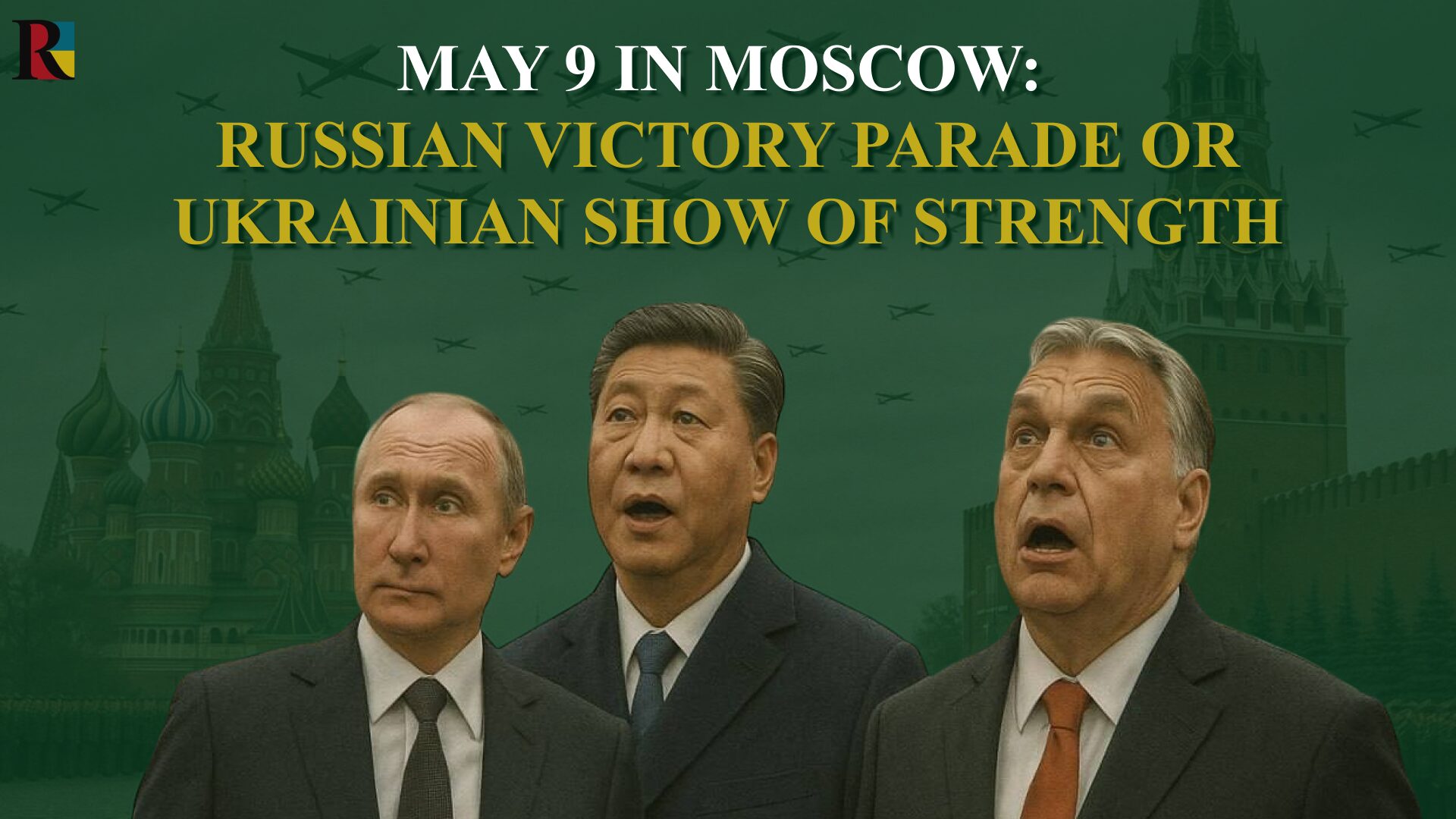


On May 9, Moscow will host its annual Victory Day parade commemorating the end of World War II. Despite its ongoing aggression against Ukraine, Russian dictator Vladimir Putin plans to hold the event with grandeur, inviting leaders from foreign states. Among the high-profile guests expected to attend are Chinese President Xi Jinping, Slovak Prime Minister Robert Fico, and Brazilian President Luiz Inácio Lula da Silva.
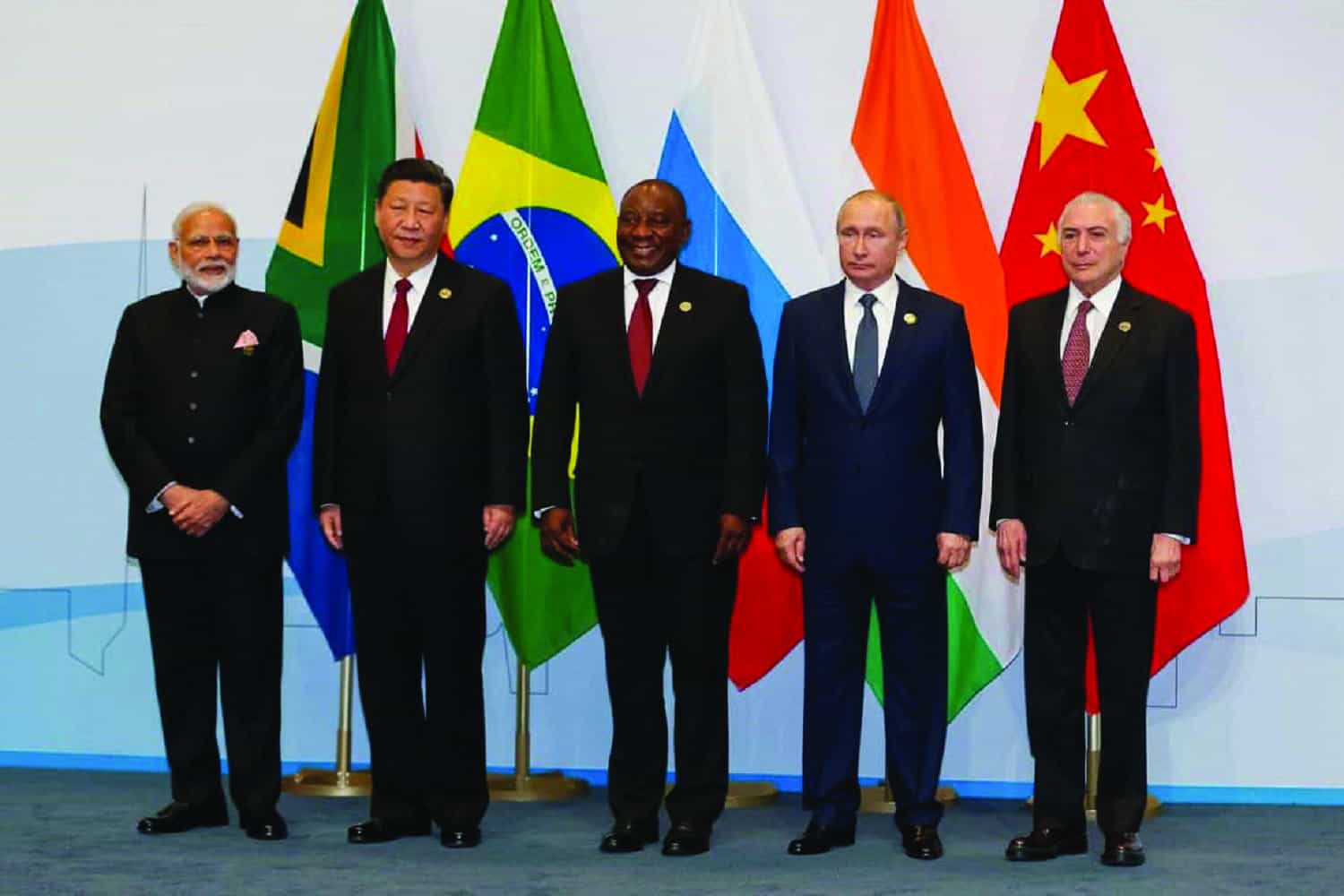
Amid preparations for the parade, the Kremlin proposed a temporary ceasefire – a three-day truce presented as a “gesture of goodwill”. However, the move appears to be a strategic ploy to buy time and shield the parade from potential “unwanted guests” arriving from the air.
Vladimir Putin increasingly displays a cynical disregard for human life, turning war into a theatrical performance for domestic consumption. In contrast, Ukraine, in coordination with the United States, proposed a 30-day ceasefire that could have provided a real foundation for de-escalation and dialogue. This constructive initiative, however, was rejected by Moscow.
Through his spokesman – Dmitry Medvedev, Dmitry Peskov, and Sergey Lavrov – Putin laid out a set of demands bordering on the absurd, unacceptable to any civilized nation. This once again underscores the Kremlin’s lack of genuine intent to achieve peace.
Ukrainian President Volodymyr Zelenskyy made it clear that he could not guarantee the safety of high-ranking officials attending the parade in Moscow.
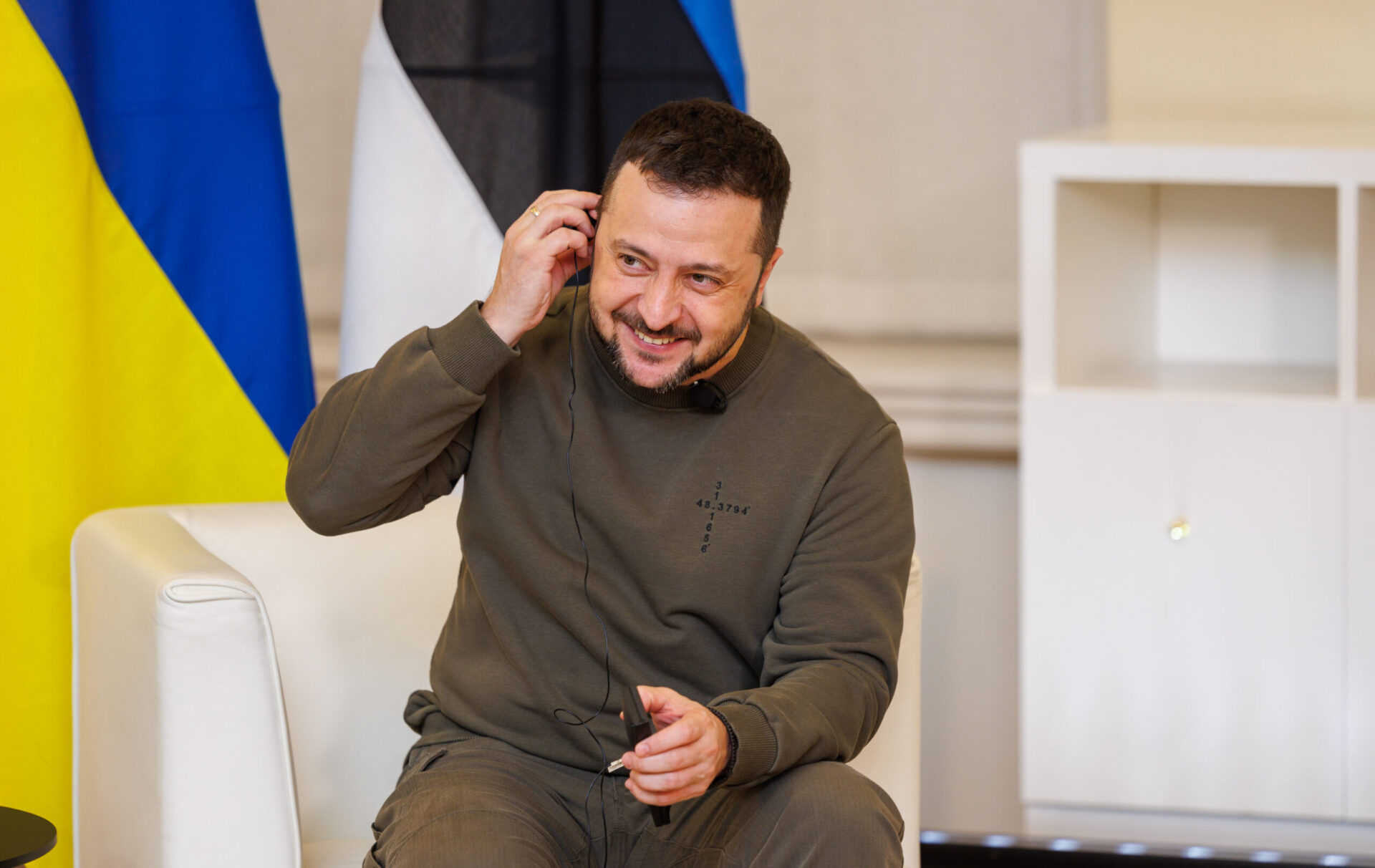
This statement effectively served as a warning about potential strikes on Russian military facilities between May 7 and 11.
The Russian side has clearly taken these signals seriously. According to Russian military bloggers and pro-Kremlin media, nearly 280 air defense units have been deployed to protect the capital. Key systems have been transferred from Kazan and Grozny, including the Don-2N radar station, Nebo-M, Gamma-C1, Kasta radar systems, and S-400, Pantsir-S1, and Tor-M2 missile systems. This grouping effectively creates a defensive shield over Moscow.
Three Possible Scenarios for May 7–11
Scenario One: Ukrainian Attacks
Based on information circulated by Russian political bloggers, there is reason to believe that Ukraine may launch a series of massive strikes on Russian territory using drones and missiles – similar to past attacks in temporarily occupied Crimea, Novorossiysk, and even deep inside Russia, over 1,800 kilometers from the Ukrainian border.
The Ukrainian military has hinted at the deployment of “Liutyi” and “Beaver” strike drones, “Neptune” missiles, and naval drones, which have already demonstrated effectiveness – most recently by downing two Russian Su-30 aircraft over the Black Sea.
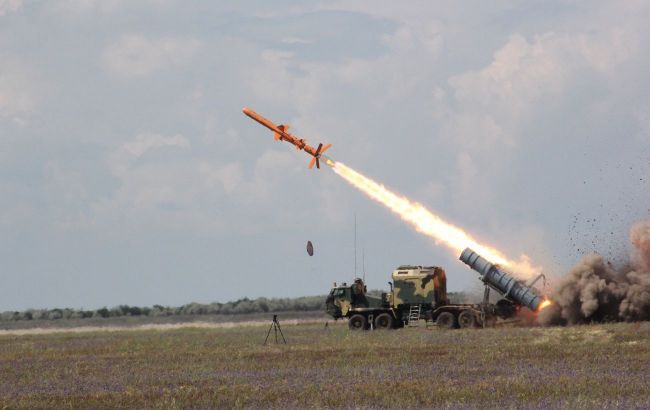
The main target will likely be Moscow – as the symbolic heart of the regime. In a climate of growing instability in global politics, particularly after statements by Donald Trump proclaiming the end of the era of international law, Ukraine seeks to visibly demonstrate its strength – even to the foreign dignitaries present at the parade.
Scenario Two: Strategic Trap
The large-scale redeployment of air defense systems to Moscow may leave significant gaps in the protection of other Russian regions. This creates an opportunity for attacks on other critical infrastructure where defenses are now considerably weakened.
It is highly plausible that this is Ukraine’s true objective – not to strike Moscow directly but to pressure the Russian military into making panicked, irrational decisions that compromise defenses elsewhere. However, the possibility of provocations by the Kremlin cannot be ignored.
There is a risk that Russia may conduct preemptive strikes on Ukrainian residential areas on May 7-8, only to later accuse Kyiv of violating the ceasefire in front of global leaders. A similar scenario could also play out after May 11 as a means of politically discrediting Ukraine.
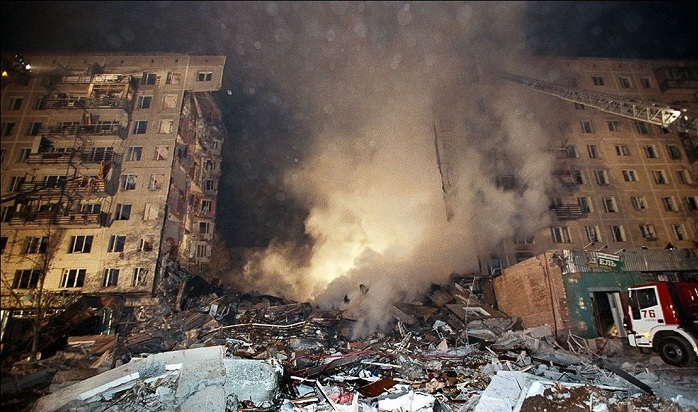
Rumors have also circulated about a possible Russian false-flag operation on its own territory to justify retaliatory actions and blame Ukraine. We also all remember the infamous Ryazan sugar.
Scenario Three: Backchannel Diplomatic Compromise
Given that Xi Jinping confirmed his attendance at the parade and Robert Fico soon followed – it is possible that quiet backchannel negotiations have yielded results. Ukraine may have agreed to temporarily refrain from major military actions during the informal ceasefire, at least on May 9.
There is precedent for such an outcome: in both 2022 and 2023, there were no major attacks on Moscow or its surrounding areas during Victory Day. The adherence to a symbolic truce may be part of a broader diplomatic game in which both sides seek to save face.
Overall, the atmosphere in Moscow is tense. Some national leaders are already coming up with excuses not to attend. Serbian President Aleksandar Vučić cited health issues, while Belarusian President Alexander Lukashenko warned he might “arrive late”.
This all points to one thing: the Kremlin fears not only missiles but also symbolic defeat – the prospect of its grand parade turning from a display of strength into a revelation of weakness.
Conclusion
Putin seeks to project stability and control, yet every additional air defense system mounted on Moscow’s rooftops is a sign of fear, not strength. Meanwhile, Ukraine-fighting not only for its survival but also for a new security architecture in Europe-uses information and military pressure as a strategic deterrent against an aggressor unwilling to compromise.
Volodymyr Savchenko, CEO of “The Ukrainian Review”