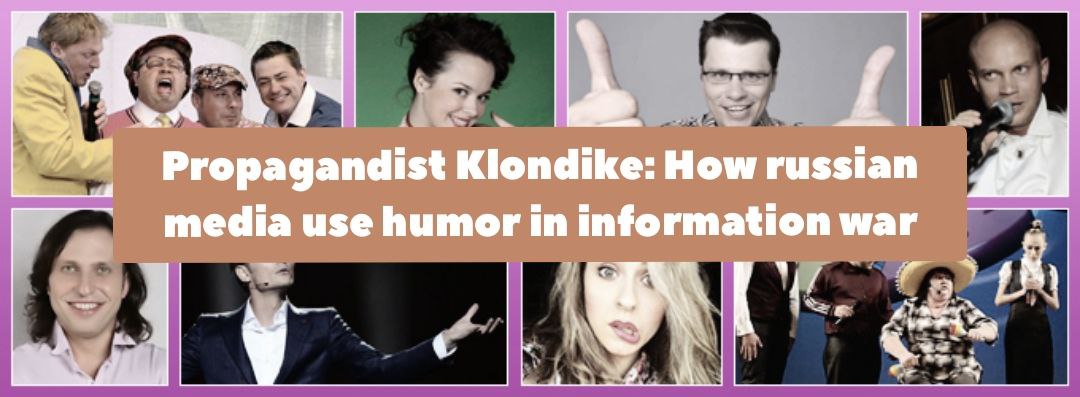


The NATO Strategic Communications Center of Excellence published a study titled “Stratcom Laughs: In Search of Analytical Framework,” which analyzed the latest techniques and mechanisms of russian propaganda. The research was commissioned by the Ministry of Defense of Latvia and conducted by a team of scholars, including professors Janeta Ozolina, Ivars Austers, and Dr. Juris Skilters.
Among the strategic communication tools that were previously overlooked, humor and political satire are highlighted. According to Professor Ozolina, humor, instead of serving merely an entertaining role, becomes a more powerful, complex, and multifaceted source of psychological influence.
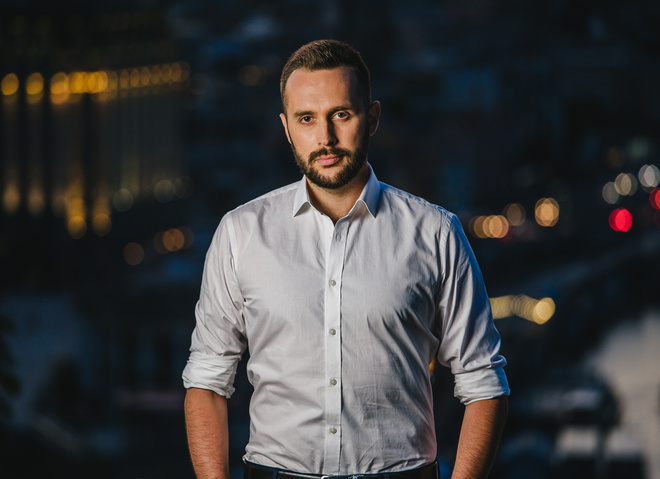
Olexandr Prepodobny in his show “BEWARE! FAKE” (a Ukrainian project exposing fakes and manipulations of Russian propaganda) notes that “russian humor is directly related to aggression and Kremlin propaganda”:
“Humor is a separate FSS department for society’s indoctrination with third-rate jokes that have programmed Russians for decades towards xenophobia, chauvinism, and aggression, particularly aggression towards Ukraine and Ukrainians. Both humor and political satire play a crucial role in propaganda, especially in military propaganda. Jokes are a serious tool for psychological impact on the audience, as the use of a light, unobtrusive form allows for more effective information transmission.”
In this article, we will investigate a detailed analysis of humor as a propaganda tool and Russian humor, through which the Kremlin authorities instilled necessary behavioral and thinking patterns in their population.
What is propaganda?
Propaganda is the dissemination of false information: facts, arguments, rumors, half-truths, or lies with the purpose of influencing public opinion.
Political propaganda, accordingly, is the spread of ideas or information aimed at influencing public opinion or behavior and promoting a specific ideology or policy.
And military propaganda is a form of propaganda used to support military efforts. It can be employed to encourage people to enlist in the military, justify military actions, or discredit the enemy.
Why humor is a propaganda tool
We asked this question to Ukrainian comedians and stand-up performers, individuals who professionally engage in humor.
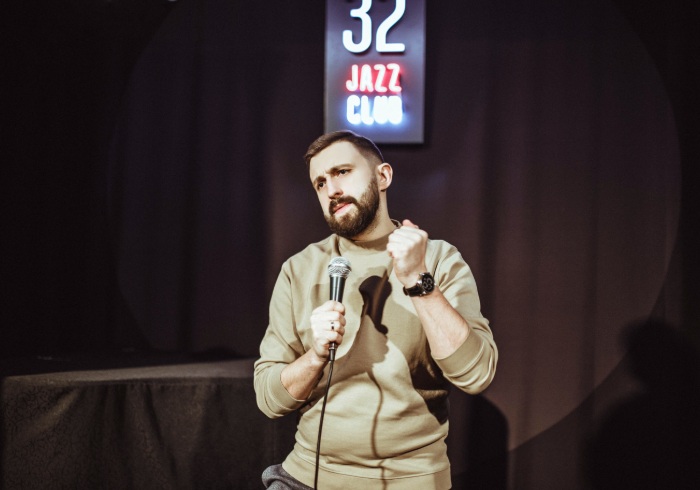
“Why is humor a good propaganda tool? It’s very simple. Because a person who goes to a comedy club to listen to comedic content or watches it on YouTube or TV is already very relaxed from the beginning. They don’t want to ponder; they just want to laugh and are open to consuming any information. It’s very easy to insert any information into such a person because, first and foremost, this information is perceived as a joke. Psychologically, the person thinks, ‘I’ll laugh and forget it.’ But after a few days, the person forgets that it was a joke, and only the context remains. For example, if in russia, someone goes to a comedy show and hears jokes about putin being great or nuclear weapons hitting Washington or russians annexing (as they decided) temporarily occupied Ukrainian territories as a constant… the person laughs at it, and then it becomes a fact in their mind. That’s it. Moreover, the psychology of the audience always works in a way that what you see on stage, on YouTube, or on TV is an authoritative opinion for you. It’s not just casual kitchen conversations. The moment someone steps on stage, takes the microphone – they become a thought leader right here and now. They might not have a million audiences, but here and now, they are an authority. If an authority says something, whether you like it or not, you will nod your head and think, ‘Yes, this is true.’ That’s why comedic content has a significant impact on the worldview of the person consuming it.” – Max Vyshynsky, stand-up comedian.

“Humor isn’t just a good form of propaganda, it’s one of the best. Because it’s the realm where you least expect deceit. Humor appears innocent; it exists in everyone’s life. Every day, we consume entertaining content, joke with friends, and so on.
Additionally, it allows reaching the youth. If everything is clear with the news on TV, through humor, the younger generation can be influenced by propaganda without even realizing it.” – Dmytro Tiutiun, stand-up comedian.

“I don’t think humor is a direct method of propaganda. But humor is a powerful tool of influence. Why? Because humor disarms the person listening to it. Few people critically engage with humor, taking it seriously. Plus, the very mechanics of how our brain interacts with humor involves lowering that critical attitude toward the humor we hear. Consequently, humor is a great way, whether destructively or not, to influence someone. Within the context of a comedic piece, there may be an embedded vision or statement that is presented implicitly. For example, not from the political field but more socio-domestic. Hypothetically, when a comedian comes out and starts making sexist jokes, there is a message in his joke about a woman being “incompetent” or foolish, incapable of something. This is not explicitly stated but is woven into the context of the performance. However, people do not perceive a comedic performance as something where they have to sit, be engaged, analyze whether someone will say something silly. This is when we talk about humor as a means of influence. On the other hand, humor is a great tool to make the perception of something complex (a situation or phenomenon) easier. But this tool can also be used to deceive people, impose a toxic worldview, etc. So yes, hypothetically, humor can be one of the tools of propaganda.” – Nastia Zukhvala, stand-up comedian, participant of the largest Ukrainian stand-up project “Underground Stand-up.”
How Russia used humor for propaganda
As noted by journalists from Detector.Media, a project dedicated to debunking fakes and disinformation, humor has transformed into a powerful weapon of propaganda in russia since the early days of the Soviet Union. Works of caricaturists such as Boris Yefimov, Dmitry Moor, Viktor Den, and others mocked external enemies of the USSR (Nazi Germany, fascist Italy, Western states like the USA, Great Britain, France, and others) and hostile segments of the population (nobility, wealthy peasants, priests, etc.).
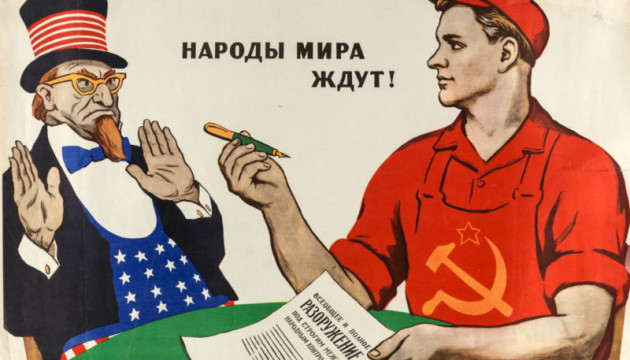
With the advancement of information technologies, propaganda has only strengthened and evolved. Among the most well-known russian humorous programs are KVN (Club of the Funny and Inventive) and Comedy Club.
KVN
KVN (“Club of the Funny and Inventive”) is a humorous game involving two or more teams, featuring both prepared and improvised competitions on a given topic to determine the winner. Founded in 1961 by Alexander Maslyakov, the founder of KVN, who has close ties to the Kremlin.
This program is broadcasted in prime time on federal and international кussian channels, shared on social media, posted on websites, and jokes are reprinted in the press and broadcasted on the radio.
On June 1, 2016, the Gazprom-Media holding launched a separate television channel for KVN with nearly round-the-clock broadcasting of the show. Alexander Maslyakov received the state award “For Merit to the Fatherland” of the third degree.
Ukrainian blogger and photographer Vadym Balanyuk conducted a detailed analysis of the humor and narratives of this show.
Not only кussian teams participated in KVN but also “friendly” countries such as Belarus, Kazakhstan, and others. All of them joked about “what difference does the homeland make,” “russia is everywhere,” “the union is preserved here.” In Russia, they formed an image of being the elder brother to these countries.

“How can one believe that these nations are unhappy when they come (to Moscow) and express such ideas? According to my calculations, teams that do not have this ‘unity’ message much less frequently advance to the next round, so it becomes a mandatory element. Therefore, almost every team originating from a territory once occupied by Russia must articulate the thesis of the ‘unified people’ and become part of the propaganda,” – says Vadym Balanyuk.
In the program, putin was constantly glorified, and political agitation was conducted, particularly in favor of the “United russia” party.
Regular mockery of Ukraine was a common theme in the program, joking that they “haven’t heard anything about progress in Ukraine,” treating it as a second-rate entity, and engaging in discrimination.
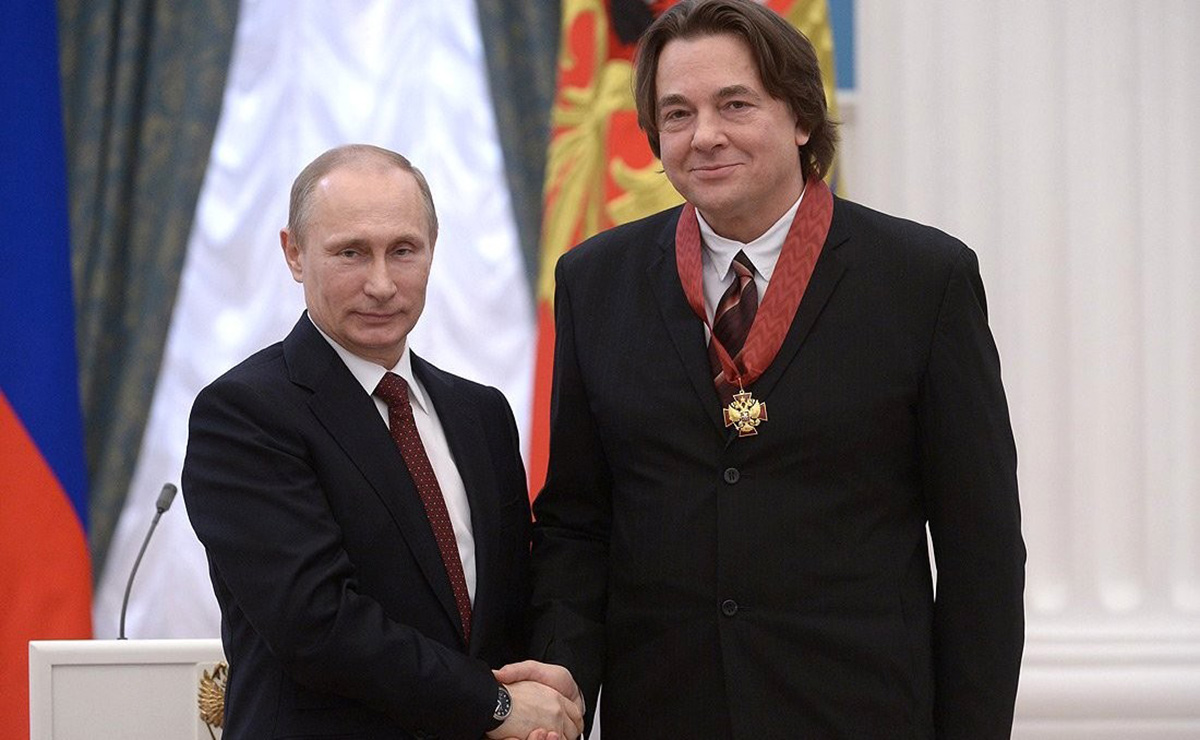
After the Revolution of Dignity and the annexation of Crimea, KVN participants made jokes about these events. For instance, Konstantin Ernst, the general director of Channel One, stated on air: “Donetsk, no matter how many points there are, you are already ours, we love you.”
Following Western sanctions, the performances began to mock the West and suggest that the world cannot survive without russia’s resources. They also joked: “Sanctions are just a show to calm Ukraine down.”
“This was reinforced by the fear of the empire’s disintegration, as Ukraine became an example of true democracy. The fear of losing power gave rise to another dose of ‘unifying’ propaganda,” – explains Vadym Balanyuk.
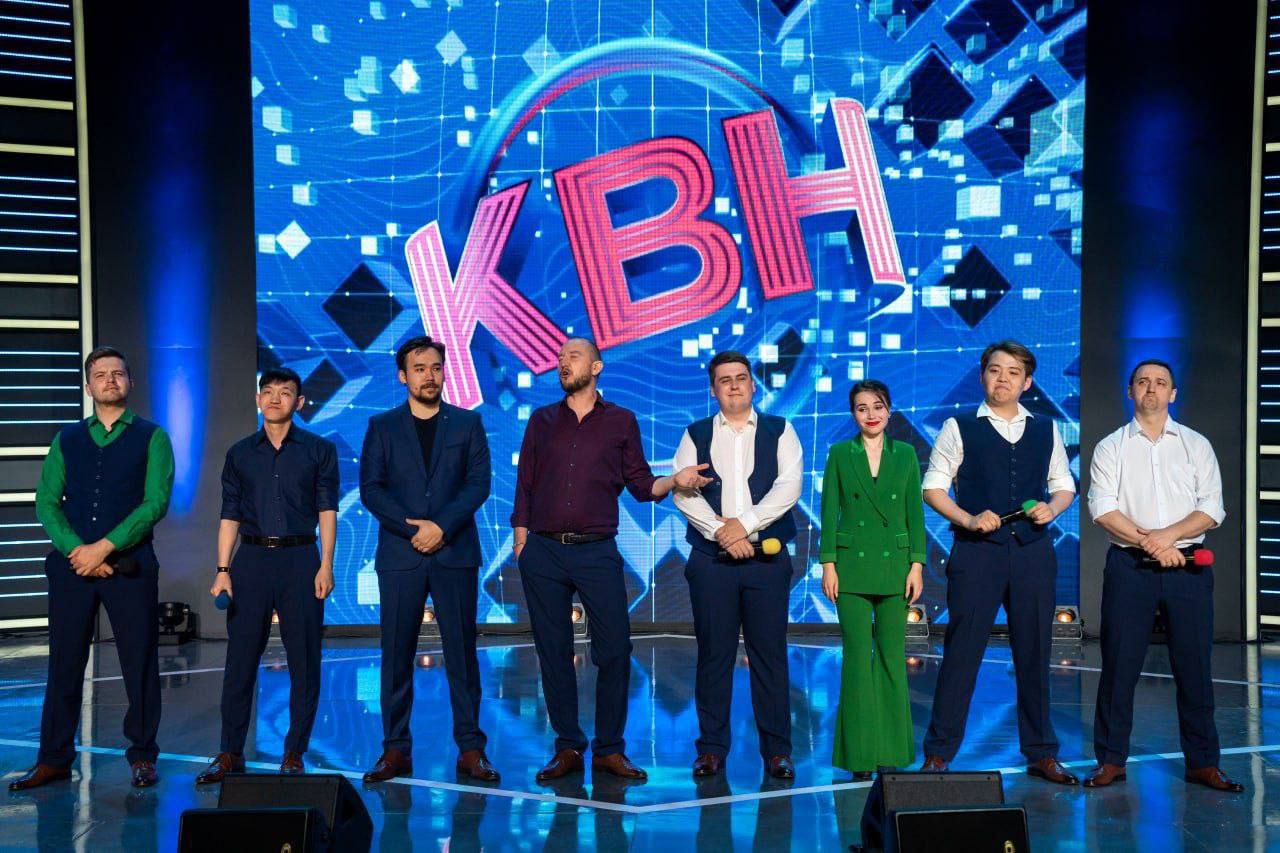
Since 2014, there has been agitation for the Russian army:
“Agitation had a significant impact on shaping the worldview and beliefs of Russia’s youth. However, in 2022, after the full-scale invasion, KVN’s rhetoric somehow completely changed. They continued to mock sanctions, continued to belittle other nations, but not a word about the war. I think censorship was altered to show that there was no war and that ‘everything is going according to plan.’ However, all of this was accompanied by cynical statements about their concerns. It is worth noting teams from the occupied territories that play into Russian propaganda. I’m not sure these people can be considered traitors. I think they never felt like Ukrainians,” – explains Vadym Balanyuk.
“If at the beginning KVN had some social impact, then vladimir putin understood that it’s impossible to build a dictatorship that is constantly being trolled from every stage and especially from the TV screen. Therefore, social networks transformed into pleasing the Russian authorities,” – adds Oleksandr Prepodobnyi, a Ukrainian host.
Comedy Club
Comedy Club is a russian comedy show that has been airing since April 23, 2005, in the stand-up genre on the russian TNT channel.
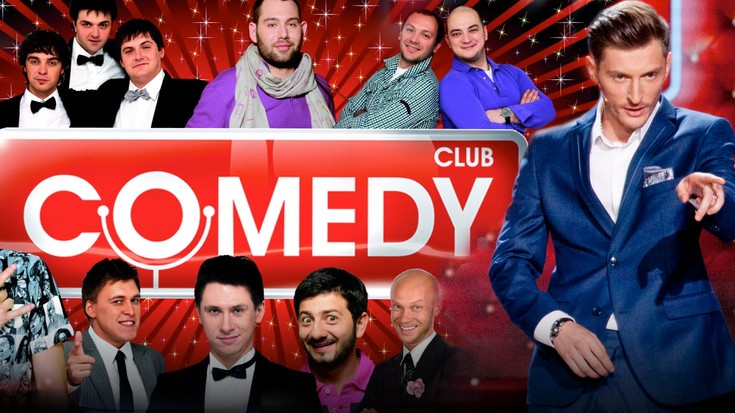
Initially, the project allowed for many jokes, including those about corruption and Russian state officials. However, in 2012, Gazprom-Media (a Russian media holding that owns several TV channels and radio stations in Russia) acquired a controlling stake in the project.
Initially, the project allowed for many jokes, including those about corruption and Russian state officials. However, in 2012, Gazprom-Media (a Russian media holding that owns several TV channels and radio stations in Russia) acquired a controlling stake in the project.
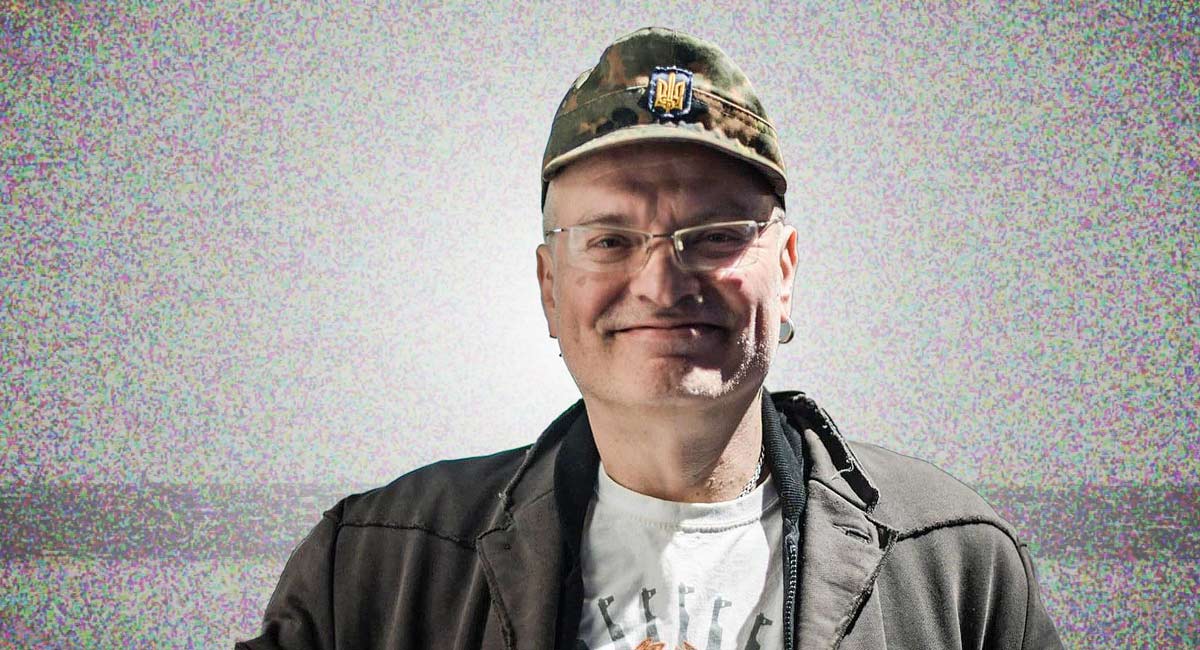
“In fact, at the beginning, there was no methodical approach to xenophobia, hatred towards others, no political jokes, no pleasing putin. It (Comedy Club) was conflict-free. It was watched by the youth. But after a few years, the russian authorities saw that something interesting was happening, and they needed to turn it into a weapon. In 2011, Comedy Club residents were invited to meet the president. In 2012, Gazprom-Media bought Comedy Club for $350 million. And it began.
In Comedy Women, there was Katerina Varnava (russian TV host and actress). She recalled that before her performance, producer Natalia Ekipryan called her and said they needed to make jokes about Maidan. Garik Kharlamov (russian showman, singer, and TV host) was glad about the ‘return of Crimea’ and the ‘correction of Khrushchev’s mistake,’ while other participants went to the Donbas in support of the russian military.
Jokes about sanctions emerged, and the joke “don’t mess with our Iskanders” appeared. It was a direct and clear threat. Since it was expressed as a joke, everyone found it amusing and interesting,” – explains Oleksiy Kovzhoon, a media and political consultant.
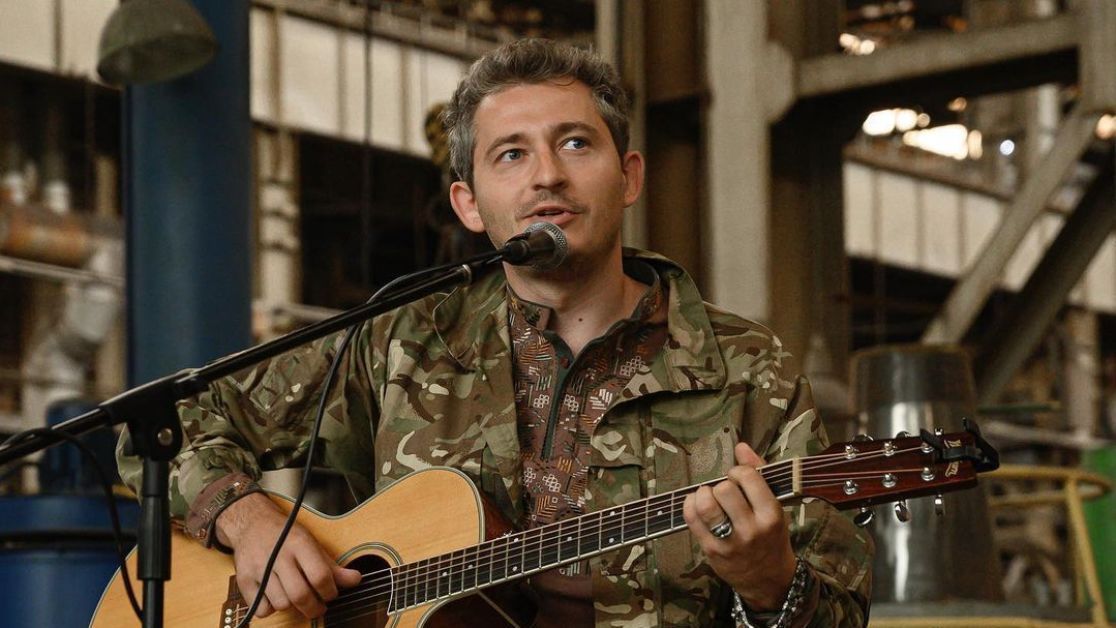
“Comedy Club is one of putin’s main instruments. Through Comedy Club, a lot of messages were disseminated – xenophobia, disparagement of small nations. Comedy Club Production belongs to Gazprom Media Holding, which is part of Gazprom, and Gazprom belongs to putin,” – says Kolya Serga, a Ukrainian musician, TV host, actor, and poet.
Mikhail Zadornov
Let’s separately highlight one of the most well-known russian propagandists through humor – Mikhail Zadornov. He promoted narratives about “stupid Americans” and anti-Ukrainian jokes about “Eurokhokhly.” Zadornov ridiculed NATO and the Ukrainian army for their alleged incompetence and weakness compared to the Russian army. He claimed that Russia never attacked anyone and had no colonies (even after the annexation of Crimea in 2014).
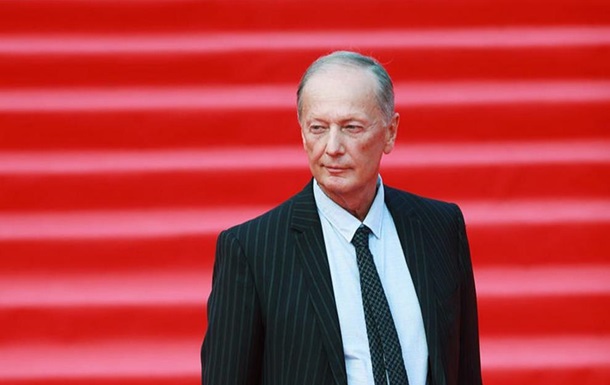
The humorist even allowed himself to make jokes about the downed Malaysian Boeing 777: during his performance, he mentioned the then-official representative of the US State Department, Jennifer Psaki, and attributed to her humorous explanations for the plane’s crash – it went down because “it was lighter than air.”
Experts’ opinions
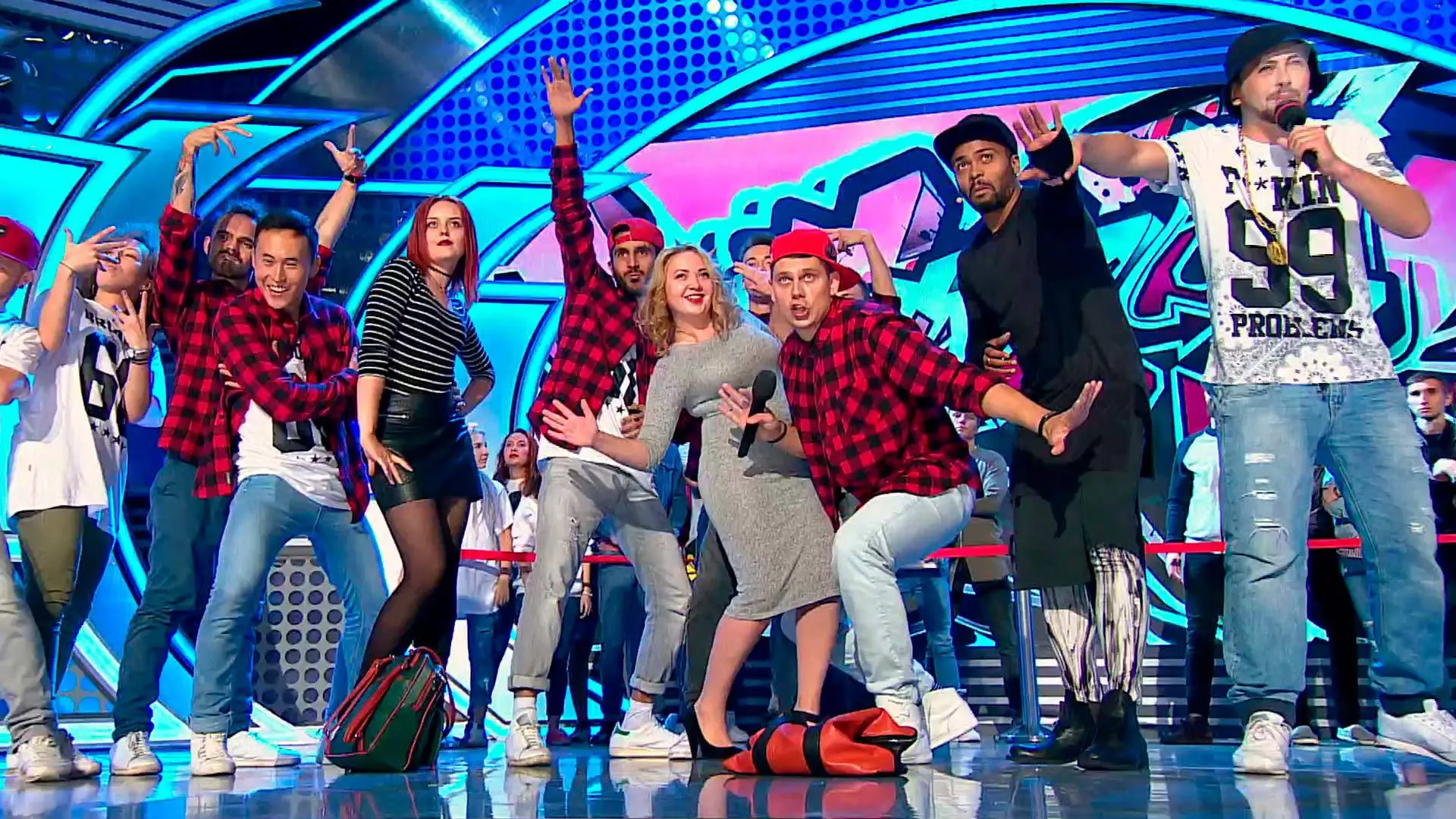
“Russia has always used humor as a tool for propaganda. Since Soviet times, there has been a game, and it still exists, despite the availability of much alternative content… I’m talking about KVN.
In this supposedly modern format, a lot of propaganda is subtly inserted. For example, when young guys and girls sing songs about how cool it is that Crimea has returned, how the world fears Russia. And even if there are some jokes (which are also a form of manipulation) about bad roads in Russia, for instance, at the end, there’s always some phrase or song about how it’s temporary, and the main thing is that ‘we are a great country, and the world is afraid of us, and if we want, the whole world will be under us.’ Of course, the audience will chant, ‘Yes, I support that.’ The audience will go with this context and think, ‘Well, it’s the youth saying this, not our old folks with their stereotypes about the might of our state; it’s the youth, and the youth is an indicator of public opinion.’ That’s it. Even other projects, like Comedy Club, which seems to be about something else, still have a lot of performances about how everyone fears Putin, showing that it’s okay to joke about him, but how do they do it? People still joke not about Vladimir Putin himself but about how others fear him, trivial situations about how he can fire you with just a glance, and so on. So everyone should bow down. As I mentioned earlier: a person watches it, laughs, but then continues to live in that context. The joke is forgotten, as they say, but the result remains on the scoreboard. And there’s a lot of this. Even in domestic sketches, there are mentions of ‘living in a strong country,’ and so on.
And stand-up comedy, which seems like a progressive genre, still has many narratives about why the world should fear Russia, and let’s support the government. Even if there’s a brave joke about Putin being in power for too long, from the audience’s perspective, it’s like, ‘Wow, that’s bold, let’s see what else this comedian says.’ And then this comedian talks about how ‘it’s for the better, it’s good.’ Plus, even so-called ‘family comedians’ still perpetuate narratives about the man being the head of the family, women not having a voice, only being in the kitchen. This, again, implies a patriarchal and totalitarian country, suggesting that even in young families, there is this totalitarianism. And the youth absorbs it,” – explains Max Vyshynsky.

“The sphere of humor has worked very powerfully in Russia, influencing all post-Soviet countries as well. Propaganda has been worked at all levels, so even understanding the irony and sometimes mockery of the authorities by ‘opposition’ artists or collectives, a clear perception of harsh totalitarianism, which will never change, is still formed.
KVN, Comedy Club, Standup, Once Upon a Time in Russia – all these are propaganda projects funded by Gazprom, so, of course, ‘he who pays the piper calls the tune.’
Certainly, not all sketches and jokes are about that, but the more it leans towards it, the more trust it gains from viewers. And then it’s a simple scheme: three funny jokes about the wife, and the fourth one is about America and rockets, and the audience, out of inertia, believes the fourth one.
In KVN, there was always a ‘tremor’ before Putin or the mayors of cities participating in the games. They portrayed the image of tsars before whom they crawled,” – says Slava Bu, a stand-up comedian.

“I think russia uses humor to distract society’s attention. Yes, there’s also this aspect where the artist-comic convinces their audience of some alternative reality. In the case of Russians, it seems to me that their comedians (I call them comedians conditionally; I don’t think they are comedians in the classical sense of the profession) joke and have fun as if nothing is happening. Their humor does not interact with reality, with the problems that exist and should be relevant to Russians. Entertainment programs make it seem like nothing is happening, although Russia has always been involved in some expansionist war or terrorist activity. Instead, Russian comedians will talk about everyday trivia, about some minibusses, grandmas, about anything else… but it’s paradoxical because it’s like in a meme where a dog in a burning house says ‘It’s fine.’ But it works for their society.
On the other hand, I want to say that in Russia, the comedians themselves, I think, are not influential personalities. Why do I think so? I base this on the picture that happened in our infopole. All these million memes on any info topic, ridiculing the enemy, ridiculing themselves by ordinary Ukrainians who are not engaged in humor professionally… And the comedians themselves are in this vibe with everyone. Meanwhile, Russian comedians are not heard or seen. Let’s put it this way, despite the fact that for their society, it’s now a crisis moment, comedians play no role,” – says Nastya Zukhvala.
***
Humor is an extremely powerful tool for influencing society. It allows promoting certain narratives in a non-intrusive form, shaping public opinion.
Therefore, it is crucial to consider whose hands humor is in: whether it repeats the messages of the authorities or, conversely, exposes them and aligns with the sentiments of society.
Russia is a good example of how propaganda can be embedded in people’s minds for decades through seemingly mundane and ordinary things. It illustrates how entire generations can be influenced through humor.
Anya Ostymchuk