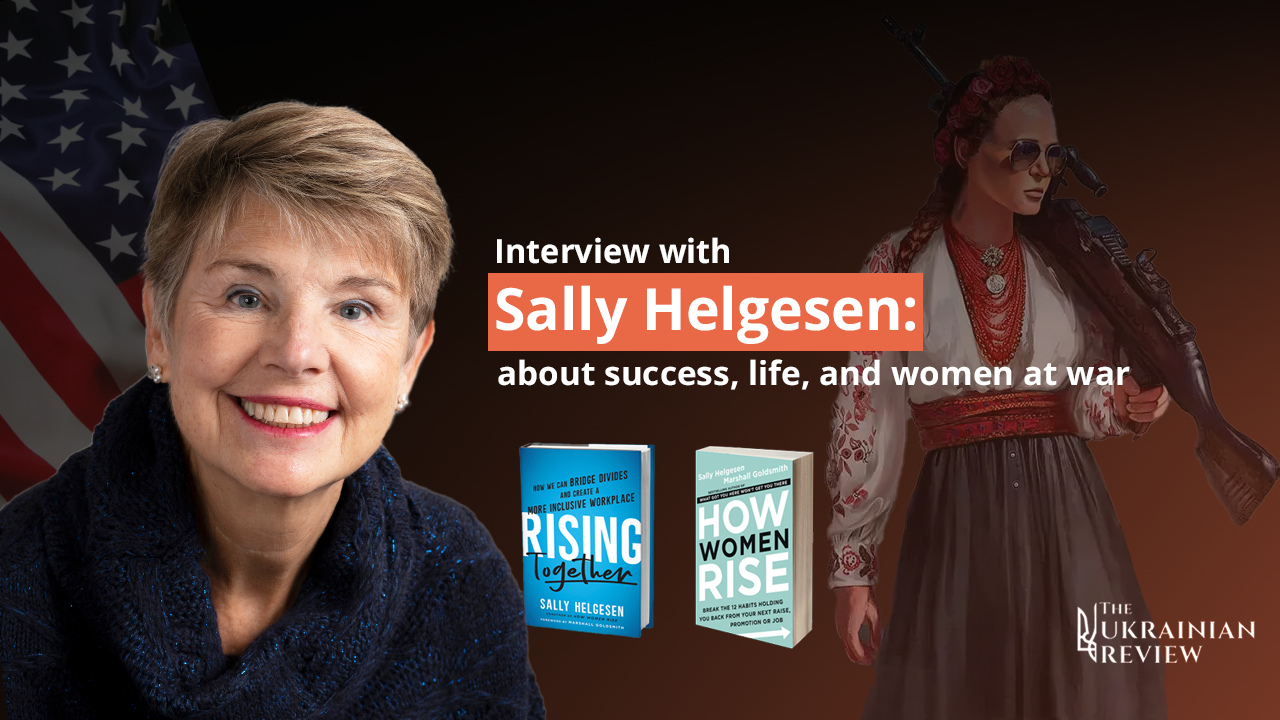


The Ukrainian Review interviewed Sally Helgesen, an American author, speaker, and leadership coach. We talked about how women can achieve success in the difficult conditions that currently exist in Ukraine: ongoing Russian aggression, uncertainty about the future, and the presence of stereotypes and prejudices in Ukrainian society. We bring to your attention a text version of the interview, and the full video is available on our YouTube channel.
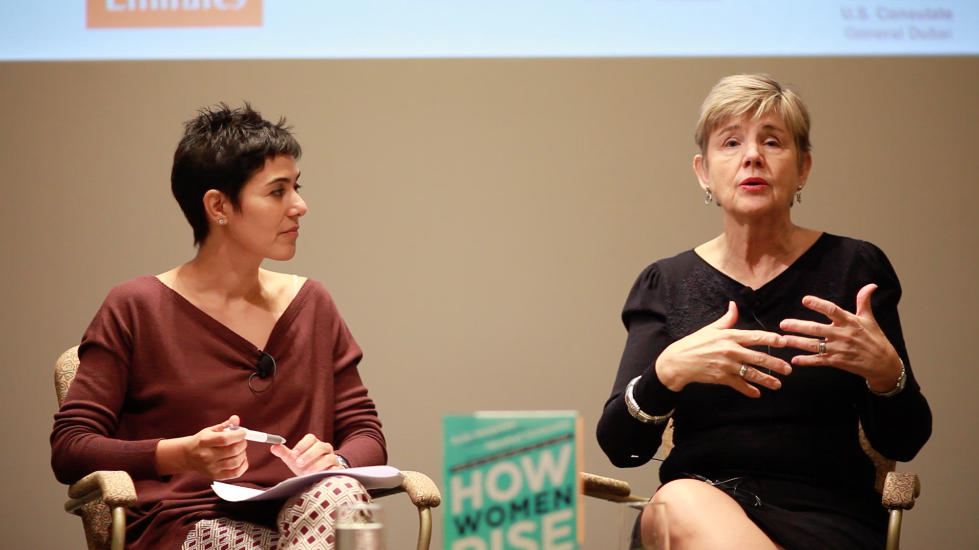
Here’s the Ukrainian Review. I’m Viktoria Riepka, and I welcome our listeners and viewers all around the world. Today we have a very special guest, Sally Helgesen. She is cited in Forbes as the world’s premier expert on women’s leadership and an internationally best-selling author, speaker, and leadership coach.
The war in Ukraine has been going on for more than 20 months. Many Ukrainians have lost loved ones and loved ones. Cities are under constant fire from missiles and drones. Well, there was a rocket explosion right next to my house in Odessa. Such that we were forced to change the doors and some of the windows. But we are relatively okay now. Even in this situation, people try to find something good. We have no planning horizon. Both men and women are exhausted. But today we try to find answers together with you.
Where do you think women can express themselves even more? In what spheres?
Women have always played essential roles in periods of sustained warfare. For example, women in France played an essential role in the Resistance in 1941-44. In England as well, during bombardment by the Germans, women were key to the national effort, organizing everything not immediately battle-related, from nursing to intelligence to community care.
Even in the United States, although we’ve never been invaded, women ran and staffed the factories and defense manufacturers during World War II. And then as soon as it was over, the women went back home and gave their jobs back over to men in most cases. That’s been a traditional thing. I would never expect that to happen now, particularly in a country like Ukraine, which has a heritage of women participating in the war and defending during times of invasion. In many countries, of course, we also now see women on the front lines.
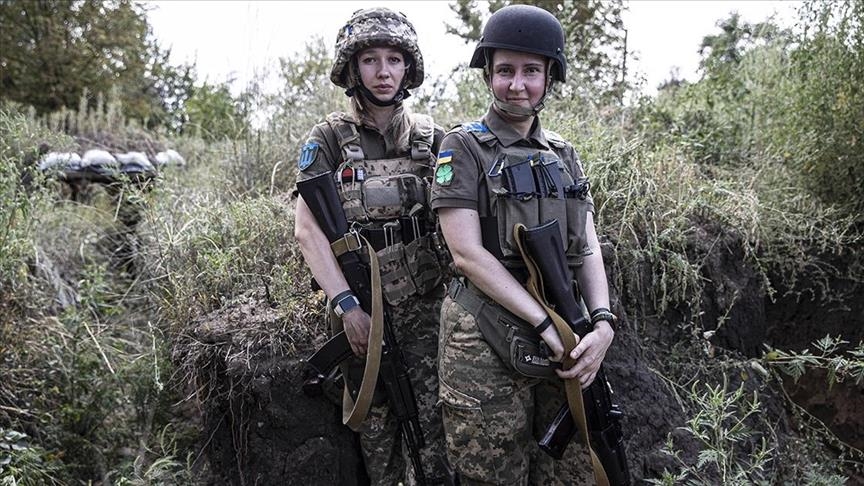
Yes, Ukraine currently has 5,000 women on the front line.
I don’t think people in Ukraine may understand how inspiring that’s been to women around the world– to people around the world. It’s been a long time since we’ve seen that level of participation, that kind of physical courage, that kind of determination and unified spirit. This has been one of the terrible beauties of this horrible war, seeing the solidarity and courage of the people in Ukraine. And of course, the contrast with your adversary is notable.
Women have historically played a strong role in building networks of support. This is civilian resistance, don’t in the case of Ukraine with great skill. Whether it’s through activities that undermine an occupier or impact the morale of an occupier, or whether it’s in intelligence gathering, et cetera. From my perspective, it’s been a long time since we’ve seen that.
I happened to be watching a television program at 10 pm U.S. time on February 24h [2022], when it was interrupted. And almost since that time, I have probably devoted an hour a day to following this war. I’ve subscribed to various publications and newsletters from journalists who are on the ground. It’s been a great concern to me, watching it… I think that, among all the things that are happening, one that will impact the world going forward when this war is finally over, is how women have made their presence known on the battlefield, in resistance, and in building up what is required for civilians to live. I believe that that will have an effect in countries that have some degree of openness and, let me say, decency, which, of course, as we see, is not every country.
Thank you for your answer. I propose to talk about three following topics.
First: women in politics; second: women in business, and third: women in non-governmental areas. The first topic is women in politics.
And I have a question. We had an interesting flash mob in Ukraine, where a woman published her pregnant photos with the slogan: “If men knew how men are given to this world, they would never contemplate war”. Would there still be wars if there were large numbers of women in political power in different countries?
It is very important to talk about this. We see it in Europe in some of the reactionary parties that are led by women. I would not say that there would not be wars if women were in leadership, because sometimes war is the appropriate response, and sometimes women for whatever reason love to fight. But I believe there would be far fewer wars because there wouldn’t be so much investment in being seen as aggressive and manly. And I would suggest that this has been true of your war as well. The desire on the part of the leader of your adversary country to appear virile warlike and manly seems to have been a big motivation often.
And then of course women’s historical role in protecting and nurturing families has played a role. This can be interpreted in different ways. We see it in the right-wing [politics] in many countries, including my own, where aggression is interpreted as protecting families- for example, from foreigners, from immigrants. Still, I think that in general wars would diminish dramatically if you had more female leadership in the political arena.
Thank you. And what conditional personal quality of the woman? How women can become successful politicians, what do women need for personal qualities, conditional, reliefs?
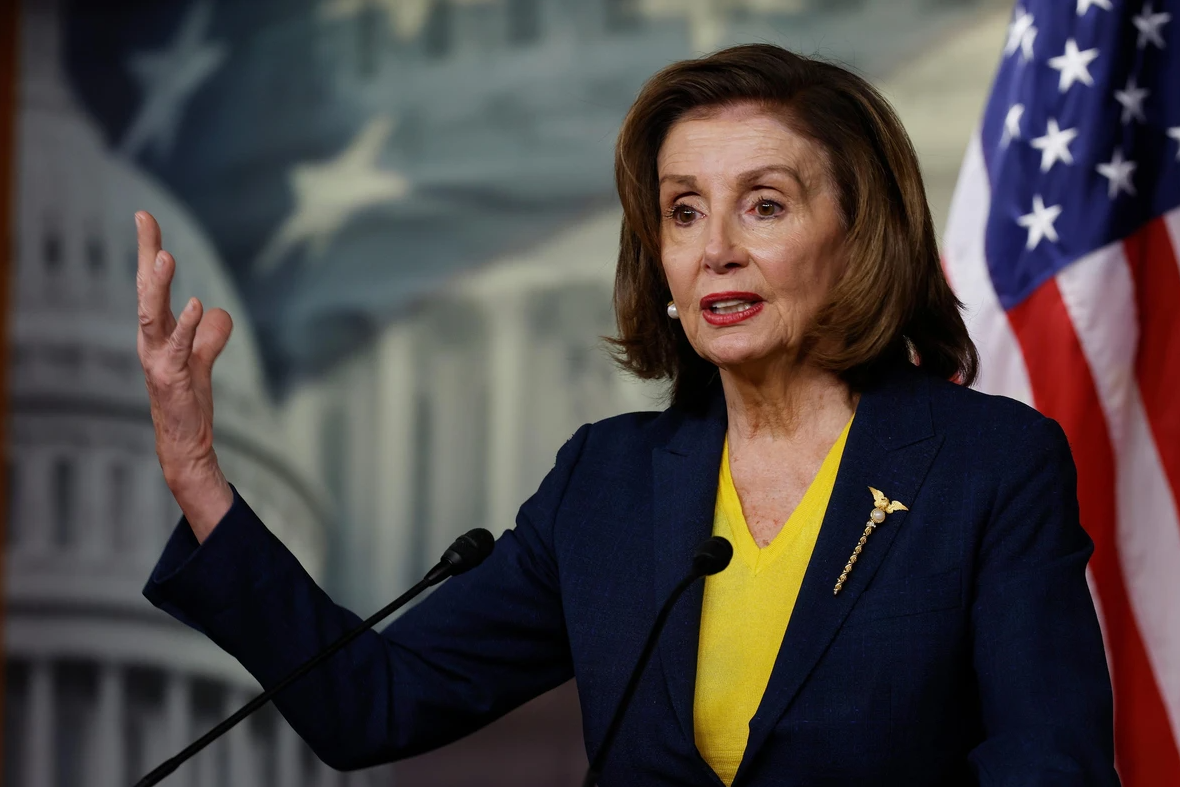
My own country’s example of a highly effective, historically effective female political leader is Nancy Pelosi, who was the Speaker of The U.S. House of Representatives and still serves in Congress well into her 80s. I think it’s interesting that she did not resign when she voluntarily gave up the post of speaker in order to make room for the next generation. That makes her different from every single man who has ever served in that position, including the man who was hounded out of office late last year. Pelosi chose to stay because she said, I’ve still got a contribution to make.
In other words, she wasn’t primarily motivated by positional power. That’s a remarkable thing that I don’t think has been sufficiently remarked. But then Pelosi has always been very tough and consistent. She knew that as a leader she had to bring people together, but she never prioritized being liked by everyone, or put it above being effective. As a result, people admired and looked up to her and, I would say, in some cases feared her. Not because she was ever underhanded– she was very transparent- but she was she was tough. She was not out to prove that she was, the nicest person who’d ever held that office, although she may have been the warmest.
I remember reading an interview with her that I found remarkable, when she was still Speaker. Her father had been a very successful politician in Maryland. The interviewer asked her if that was why she was able to be so effective as a leader, and to manage such. a fractious, contentious, divided body as the Congress. But she said, no, the chief reason I’ve been effective is that I had five children in six years. And if you have five children in six years, you have to organize things. You have to get them working, participating, contributing to the family from the time they are three years old. That’s the only way you can make that work. If you can manage a family in those circumstances, you can manage anything because you understand how to make deals with people. For example, with a three-year-old. You know how to serve their interests, to keep them engaged and getting along.
Thank you. And my next question. What is the first step to becoming a successful politician?
I think that to become a successful woman in politics and I mean successful in a positive, not a negative, way, the number one thing is that you have to understand and know how to build alliances early very broadly. Alliances with people who may be very different from you but who can find one issue, one thing to agree on, one thing to compromise on. You want to come into office already possessing an established network of allies. Even if you’re very young, you can begin forming that from people you know from college or high school or in your neighborhood. You want that ally network that helps you get comfortable interacting with lots of different people, finding reciprocal things you can agree on so you can make effective trade-offs. You want to do that with people who may have very different values and perspectives than you do. That’s the number one thing in my view.
I want to ask a question about Ukrainian women. Now a lot of Ukrainian women go to other countries. Both in Europe and in Northern America. Many women have led the creation of rallies around the world in support of Ukraine. Do you think they can still help and influence the amount of aid from the USA and the Western countries?
Yes, I do. And we saw that happening in the US. I mean we’re in a terrible situation right now with the US Congress for oddball reasons but it is having an impact on Ukraine in a way that is a disgrace for our country. We saw an example of that recently. There was a congressman quite conservative from Chicago who was Ukrainian himself and he was very involved in trying to be a leader on issues for Ukraine in the US Congress. He was supported by and had alliances with women from Ukraine who had come over and been immigrants. They were able to work together in a very effective way.
I think that’s been particularly true in the countries that have been most consistent in supporting Ukraine, such as Estonia and Poland. I think that the impact of women from Ukraine has been a strong one and from what I can see and what I’ve read that’s had an impact and they’re able to represent the case. Especially in that first year in Europe when they were getting assaulted on the streets by Russians who either lived in or were visiting those countries. And guess what? Some of those countries began banning Russian tourists as a result. It was the willingness of Ukrainians, especially Ukrainian women, to speak out, even when they felt physically threatened, that helped shift those countries to blocking entry to your invader.
Thank you. It’s really important for us in these dark days. And the next topic is women in business. What is the best way for women to learn how to run a business? And is it true that women do business differently from men?
Well, I think that one of the things that’s been interesting to watch is that we’ve seen a lot of businesses that have been started by women who were in corporate or association jobs who concluded that they wanted to make a different kind of business. And I think that’s a really important thing- the way they were able to bring skills they had cultivated with them to smaller organizations that they were able to lead in a way that was comfortable to them. Women are highly likely to do this if and when they have access to resources. That’s not always true in every country, of course.
As we all know, women are likely to start smaller enterprises than those that are started by men. This has been traditionally viewed as a result of their having less access to financial support, whether from venture capital or banks. But it’s also true that many women do not start their businesses with the idea of growing them as fast as they can and then for example selling them. They start their businesses because they believe they can be useful, and something they would enjoy running. Why is this so? I believe it’s because women often place a higher value on day-by-day satisfaction in their work than men do.
Men have been trained to value positional power and money and see those as sufficient rewards without necessarily noticing whether they are enjoying what they do every day or are making a real contribution. Because that’s workplaces have not traditionally been structured to reward this. But I think women tend to place a higher value on being able to enjoy the quality of their days, and that this shapes the nature of women’s Enterprises. Not just in terms of their mission or how they’re led, but also in terms of how women live their lives. I think that’s one reason women don’t necessarily start businesses to achieve fast and immediate growth. Instead, they are seeking to create more satisfying ways of working and living.
Would you risk opening a business in a country at war like Ukraine now, if you live in Ukraine and be a Ukrainian woman?
I think you have to think carefully about what that business would be. I mean, I find it remarkable and inspiring that people are continuing to open businesses in Ukraine. And whether it’s a small business like a coffee shop or a store or whether it’s a publisher or some kind of manufacturing, people keep finding opportunities. It’s remarkable that companies open and stay open when they have every possible excuse to shut down.
But in terms of starting something now, I think it depends. It depends on what it would mean for your family and community. That’s always a consideration. It depends on how realistic it is in terms of having a sustainable supply chain to keep going, and how might that be affected by shifts in the war. You have to make those calculations. Of course, you have to make them in any business, but it’s particularly vital and challenging in a war zone. So it depends on what your objectives are, what your mission is, and your analysis of how you’ll be able to keep this going. But people are doing it, which is extraordinary.
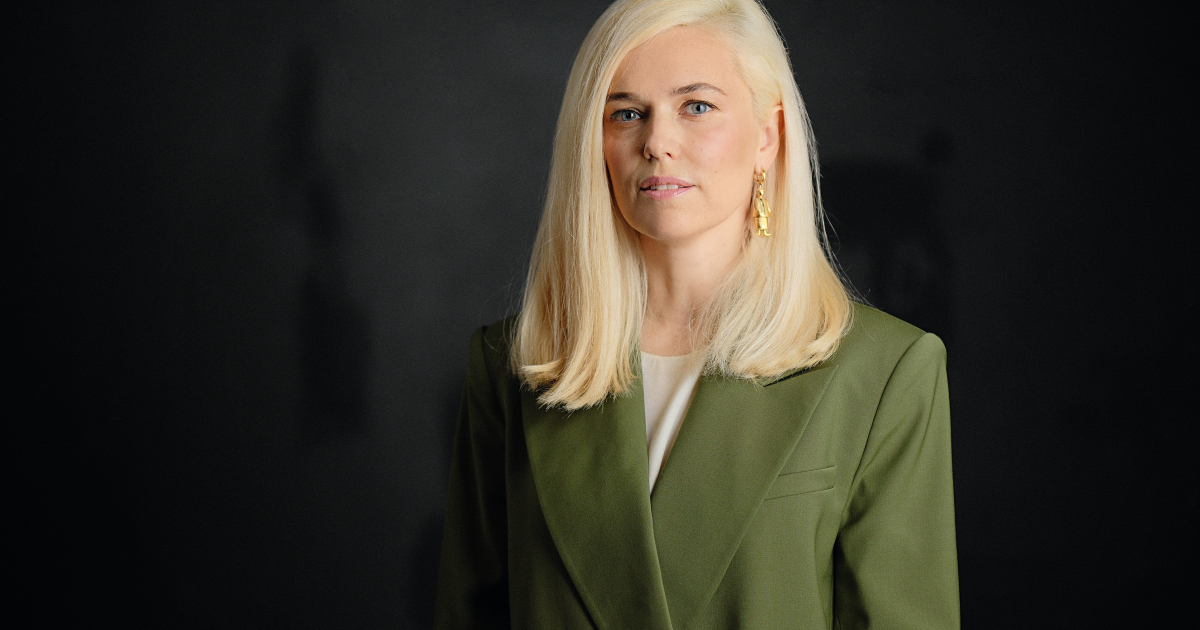
Thank you. And the next topic is women in the non-governmental area. A good example of leadership is women’s leadership during the war in the public sector. For example, Yaroslava Gres, the platform United 24, is the main venue for collecting charitable donations in support of Ukraine, Olga Rudneva, Superhumans Center. It’s about prosthetics. These women have really good backgrounds before the war. They have a lot of skills. They were influenceable in Ukraine. My question is, how a woman without experience, could become a leader, a big leader in a country in war?
Well, this nonprofit leadership path is a fascinating one, and often women who assume positions of leadership in this have experience in other arenas. They may have come into these organizations as volunteers, in which case they know them from the bottom up. That’s a valuable path. Or they may have come to it through the private sector, either having been a business owner, or more having worked in a corporate environment or larger company where they amassed leadership, management, and business skills in terms of finance and also built connections. Again, logistics, and supply chains, are key to success.
So, women are often interested in taking professional skills into the nonprofit sector because that fits with the kind of contribution they want to make to their country, their community, and ultimately to the world. They may feel that they have a better chance to do that in the nonprofit sector. What I would say to a woman who aspires to leadership in a significant and impactful nonprofit, of which there are many, is that you want to start by getting hands-on experience. This could be in the private sector, it could be in education, whatever that is. I know women who have gone into nursing and ended up leading major medical nonprofits. So, it’s helpful to decide where you want to get the experience that you can bring to make a significant difference in a different arena.
Yes, it depends on experience. And when the war started, we had a lot of volunteering in Ukraine. And now a lot of sources of help and funding have ended. And maybe you can say where our resources are?
But women are finding those resources, often in their communities or their neighborhoods. They are probably just getting less notice than they were at the start of the war. Back in 2022, for example, you would read about, for example, old ladies, in small villages outside of Lviv knitting garments for the soldiers on the front or using pieces of scrap iron to make a protective bulletproof vest and things like that. This sort of effort needs coordination, and needs leadership, and may be instrumental in saving someone’s life. They are small efforts that can seem local, but they matter so much.
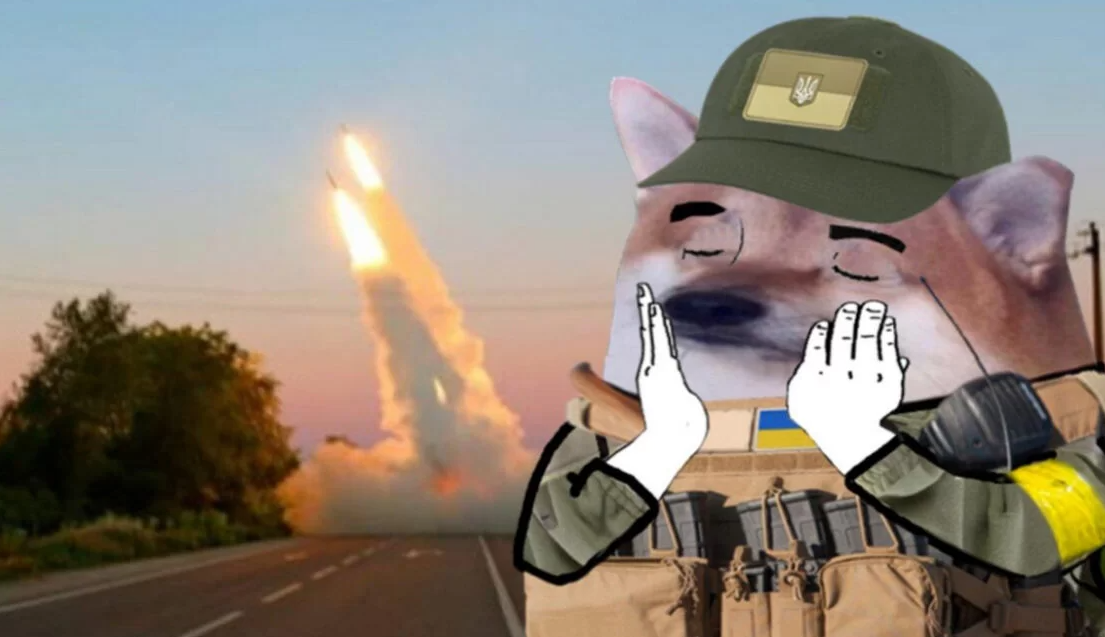
So I would say, to a woman who aspires to nonprofit leadership, look where the gaps are. And there are a lot of gaps emerging because it’s getting harder, because of the length of the war, to keep other countries engaged. Many of us naively expected this war would be over in a year. But that isn’t what happened. So, it’s helpful now to think about how to coordinate and mobilize people who have small windows of time, and do so in a way that creates global engagement. I think that NAFO. I think you call it OFAN – you know, where you have the little cartoon dogs- has been effective in terms of raising money but also in terms of making people feel involved and engaged– people all over the world. So that’s something that we need to be doing on an ongoing basis. I requires thinking very locally while also thinking globally about what can aid the war effort and help the civilian infrastructure repair itself more rapidly, What needs are not being met? And then how can I help coordinate that, wherever I am in the world, and with whatever resources I can get my hands on? And how can I do that in a way that makes it arresting for a potentially global audience? So that we can get the kind of funding that is so important to continue this fight?
Thank you for this really big and useful advice. We have done this topic about women in politics. Before our meeting, I asked on social media that we would have a meeting with you, and maybe you want to ask something. And I prepared questions from Ukrainian women for you now, and it can be like a little blitz when I can ask a question and you can answer shortly. The first question: is it true that successful women are unlucky in love?
Oh, no, absolutely not! That is a myth. No, I’ve known successful women all over the world, and most of them have situations that are satisfying, fulfilling, and rewarding.
What is the best way to combat burnout in a woman, or how would you prevent it? Because burnout, it’s our conscience.
The only way I see to address burnout in your situation is to recognize that while it cannot be prevented, it can be managed. This requires being very intentional about where you decide to invest your time and to always thinking, how is this going to feel when I’m doing it? You might say yes to something, because it sounds good, and women often do, but then when you get in it, you think, why did I ever say I was going to do this? Because it’s sucking my energy dry. So, you want to be intentional about where you give your time and energy. You want to think that through. And number two, you need to have a network of support. A personal network, a workplace network, a strategic network that looks to the future – you need to build that.
Is it possible, in such a stress to build a career, have a family, and still leave time for yourself? What do you have [to] sacrifice?
I have seen too many people who have been able to do all of these without feeling that they have to sacrifice themselves, their souls, their relationships, or their spirit. Now, at a certain time, if you’ve got a one, two, and three-year-old, can you have a flourishing career, but unless you have a lot of money or family support, it’s going to be challenging to manage it. From what I see, the expectation of having everything you need at once can be unrealistic. However, you do not have to sacrifice your happiness and your ability to have a satisfying personal or domestic life in order to have a successful career. We can’t afford to do that emotionally, psychologically, or in terms of our energy. So, we need to adapt our beliefs.
Does leadership not interfere with personal life? How to build relationships with your partner, children, parents, and friends when you are getting higher, higher, and higher in your career?
I think the best way to do this to engage them, and make them part of a larger community that you have access to through your work. For example, I have seen women who are political leaders with young children who bring a child on the campaign trail, who have people around them who are just, you know, become friends and aunties and uncles of those children. And, and I think that’s a very healthy way to have your children grow up. I see it in local politics. I don’t think you have to make either/ or choices. We often make too much of a distinction between our private life and our work life, or who I am in the world and who I am at home. Managing it may require effort, but I don’t see it as a fundamental conflict, especially if we build a strong network of alliances and support. Our families benefit from being something larger. And our children benefit from the exposure.
Thank you for this advice! And last question: how can women learn to be partners, not competitors? We have a strong female rivalry. Is it only in Ukraine or in other countries too?
In my observation and also in some of the statistics I’ve seen, this kind of competitiveness diminishes as women have more opportunities. For example, when I started working in women’s leadership in the late 1980s there was a lot of rivalry among women, but as more women moved into higher positions, there was less and less of that. Moving beyond competitiveness requires the leadership of women who are willing to step beyond it and say, I am here to make life better for women. That’s part of the reason I’m doing the work I am and have been doing it for decades.
The most effective way I know to get beyond rivalry is to start by saying: please let me know how I can help you. Now, every request may not be something that you can do or even agree that you should or want to do. But we can most successfully position ourselves as allies for other women by articulating that and being honest about how we respond. It starts with us. The more we can do that, the less this rivalry takes root.
I want to say one more thing. The idea that rivalry just exists among women is ridiculous. Men are often rivals with one another. They are competitive with other men. This is a human trait. It’s not a female trait. We often accept the idea that: oh, well, women are always tearing each other down. I’ve heard men talk about men in very negative terms. It’s a human trait that must be addressed in a human way. And as we see more women in positions of authority and influence who bring other women along with them, the tendency to be rivals will diminish.
Thank you for your time and this conversation. Thank you for your support of Ukraine! I hope that we have victory and your advice will be quite useful for us.
Wonderful! One of my dreams is to come to Ukraine.