

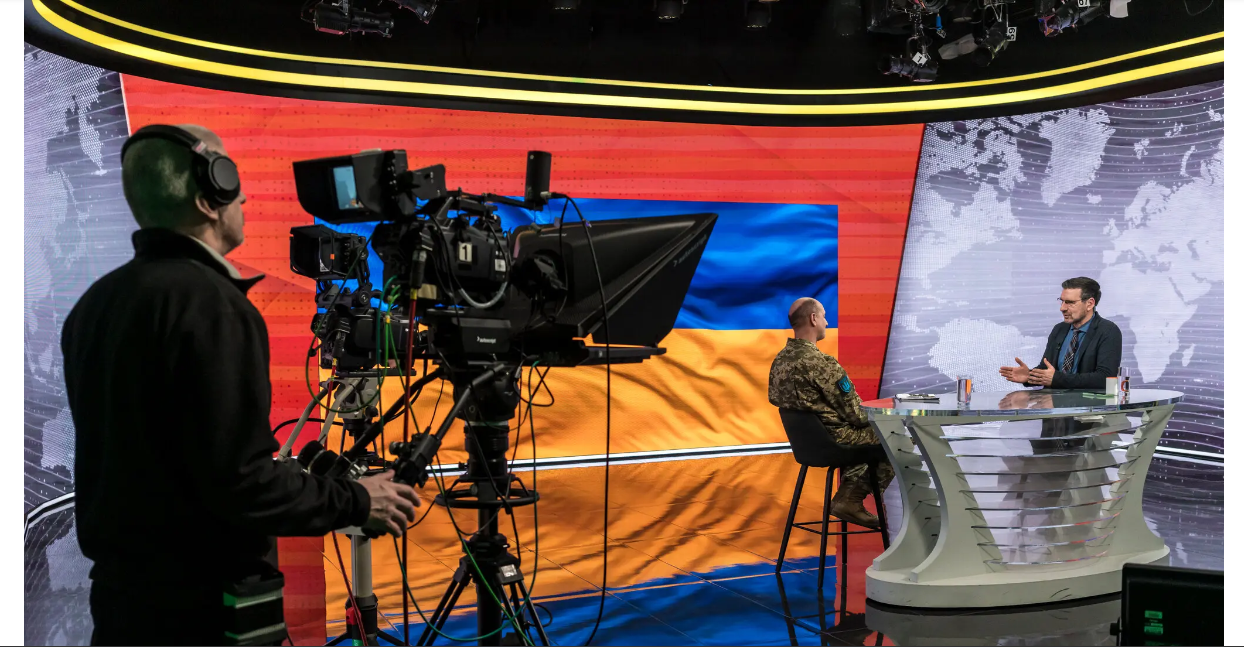
“Ukrainians avoid TV news because of protracted war” – the American edition of The York Times published an article criticizing Ukraine’s internal information policy. The “Edyny Novyny” telethon, which from the very beginning of the war united the leading information channels of the country, was especially successful.
Reasons for the decline in the popularity of the telethon
The authors of the article refer mainly to the study of the Kyiv International Institute of Sociology, according to which trust in the national telethon has fallen to 43%, and distrust in Edyny Novyny has increased to 38%. In May 2022, the trust percentage was much higher, namely 69%.
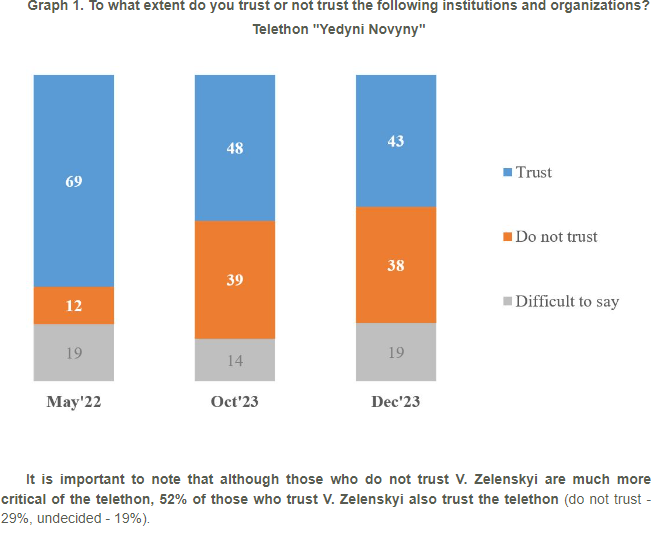
These data are likely representative. Let’s note that against the background of obvious fatigue from the war (which we will also talk about below), the rating of the telethon is positive. It was difficult to imagine such figures of trust before the war about any Ukrainian information channel.
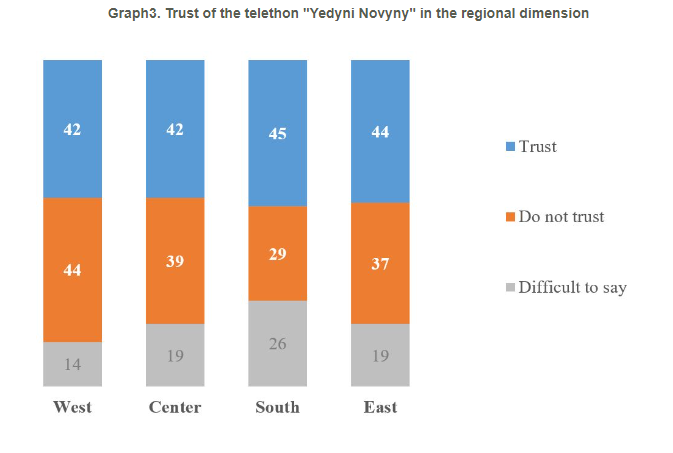
The authors of the article for some reason believe that a certain despondency appeared because of the content of “Edyny Novyny”. It seems that the journalists of the marathon describe the prospects of the Armed Forces of Ukraine too brightly and exaggerate the problems of the Russian occupiers. You can partially agree with this, but it is difficult to find a belligerent country in world history that was not at least partially engaged in the mystification and popularization of its armed forces. This is called a positive agenda and countering hostile narratives. Russia’s expansive information policy is aimed at demoralizing Ukrainian society. We all remember the semi-sarcastic reports of General Ihor Konashenkov or the statements of Defense Minister Sergei Shoigu about the destruction of Ukrainian equipment that was not actually in service with the Armed Forces of Ukraine, for example, as was the case with the German Leopard tanks. Based on such statements by officials of the aggressor country, a whole information strategy of the enemy was built, within the framework of which the mass media around the world were littered with fakes.
The New York Times article presents certain realistic facts, but the authors draw strange conclusions from them. For example, they note that Ukrainians began to watch more entertainment content. This is even though a huge number of bloggers, YouTube channels, Telegram channels, and TV channels opposed to the authorities, which have moved exclusively to the Internet, saturate the information space almost around the clock with insiders and analytics about the war. That is, it is not so difficult to find an oppositional position in the government. So maybe it’s not about the content and format of news reporting, but rather about the subject matter of the content? Maybe the fact is that people are simply tired of blood, shelling, deaths, and other horrors of war in two years and want to get away from it at least a little. The author put this slightly paraphrased thesis into the title of the article.
Liberal games with Russian agents
What is worth talking about is the long-term presence of openly pro-Russian TV channels in the Ukrainian media space before the “Great War”. The media holding of Vladimir Putin’s godfather Viktor Medvedchuk (NewsOne, ZIK and “112”) and the TV channel of another pro-Russian politician Yevgeny Murayev “Nash” engaged in round-the-clock promotion of pro-Russian narratives. In particular, they shifted the responsibility for the annexation of Crimea from Russia to the then-Ukrainian government (although it can still be blamed for inaction), and the Russian aggression in Donbas was called a civil war. They were engaged in informational preparation for a full-scale invasion of Russia. You can read more about the pro-Russian content on the mentioned channels in the Detector media article.
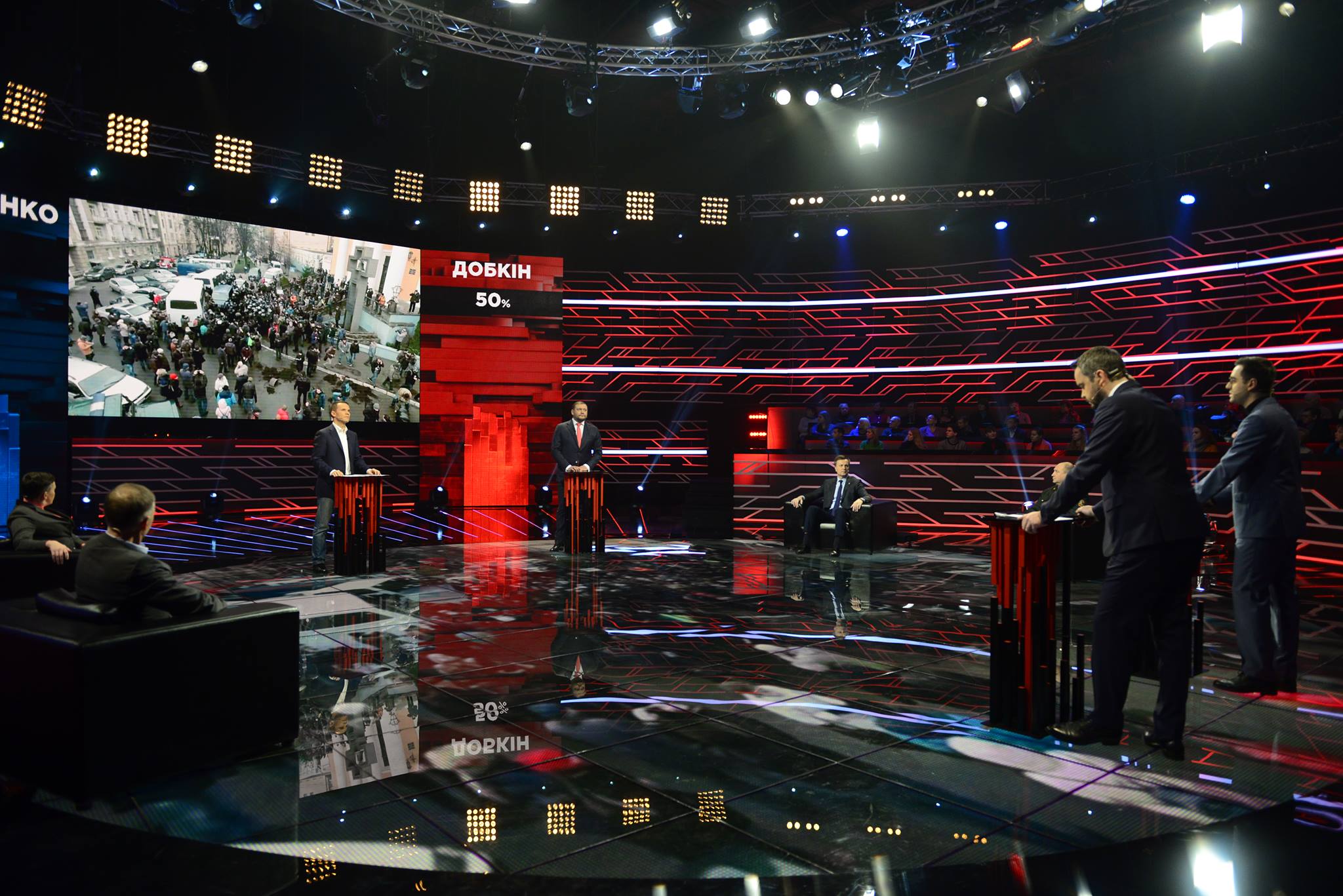
These channels worked both during the presidency of Petro Poroshenko and for a long time already during the time of President Volodymyr Zelenskyy. Russian agents not only acted freely in Ukraine in the complete blindness of law enforcement agencies but also regularly invited pro-government deputies to their channels, who, against the background of the numerical superiority of pro-Russian politicians and experts, as well as engaged presenters, looked, to put it mildly, in a losing position in advance. However, they stubbornly continued to go to these channels, helping them make big political shows.
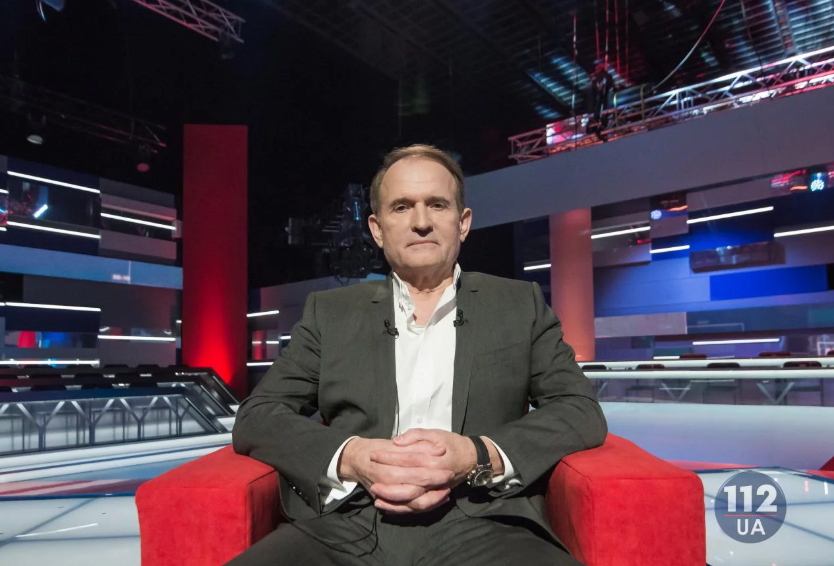
Of course, better late than never. When the threat of a full-scale Russian invasion of Ukraine loomed quite clearly on the horizon, law enforcement officers finally got down to business. In February 2021, Viktor Medvedchuk’s channels were first closed, and then Evgeny Murayev’s channel was also banned. Not surprisingly, both politicians were charged with treason and both are currently in the territory of the Russian Federation. Medvedchuk was exchanged for Ukrainian prisoners of war, while Murayev fled Ukraine after the full-scale invasion. However, their channels managed to do their treacherous work in many respects.
Expert opinion
Valentyn Gladkyh, political analyst, candidate of philosophical sciences, and associate professor of Kyiv National University named after Taras Shevchenko believes that such publications are part of informational pressure on Ukraine:
“First of all, there was no centralization of the information space in Ukraine. A significant part of the information space is not at all represented by “central television”, so to speak. There are a huge number of channels that broadcast on cable networks, YouTube, etc.
Secondly, regarding the telethon. “Unified News” is an official tool where official bodies distribute official information. It is not about evaluations or interpretations. The lion’s share of the airtime is occupied by representatives of state power or local self-government. It is generally not a political broadcaster, although influential politicians sometimes speak there, even from the conventional opposition. The marathon was launched to provide citizens with a single source where they can get verified information that specific individuals are responsible for.
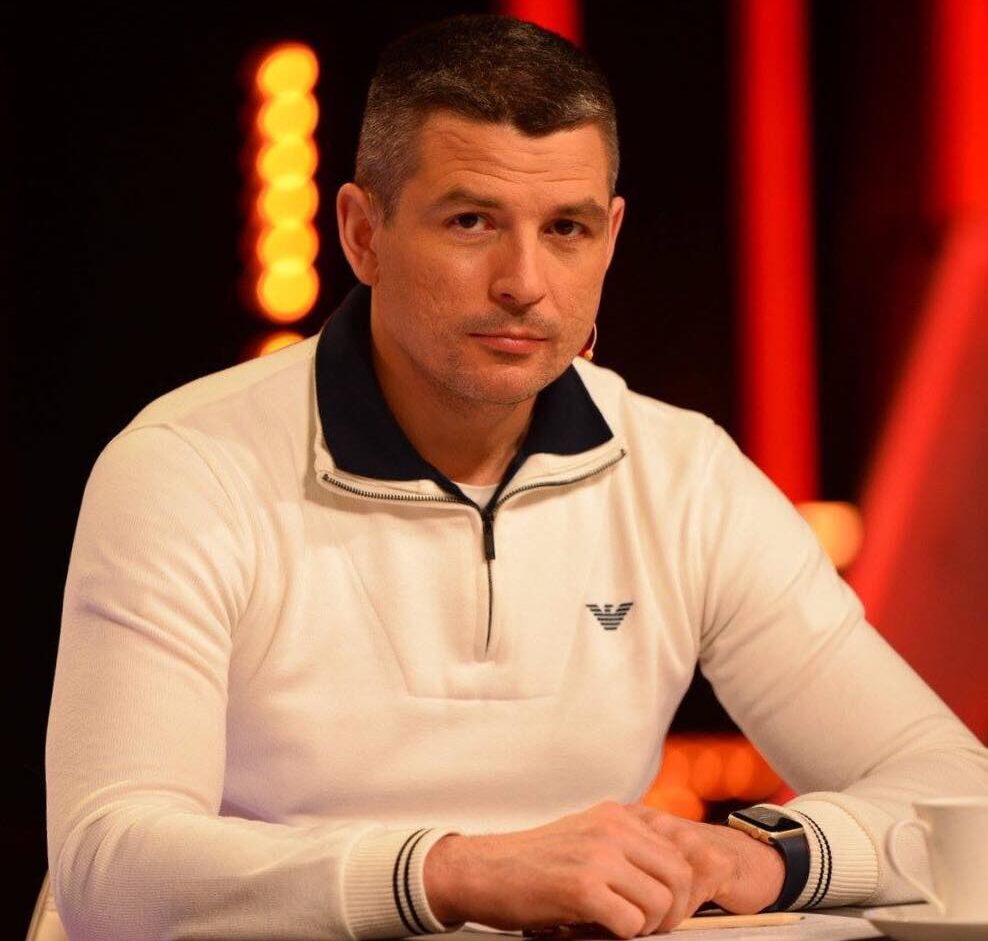
Thirdly, is it possible to make the telethon more qualitative? Perhaps it is possible. But that’s a subject for another discussion. Do you need such a tool? Definitely, yes. If the telethon disappears tomorrow, will the situation in the information space improve dramatically?”
Another expert we contacted has a slightly different opinion but also did not deny the need for such a tool during the war as a telethon.
Natalia Ligachova, media expert, head of the NGO Detector-media:
“I believe that the telethon can be a certain uniting tool for all citizens of Ukraine. It is worth saying that currently it no longer performs such a unifying function as at the beginning of the war, so it needs to be reformatted so that trust in it does not decline so rapidly.
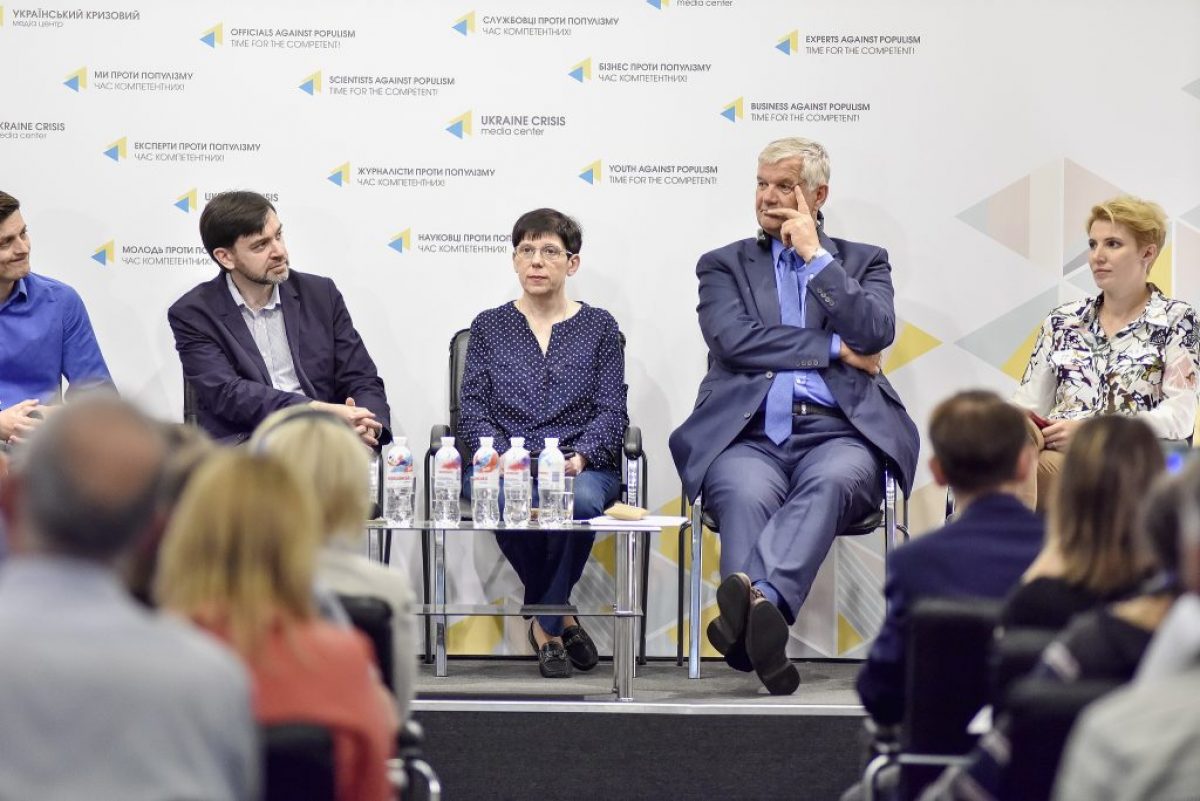
There should be a less glossy picture, more realistic, and you should also look for other formats for people who are tired of negative. It is already psychologically difficult for people to look at suffering. This should be taken into account by the producers of the telethon, but not in the form of “bairaktarshchyna”, but in a higher quality format. Let us have a telethon, but it should definitely be reformatted by conducting research and focus groups to understand the needs of the audience.”
Conclusions
The national telethon “Edyny Novyny” is a necessary tool for communication between the authorities and society during the war, but currently it has partially lost the trust of citizens due to some objective and subjective reasons. At the same time, despite the decrease in ratings, the level of trust in the telethon remains quite high. To avoid further negative trends, according to experts, content authors need to think about new formats.
Kostyantyn Grechany