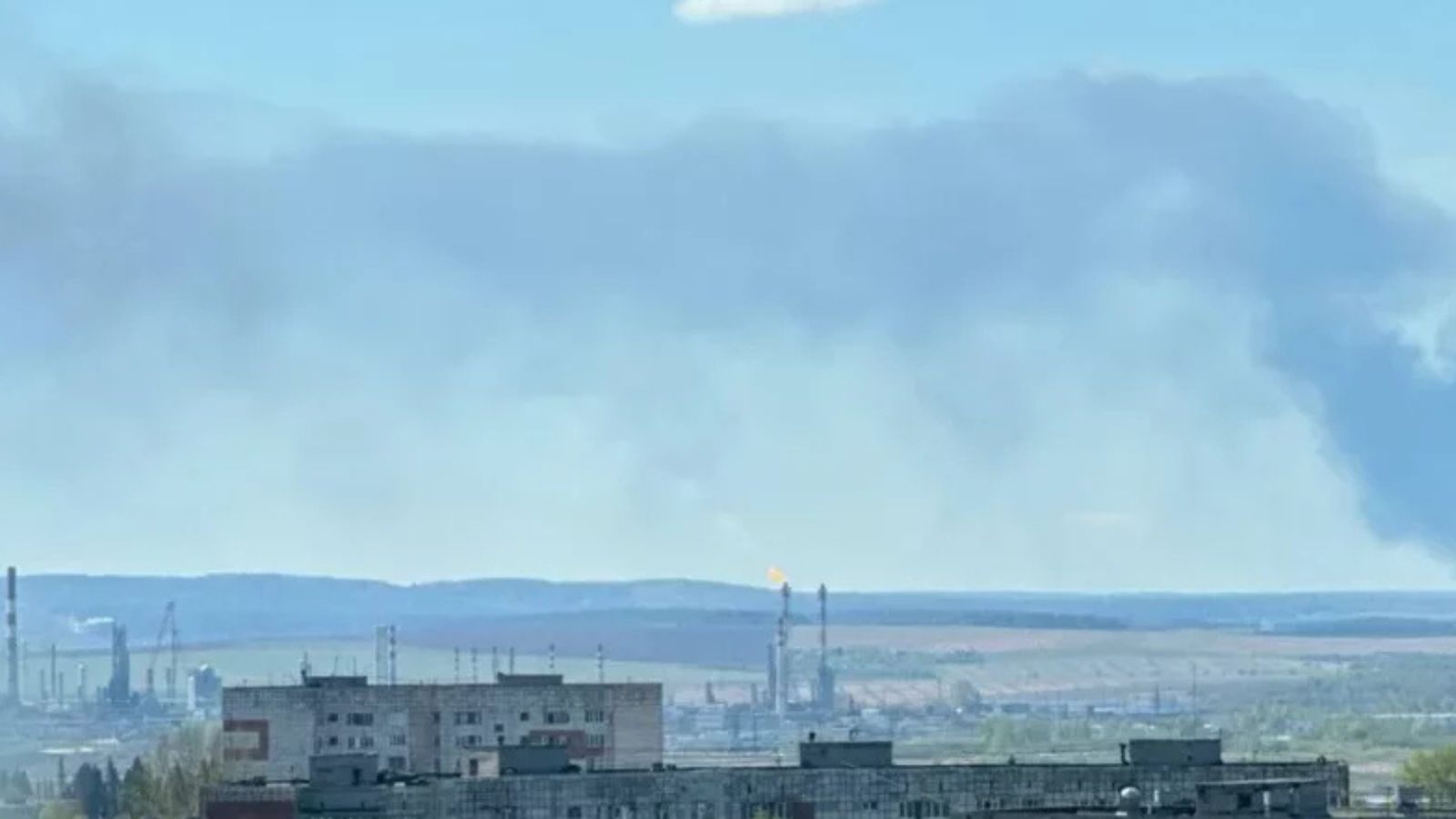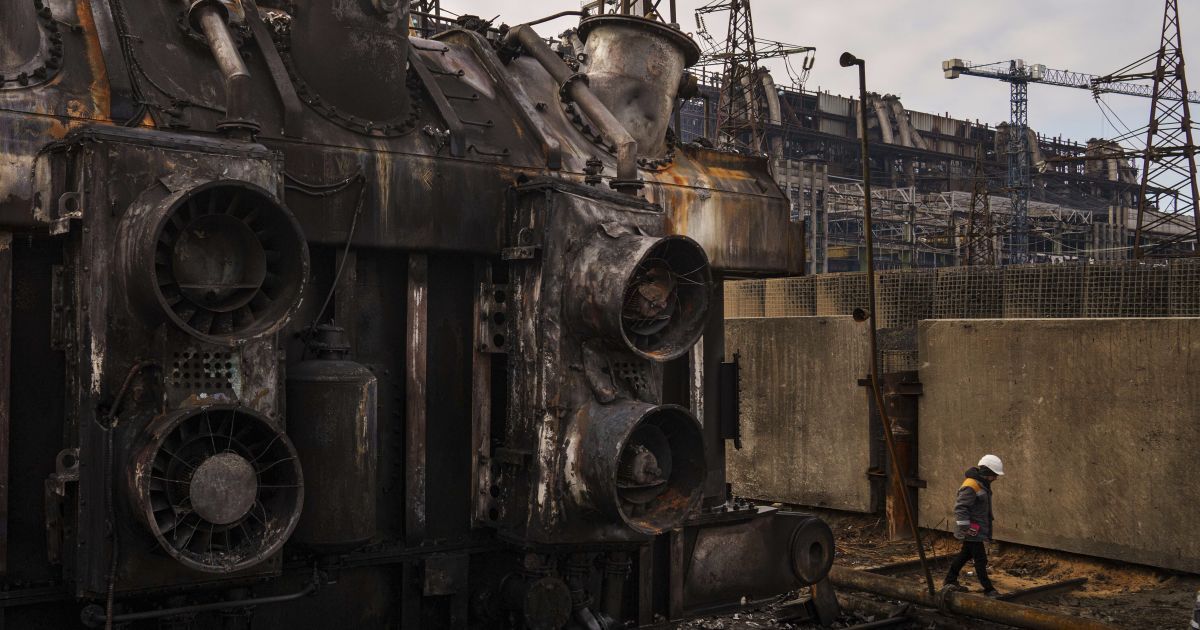


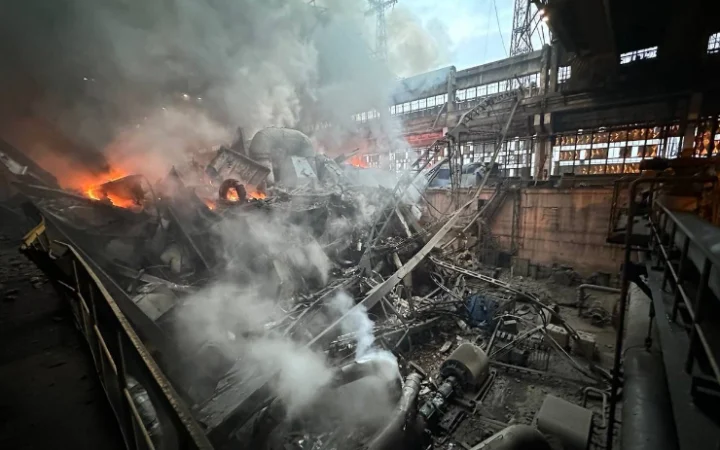
During the winter of 2025–2026, Russia continued its systematic energy pressure on Ukraine, combining massive strikes with a new tactic of localized exhaustion. In January 2026, during severe frosts reaching −20°C, the attacks triggered an energy emergency and left millions of Ukrainians without electricity and heating.
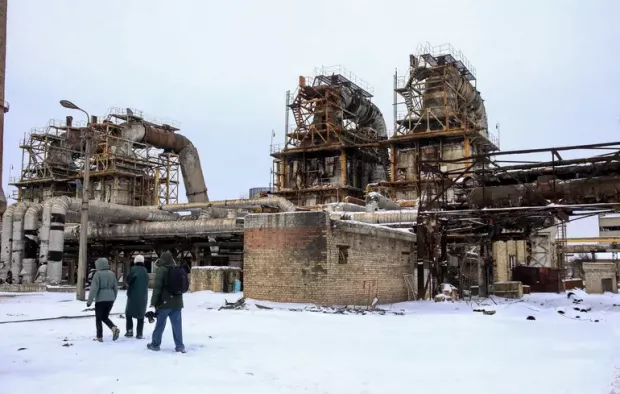
The Ukrainian Review explored how Ukraine’s energy system survived this winter, how Russia changed its strike tactics, and what lies ahead for the sector.
The Scale of Losses: An Energy System Under Deficit
Before 2022, Ukraine’s installed domestic generation capacity reached approximately 55 GW — one of the highest figures in Europe. As of 2025, only 17.5 GW remained operational, while by February 2026 available capacity had fallen to around 11.5 GW.
In effect, over four years of full-scale war, Ukraine lost 43.5 GW of generation capacity. To understand the scale, this loss is equivalent to shutting down the entire energy systems of two Romanias (19.2 GW each).
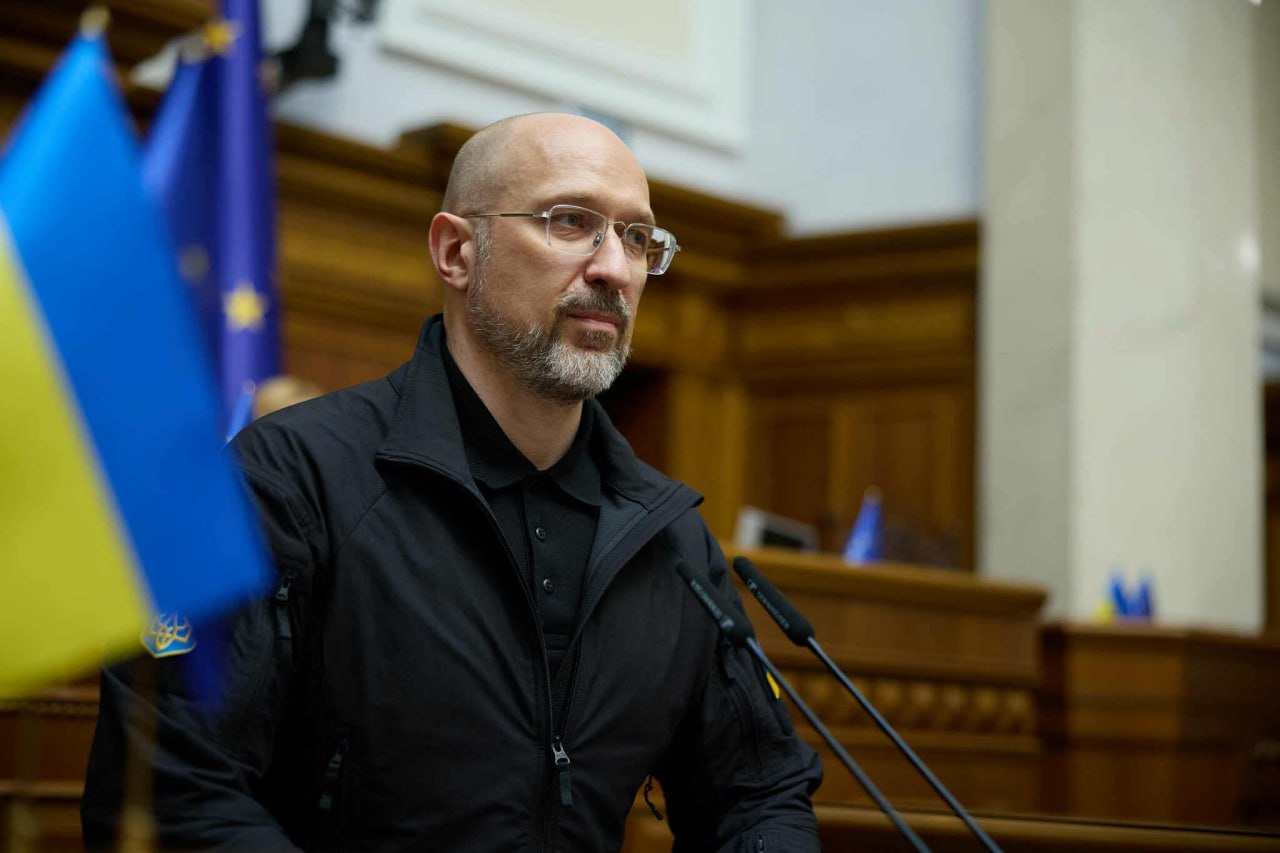
Ukraine’s Minister of Energy, Denys Shmyhal, reported that Russia carried out more than 612 attacks on energy infrastructure in 2025. According to him, since October 2025 approximately 8.5 GW of generation capacity has been disabled.
“There is not a single power plant left in Ukraine that has not been struck by the enemy,” he stated.
How Russia’s Tactics Changed
Since autumn 2025, Russia shifted from targeted strikes to a regional attack model. According to Deputy Energy Minister Mykola Kolisnyk, the enemy “moves the focus” between regions, gradually targeting generation, transmission infrastructure, and consumers.
Olha Babii, adviser to the Secretary of the National Security and Defense Council of Ukraine (NSDC), explains that Russia’s tactics have gone through several stages. At the beginning of the invasion, the targets were Ukrenergo substations, while in spring 2024 the enemy focused on maneuverable generation, destroying around 9 GW of capacity.
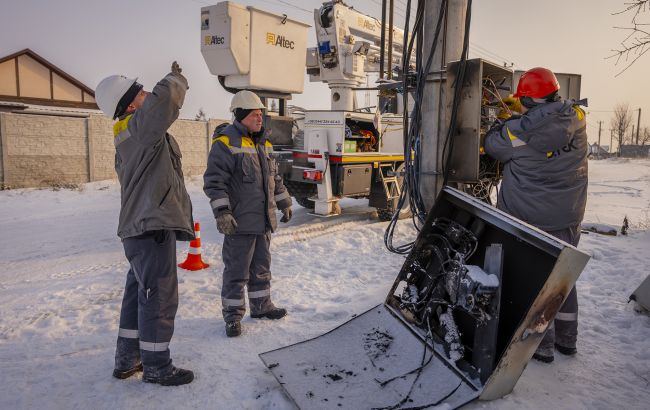
This winter, Russia combined these approaches: it massively deployed drones to destroy regional power distribution substations, while thermal generation facilities became targets of systematic attacks in Kyiv, Chernihiv, Sumy, and Odesa for the first time. Particularly cynical is the “scorched earth” tactic, with documented cases of round-the-clock shelling of a single substation for several consecutive days or repeated strikes precisely when restoration work began.
The Role of Different Types of Generation
The base load of Ukraine’s energy system is covered primarily by nuclear power plants, which before the war accounted for more than half of all electricity generation in the country. They operate steadily throughout the day and provide the “foundation” of the system, but they cannot rapidly change output volumes. At the same time, renewable energy — whose share fluctuates depending on season and weather conditions — is unstable and cannot guarantee constant demand coverage.
System balancing is ensured by maneuverable generation — thermal, hydroelectric, and pumped-storage power plants — which before the full-scale invasion covered a significant share of peak loads. These facilities allow the system to respond to sharp changes in consumption: during morning and evening hours, demand can increase by several gigawatts within a short period of time. Pumped-storage plants, in particular, accumulate electricity at night when consumption is lower and release it during peak periods, serving as a rapid reserve in case of capacity shortages.
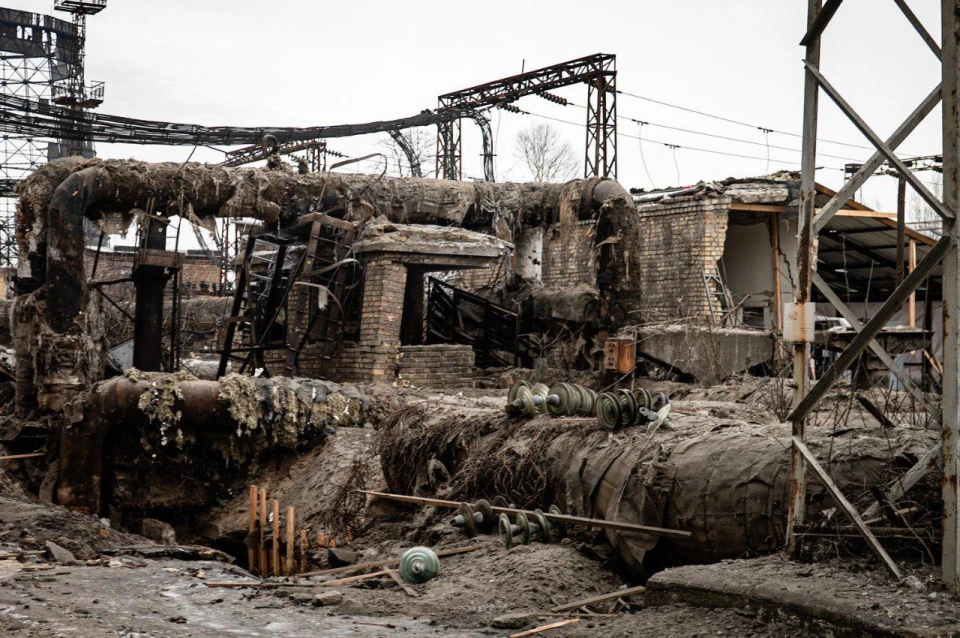
Combined heat and power plants (CHPs) play a dual role: besides electricity, they supply cities with heating and hot water. In large cities, CHPs form the backbone of district heating systems, making them critically important during the heating season.
Ukraine’s Ministry of Energy emphasizes that damage specifically to maneuverable generation has the most severe consequences for the system. While nuclear generation forms the base, thermal and hydroelectric plants provide flexibility. Their loss means that even if there is sufficient total electricity generation, the system cannot quickly respond to fluctuations in demand. Under such conditions, Ukraine is forced to rely on electricity imports or emergency assistance from abroad, while during periods of high renewable generation it must, on the contrary, curtail production to avoid overloading the grid.
Consequences: Why Blackouts Became Inevitable
This strategic shift makes not only large cities vulnerable, but entire regions. Vitalii Zaichenko, head of NPC Ukrenergo, stresses that simultaneous strikes on generation facilities and backbone substations make system maneuvering impossible. Even if there is surplus electricity in one region, it cannot be transmitted to a deficit region because network connections have been severed.
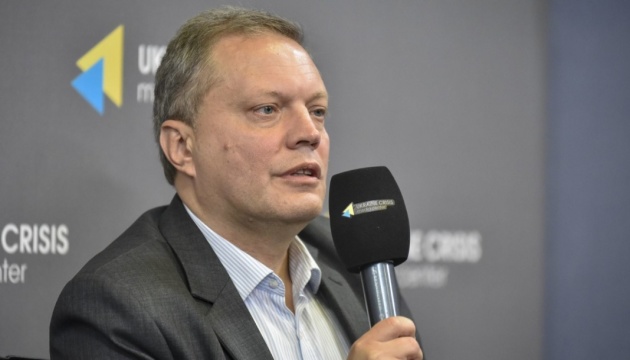
Volodymyr Omelchenko, Director of Energy Programs at the Razumkov Centre, believes that Russia sought to disrupt the integrity of the system between the right and left banks of the Dnipro River. Since the main nuclear power plants are located on the right bank while industry is concentrated on the left bank, strikes on high-voltage transmission lines were aimed at disconnecting nuclear units from the unified grid.
Power outages became a direct consequence of this deficit and uneven load distribution. Emergency outages are a forced stabilization tool implemented without warning within ten minutes of a dispatcher’s command in order to prevent large-scale system collapse.
The situation is further complicated by the fact that the base load is covered by nuclear plants, which operate steadily but cannot quickly change output volumes, while damaged maneuverable generation facilities (thermal and hydroelectric plants) have the greatest impact on stability during peak hours.
Restoring the Energy System

According to Roman Nitsovych, Research Director at DiXi Group, in comments to The Ukrainian Review, full restoration of the energy system will require years and significant investment.
According to him, the situation is complicated by the fact that much of the damaged equipment is not mass-produced. Large-capacity autotransformers, turbines, and boilers for thermal power plants are essentially “custom-made products” manufactured individually. They cannot simply be purchased from stock — production and delivery can take months or even years.
Even with agreements with the EU on electricity purchases, Ukraine cannot always use this electricity effectively.
“With limited transmission capabilities due to attacks on key substations, we cannot fully utilize imported electricity received at the western border and deliver it to consumers in Dnipro or Kharkiv,” the expert explains.
He adds that the key problem is the shortage of unique equipment — turbines, transformers, and critical components manufactured to order.
At the same time, partial restoration is possible much faster, provided there is equipment supply and repair of critical infrastructure.
“Sometimes it is cheaper to build a new power unit than to restore a destroyed one,” the expert notes.
Should Ukraine restore giant Soviet-era thermal power plants? Experts from the European-Ukrainian platform Build Ukraine Back Better (BUBB) propose a different path in comments to The Ukrainian Review:
“Instead of restoring vulnerable giants, Ukraine should focus on thousands of small distributed generation facilities: biogas, wind, solar, and energy storage systems. Examples from individual cities already demonstrate that even when the main grid is down, hospitals and critical infrastructure can operate autonomously. This is the model that must be scaled across the entire country.”
Overall, large-scale reconstruction requires foreign investment, which continues to be restrained by wartime risks.
Germany’s Chargé d’Affaires ad interim, Maximilian Rasch, emphasized to The Ukrainian Review that air defense remains the best protection for the energy sector. Strengthening supplies of air defense components is critical to preventing further deterioration in the near future.
Beyond direct protection of the skies, the speed and feasibility of repairs remain another critical issue.
Conclusion
Russia’s massive attacks on thermal and hydroelectric generation created a critical shortage of flexibility: the system still has a “foundation” in the form of nuclear power plants but has lost the ability to respond rapidly to peak demand in the mornings and evenings. The destruction of key substations has also limited the effectiveness of electricity imports from the EU, since damaged grids simply cannot transmit the necessary volumes of energy to deficit regions.
As a result, blackouts this winter became the only way to prevent the complete collapse of the system under wartime conditions. Further restoration of massive and vulnerable thermal power plants appears inefficient due to their high cost and easy accessibility for enemy missiles.
Ukraine’s only viable path forward is an urgent transition to distributed generation — the construction of networks of small autonomous power plants and energy storage systems that are far more difficult to destroy.
Ultimately, the survival of Ukraine’s energy sector now depends on two factors: the availability of air defense overhead and the speed with which the country can replace vulnerable energy infrastructure with smaller, more resilient facilities.
Anna Romaniv