

The ideological positions of bloggers and political commentators in the United States
Blogging in the United States is not a one-dimensional phenomenon. It is only possible to understand its specifics by significantly ‘immersing’ oneself in the American information space. De facto, significant shifts in the information agenda occur on a regular basis. However, some positions of the political worldview remain unchanged. This is especially true of the support for two polar opposites in the political spectrum: Democrats and Republicans. In essence, these are two ‘ideological clusters’ with different audiences. Both find numerous points of conflict. The American media space is literally filled with ‘tectonic’ rifts and disputes between radical bloggers who have millions of followers. They are the new elite of information competition, which ideally should be more impartial than the traditional American media. In practice, this statement is far from always being true.
The «Republican» segment of the political blogosphere is represented by both professional journalists and content authors with quite different preferences. This trend is characteristic of the blogosphere in general, and the political blogosphere in particular. Ideas can be based on analytical and scientific grounds, personal professional experience, or free ‘creative’ interpretation of the principles of social life in American society. Thus, there is a certain ‘umbrella convention’ of assigning all authors of information content to one camp according to all indicators. At the very least, it is worth dividing the pro-Republican list of bloggers into those who are more moderate in their ideas and those who are radicalised and even marginalised. In this sense, there are classic Republican political bloggers and commentators, bloggers for MAGA, and those who defend ultra-conservative «exotic» positions.
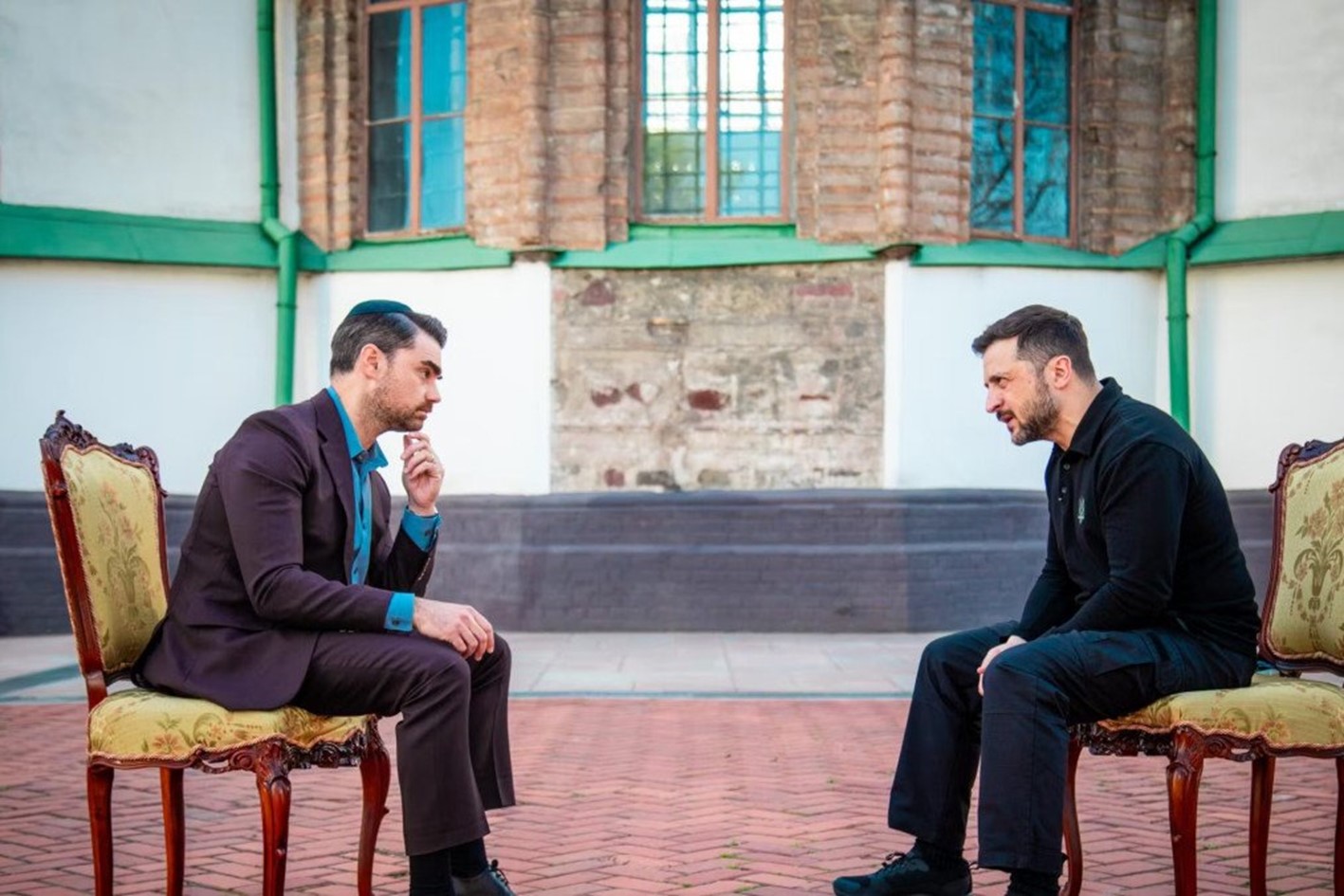
Well-known blogger and political commentator Ben Shapiro generally supports conservative views and religious Christian values, actively criticising left-wing ideas. He has an audience of about 7.2 million on YouTube. Shapiro tries to understand the key issues facing modern American society, and his views are balanced and consistent. He is convinced that American universities are promoting left-wing ideology, and that this is a key problem. Shapiro actively speaks to student audiences, often in so-called ‘red’ Republican states (meeting with students on the campus of the University of Florida on 21 October 2023. It should be noted that Florida has repeatedly voted for Republican candidates in presidential elections, although often by a small margin). His speeches take place, among other places, within the framework of the Young America’s Foundation (YAF). This institution is dedicated to raising awareness of conservative and religious issues. Ben Shapiro is rapidly gaining popularity among Americans, but attitudes towards him remain mixed even among the most Republican influencers and journalists.
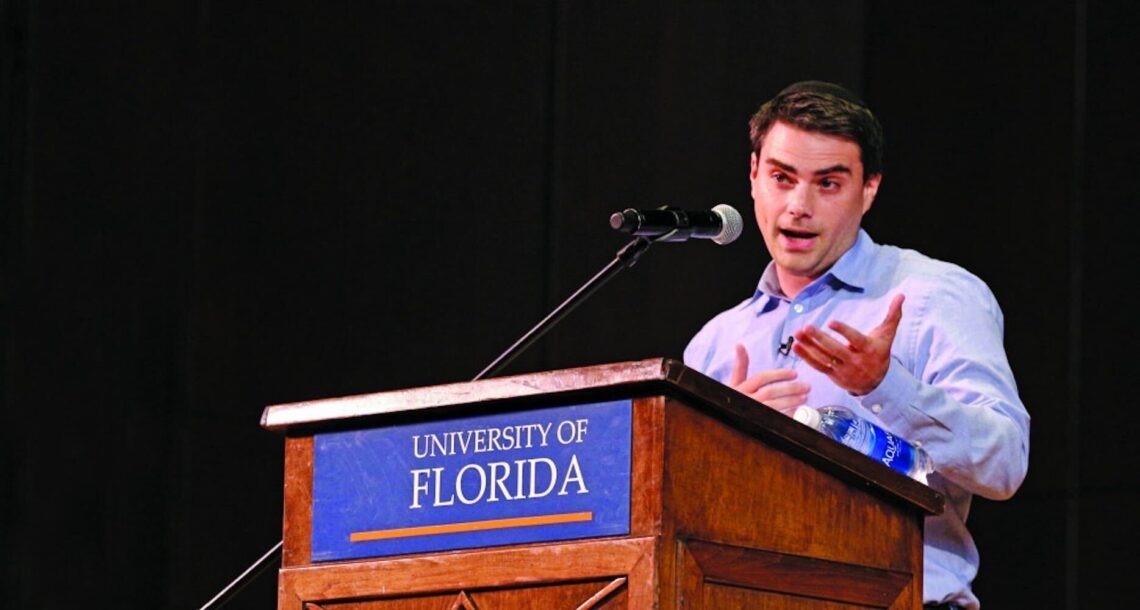
In 2025, Ben Shapiro visited Ukraine. This step, in a way, became a key turning point for his own audience. The well-known Republican was able to see with his own eyes a society struggling for its very existence. His extensive interview with Ukrainian President Volodymyr Zelenskyy caused quite a stir. Shapiro did not hold back when asking questions about the role of the United States in supporting Ukraine (finances, weapons, etc.).
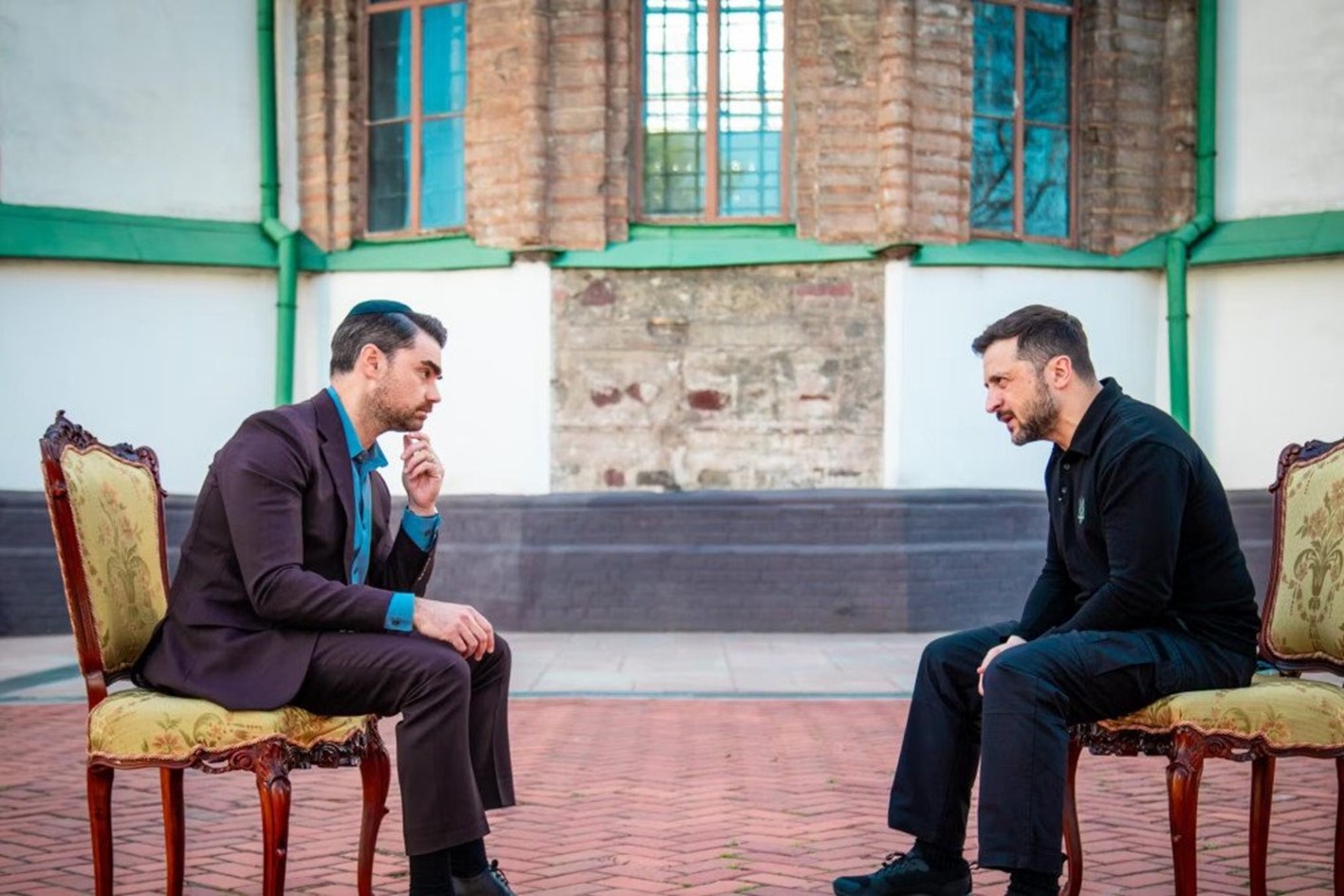
Overall, Ben Shapiro’s views are fairly typical of the Republican wing. The ideas of another conservative blogger, Curtis Yarvin (pseudonym Mencius Moldbug), are radical and highly controversial. He writes the blogs Unqualified Reservations and Grey Mirror. Curtis Yarvin’s position is anti-Ukrainian (he is objectively less known to the Ukrainian audience than blogger Tucker Carlson), and in his statements he repeats Russian narratives and adds his own quasi-historical judgements. Jarvin generally «rejects» the ideas of classical democracy, emphasising the need to introduce a so-called technocracy and promoting the ideas of the so-called ‘Dark Enlightenment’. In general, he can be classified as one of those political bloggers who try to produce «shocking content» in a kind of ‘framework,’ supplemented by conspiratorial ideas about fighting the ‘bad system’ that is based on media, bureaucracy, and modern universities.

In general, the ‘democratic segment’ of the American political blogosphere is also not unambiguous and entirely harmonious. This segment can be loosely defined as including various influencers (including professional journalists and politicians), such as John Oliver, Wayne Stanton, Alex Ocasio-Cortez, Brian Tyler Cohen, and others. The ideas promoted by democratically minded bloggers are filled with aspirations for social equality, access to various benefits, ambiguous attitudes towards the rich and influential, the role of corporations, and environmental protection. De facto, one can find a lot of ‘left-wing’ rhetoric and left-centrist views. Although in the American context, such rhetoric is not unusual. Migration policy in general has become a classic ‘point of collision’ with ultra-conservative Republicans.
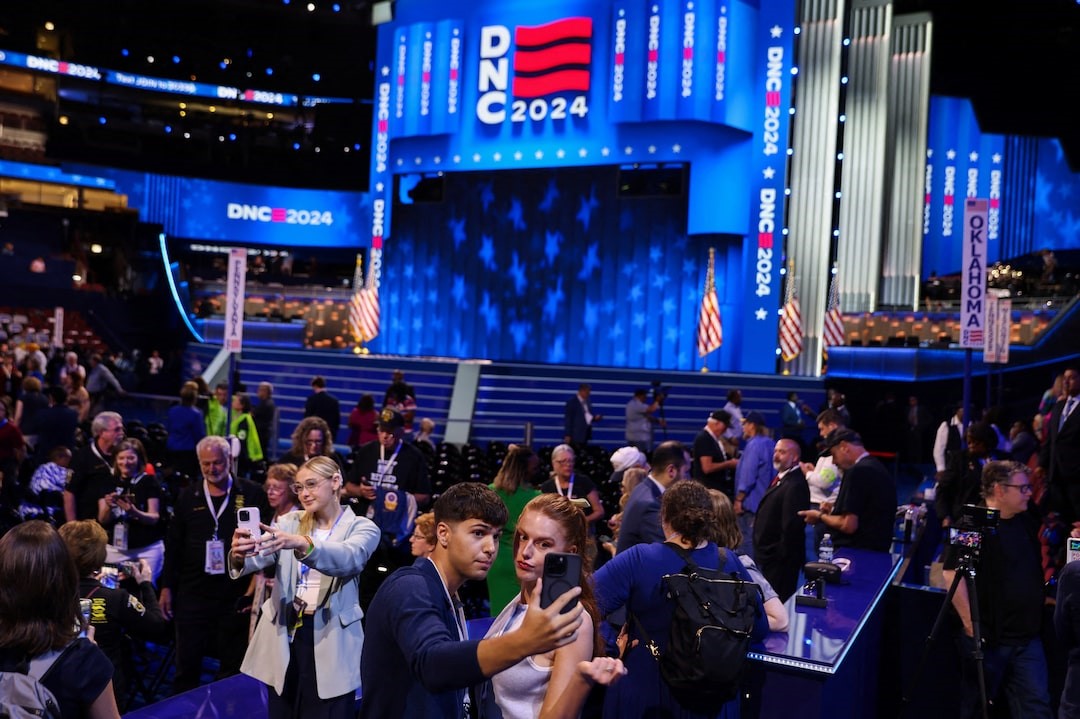
Democratic bloggers actively compete with their Republican opponents. They exist partly outside the journalistic community with its clear rules, more often using ‘new media’, i.e. social networks, to spread their views and mobilise voters, in particular for protest rallies. The power of influencers in relation to journalists from more traditional publications is recognised in Democratic political circles. This was demonstrated by the special treatment they received at the US Democratic National Convention on 20 August 2024 in Chicago. The allocation of a special room for bloggers to create content and the comprehensive assistance provided by the convention organisers emphasised their unusual position. This became a kind of recognition of the audience of new media users: Instagram, YouTube, TikTok. It seems that a political bet was made on young people and communication that is freer from the traditionalism that is characteristic of the American media space. Did this tactic pay off? The question remains rhetorical. After losing the presidential election, the Democratic Party entered into a long-term internal crisis. It was only partially overcome with the election of the new mayor of New York, Zohran Mamdani.
Today, the Olympus of the democratic blogosphere in the United States has its heroes. Brian Tyler Cohen is a prominent figure among political influencers from the Democratic Party (4.9 million subscribers on YouTube). He has an idea of what the Democrats’ strategy should be in the upcoming elections, outlines new challenges and problems for the Democratic Party and its supporters in their confrontation with the «right-wing media machine». In particular, he shares his thoughts on the Democracy Docket channel.
Expert opinion: dividing lines in the American political blogosphere
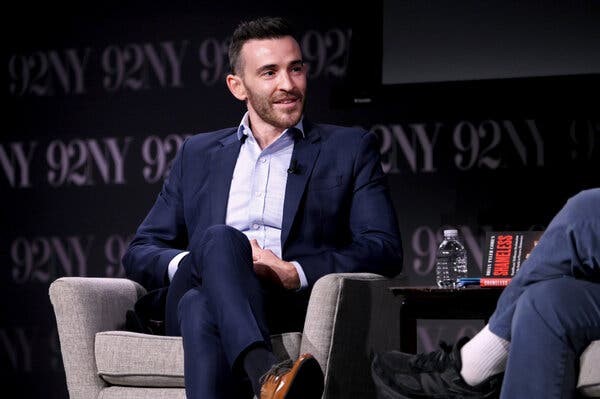
The information field, including the role of the media in it, is changing radically in the United States. These trends are particularly noticeable for Ukrainians working in blogging and public activities in this country. Yuriy Kurat, an American blogger of Ukrainian origin, provided us with his commentary. He runs his own blog, Thoughts of Passers By. In his work, Yuriy tries to analyse international politics and the full-scale war in Ukraine as objectively and honestly as possible, asking relevant questions.
– Mr Yuriy, how do you see the position of well-known American bloggers with millions of followers regarding Ukraine today? Is it constructive, or does it have its ambiguous moments?
«The United States needs to negotiate an end to the war with Russia and then impose that agreement on Ukraine’ — this is how Ben Shapiro, one of the most influential conservative commentators in the United States, saw the end of the war a year and a half ago. Unfortunately, this was one of the most constructive positions that could be heard in the popular conservative media at the time».
– How do you see the transformations in the American political blogosphere?
«In the second half of the 2010s, traditional Republican channels (such as Fox News) were replaced by new media companies that positioned themselves as sources of contemporary conservative thought, uninfluenced by the party establishment. Among them, the largest were The Daily Wire, the Blaze, Newsmax, and others. Alongside these organisations, individual bloggers such as Tim Poul, David Crowder, and the infamous Tucker Carlson gained widespread reach among conservative audiences.».
– In your opinion, how much has the attitude towards full-scale war in Ukraine changed on the part of the ‘new’ American media?
«The attitude of these media outlets towards the war in Ukraine changed over time. During the first two weeks of the invasion, coverage was mixed, ranging from neutral reporting of facts to sympathy for Ukraine or even sentimentality about the inevitability of Russia’s move in its confrontation with the West. At the end of 2022, this mood began to shift towards irritation with Ukraine: to my endless disappointment, right-wing commentators who defended the primary role of the United States in world affairs began to portray Ukraine as a small, corrupt nation unworthy of attention and taxpayer resources, and President Zelensky as a dictator. Many of them used Russian Federation propaganda talking points about one people, religious persecution in our country, the Russian-speaking population, embezzlement of funds sent by the Biden administration, and so on. At this time, the war in Ukraine began to be compared to the wars in Afghanistan, Iraq, and Vietnam, arguing that, as before, the United States could only lose, not only its resources, but also ‘our boys.’».
– Is the ‘Russian trace’ and its influence on American political bloggers and commentators really that widespread and dangerous today? Are Russians bribing influencers in the information space?
«Only recently, we received confirmation that two of these commentators received money from Russian organisations for supporting editorial policies that were beneficial to them. For example, David Rubin was reportedly paid $400,000 for each episode in which he covered the war in Ukraine from the perspective that suited them.».
– Do you see any significant changes among pro-Republican bloggers, any kind of crisis that can be openly declared today?
«The turning point came on 7 October in Israel. The event caused a fundamental split not only in the conservative media, but also in the entire MAGA movement. Among politicians, experts, commentators, and ordinary members of the Republican Party, isolationists began to distance themselves from the so-called neocons (neo-conservatives who defend US geopolitical leadership and commitments on the world stage). The isolationists formulated their position more generally as ‘non-interference in foreign wars in order to solve domestic problems’ and consistently shifted their criticism to the Israeli government. In turn, the neocons who supported Israel faced a dilemma, because from an ethical and foreign policy point of view, the position of Ukraine and Israel in their respective conflicts is the same. At this time, we can see commentators from this camp beginning to more vocally support Ukraine’s right to resist and the need for the US to support our struggle against Russia. First and foremost are Ben Shapiro, Mark Levin and Piers Morgan. Ben even came to Ukraine not only to interview President Zelensky, but also to devote several episodes of his show in April 2025 to explaining the geopolitical situation in our region. Currently, the Conservative Party is experiencing a deep internal split due to the adoption of right-wing radical views by some influential ideologues (read: Tucker Carlson and company). They mention Ukraine only in the context of ‘foreign wars’ and devote all their time to criticising Israel and its influence on American politics.».
– What should we pay attention to in the coverage of the war in Ukraine in today’s conservative media?
«I will answer as follows:
-
The opinion of experts does not reflect the mood of the American people. Unfortunately, the promises that the new conservative media made to their listeners about ‘pure facts’ turned out to be economically unprofitable, and many of them began to promote narratives that would earn the most views. About 60% of conservative voters support aid to Ukraine, despite the overwhelming majority of commentators who either do not want the US to be involved in world politics or actively oppose aid to Ukraine.
-
Conservative media outlets view the war in Ukraine in the context of overall US foreign policy. We would like to believe that the arguments put forward by American commentators are based on the need to follow international law and oppose aggressive dictatorships, but unfortunately for them, Ukraine is just another factor in US international activities. They assess the need to support Ukraine in the context of relations and a possible war with China, the economic isolation of Iran, diplomatic confrontation with the EU over defence budgets, influence on Israel’s actions in the Middle East, and so on. In these circumstances, it is important for Ukrainian diplomacy to formulate arguments for further support specifically in terms of US interests on the world stage.
-
The arguments put forward by influential opponents of Ukraine range from blatantly false to confirmed facts that are irrelevant to the war. While the story of the torture of believers is easy to simplify, arguments that money sent by the US government is being stolen by government officials become real obstacles even for the most staunch supporters of Ukraine against the backdrop of corruption scandals.
– How can we influence American bloggers – Republicans and ‘new media’ in general – to gain more widespread support for Ukraine? Is this even possible in the current circumstances?
«We can take advantage of the crisis that has arisen in today’s conservative media to support and amplify voices that highlight the true situation in Ukraine and argue for increased support for it. Republican voters are beginning to see the staggering radicalisation of the substantial wing of their party and to re-evaluate the fundamental positions of its leaders. This is precisely the moment when we can promote our narrative and pull these people over to the right side of history.».
Conclusion
The popularity of political blogging in the United States can be explained by the possibility of direct communication with the audience and the absence of censorship, which allows even the most controversial opinions to be expressed. In the United States, the blogosphere is divided into many separate segments. The significant polarisation of the political blogosphere is due to the existence of more conservative and liberal, and even radical, popular bloggers with their own preferences. The traditional ‘divide’ between Republicans and Democrats is complemented here by more active and less restricted demands from authors who are extremely critical of their opponents and, under general ‘umbrella slogans,’ bring together a often politicised and sometimes marginalised part of American society that wants to hear simple answers to complex questions. -umbrellas” gather a often politicised and sometimes marginalised part of American society that wants to hear simple answers to complex questions.
A look at the American blogosphere from this perspective should be more detailed. All the relationships and contradictions here are better understood if you use the classic method of ‘participant observation,’ being able to feel the lines of conflict between supporters of two ideological camps and literally a multitude of different authorial positions of political commentators. It is often difficult to attribute them purely to Democrats and Republicans. Everyone is looking for their own direction, their target audience, trying to stand out from the crowd, sometimes shocking and upsetting people. Bloggers have to create content that will be interesting both to their supporters and to people who have not yet decided on their political views. ‘Pulling in the audience’ is a matter of survival in a system of fierce competition.
A peculiar kind of ‘political conspiracy theory’ is widespread in the American blogosphere. The reason for this is the desire to reach a larger audience on a permanent basis. However, alongside professional political analysts, journalists, and political commentators with years of experience, one can also see and hear independent authors who create their own content without regard for journalistic standards or in-depth research.