

This autumn, Ukraine made two significant moves to strengthen its aviation capabilities: a letter of intent with France for the supply of Rafale fighter jets and an agreement with Sweden for the potential purchase of up to 150 Gripen aircraft. Both initiatives carry substantial weight for Ukraine’s defense and are very similar, but differ in technology and additional details
France and the Rafales
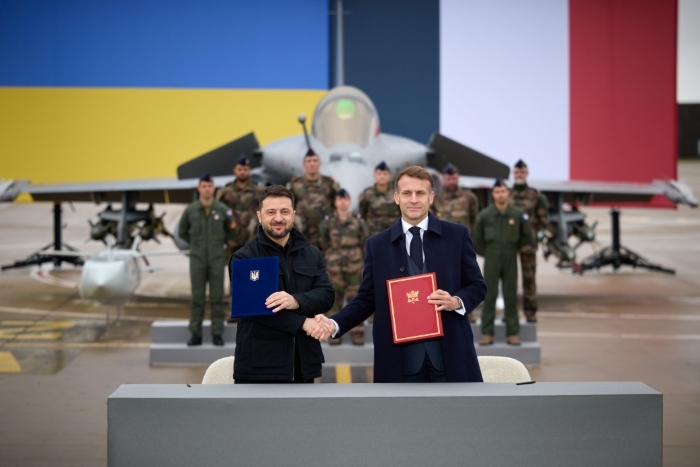
The most consequential military document of 2025 is the new security agreement between Ukraine and France, signed on November 17. Ukraine placed an initial order for 100 Rafale fighter jets to bolster its air fleet. Earlier, Zelenskyy called the deal a “historic agreement” in a post on X.
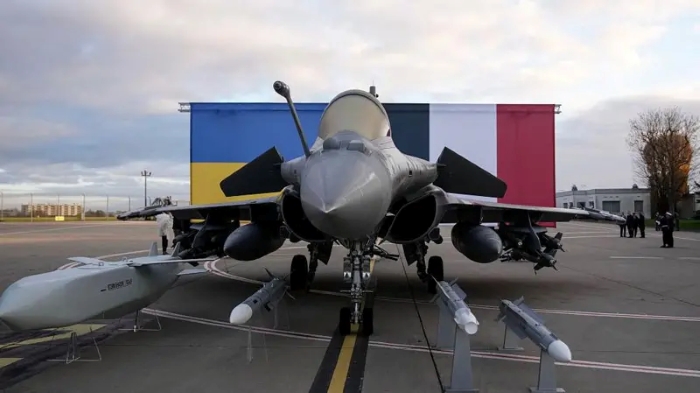
On November 7, 2025, the presidents signed a declaration of intent enabling the future purchase of up to 100 Rafale F4 aircraft. The Rafale is a versatile multirole fighter capable of air-superiority missions, interception, ground and maritime strikes, reconnaissance, and, in French service, nuclear deterrence.
Beyond aircraft, the agreement includes comprehensive air-defense support: eight SAMP/T systems, radar systems, air-to-air missiles, and precision-guided aerial munitions.
The ten-year agreement outlines long-term defense-industrial cooperation, including joint projects in drones, technologies, and component production. France has also committed to supporting Ukraine’s defense sector for the next decade. The difficulty in implementing these plans lies in the finances and capabilities of Dassault to build such numerous fighter jets. Frozen Russian assets may be used for this project.
Sweden and the Gripens
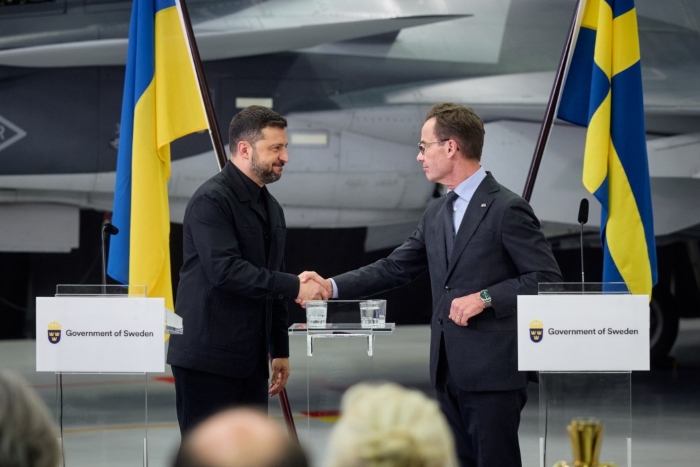
On October 22, 2025, Ukraine and Sweden signed a letter of intent covering the potential purchase of up to 150 Saab JAS 39 Gripen E fighter jets.
Swedish Prime Minister Ulf Kristersson emphasized that this cooperation is also envisioned as a long-term, 10–15-year project. Key areas include experience sharing, personnel training, and joint technological initiatives in aviation and defense.
Funding may also partially come from frozen Russian assets, in addition to contributions from allied states willing to support the program. Localization of Swedish Gripen fighter jet production in Ukraine is planned for 2033. However, Ukrainian side persuades to give first jets in 2026. Sweden has dozens of used Gripen aircraft that could be transferred to Ukraine. It is noted, that Gripens are even more adaptive to Ukrainian reality than F-16.
Conclusion
Ukraine has become a unique country in terms of the diversity of its air fleet — from MiG-29s to F-16s, and soon the Rafale and Gripen. While these agreements are strategically important and strengthen long-term defense potential, they will not change the immediate situation on the frontline. Nevertheless, they serve as a powerful diplomatic signal that Ukraine’s partners are committed to long-term security cooperation and sustained support for the modernization of Ukrainian aviation.