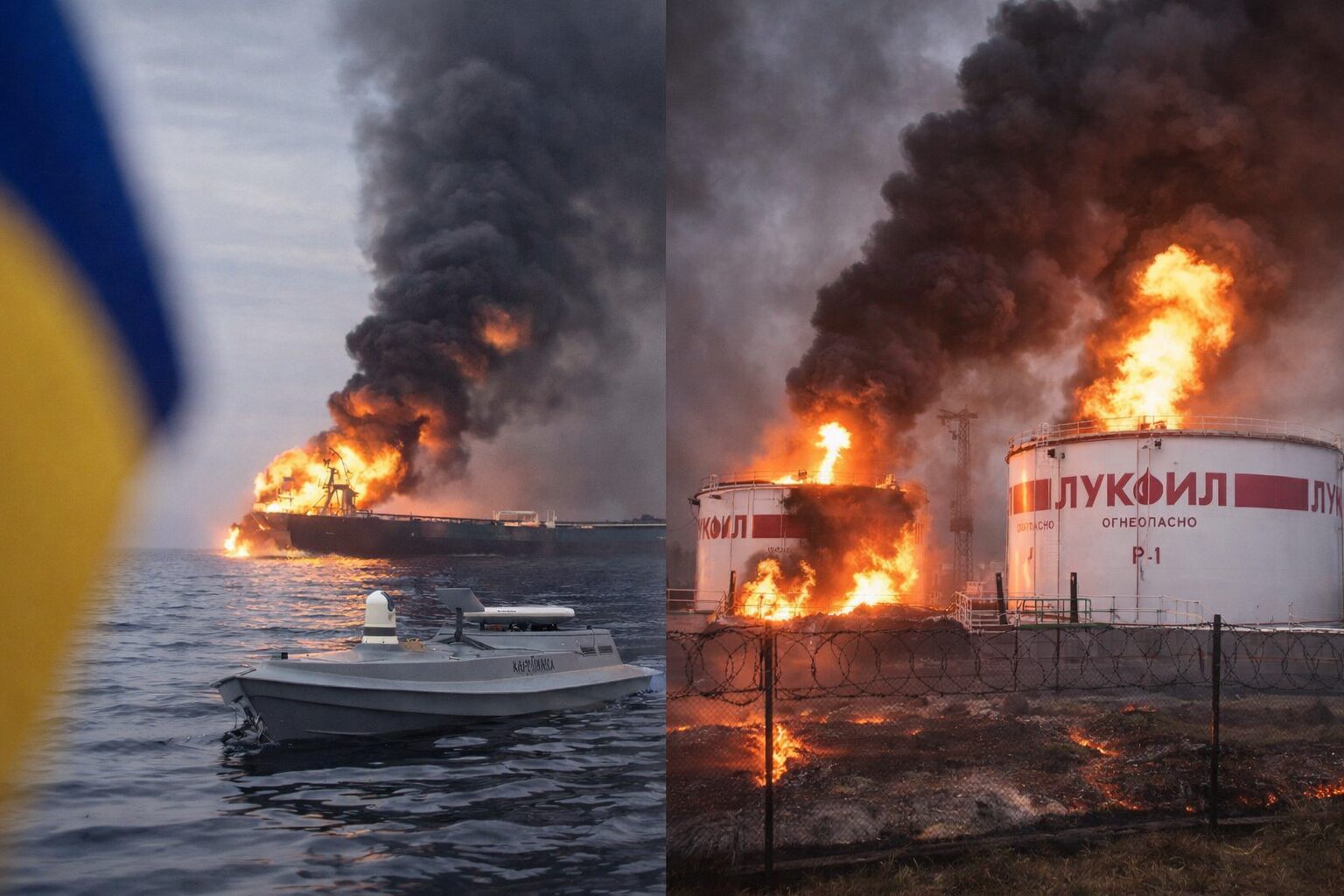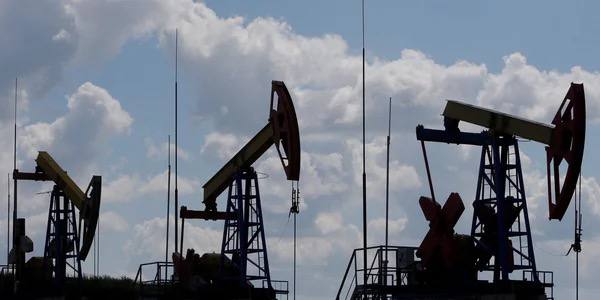


The decline in oil revenues is becoming a structural problem for Russia rather than a temporary shock. After losing the European market, Moscow has become increasingly dependent on China and India, which have transformed from alternative buyers into tough price dictators. To maintain export volumes, Russian companies are forced to offer record discounts that already call into question the profitability of production. According to international agencies, some shipments are being sold for effectively half the price of global benchmarks. This hits not only the revenues of oil companies but also the state’s ability to fund the budget. Consequently, the Russian oil model increasingly resembles a struggle for survival rather than a stable export business.
Discounts as a Condition for Market Access
According to Reuters data, at the end of 2025, Russian Urals oil reached its lowest price levels since the pandemic. According to estimates by the agency Argus, last week the price of Urals in Baltic and Black Sea ports dropped to $33–$34 per barrel, while the discount against the Brent benchmark reached $27 per barrel. For certain shipments to China, the situation appears even worse: some batches were sold at a discount of up to $35 per barrel, which effectively means selling oil at nearly half the market price.
Larger discounts have significantly reduced margins, which has already led to losses for some Russian suppliers. At the same time, according to Reuters, a significant number of companies remain profitable for now thanks to tax breaks and special taxation regimes introduced by the government.
“Income in the production segment, on average, remains positive after covering taxes, production, and transportation costs. Some oil projects are indeed ‘in the red,’ including due to the complexity of extraction,” said Kirill Bakhtin from BCS World of Investments.
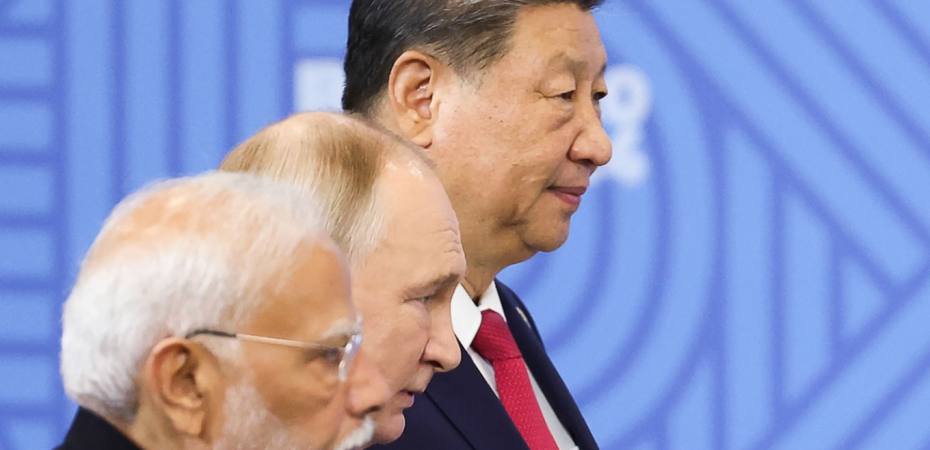
China and India, which became the primary buyers of Russian oil following the imposition of Western sanctions, are exploiting the situation with maximum pragmatism. They purchase large volumes but only under conditions of deep discounts, effectively shifting sanction risks and logistical costs onto Russian exporters.
On the Brink of Profitability
Record discounts are already having direct consequences for the Russian economy, as some oil projects in Russia have entered the loss zone. This is especially true for fields with difficult extraction conditions, where the cost of production is significantly higher than average.
To keep companies afloat, the Russian authorities are forced to apply tax concessions and special tax regimes for oil producers. However, even these measures do not compensate for the losses caused by price pressure from buyers. The oil industry is essentially on the brink of profitability, and a further deepening of discounts could lead to a reduction in investment and production.
Some analytical resources emphasize that selling oil at a loss is not a one-off episode but a trend. Russia is maintaining export volumes, but it is doing so at the expense of its own financial resources. Given that energy revenues have traditionally been the foundation of the federal budget, this situation creates long-term risks for the entire economic system.
The Russian budget for 2026 was formulated based on an expected average price for Urals oil of $56 per barrel; however, the actual value is currently about a third lower, creating a risk of a significant shortfall in oil and gas revenues as early as January.
Conclusion
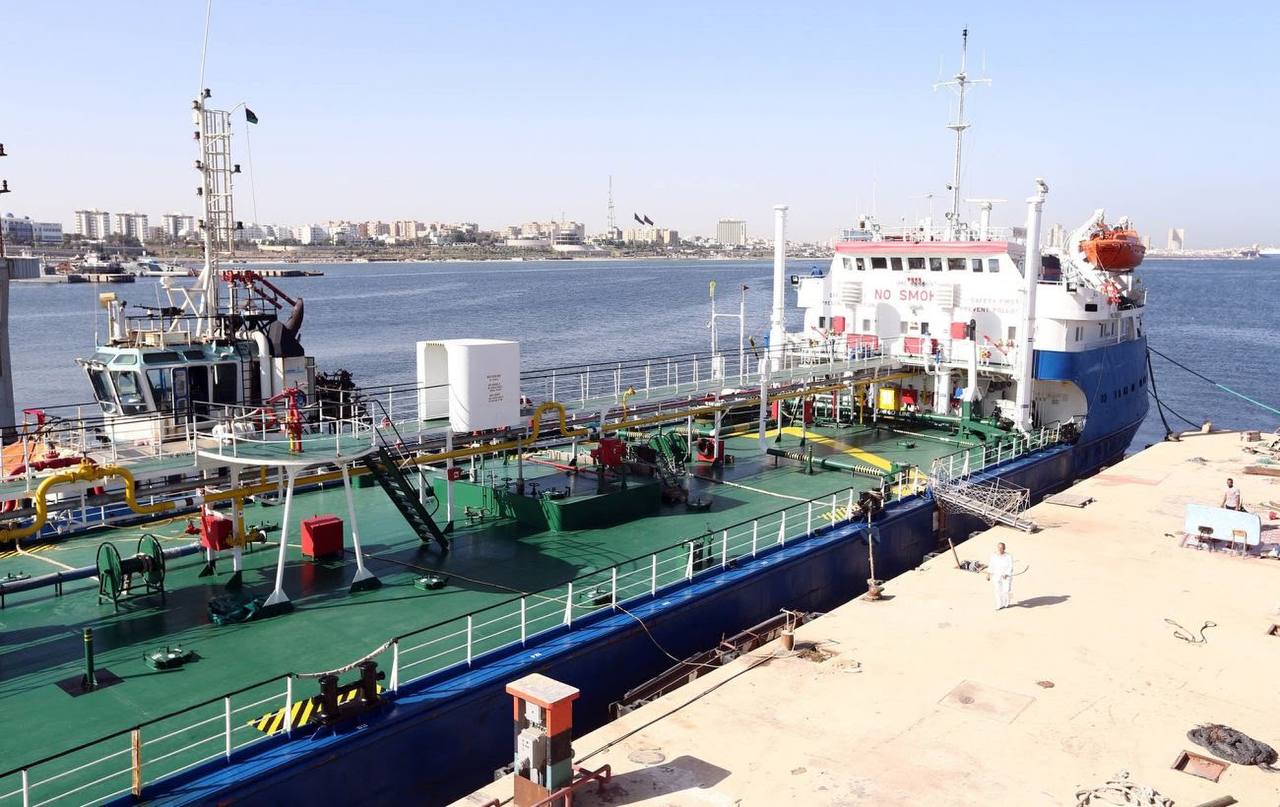
The record discounts on Russian oil for China and India demonstrate a profound transformation of Russia’s energy position. From a supplier capable of influencing the market, it is increasingly turning into a dependent seller forced to accept the buyers’ terms. Selling oil at nearly half price undermines the industry’s profitability and reduces budget revenues. Tax breaks only temporarily mask the problem but do not solve its core. In the long term, such an export model appears unsustainable. For the Kremlin, this means that the energy lever, which for years served as the foundation of economic and political power, is gradually losing its effectiveness.