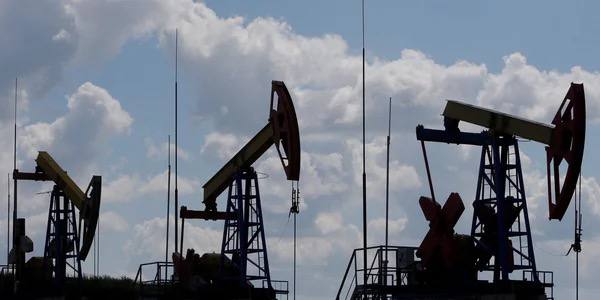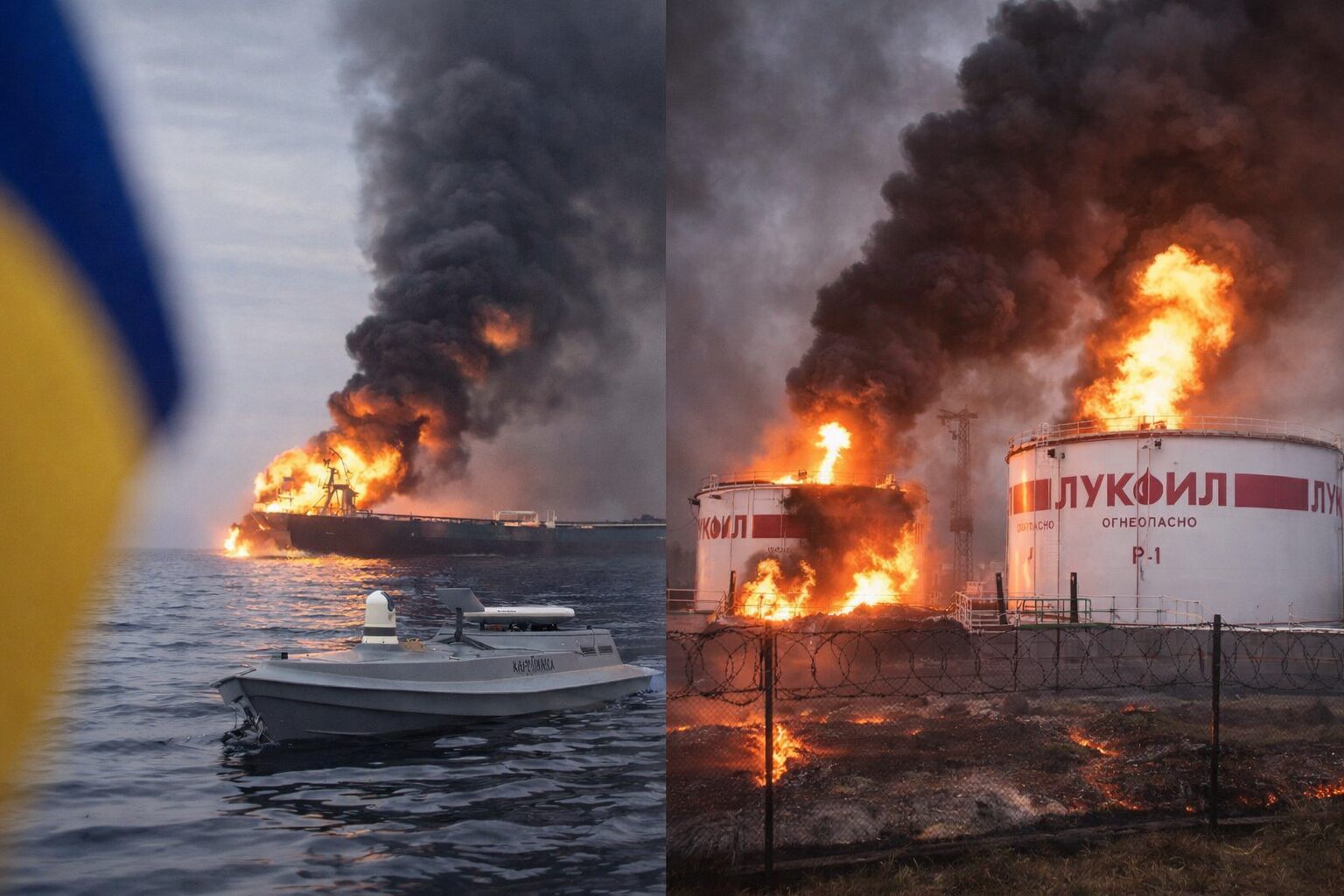


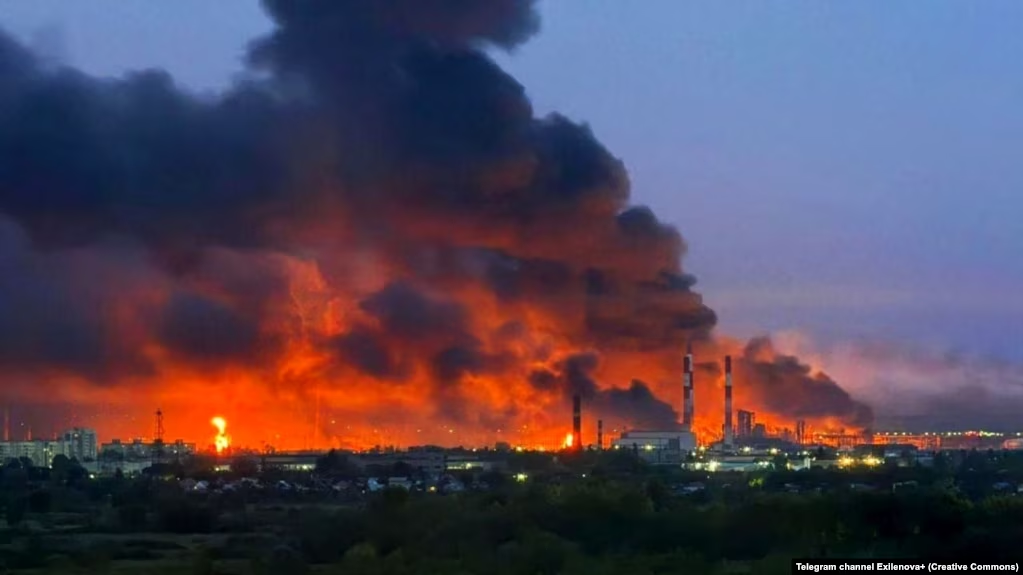
In December, Ukraine significantly intensified its strikes on Russia’s energy infrastructure. This marks the largest wave of attacks since the start of the full-scale invasion, according to Bloomberg. The campaign goes beyond isolated strikes and reflects a systematic approach. Journalists report that at least 24 attacks were recorded over the month, targeting refineries, tankers, pipelines and maritime infrastructure. These actions are increasing pressure on Russian exports, which are already affected by international sanctions.
Oil as the Kremlin’s Weak Point
Despite restrictions, Russia continues to export substantial volumes of oil. However, revenues from the sector are declining. According to official estimates, oil and gas will make up only 23% of budget revenues this year. This is the lowest level since the start of the full-scale war.
Falling revenues directly affect the Kremlin’s ability to finance the war. Fewer funds mean fewer resources for maintaining the army, logistics and military production.
The Sea is No Longer Safe
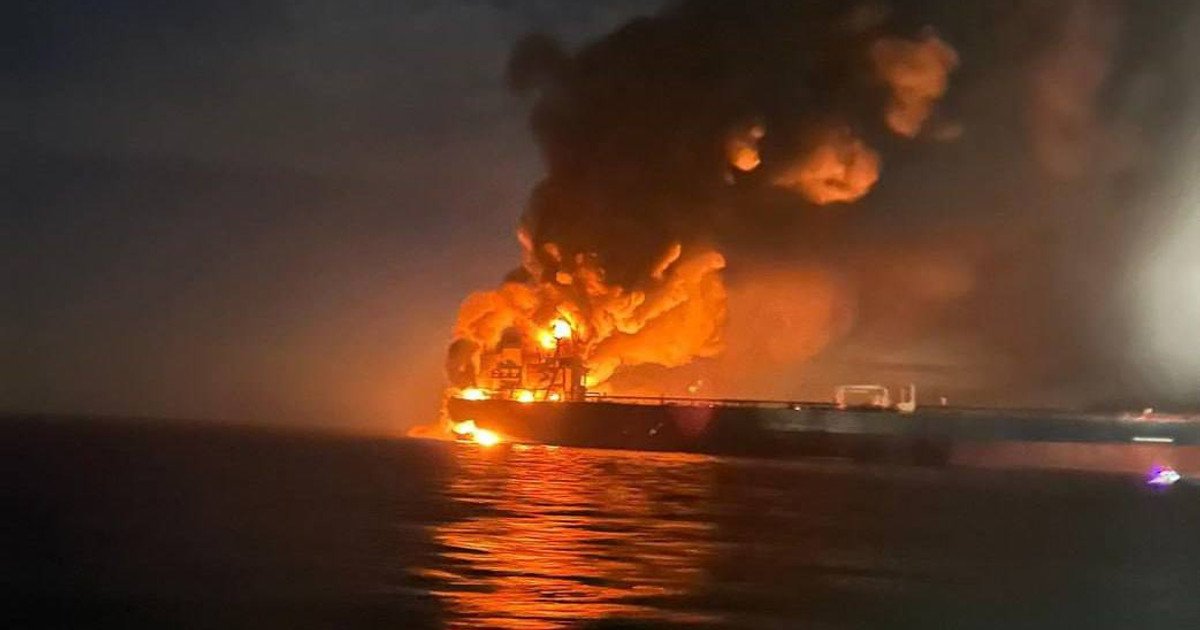
Ukraine has also focused on maritime infrastructure. In December, strikes hit Lukoil facilities in the Caspian Sea, as well as the ports of Taman and Rostov in the Black Sea. Damage to tankers and disruptions to logistics were reported.
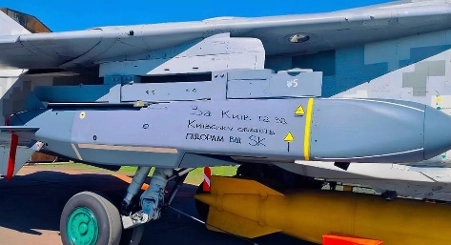
At the same time, attacks continued on oil refineries deep inside Russian territory. According to Ukraine’s General Staff, Storm Shadow missiles were used for one such strike for the first time.
Conclusions
Strikes on Russia’s energy infrastructure are increasingly systematic rather than episodic. They are affecting the country’s financial capacity, particularly the revenues used to sustain the war. Russian official forecasts already point to a decline in these income streams.
At the same time, Moscow continues to strike Ukrainian energy facilities and civilian infrastructure. Despite statements about possible diplomatic solutions, there is currently no clear sign of a shift in Russia’s approach. This maintains a high level of tension and the risk of further escalation.
In this context, strikes on energy facilities remain part of a broader deterrence strategy. They reduce Russia’s financial capacity and limit its ability to sustain the war over the long term.