


The end of the year traditionally prompts conclusions and forward-looking assumptions from media, experts, and politicians. What did analysts expect for 2025, and how do current forecasts describe 2026 in the context of the Russian–Ukrainian war and international relations?
Past forecasts
The end of the war have consistently been treated as the most manipulative and politically sensitive topic. Despite hopes linked to Donald Trump’s presidency, many forecasts adopted a realistic position and assumed the war would not end quickly. Moreover, even at that stage, experts often identified early 2026 as a more probable timeframe for a potential conclusion.
In December 2024, the IMF stated in its baseline scenario that the war could end by late 2025. If that scenario failed, the IMF warned that hostilities could continue until mid-2026.
CNN also emphasized the slow movement of the front line and the complexity of negotiations, concluding that the war would likely extend into 2026.
Reuters reported that Russian government-linked polls showed most Russians expected the war to end in 2026 rather than in 2025.
Opinions on Trump varied. Some people expected radical change, while others relied on a cautious assessment. The U.S. president repeatedly announced new deadlines, yet he ended the year without defining a concrete timeline.
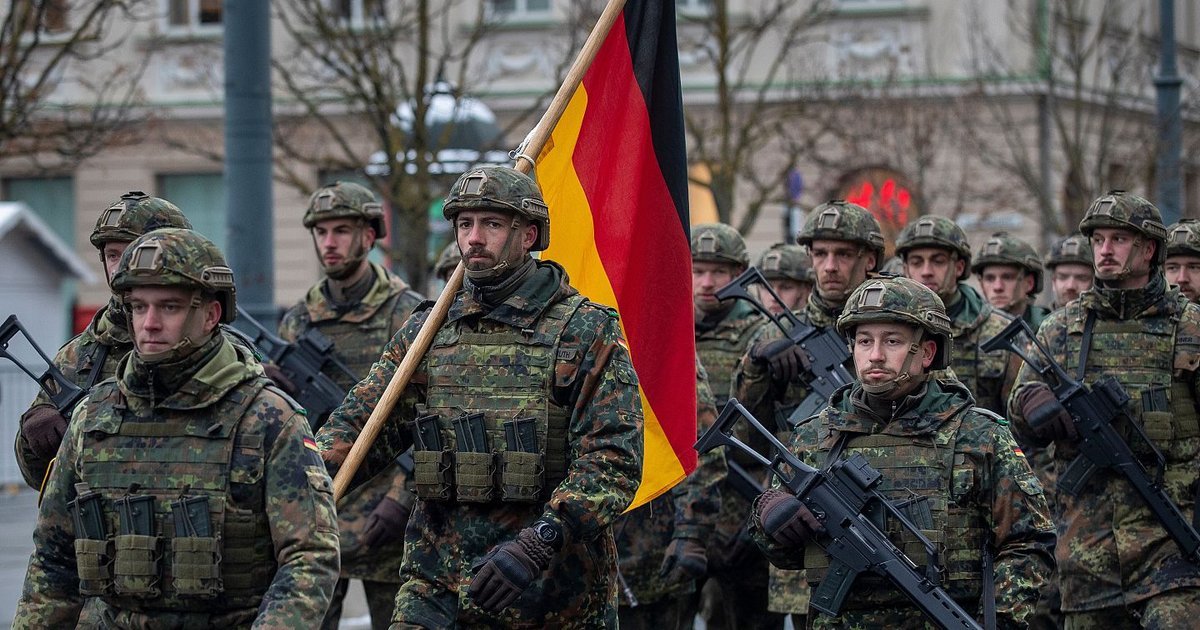
In terms of politics, the rise of populism was expected. For Ukraine, the election of German Chancellor Friedrich Merz represented a positive signal. At the same time, now forecasts point to growing pressure from the far-right AfD party within Germany’s domestic politics in 2026, according to the FT.
Future forecasts
The Financial Times published forecasts for 2026 stating that Ukraine will not withdraw from the Donetsk and Lugansk regions, despite Russia’s demands.
As for governments, the same analysis suggests that Democrats may regain control of the U.S. House of Representatives, while Republicans are likely to retain the Senate. The good of this is that the outlet does not expect early elections in France.
One upcoming election that could benefit Ukraine and EU values is Hungary’s spring vote. Current polling shows the opposition leading, although the margin remains narrow.
As for the close perspective, good news is expected in terms of pressure on Russia from the EU. According to Die Welt, the EU plans to adopt its 20th sanctions package against Russia by the anniversary of the full-scale invasion. The measures are expected to include travel restrictions and asset freezes. The EU will pay particular attention to individuals and organizations involved in the deportation and ideological re-education of Ukrainian children.

Conclusion
Even a year ago, analysts more often identified 2026, not 2025, as a potential turning point. Today, despite discussions framed as negotiations, which Russia shows no genuine interest in, the realistic assessment remains unchanged: the decisive factor lies in Russia’s capacity to sustain the war despite problems in economy and Ukraine’s capacity to resist.
Politically, the situation resembles a pendulum. Some developments may strengthen Ukraine’s position, while others may work against it.
Ukraine enters the new year in a difficult position, yet it has no alternative but to continue its defense.