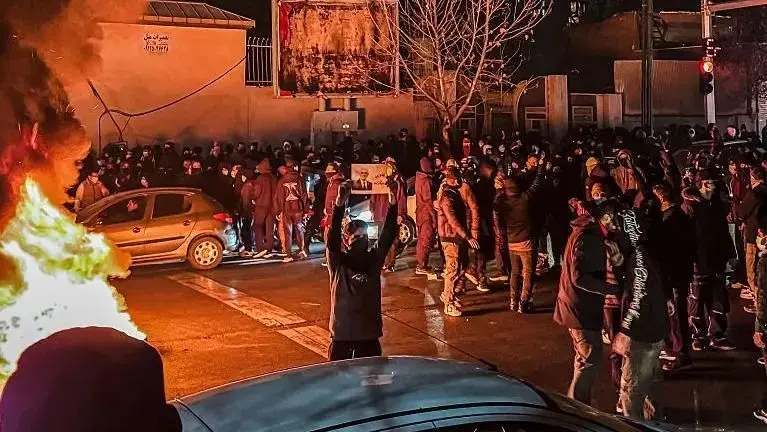


More than 538 people have been killed during protests across Iran, including 490 protesters and 48 members of the security forces, while over 10,600 people have been arrested, according to AP and Reuters. However, establishing precise figures remains difficult, as internet access in the country has been cut for more than 60 hours. Iranian state television reports only casualties among security forces, omitting civilian deaths.
Iran’s Attorney General Mohammad Jafar Montazeri has stated that participants in the demonstrations are considered “enemies of God”. This charge that under Iranian law can carry the death penalty.
Iran’s protests and international reaction
Protests erupted in Iran in late December amid a deepening economic crisis and the collapse of the national currency. This is not the first wave of mass unrest in the country. Similar scale protests occurred in 2009, 2019, and 2022-23.
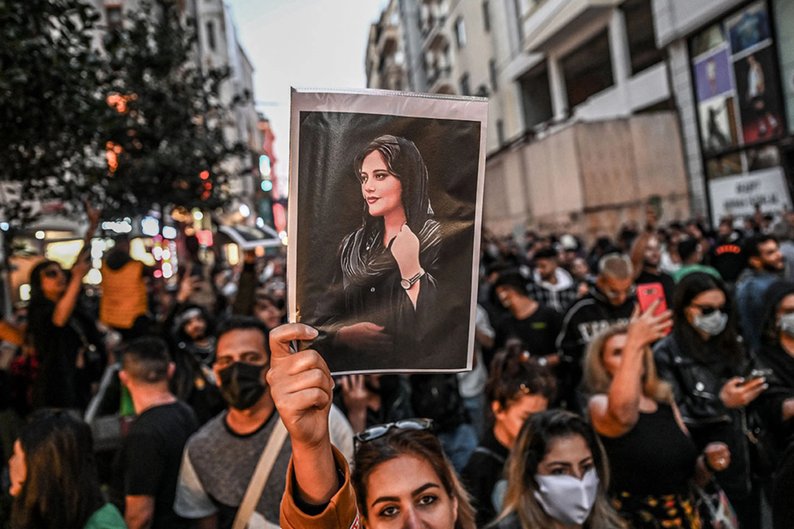
According to estimates by Iran Human Rights, the number of victims during the 2022-23 protests — which followed the killing of Mahsa Amini after her arrest by the morality police for allegedly improper wearing of a hijab — exceeded 550 people.
U.S. President Donald Trump stated that the United States is ready to help Iran “gain freedom,” though he provided no specific details. At the same time, the Iranian parliament warned that they would consider U.S. military personnel and Israel as“legitimate targets” if Washington attacked the Islamic Republic amid the protests.
Ukraine has frozen diplomatic cooperation with Iran over Tehran’s supply of drones to Russia. Yet, on January 10, Ukrainian Foreign Minister Andrii Sybiha condemned Iran’s violent crackdown on anti-government protests and called on the international community to increase pressure on Tehran, drawing parallels between Iran’s domestic repression and its behavior on the international stage.
Current regime as Russia’s ally
According to The Times, citing intelligence sources, Iran’s Supreme Leader is allegedly considering fleeing to Moscow if the regime collapses.
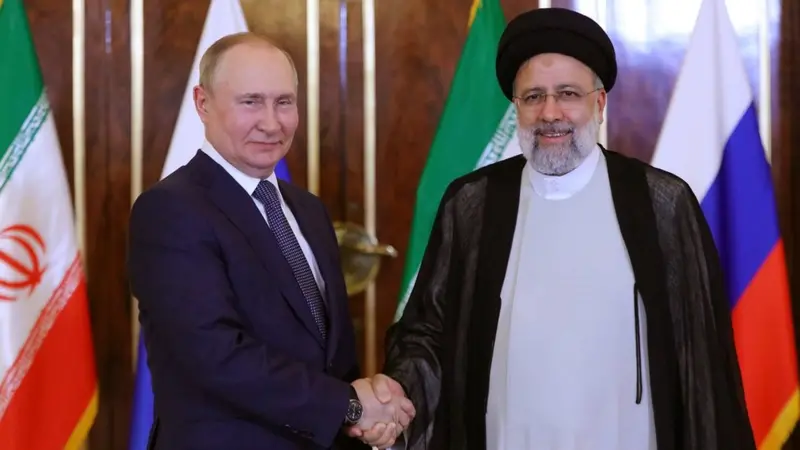
Russia, a key ally of Iran, has traditionally refrained from criticizing the Iranian authorities. Russian state-aligned and propagandist media portray the protests primarily as a destabilizing factor.
Conclusion
Iran’s struggle for freedom is significant not only for the domestic welfare of its citizens, but also for global political dynamics. As recent tendencies show, authoritarian regimes allied with Russia face increasing internal pressure and instability.