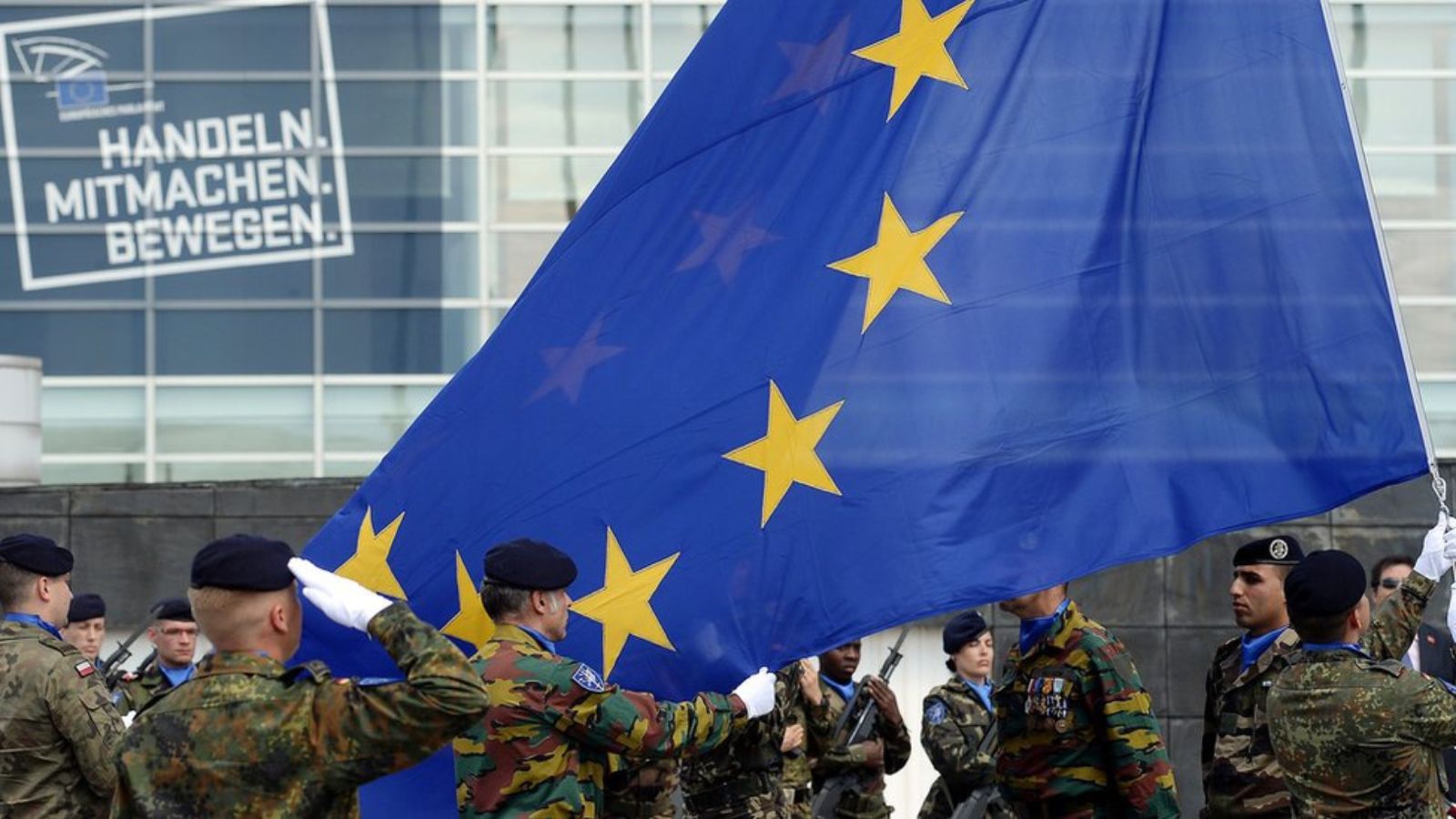


European Union leadership and Sweden are launching major defense initiatives to ensure continental security amid shifting global alliances. EU Defense Commissioner Andrius Kubilius has proposed the creation of a permanent standing army, while Stockholm is investing over $1.6 billion in mobile air defense units. These steps signal a decisive move toward European strategic autonomy and a rapid response to the evolving nature of aerial warfare.
European Strategic Autonomy and the 100,000-Strong Force
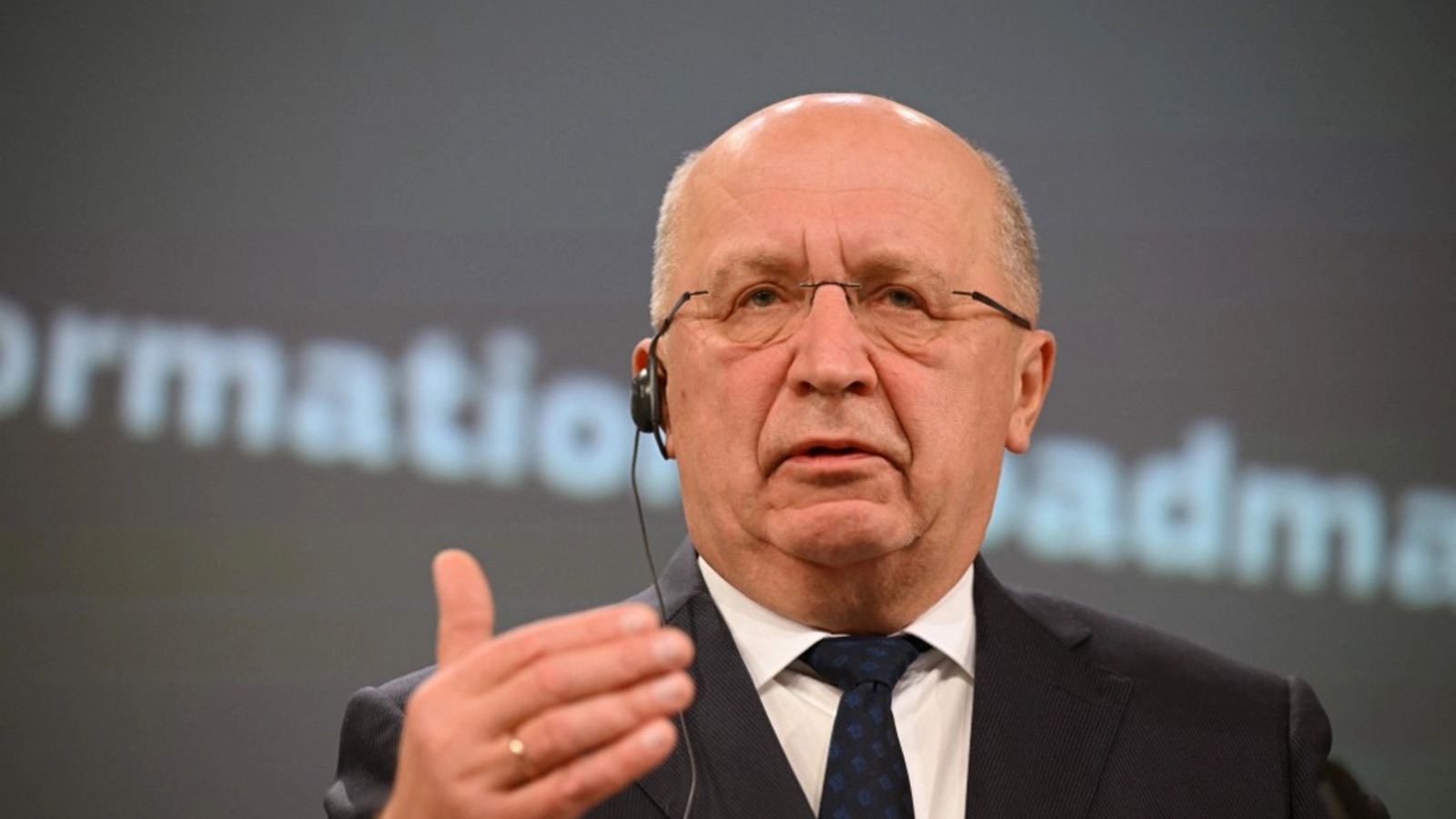
As reported by the Lithuanian broadcaster LRT, EU Defense Commissioner Andrius Kubilius voiced his proposal during a speech at an annual security conference in northern Sweden. He suggested the formation of a permanent European military force comprising 100,000 personnel to safeguard the continent. This initiative arises from growing concerns regarding the reliability of Washington’s long-term military commitment to Europe, especially as U.S. strategic interests increasingly pivot toward China.
To support this new military structure, Kubilius advocated for the establishment of a European Security Council. This body would include major EU powers and potentially the United Kingdom to streamline and accelerate defense decision-making. While the concept of a centralized “European Army” has historically faced resistance over national sovereignty, the current geopolitical climate is forcing EU member states to reconsider collective institutional readiness and independent military capabilities.
Sweden’s Mobile “Shield” Inspired by Ukraine
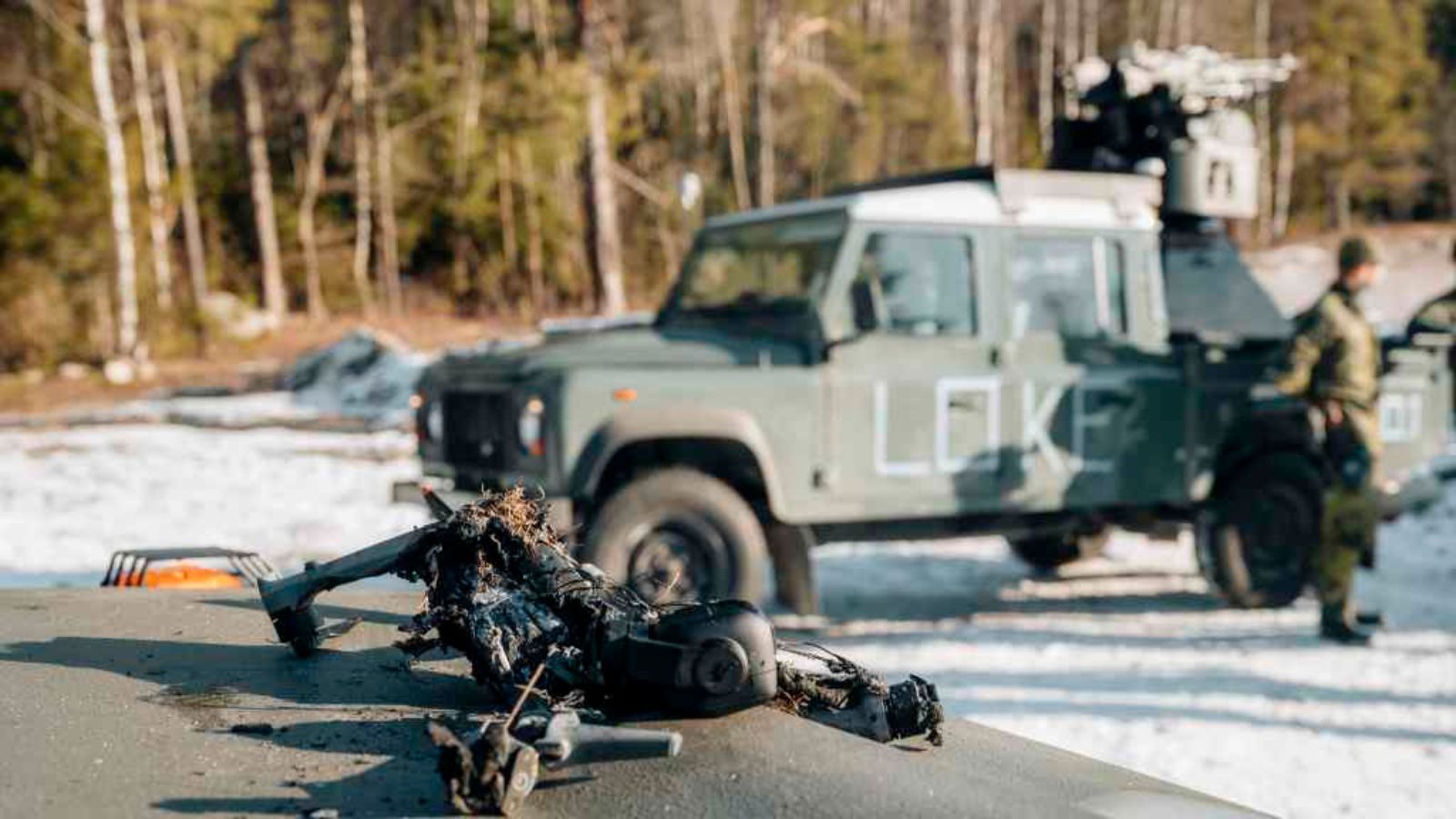
According to the official government website of Sweden, the nation is taking concrete steps to modernize its defenses by investing $1.63 billion into mobile air defense networks. This strategy is a direct response to modern threats, such as mass drone and cruise missile attacks, utilizing tactics demonstrated on the Ukrainian battlefield. The new units will feature anti-aircraft guns mounted on trucks and armored vehicles, designed to protect critical infrastructure like ports and power plants.
A central element of this program is the “Loke” system, developed with Saab, which includes a mobile radar and remote weapon stations. Swedish officials emphasize that these mobile fire groups are significantly more cost-effective than using high-end missiles like Patriot for low-cost aerial targets. Between 2026 and 2028, Sweden plans to further expand these capabilities, ensuring a dense defensive “shield” that does not require diverting primary air defense assets from military frontlines.
Conclusion
The convergence of Kubilius’s strategic vision and Sweden’s tactical modernization marks a shift in European defense philosophy. Nations are moving away from total reliance on external allies toward high-tech, cost-efficient, and autonomous military capabilities. As the security landscape continues to evolve, these initiatives represent a critical effort to ensure stability and rapid response across the continent.