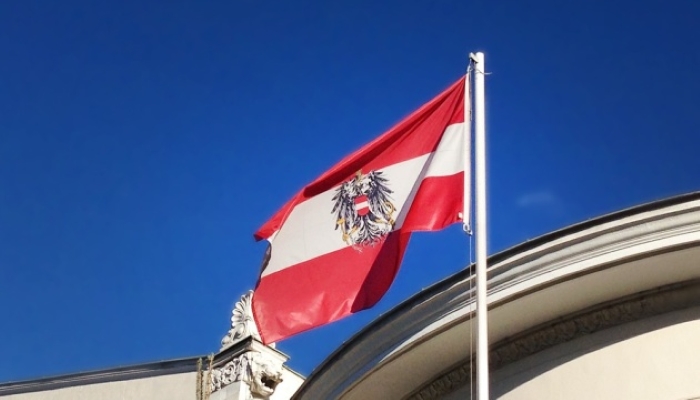
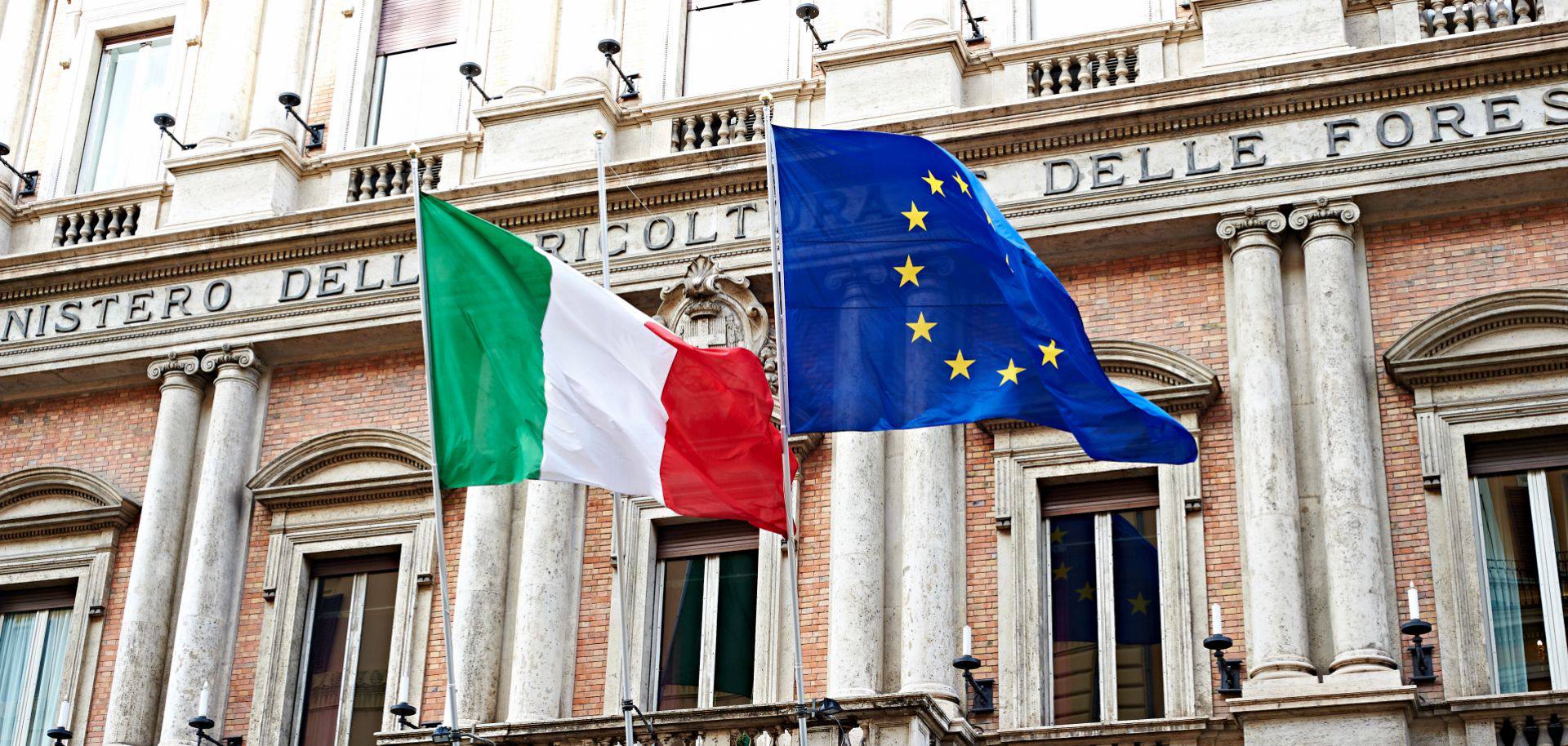


Disputes within the European Union over financial support for Ukraine have intensified because of the ongoing war with Russia. Ahead of the EU leaders’ summit on December 18–19, Italy joined Belgium in opposing the European Commission’s plan to use frozen Russian state assets. The move by Rome, one of the key EU member states, significantly complicates efforts to reach a joint decision on Ukraine’s further financing. The proposed plan envisaged utilizing a portion of approximately €210 billion in Russian assets frozen after the start of the full-scale war. At the same time, Italy, Belgium, Malta, and Bulgaria called on Brussels to consider alternative aid mechanisms. In their view, such options must comply with international law and reduce legal and financial risks for EU countries.
What Exactly the EU Proposed
The European Commission is urging EU member states to agree at the European Council summit on December 18–19 to create conditions for using billions of euros from Russian reserves frozen at the Belgian bank Euroclear. According to Brussels, these funds should be directed to support Ukraine’s economy, which has suffered significant losses due to the war.
The Commission proposed a mechanism whereby a portion of the frozen, sanctioned Russian assets could be used as collateral for a loan to Ukraine. Such a “reparation loan” was intended to help Kyiv cover a substantial portion of its defense and reconstruction costs for 2026–2027.
The proposal was primarily technical and legal in nature: the assets would not be transferred directly to Ukraine but used as a guarantee for funds that the EU could lend to Kyiv. The plan stipulated that repayment to the EU would only occur if Russia agreed to pay reparations to Ukraine for the damages incurred, effectively meaning the long-term preservation of these assets in Europe.
Arguments of the Proposal’s Opponents
However, the idea immediately met resistance. Belgium voiced the greatest concern, as the Euroclear bank, which holds most of the €210 billion, is located there. Belgian politicians fear that, in the event of legal claims by Russia, their country could be held responsible for paying compensation or returning the funds.
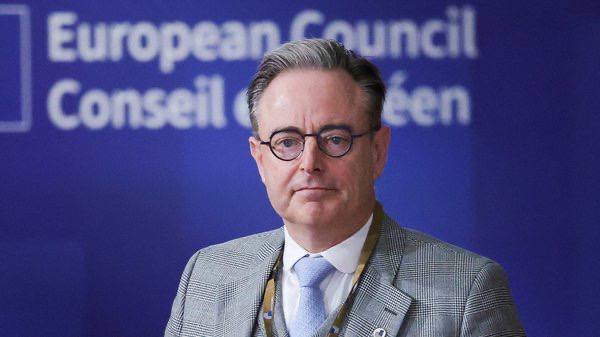
These risks are both legal and financial. The Belgian government warned that using the assets as collateral or a financing instrument could set a precedent whose consequences would extend far beyond Ukraine. The concerns include potentially undermining trust in the European financial system and altering the rules for managing sovereign reserves, even under sanctions. Belgian Prime Minister Bart De Wever has repeatedly stressed his scepticism about the EU plan, warning that the proposed reparations loan is “fundamentally wrong”.
It is on these arguments that the position of the group of critical countries—Belgium, Italy, Malta, and Bulgaria—is based.
Invite the Commission and the Council to continue exploring and discussing alternative options in line with EU and international law, with predictable parameters, presenting significantly less risks, to address Ukraine’s financial needs, based on an EU loan facility or bridge solutions — they urged in a joint statement.
Among the alternative options mentioned are EU credit mechanisms or temporary financial solutions that do not involve directly using frozen Russian assets, and therefore carry lower legal risks.
Disagreements within the EU
Italy’s alignment with Belgium is a key element in the broader picture of internal EU disagreements. Although Italian Prime Minister Giorgia Meloni generally supports sanctions against Russia, factions within her government hold differing views on continued support for Ukraine. This reflects a wider debate in the EU on how to balance legal security, financial responsibility, and solidarity among member states.
In addition to legal reservations, opponents of the European Commission’s plan point to potential economic and political consequences of adopting a decision without full consensus. They argue that hasty use of frozen assets could deepen internal contradictions within the bloc and complicate further negotiations. Even though Italy, Belgium, Malta, and Bulgaria do not form a formal blocking minority, their coordinated criticism is already creating a tense political backdrop ahead of the European Council summit.
Conclusion
The situation surrounding frozen Russian assets demonstrates how complex it remains for the EU to find a unified approach to financial support for Ukraine. Resistance from individual member states highlights the depth of legal, political, and financial concerns surrounding the European Commission’s proposal. Ahead of the December summit, these disagreements could become a serious obstacle to reaching a consensus. At the same time, the debate reflects countries’ desire to avoid setting precedents that could affect the stability of the European financial system. The question of the future of the Russian assets is increasingly moving beyond a purely technical issue and has become a test of EU unity. The European Council summit must show whether the EU can find a compromise between solidarity with Ukraine and the internal reservations of individual member states.