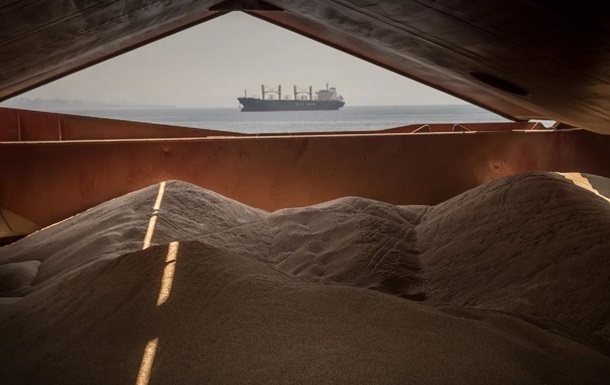
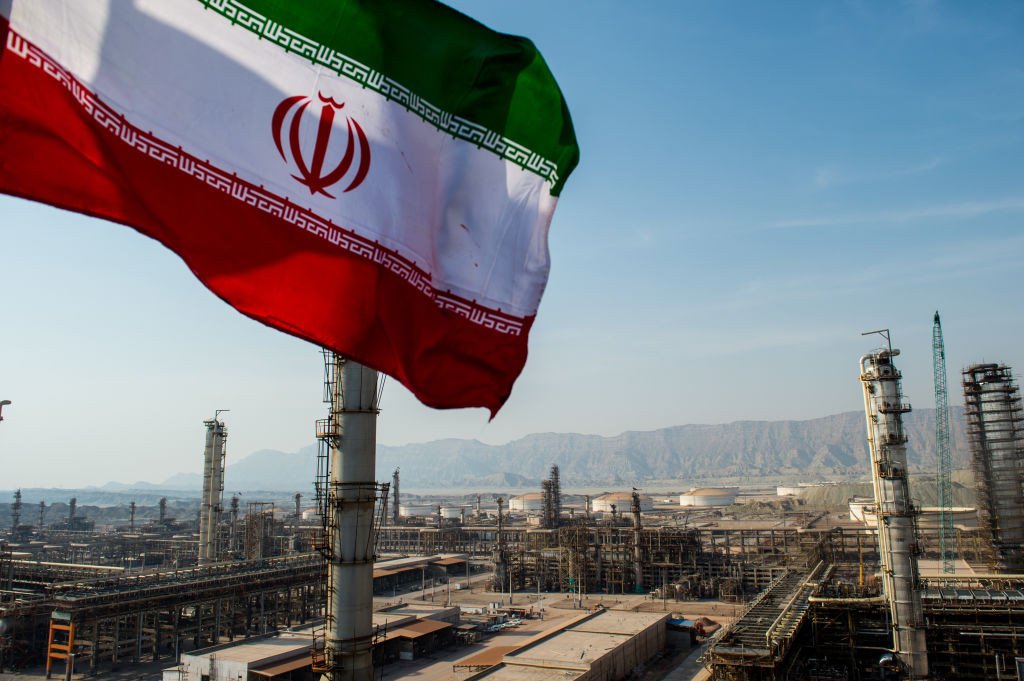


Iran is rapidly running out of capacity to store crude oil. The shortfall could force the country to sharply cut production in the near future as exports decline due to a US naval blockade.
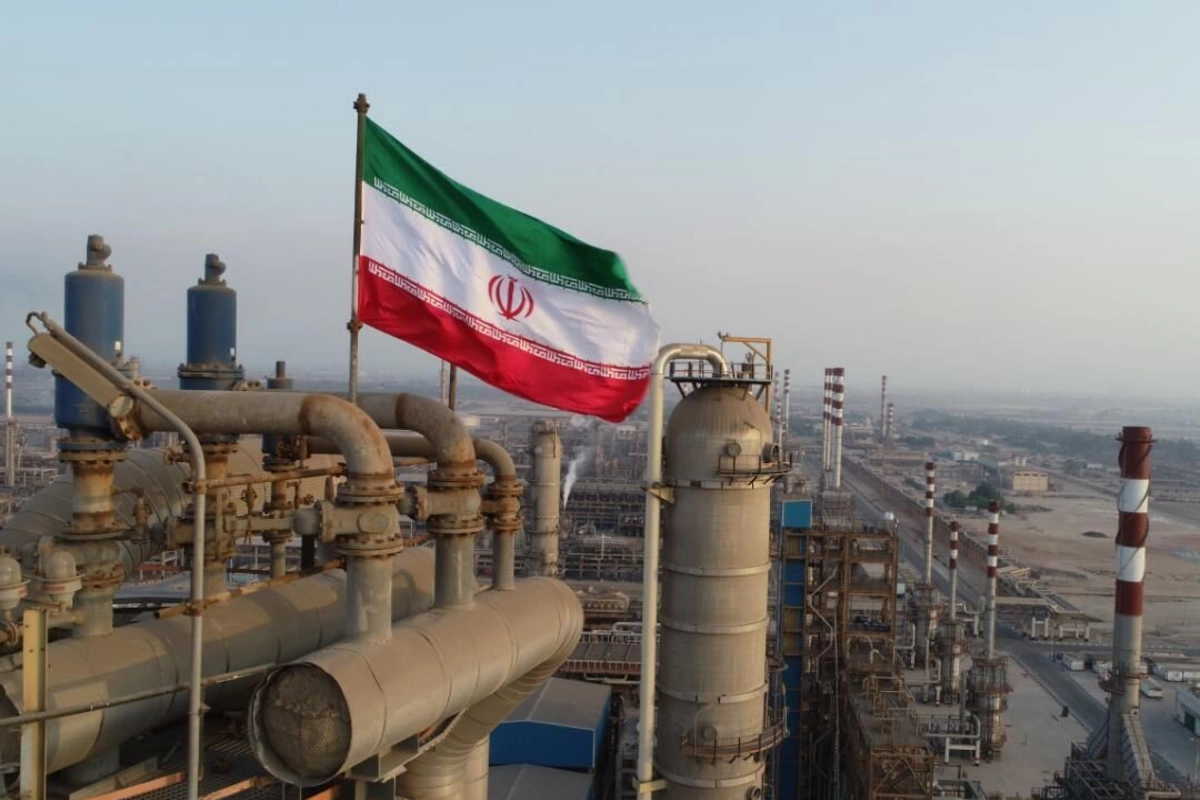
Bloomberg reports this, citing analysts at Kpler.
Details
Kpler estimates that Iran has only 12 to 22 days of available oil storage capacity left. This means the country may have to reduce output by about 1.5 million barrels per day as early as mid-May.
The situation worsened after a sharp drop in exports. Since early April, when the United States imposed a blockade on Iranian ports, shipments have fallen to around 567,000 barrels per day, down from nearly 1.85 million in March. Kpler also reports that oil loadings onto tankers have dropped by about 70%, while traffic through the Strait of Hormuz has significantly declined.
Earlier estimates by Goldman Sachs suggest that Iran has already cut production by around 2.5 million barrels per day. Similar constraints have affected other regional producers, including Saudi Arabia, Iraq, Kuwait, and the United Arab Emirates.
Despite the sharp decline in exports, the financial impact on Tehran may take time to materialize. Most shipments go to China, and payments often arrive months after delivery, frequently through opaque mechanisms used to bypass sanctions.
Context
Tensions in the oil market have intensified since late February, alongside escalating regional instability and the US decision to impose a maritime blockade on Iran. The restrictions have limited the country’s export capacity and created risks for the global oil market.
Earlier, The Ukrainian Review reported that Iran is considering introducing fees for ships passing through the Strait of Hormuz. In the US, this idea has faced resistance from oil companies and government officials.