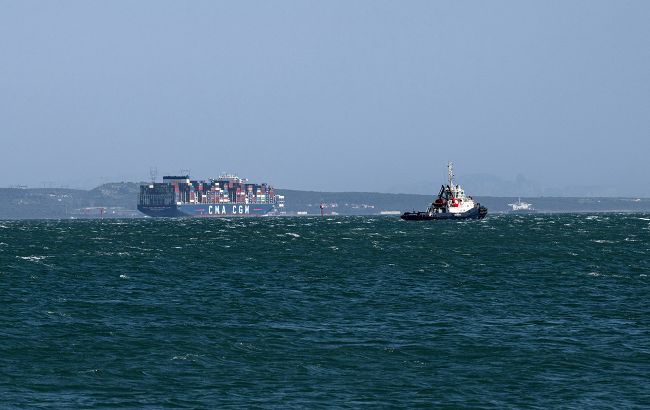


Iran is considering charging ships for passing through the Strait of Hormuz. However, the idea faces strong opposition in the United States, especially from oil companies and government officials.
Oil industry pushes back
According to Politico’s material, Tehran is actively promoting the idea of transit fees. In response, oil executives have raised concerns with the White House. Sources familiar with the discussions say accepting Iran’s terms could add up to $2.5 million per shipment. In addition, insurance costs would rise. As a result, companies would likely pass these expenses on to consumers.
Moreover, industry leaders warn about a broader risk. If Iran gains full control over the Strait, other countries could follow. For example, Singapore and Turkey might introduce similar fees in the Strait of Malacca and the Bosphorus. This could also expose companies to legal risks tied to sanctions on Iranian officials.
White House response
So far, the White House has not clearly explained how it will address industry concerns.
“The president is extremely sensitive to the legacy and judgment on the success of this war so pushing the president right now is seen as a risky proposition. But the White House is hearing from the industry despite the gingerness of the conversations”, – one of Politico’s sources said.
Meanwhile, White House press secretary Karoline Leavitt said Iran had offered a “more reasonable” plan to the president and his team. However, she did not explain how it differs from previous proposals. At the same time, she stressed that Trump’s red lines remain unchanged. In particular, he insists on eliminating Iran’s access to uranium.
“The idea that President Trump would ever accept an Iranian wishlist as a deal is completely absurd,” Leavitt added.
Ongoing uncertainty
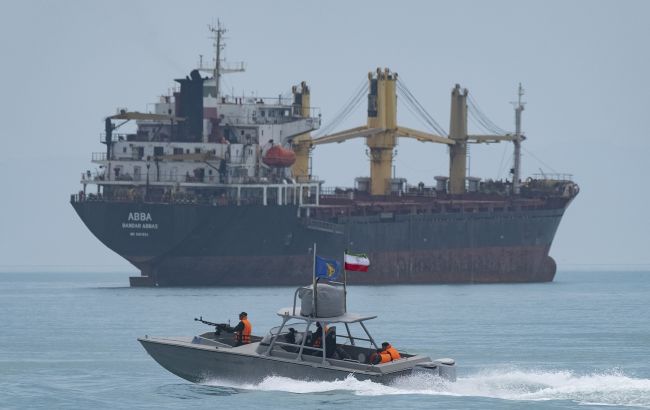
At present, Iran demands payments from tankers crossing the Strait. However, legal experts question this position. Jason Bennett, an energy and international law attorney at Baker Botts, said no international body recognizes Iran’s right to control the waterway.
In addition, Trump continues to push for reopening the Strait without any restrictions. As Leavitt stated on April 8, his priority is to restore free navigation without tariffs or other barriers. Despite a recently announced ceasefire, shipping through the Strait remains disrupted. Iran closed the route again after Israel carried out strikes in Lebanon.
Furthermore, diplomats worry that Iran may allow passage only to countries that support its position. One official said at least seven Malaysian-flagged vessels have already crossed the Strait, likely without paying fees. Malaysia’s embassy declined to comment.
Earlier, The Ukrainian Review reported that Trump agreed to pause strikes on Iran for two weeks in exchange for reopening the Strait. Negotiations on a broader deal are expected to take place in Pakistan.