

Hungarian authorities offered assistance to Iran immediately after the attack on Hezbollah pagers in September 2024. The disclosure contradicts Hungary’s official policy amid current geopolitical tensions.
Context and details
In September 2024, Israel targeted pagers used by Hezbollah. On September 17, the attack in Lebanon killed 12 people and injured at least 2,800. Shortly after the incident, the government of Prime Minister Viktor Orbán offered help to Iran, which backs Hezbollah. The US designates the group as a terrorist organization.
The information was reported by The Washington Post. According to a transcript of a September 30 call, Hungary’s foreign minister Péter Szijjártó told his Iranian counterpart Abbas Araghchi:
“Our secret service has already contacted your services and we will share all the information we have gathered during the investigation. Every possible document will be shared with your services.”
At the time, reports also linked the pagers to a Hungarian company. Szijjártó sought to assure Araghchi that Hungary had no involvement in the attack.
The newspaper notes that the call, as well as Szijjártó’s willingness to engage with Iran, raises uncomfortable questions about Hungarian-Iranian relations at a time when Washington is in conflict with Tehran. At the same time, the White House continues to support Orbán’s election campaign.
This situation also contradicts Hungary’s official stance of supporting Israel, particularly in votes at the UN Security Council. It further casts doubt on Hungary’s decision to withdraw from the International Criminal Court in April 2025, announced during a visit by Israeli Prime Minister Benjamin Netanyahu to Budapest. Netanyahu has also publicly backed Orbán.
A former White House official said the revealed call contradicts Hungary’s stated pro-Israel policy.
“They are one of the only countries who consistently vote with the U.S. when the rest of Europe abstains. At a minimum this goes very strongly against their policy,” the official said on condition of anonymity.
Orbán government’s pro-Russian course
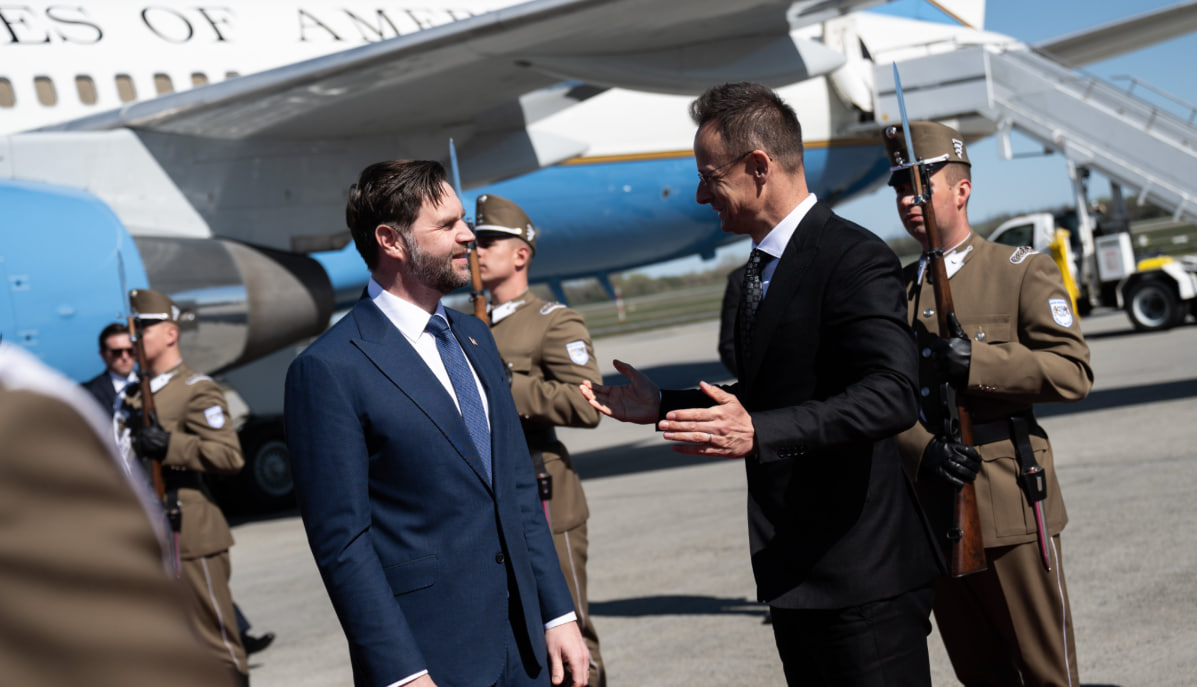
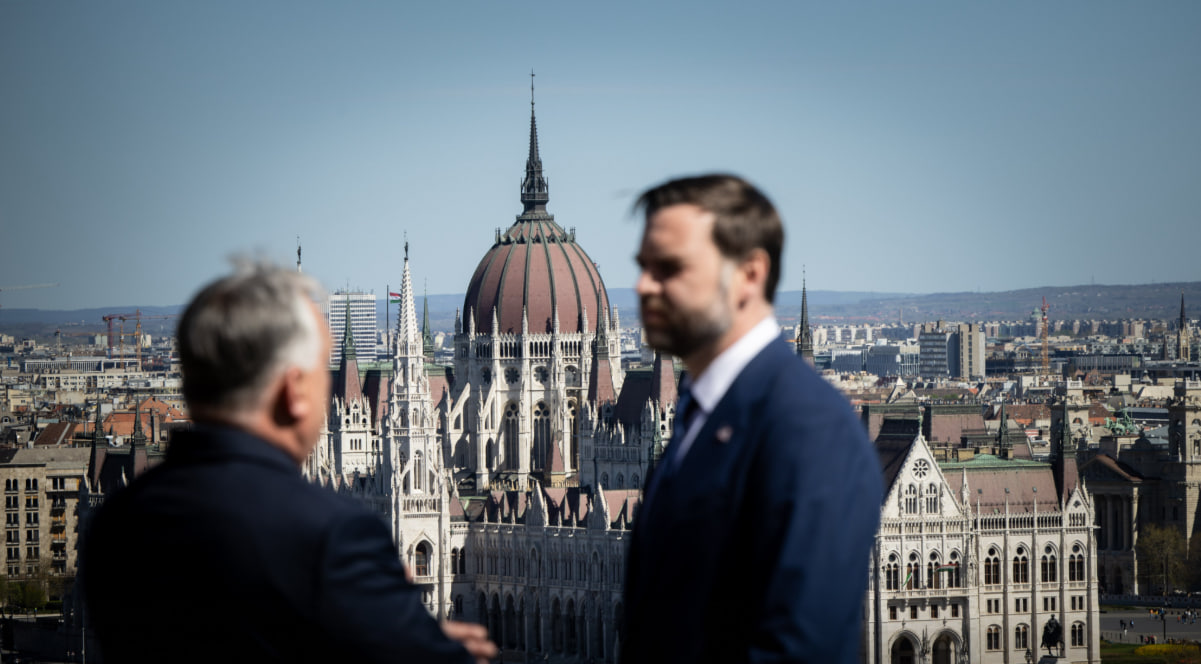
U.S. Vice President J.D. Vance arrived in Budapest on April 7 ahead of Hungary’s elections to support Orbán’s campaign, which is facing setbacks. Vance did not express concern over Russia’s invasion of Ukraine. Instead, he echoed Orbán’s claims that Ukraine and Brussels are interfering in Hungary’s elections.
The Washington Post adds that Orbán’s reputation has suffered due to his government’s alignment with the Kremlin. For instance, Szijjártó has regularly called Russian Foreign Minister Sergey Lavrov to provide “live updates” during breaks in EU meetings.
Last week, several independent investigative outlets, including Hungary’s VSquare, published a recording of a conversation between Szijjártó and Lavrov. During the call, they discussed lifting EU sanctions on Russian oligarchs, companies, and banks.
Szijjártó did not deny the conversation but downplayed its significance. He claimed journalists had only confirmed that his private remarks were consistent with his public statements.
Earlier, The Ukrainian Review reported that during his April 7 meeting with Orbán, Vance highlighted ideological alignment between the Trump administration and the Hungarian government. He also said the United States had “largely achieved its military objectives” in the war against Iran.